Main Points
Emphasize a level swing to maintain consistent contact and minimize rollover grounders.
Correct grip and stance are key to a strong and controlled swing.
Include drills to enhance hand-eye coordination and concentration.
Techniques for transferring weight are critical for balance and power.
Practicing situational hitting helps adapt to various pitch types and speeds.
Common Challenges Faced by Young Batters
When kids first start playing baseball, they often encounter the same problems. One of the biggest issues is not being able to hit the ball consistently, which can lead to frustration and a lack of confidence. Other common problems include hitting too many ground balls, swinging too early or too late, and not being able to hit the ball with enough power.
One of the most common issues is the rollover grounder. This occurs when the hitter rotates their wrists too soon, resulting in the ball being hit feebly into the ground. This can be very aggravating for young players who want to see their hits fly through the air. To help improve their performance, check out these youth batting skills improvement tips.
“Seeing them strike out every game isn’t enjoyable, and it’s disheartening when their only hit doesn’t even make it past the infield. It’s simply terrible to hear about them returning to the dugout, feeling as if they’ve let their team down.” – Coach Joey Myers
Why a Level Swing is Crucial for Regular Contact
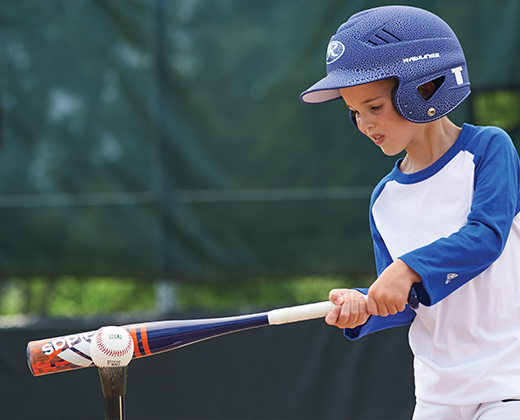
Ensuring a level swing is essential for young baseball players to make consistent contact with the ball. A level swing helps in reducing the chances of hitting rollover grounders, which can be frustrating for both the player and the coach. By focusing on proper technique and drills, players can improve their swing mechanics and increase their chances of success at the plate. For more insights, check out these baseball hitting drills for youth that can help reduce rollover grounders.
For steady ball contact, a level swing is key. A level swing allows the bat to remain in the hitting zone for a longer period, enhancing the likelihood of a square hit. This not only decreases the frequency of rollover grounders but also aids in hitting more line drives and fly balls.
In addition, a level swing aids in balance and control. Young batters often have difficulty maintaining their balance while swinging, resulting in poor contact. They can improve their overall batting mechanics by concentrating on a level swing.
Ways to Decrease Rollover Grounders
One effective way to decrease rollover grounders is to focus on proper hitting mechanics. This involves ensuring that the hitter maintains a level swing and makes contact with the ball at the right point in the strike zone. Additionally, incorporating front toss and soft toss drills can help players improve their timing and hand-eye coordination.
To help young hitters improve their swing and hit the ball more effectively, they must combine the correct technique, plenty of practice, and a high level of concentration. Here are some useful tips to help them reduce the number of rollover grounders they hit:
Highlighting the importance of controlling the bat
Appropriate techniques for follow-through
Proper grip and batting stance
Highlighting the Importance of Controlling the Bat
Controlling the bat is essential for young players to develop their hitting skills effectively. Proper grip and batting stance are fundamental aspects that need to be taught early on. For more detailed coaching tips, check out this youth batting skills improvement guide.
Being able to control the bat throughout the swing is what bat control is all about. This means adjusting the swing path, keeping balance, and hitting the ball. Here are some tips on how to get better at controlling the bat:
Work on swing mechanics by practicing hitting off a tee.
Perform soft toss drills to improve timing and hand-eye coordination.
Do one-handed drills to build strength in the hands and wrists.
For more tips, check out these baseball hitting drills for youth.
Correct Techniques for Follow-Through
Don’t underestimate the power of a good follow-through. It’s just as important as the initial swing. When done correctly, a follow-through can help keep the bat in the hitting zone for a longer period of time and help the hitter maintain their balance and control. Here are some tips for achieving a solid follow-through:
Complete the swing with your hands raised and the bat directed at the pitcher.
Maintain your head down and your eyes on the ball when making contact.
Make sure the back foot spins and the body stays steady.
Correct Posture and Hold
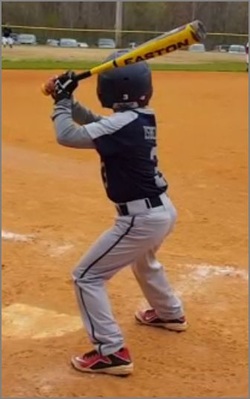
Getting the right stance and grip is essential for a strong and controlled swing. It lays the groundwork for the whole swing and assists in keeping balance and producing power. Here’s what you should concentrate on: power hitting techniques.
Basics of stance
Proper bat handling
Basics of Stance
Understanding the basics of stance is crucial for young baseball players. A proper stance can significantly improve their performance at the plate. For more detailed tips on youth baseball hitting, check out this guide on perfecting line drive technique.
The stance is where the swing begins. A good stance helps to keep balance and create power. For more tips on improving batting techniques, check out this guide on improving kids’ batting techniques.
Stand with your feet at the width of your shoulders.
Your knees should be a little bent.
Balance your weight evenly on the balls of your feet.
How to Hold the Bat Correctly
The way a hitter holds the bat is called the grip. Having the right grip is important because it allows the hitter to control the bat during the swing and generate the most power. Here are some tips for getting the right grip:
Hold the bat with your fingers, not your palms.
Your knuckles should be lined up.
Your grip should be strong but not too tight.
Improving Hand-Eye Coordination
Having good hand-eye coordination is key to making consistent contact with the ball. This involves being able to track the ball with your eyes and time your swing to hit the ball. Here are some drills to help improve your hand-eye coordination:
Exercises for Improved Concentration
Young hitters can improve their focus and hand-eye coordination by practicing with different drills. Here are some effective drills:
Training with Various Pitching Speeds
Training with various pitching speeds is crucial for young batters to build up their timing and flexibility. Begin with slower pitches to boost their confidence and gradually raise the speed as they become more at ease. This enables them to learn how to modify their swing timing depending on the speed of the pitch.
An efficient drill to consider is the “speed ladder” which involves throwing pitches at different speeds in a particular order. This requires the batter to remain alert and make speedy adjustments. A different drill involves using a pitching machine set at various speeds to mimic the conditions of a real game.
Techniques for Transferring Weight
Transferring weight is a key part of making a strong swing. This technique involves moving your weight from your back foot to your front foot as you swing. This movement creates power and helps you stay balanced.
Grasping the Concept of Weight Shift in Batting
It’s crucial for young players to grasp the concept of weight shift in batting. The sequence begins with a load, where the weight is transferred onto the back foot. As the swing continues, the weight is shifted forward, concluding with the front foot bearing the majority of the weight. This action aids in power generation and guarantees a balanced follow-through.
Drills for Better Balance and Weight Shift
Boosting balance and the shift of weight can drastically upgrade a youth hitter’s skill. Here are a few drills to assist with that:
Balance Beam Drill: Get the player to stand on a balance beam or narrow surface and practice swinging. This will force them to keep their balance throughout the swing.
Step-Back Drill: Start with feet together, then take a step back with the back foot before swinging. This drill highlights the weight shift and helps the player feel the transfer.
Medicine Ball Throws: Use a medicine ball to mimic the swing motion. Have the player throw the ball forward, focusing on the weight shift and follow-through.
“Understanding and mastering weight transfer can turn an average hitter into a powerful one.” – Coach Joey Myers
Developing Consistent Contact
Consistent contact is key to being a successful hitter. This involves timing, rhythm, and bat speed. By working on these elements, young players can improve their ability to make solid contact with the ball. For more information, check out these baseball hitting lessons for kids.
Drills for Timing and Rhythm
Timing and rhythm are the keys to making contact consistently. Here are some drills that will help to improve these skills:
Soft Toss Drill: A coach or teammate can gently toss balls to the hitter. This drill allows the hitter to concentrate on timing and rhythm without the stress of a high-speed pitch.
Rhythm Swing Drill: You can use a metronome or count aloud to establish a rhythm for the swing. This drill aids the hitter in developing a consistent swing tempo.
Increasing Bat Speed
For hitting the ball with power, bat speed is critical. Here are a few pointers on how to increase bat speed:
Swing a Light Bat: Practice swinging with a lighter bat to help build the muscles needed for a quick swing and increase bat speed.
Use Resistance Bands: Attach a resistance band to the bat and practice swinging. The added resistance will help build strength and increase bat speed.
Quick Hands: Encourage the hitter to focus on moving their hands quickly. Faster hand movements lead to faster bat speed and better contact.
Practice Situational Hitting
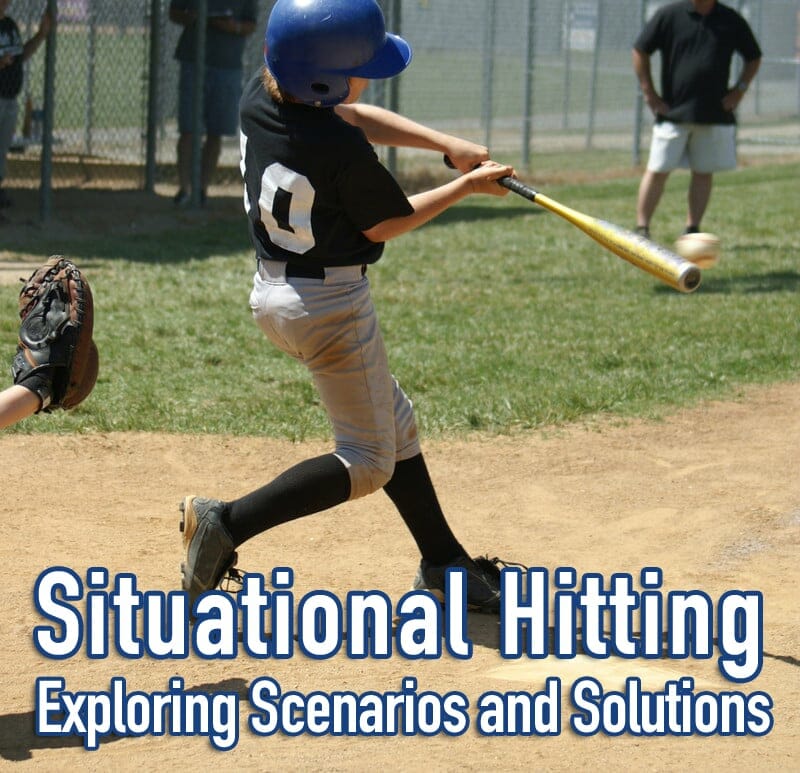
Situational hitting involves practicing different game scenarios to help hitters adapt to various situations they might face during a game. This type of practice helps players develop a more versatile approach at the plate. For more tips on improving your child’s swing, check out ba
Practicing Game-Like Situations
Practicing game-like situations is a great way to get hitters ready for what they’ll face in actual games. Here are some drills you can use:
Drill for Runner on Base: Create a scenario where there’s a runner on base. The hitter should practice hitting to advance the runner or score them.
Drill for Two-Strike: Mimic a two-strike count and have the hitter focus on making contact. This drill helps them learn how to protect the plate and avoid strikeouts.
Adjusting to Different Types of Pitches
Being able to adjust to different types of pitches is vital for a well-rounded hitter. Here are some tips to help young players adapt to various pitches:
Curveball Drill: Incorporate hitting curveballs into practice to help the batter get used to adjusting to the ball’s movement.
Offspeed Drill: Use offspeed pitches during practice to help the batter adjust to varying speeds.
Pitch Identification Drill: Use balls with different colors or markings to help the batter identify different pitches as they are thrown.
The Importance of Lower Body Strength
Having a strong lower body is crucial for a powerful and consistent swing. Building strength from the bottom up aids in power generation and balance maintenance.
Creating Strength from the Bottom to the Top
Creating strength from the bottom to the top involves making the legs and core stronger. Here are some exercises to help with this:
Squats: Squats are a great exercise for building strength in the legs. Make sure to focus on maintaining proper form and gradually increase the weight as you get stronger.
Lunges: Lunges are a great way to build strength and balance. Include a variety of lunges in your routine, including forward, backward, and side lunges.
Core Exercises: Planks, sit-ups, and Russian twists are all great exercises for building strength in the core, which is important for a powerful swing.
“Building strength in the lower body is key for generating power and maintaining balance in the swing.” – Coach Joey Myers
Stretching and Conditioning Exercises
It’s important to include stretching and conditioning exercises in your routine to prevent injuries and maintain flexibility. Here are some exercises to include in your routine:
To further enhance your training, consider incorporating functional training techniques that are specifically designed for youth baseball and softball players.
Dynamic Stretching: Get the blood pumping with some dynamic stretches such as leg swings, arm circles, and high knees before starting practice.
Static Stretching: Cool down after practice with static stretches like hamstring stretches, quad stretches, and shoulder stretches.
Conditioning Drills: Use conditioning drills like sprints, agility ladders, and cone drills to boost overall fitness.
Putting Skills into Practice on Game Day
While practicing these skills is crucial, it’s on game day that they really need to shine. Here are some tips to help young hitters perform at their best during games:
Mindset
Getting your head in the game is just as crucial as warming up your body. Here are some ways to help little leaguers get their minds ready for the game:
Positive Imagery: Have your players imagine themselves making great plays and getting solid hits.
Relaxation Methods: Teach your players relaxation methods like deep breathing and progressive muscle relaxation to help them handle their nerves on game day.
Concentrate on the Process: Remind your players to concentrate on the process of their swing, not the result. This helps them stay relaxed and confident.
Imagery Techniques
Imagery techniques can help players increase their focus and confidence. Here are some effective imagery exercises:
Pre-Game Visualization: Before the game begins, ask players to spend some time visualizing successful hits and plays.
In-Game Visualization: During the game, encourage players to visualize their actions, particularly during at-bats, to maintain focus and confidence.
Post-Game Visualization: After the game, ask players to reflect on their performance and visualize how they can do better in the next game.
Commonly Asked Questions (FAQ)
Parents and coaches often have a lot of questions about how to improve a young player’s swing. Here are some of the most commonly asked questions and their responses:
When can children begin these batting exercises?
Children can begin simple batting exercises when they are 5 or 6 years old. At this age, concentrate on easy exercises that stress hand-eye coordination and basic swing techniques. As they age and gain more strength and coordination, you can introduce more complex exercises.
What is the recommended frequency for these drills?
To achieve maximum effectiveness, hitting drills should be done 2-3 times per week. It’s crucial to maintain a steady routine, but you also don’t want to overdo it. Keep the drills enjoyable and interesting to maintain the kids’ interest.
Can these drills be done at home or do they need a field?
A lot of these drills can be done at home with just a few pieces of equipment. You can use your backyard, driveway, or even your garage as a practice area. However, some drills, particularly those that involve live pitching, might require a field or batting cage for safety and space reasons. For more tips on improving your child’s swing, check out these youth baseball swing drills.
As an example, you can set up tee work and soft toss drills at home with ease. Just make sure there’s enough room and use safety nets to catch any balls that go astray.
What can I do if my kid is hitting too many pop flies instead of grounders?
If your kid is hitting too many pop flies, it might be because they have an uppercut swing or poor timing. Concentrate on drills that encourage a level swing and correct bat path. Persuade them to hit the top half of the ball and keep a balanced stance.
Moreover, setting up a tee at varying heights for practice can aid them in altering their swing plane and achieving more regular contact.
Do you need a special bat for these drills?
Not at all, you don’t need a special bat for these drills. But, it’s important to use a bat that’s the right size and weight for the player’s age and strength. A bat that doesn’t fit right can mess up their swing mechanics and result in poor performance.
Speak with a coach or sports equipment professional to find the best bat for your child’s requirements.
What are some ways to measure improvement in swing technique?
Keep a record of game hitting statistics, like batting average and contact rate.
Video record their swings and compare them over time.
Watch for better balance, faster bat speed, and improved follow-through during practice.
Consistently checking these metrics can help pinpoint where they need to improve and adjust their training as needed.
Is a professional coach necessary to correct a rollover grounder issue?
Although a professional coach can offer useful advice, most rollover grounder problems can be solved with the right drills and practice. Concentrate on drills that stress bat control, a level swing, and correct follow-through.
But if the issue continues, it might be helpful to get some advice from a professional coach to find and fix any root problems.
What are some good ways to help a child increase their bat speed?
Increasing bat speed requires a mix of strength building, correct technique, and certain exercises. Here are some methods that work well:
Practice with lighter bats to improve swing speed.
Use resistance band exercises to increase strength and speed.
Pay attention to fast hand movements and correct grip technique.
Regular training with these techniques can help young batters develop a quicker bat speed and a stronger swing. For additional tips, check out these baseball hitting lessons for kids.
Is strength training beneficial for a young batter?
Indeed, strength training can be highly beneficial for a young batter. Developing strength in the lower body and core can help generate power and maintain balance during the swing. Concentrate on age-appropriate exercises such as bodyweight squats, lunges, and core workouts.
Make sure that strength training is always carried out safely and with supervision to avoid injuries.
What mental strategies can assist a young hitter in getting better?
Mental preparation is key to a young hitter’s success. Here are some mental strategies that can assist:
Visualization: Encourage kids to picture themselves making successful hits and plays before they step up to bat.
Positive self-talk: Teach kids to use positive affirmations to boost their confidence and stay focused.
Relaxation techniques: Deep breathing and progressive muscle relaxation can help manage game-day jitters.
Adding these mental exercises to their routine can help young hitters stay calm, focused, and confident during games.
If you want to help your young players enhance their swing mechanics, make consistent contact, and achieve more success on the field, these tips and strategies are for you. For those who want to take their training up a notch, the Complete Hitter Program is worth considering. This all-inclusive program provides professional advice, innovative drills, and tested methods to assist young players in maximizing their abilities.
Register Now and provide your kid with the necessary tools to excel in hitting!

Leave a Reply