Important Points
For young players aged 8-10, the best bat length is usually between 28 and 31 inches, depending on their height and weight.
Most 10-year-olds should use a bat with a drop weight of -10 for the best performance.
Smaller players should consider using lighter bats with a drop weight of -11.
Choosing the right bat size can greatly affect a player’s confidence and performance.
Before buying, it’s important to test the bat’s comfort and control through hand and swing tests.
Best Bat Weight & Length for Young Players Ages 8-10
Why Choosing the Right Bat Size is Important
Choosing the right bat for young baseball players is very important for their development and enjoyment of the game. If a bat is too heavy or too long, it can affect a player’s swing, making it hard to hit the ball effectively. On the other hand, if a bat is too light or too short, it may not provide enough power. So, it’s important to find the right balance.
What to Think About
Choosing a bat for a young player involves more than just picking a length and weight. It also has to feel right in their hands and match their style of play. Here are some important things to keep in mind:
Player’s age and skill level
Height and weight of the player
Strength and swing speed
Player’s Age and Skill Level
For players aged 8-10, their skill level can vary widely. Some may just be starting, while others might have a few years of experience. It’s essential to match the bat to their ability. Beginners might benefit from a lighter bat to help them develop their swing, while more experienced players might prefer a slightly heavier bat for added power.

Player’s Size
The size of the player is a crucial consideration when selecting the appropriate bat. A player who is taller may require a longer bat to effectively cover the strike zone, while a shorter player may find a shorter bat easier to control. In the same vein, a player who is heavier may be able to manage a heavier bat, but a lighter player may have difficulty with it.
Power and Bat Speed
The power and bat speed of a player are also crucial factors. Players with more power can handle heavier bats without losing bat speed, which can lead to stronger hits. Conversely, players with less power may benefit from a lighter bat that allows them to swing quicker and make better contact with the ball.
Suggested Bat Length for 8-10 Year Olds
Let’s get into the nitty-gritty of bat length for 8-10 year olds. The perfect length can change based on the player’s height and weight. Here’s a basic rule of thumb: check out these baseball hitting lessons for kids for more insights.
|
Height of Player |
Weight of Player |
Suggested Bat Length |
|---|---|---|
|
50” – 55” |
70 lbs or less |
28” – 29” |
|
55” – 59” |
70 – 102 lbs |
29” – 30” |
|
59” and above |
102 lbs and above |
30” – 31” |
28 to 29 Inches for the Little Guys
For the little guys who stand between 50 to 55 inches tall and weigh 70 pounds or less, a bat length of 28 to 29 inches is perfect. This length gives them better control of the bat and allows them to consistently hit the ball. To further enhance their skills, consider these youth baseball swing drills.
29 to 30 Inches for Average-Height Players
If your child stands between 55 to 59 inches tall and weighs between 70 to 102 pounds, you might want to consider getting them a bat that is 29 to 30 inches long. This length provides a good balance between reach and control.
For Taller Players, 30 to 31 Inches
Players who are taller, standing at 59 inches and above, and weigh more than 102 pounds, might find a bat length of 30 to 31 inches to be beneficial. This length allows them to cover a larger portion of the strike zone and gives them more power in their swings.
Best Bat Weight for Young Players
The drop weight of a bat is crucial when considering the best weight for young players. The drop weight is the difference between the length of the bat (in inches) and the weight of the bat (in ounces). For instance, a bat that is 30 inches long with a drop weight of -10 will weigh 20 ounces. A drop weight of -10 is typically the best for young players between the ages of 8 and 10.
The Ideal Bat for Most Players: Drop 10
For most players in this age group, a drop 10 bat is usually the best fit. The balance between weight and length is just right, making it easier for players to swing and control the bat. This balance is key for developing good swing mechanics and hitting the ball consistently.
Drop 11 Bat for Smaller Players
For smaller or less experienced players, a drop 11 bat might be a better option. The lighter weight can help them generate more swing speed and make better contact with the ball. This can boost their confidence and encourage them to keep improving.
Adapting to Strength and Skill Level
It’s crucial to adapt the bat’s weight to the player’s strength and skill level. Players who are stronger or more experienced may prefer a somewhat heavier bat for additional power. On the other hand, players who are still building their strength or are new to the sport may benefit from a lighter bat that enables quicker swings.
Picking out the perfect bat for young players can be a bit of a challenge. You need to take into account their age, height, weight, and strength, as well as their skill level. When you get the balance of length and weight just right, it can make a big difference in their game, and they’ll have a lot more fun playing.
Selecting the appropriate bat for young players requires taking into account a variety of factors, such as their age, height, weight, strength, and ability. By striking the right balance between length and weight, you can assist them in honing their skills and getting the most enjoyment out of the game. For more guidance, check out these effective drills and coaching tips for 8-year-olds.
How to Test and Select the Right Bat
Choosing the right bat involves more than just picking one off the shelf. It’s important to test the bat to make sure it’s a good fit for the player. Here are some tips to help you find the right bat:
Perform hand and arm checks to assess the bat’s length and weight.
Conduct in-store swing tests to feel the bat during actual swings.
Examine comfort and control to ensure the player can handle the bat effectively.
Hand and Arm Checks
An easy way to see if a bat is the right length is to have the player stand up straight and hold the bat vertically against their side. The end of the bat should reach just below their hip. Another way is to have the player extend their arm out straight and hold the bat with their fingertips. If they can do this comfortably without straining, the bat is likely a good fit.
Try Before You Buy
In addition to these factors, it’s crucial for the player to test out the bat in the store by taking a few practice swings. This will allow them to get a feel for the bat’s balance and weight distribution. If the bat feels too heavy or unbalanced when they swing it, it might not be the right one for them.
Comfort and Control Analysis
Most importantly, the bat should feel comfortable and easy to control. The player should be able to swing the bat smoothly without feeling strained. A bat that offers good control will help the player make consistent contact with the ball, boosting their confidence and performance.
Don’t Forget About League Rules and Regulations
Choosing a bat isn’t just about finding one that feels right. You also need to make sure it’s allowed by your league. Different leagues have different rules about what size, weight, and material a bat can be. If you don’t want to run into any problems during games, make sure your bat follows these rules.
USABat Guidelines
In youth baseball, the USABat guideline is typically applied. This guideline guarantees that bats adhere to certain performance and safety standards. It’s important to verify if the bat you’re interested in has the USABat approval, as it’s often a requirement in many leagues.
Check the bat for the USABat logo.
Make sure the bat is within the league’s weight and length limits.
Restrictions Specific to Leagues
There may be extra restrictions or guidelines for bats in some leagues. It’s crucial to ask the league to know any particular rules they might have. This could involve limits on the type of bat materials, the diameter of the barrel, or the drop weight.
Ultimately, choosing the right bat for young players means taking into account several factors such as the player’s age, height, weight, strength, and skill level. By checking the length, weight, and feel of the bat, and making sure it meets league standards, you can help the player find the perfect bat to improve their game and love of baseball.
Wrapping It Up: The Perfect Bat for You
Why It Matters to Choose the Right Bat
Choosing the right bat can make a significant difference in a young player’s performance and confidence. A well-fitted bat allows the player to swing comfortably and make consistent contact with the ball. This not only improves their skills but also makes the game more enjoyable.
Boosting Confidence and Skill
A bat that feels good in a player’s hands can increase their confidence. When a player is comfortable with their bat, they can concentrate more on their swing and hitting. This can improve their performance on the field and increase their enjoyment of the game.
Common Questions
What Length Bat Should a 10-Year-Old Use?
Usually, a 10-year-old should use a bat that is between 28 and 30 inches long. The specific length can depend on the player’s height and weight. For example, a smaller player might be more comfortable with a 28-inch bat, while a taller player might do better with a 30-inch bat.
How Can I Tell if a Bat is Too Heavy?
If the player has difficulty swinging the bat smoothly or if it feels off-balance during swings, it could be too heavy. A bat that’s too heavy can slow down their swing speed and make it hard to hit the ball.
What Does Drop Weight Mean?
Drop weight is the difference between the length of the bat (in inches) and the weight of the bat (in ounces). For instance, if a bat is 30 inches long and has a drop weight of -10, it weighs 20 ounces. The drop weight is used to figure out the balance and swing speed of the bat. For more tips on improving your batting skills, check out this youth batting skills improvement guide.
Does a Lighter Bat Enhance Swing Speed?
Absolutely, a lighter bat can enhance swing speed, particularly for younger or less skilled players. A lighter bat enables them to swing more rapidly and make more effective contact with the ball, which can boost their performance.
Do League Rules Influence Bat Selection?
Indeed, league rules can influence bat selection. Various leagues might have particular requirements for bat dimensions, weight, and composition. It’s crucial to consult with the league to verify that the bat adheres to their rules and guidelines. For more information, you can refer to this baseball bat sizing guide.
Where Can I Get More Information About Different Bats?
For more information on different types of bats and to find the best bat for your young player, check out B45 Baseball. They have a large variety of top-notch bats and provide useful information to help you make the best choice.od swing mechanics and consistently hitting the ball.
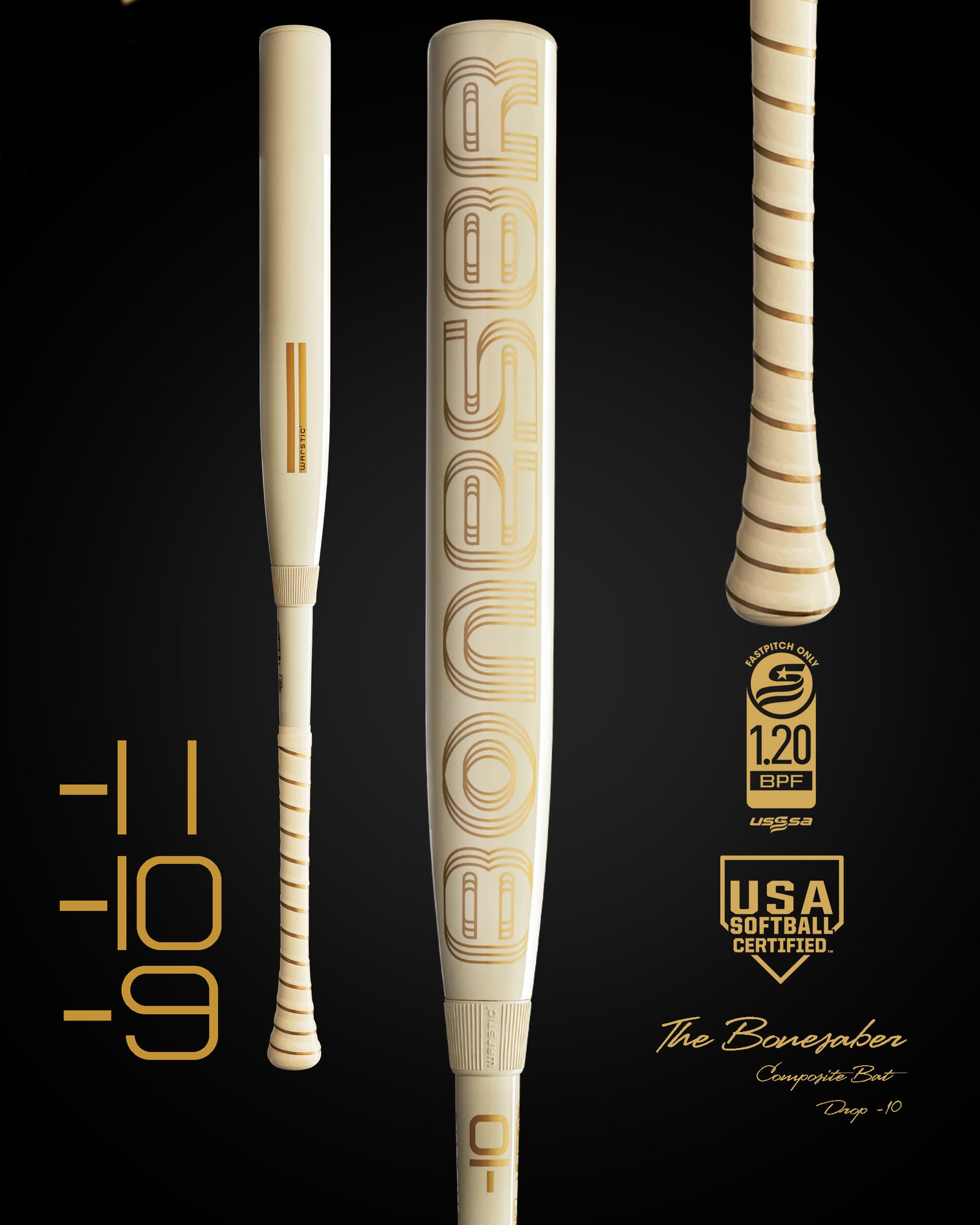
Smaller or less experienced players may want to consider a drop 11 bat. The lighter weight can help them swing faster and hit the ball more consistently. This can help boost their confidence and motivate them to continue to improve.
Tailoring to Strength and Experience
It’s crucial to tailor the bat’s weight to the player’s strength and experience. Players who are stronger or more experienced may favor a bat that’s a bit heavier to give them more power. On the other hand, players who are still building their strength or are just starting out in the game may find a lighter bat that enables quicker swings helpful.
When it comes to selecting the perfect bat for young players, there are several elements to take into account. These include their age, height, weight, strength, and skill level. By striking the right balance between length and weight, you can ensure they can improve their skills and get the most enjoyment out of the game.
Advice for Trying and Picking the Ideal Bat
It is important to test a bat before buying it to make sure it is the right fit for the young player. You want to make sure the bat is comfortable and easy for the player to handle. Here are some tips to help you choose the right bat:
Use hand and arm tests to measure the bat’s length and weight.
Try out some swings in-store to get a feel for the bat.
Check for comfort and control to make sure the player can use the bat properly.
Hand and Arm Tests
A simple way to see if a bat is the right length is to have the player stand up straight and hold the bat vertically at their side. The bat’s end should come just below their hip. Another way is to have the player hold their arm out straight and hold the bat with their fingertips. If they can do this without straining, the bat is probably the right size. For more details, you can refer to this guide on sizing a youth baseball bat.
Trying Swings in the Store
Additionally, it’s important for the player to try out a few swings with the bat in the store to see how it feels. This can give them a sense of the bat’s balance and weight distribution. If the bat feels too heavy or unbalanced when they swing it, it may not be the best option. For more tips on improving your swing, check out these youth baseball hitting tips.
Comfort and Control Considerations
The most important factor is that the bat should feel comfortable and easy to control. The player should be able to swing the bat smoothly without feeling strained. A bat that offers good control will help the player make consistent contact with the ball, boosting their confidence and performance.
What to Think About: League Rules and Regulations
When you’re picking out a bat, it’s also important to think about the rules and regulations of the league. Different leagues might have different requirements for the size, weight, and material of the bat. Making sure the bat follows these rules will keep you from running into any problems during games.
USABat Guidelines
In youth baseball, the USABat standard is often the norm. This guideline ensures bats meet certain performance and safety standards. It’s important to check if the bat you’re looking at has the USABat stamp, as many leagues mandate it. For more on youth baseball training, check out these functional training techniques.
Search for the USABat logo on the bat.
Confirm the bat adheres to the league’s length and weight limitations.
Restrictions Specific to the League
There might be extra restrictions or guidelines for bats in some leagues. Checking with the league to comprehend any particular rules they might have is crucial. This might encompass limitations on the materials of the bat, the diameter of the barrel, or the drop weight.
Wrapping Up: Choosing the Right Bat
When it comes down to it, choosing the best bat for young players means taking into account a number of different factors, including the player’s age, height, weight, strength, and skill level. By testing out the bat’s length, weight, and feel, and making sure it meets league regulations, you can help the player find the perfect bat to improve their game and increase their love of the sport.
The Importance of Selecting the Correct Bat
The right bat selection can greatly affect a young player’s game and self-assurance. A bat that fits well allows the player to swing with ease and hit the ball consistently. This will not only enhance their abilities but also make the game more fun, as discussed in effective training drills.
Boosting Confidence and Performance
A bat that feels good in a player’s hands can help to increase their confidence. When they are comfortable with their bat, they can concentrate more on their swing and hitting technique. This can help to improve their performance on the field and increase their enjoyment of the game.
Common Questions
What is the Ideal Bat Length for a 10-Year-Old?
The ideal bat length for a 10-year-old usually varies from 28 to 30 inches, based on their height and weight. Shorter players may prefer a 28-inch bat, while taller players may prefer a 30-inch bat.
How Can I Tell if a Bat is Too Heavy?
If the player has trouble swinging the bat in a smooth motion or if it feels off-balance when they swing, the bat may be too heavy. A bat that is too heavy can slow down their swing and make it harder for them to hit the ball.
What Does Drop Weight Mean?
Drop weight is the difference between the length of the bat (in inches) and the weight of the bat (in ounces). So, if a bat is 30 inches long and has a drop weight of -10, it weighs 20 ounces. The drop weight can help you figure out the balance and swing speed of the bat.
Does a Lighter Bat Increase Swing Speed?
Indeed, a lighter bat can increase swing speed, particularly for younger or less skilled players. A lighter bat enables them to swing more quickly and make more solid contact with the ball, which can improve their performance.
Can League Regulations Impact Bat Selection?
Indeed, league regulations can impact bat selection. Various leagues might have particular criteria for bat dimensions, weight, and substance. It’s crucial to consult with the league to confirm that the bat adheres to their rules and guidelines. For more information, you can refer to this Baseball and Softball Bat Size Chart.

Leave a Reply