Main Points
Selecting the right bat can greatly improve a young player’s hitting.
Correct stance and grip are key to balance and power in hitting.
Weight transfer and footwork techniques are important for power generation.
Regular practice and ball focus can improve hitting precision.
Drills and mindset strategies can build confidence and enhance skills.
Young Hitters Ages 8-12: Top Hitting Strategies & Tips
Basic Concepts of Hitting
Every successful hitter begins with a strong foundation. It’s important for young hitters to understand the fundamental concepts of hitting, including correct stance, grip, and swing mechanics. Mastering these basics will pave the way for more complex techniques.
Stability
Synchronization
Rhythm
Strength
These components all combine to form a potent and reliable swing. We’ll break down each element to help young batters enhance their performance.

Finding the Perfect Bat
The first step in creating a powerful hitter is selecting the perfect bat. The bat needs to be the right length and weight for the player’s size and strength. If a bat is too heavy or too long, it can negatively affect performance and create bad habits.
Here’s some advice for picking the right bat:
Take the player’s height and weight measurements.
Go for a bat length that extends to the player’s hip when they’re standing straight.
Choose a bat that’s lighter for younger players for better control.
Check the bat’s grip to make sure it’s comfortable for the player.
Finding the right bat can significantly improve a player’s hitting skills. It’s worth it to spend some time to find the perfect match.
The Right Way to Stand
How you stand at the plate is the most important part of a good swing. If you stand correctly, you’ll have better balance and be able to hit the ball harder and more accurately. Here’s how to get into the right position.
Getting Ready at Home Plate
Begin by standing with your feet as wide as your shoulders. This stance gives you balance and the ability to swing hard. Keep your knees a little bent so you’re loose and prepared to move. For more tips, check out these hitting techniques.
Then, position your body so it’s at a right angle to the pitcher, with your front shoulder facing the pitcher’s mound. This position aids in following the ball and getting ready to swing.
Keeping Your Balance and Posture
Being balanced is crucial to a great hit. Spread your weight evenly on both feet, leaning a bit towards the balls of your feet. This stance will keep you nimble and ready to respond to the pitch.
Stand up straight and keep your head steady. Keeping your posture upright makes sure you can see the ball clearly and react quickly. A balanced stance sets you up for a strong and controlled swing.
How to Hold the Bat
The way a batter holds the bat has a big effect on their swing. Holding the bat correctly gives the batter control and strength, which are both important for hitting the ball well.
Proper Bat Holding
When holding the bat, the hands should be close to each other, with the stronger hand on top. The hold should be strong, but not too firm. A more relaxed grip allows for better speed and control of the bat.
Make sure the knuckles of both hands are lined up. This helps keep your swing path steady and gives you more power.
Hand Placement for a Powerful Swing
Place your hands just above your back shoulder, with your elbows slightly bent. This stance allows for a swing that is both fast and powerful. Keeping your hands close to your body helps to maintain control and balance. For more tips on improving your hitting, check out this guide on hitting drills for kids.
When the pitch is coming, the hands should go straight to the ball. Don’t drop the hands or pull them away from the body because it can cause weak or off-target hits.
Footwork and Weight Shifting
Footwork and weight shifting are key to creating power in a swing. The right technique guarantees that the player can hit the ball with the most force. For more insights, check out these hitting drills for kids.
Mastering the Perfect Step
The step should be tiny and managed, just a few inches forward. This action aids in moving the weight to the front foot, creating power for the swing. For more techniques, check out these tips to improve batting average.
Always maintain a consistent step and avoid stepping too far, as this can cause you to lose balance and control. Make sure to practice your step so it feels smooth and natural. For more tips on improving your batting technique, check out these techniques to improve batting average.
Using Weight Shift for Stronger Hits
When the player steps forward, they should shift their weight from the back foot to the front foot. This weight transfer creates momentum and power for the swing.
Make sure to concentrate on a calm and steady shift in weight. Do not lunge or lean too far forward because this can result in a swing that is off-balance. A good weight shift is critical for hitting the ball with the most power.
Keeping Your Eye on the Ball
It’s crucial to keep your eye on the ball to make good contact. Training your eyes to follow the ball can increase your hitting precision and reliability.
Teaching Your Eyes to Follow the Ball
Begin by focusing on the point where the pitcher releases the ball. This will help you see the ball sooner and follow its path. Try to keep your eyes on the ball from the instant it leaves the pitcher’s hand until it hits the bat.
Improve focus by using drills that simulate game situations. For instance, have the player call out the type of pitch as it’s thrown. This drill helps them to improve their ability to recognize and respond to different pitches. For more tips, check out this guide on teaching hitting strategies.
Exercises to Enhance Concentration
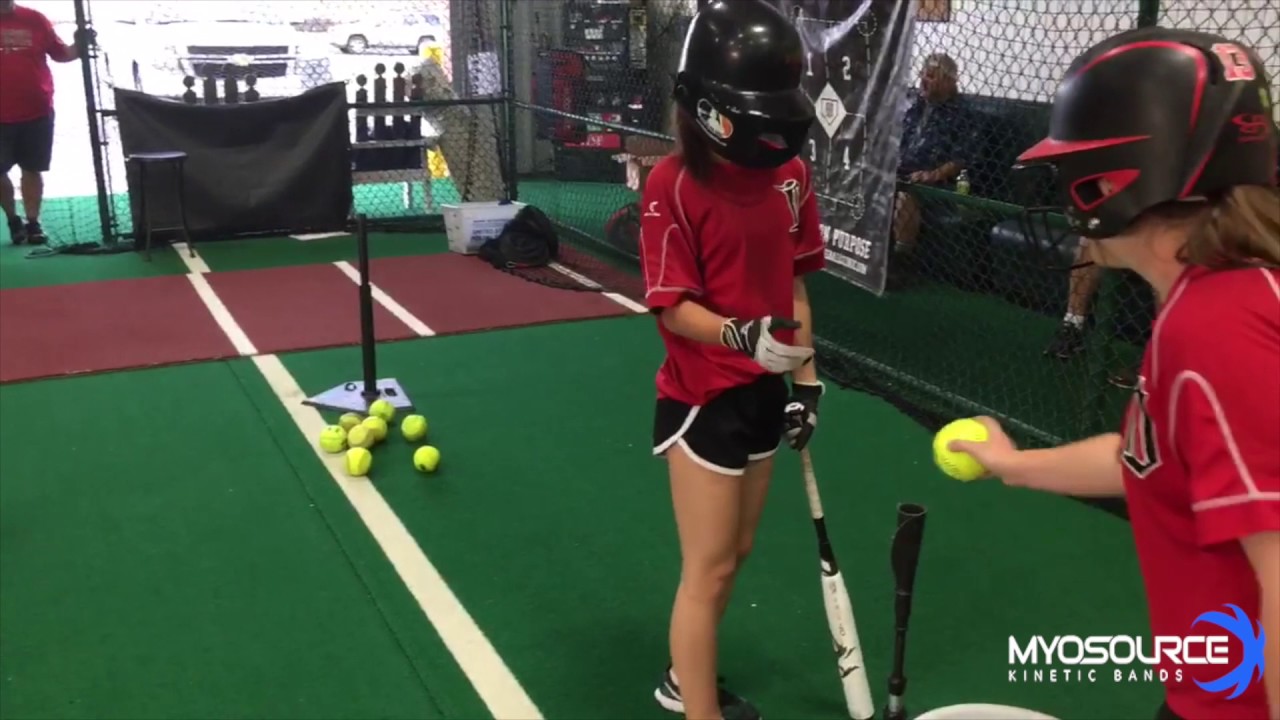
There are many exercises that can help enhance concentration and tracking abilities. One such exercise that has proven to be effective is the “soft toss,” where a coach or teammate tosses the ball underhand from the side. The player focuses on making solid contact with the ball.
Practicing with a batting tee is another great tip. This lets the young batter pay attention to the way they swing and making sure they hit the ball the same way every time. Move the tee up and down and around to pretend like it’s different types of pitches.
Regularly working on these drills can help a player concentrate on the ball and improve their ability to hit accurately. For more techniques, check out these tips and drills for young hitters.
Working on the Swing
Working on the swing is where all the basic principles come together. Regular practice assists young hitters in developing muscle memory and improving their technique. By breaking down the swing into smaller parts, it becomes simpler to comprehend and enhance.
Regular practice with attention to every part of the swing is crucial. This strategy allows the player to make changes and develop a reliable and strong swing.
Understanding the Mechanics of Swinging
There are several important aspects to the mechanics of swinging: how you stand, how you hold the bat, the step you take, how you shift your weight, and how you follow through. Each of these elements is vital to making a strong and precise swing.
Begin with the stance, making sure the batter is balanced and prepared to move. Then, concentrate on the grip and the positioning of the hands to maintain control and power. The step should be small and controlled, resulting in a smooth weight transfer.
The follow-through is the final part of the swing, which is important for maintaining balance and control. By breaking down the mechanics of the swing, players can better understand each part and how they all work together.
Stance: Balanced and ready
Grip: Firm but relaxed
Stride: Small and controlled
Weight Shift: Smooth and consistent
Follow-Through: Complete and balanced
Establishing a Consistent Swing Path
A consistent swing path is crucial for making solid contact with the ball. The swing path should be level and direct, allowing the bat to meet the ball squarely.
Get used to swinging in a straight line, with an emphasis on maintaining a steady path. Utilize exercises like hitting off a tee or soft toss to strengthen the swing path. A consistent swing path results in more precise and stronger hits.
Why Follow-Through Matters
Follow-through is the last step in the swing sequence. It helps the batter keep their balance and generate the most power. Even though it’s frequently ignored, it’s vital for making a good hit.
“The difference between a feeble grounder and a strong line drive is a good follow-through.” – Joey Myers
Let’s dive into how to guarantee a full follow-through and exercises to enhance it.
Guaranteeing a Full Follow-Through
To guarantee a full follow-through, concentrate on ending the swing with the bat elevated and the body steady. The player’s weight should be totally shifted to the front foot, and the back foot should pivot naturally.
Recommend that the player hold their follow-through position for a beat. This habit helps build muscle memory and balance. A full follow-through offers the most power and control. For more tips, check out these hitting techniques.
Workouts to Boost Follow-Through
There are numerous workouts that can enhance follow-through. One such workout is the “high finish” workout. This workout requires the player to concentrate on completing the swing with the bat held high and the body in a balanced position.
A great drill to try is the “one-handed finish” drill. The player swings with one hand and tries to stay balanced and in control during the follow-through. This drill helps build strength and coordination.
“Regularly working on follow-through drills can improve a player’s balance and power, resulting in better hits.” – Joey Myers
Developing Self-Assurance When Batting
Self-assurance is key to effective hitting. A self-assured player is likely to remain calm and concentrated when batting. Developing self-assurance requires both mental and physical preparation.
We’re going to delve into some mental strategies and visualization methods to boost the confidence of young hitters.
Psychological Approaches for Youth Batters
It’s crucial to cultivate a positive mindset to foster self-assurance. Motivate the athletes to dwell on their strong points and achievements. Reiterate to them that every player fumbles, and that it’s a chance to grow and refine their skills.
Establish realistic objectives and acknowledge improvements. Encouraging feedback aids in the development of self-worth and assurance. A robust attitude can greatly impact a player’s performance.
Imagining Success
Imagination can be a strong tool in building confidence. Ask players to imagine themselves hitting the ball with success. This mental exercise aids in creating a positive image and improving confidence.
Ask the player to shut their eyes and picture a successful hit. They should concentrate on the specifics of the swing, the noise of the bat, and the sensation of contact. Visualization aids in emphasizing positive results and boosting confidence. For more tips, check out these techniques to improve batting average.
Hitting Skills Improvement Drills
By practicing particular drills, hitting skills can be greatly improved. These drills focus on various elements of the swing and assist in building consistency and power.
Let’s take a look at some great drills for young batters. For more information on the best hitting approach to teach youth players, check out this article.
Tee Work for Rookies
Tee work is one of the top drills for rookies. It gives players a chance to concentrate on their swing techniques without the stress of a moving ball. Change the height and spot of the tee to mimic various pitches. For more tips, check out these hitting drills for kids.
Pay attention to your balance and how you hold the bat.
Work on your stride and shifting your weight.
Make sure you follow through completely.
Working with a tee regularly can help you build muscle memory and improve your swing.
Soft Toss Exercises
Soft toss exercises are when a coach or partner tosses the ball underhand from the side. This exercise is a great way to work on hand-eye coordination and timing. The goal is to make solid contact with the ball and keep your swing path consistent.
Soft toss drills are an excellent method for practicing hitting in a controlled setting. They offer instant feedback and let batters tweak their swing.
Practicing with Live Pitching
Practicing with live pitching is a great way to simulate game conditions and build confidence and timing. Start with slower pitches and gradually increase the speed. It’s important to focus on watching the ball from the moment it leaves the pitcher’s hand until it makes contact with the bat.
Practicing against live pitching is key to getting players ready for real games. It builds their confidence and helps them get better at hitting when the pressure is on.
Essential Tactics for Game Scenarios
Grasping essential tactics for game scenarios can boost a player’s performance. Recognizing how to discern pitch types and comprehending count tactics are vital for making intelligent choices at the plate.
Let’s dig deeper into these hitting strategies.
Recognizing Different Types of Pitches
Being able to distinguish between various types of pitches can give batters an edge. Coaches should instruct players to pay attention to how the pitcher is holding the ball and where they release it from. The most frequently seen pitches are fastballs, curveballs, and change-ups.
During batting practice, work on identifying different types of pitches. This will help you know what to expect and hit the ball more accurately.
Knowing the types of pitches and how to count them can make a big difference in how well a player hits. These strategies help players make good choices and stay focused when they’re at bat.
Regularly doing these exercises can help a player concentrate on the ball and hit more accurately.
Mastering the Swing
Mastering the swing is where all the basic elements come together. Regular practice enables young hitters to build muscle memory and fine-tune their approach. Dividing the swing into smaller parts makes it simpler to comprehend and enhance.
It’s crucial to make sure you practice often and pay attention to each part of the swing. This method guarantees that the player can make changes and develop a reliable, strong swing.
Understanding the Steps of the Swing
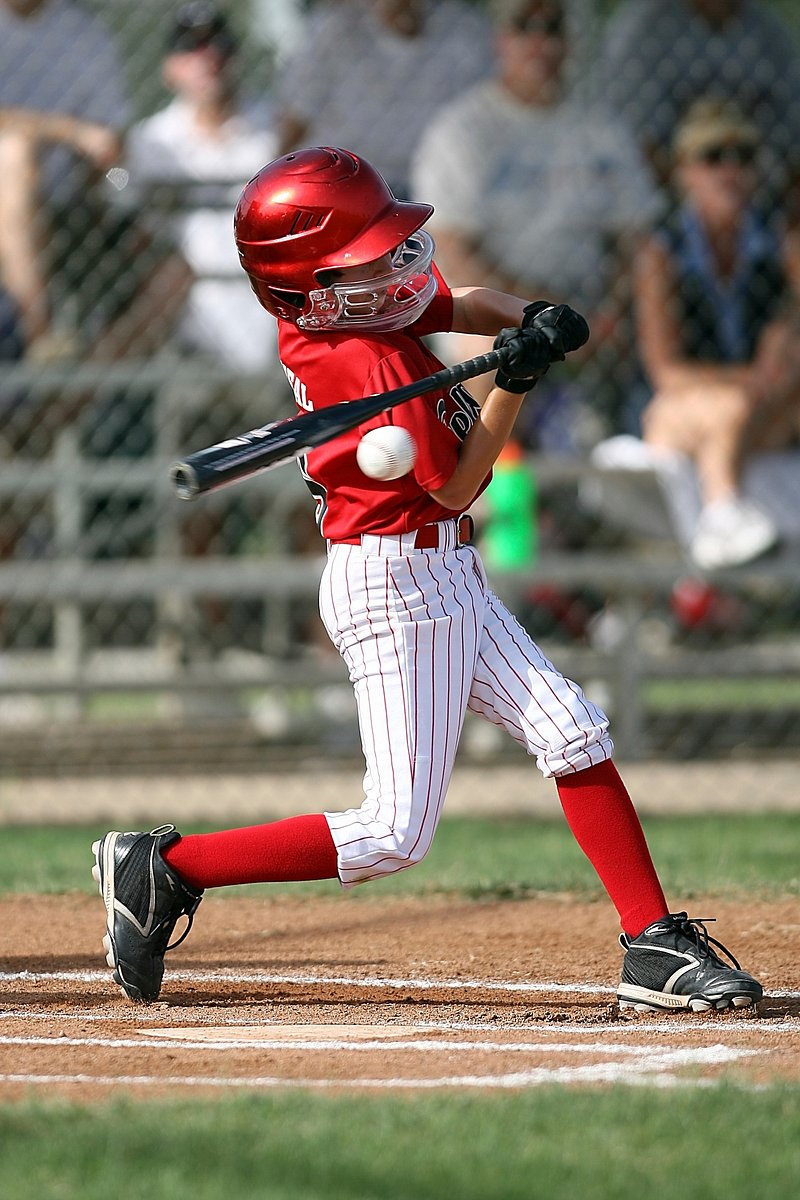
The swing process includes a few important steps: how you stand, how you hold the bat, the step you take, how you shift your weight, and your follow-through. Each part is critical in making a strong and precise swing.
Begin by checking the batter’s stance, making sure they are balanced and prepared to move. Then, concentrate on the grip and the position of the hands to keep control and power. The step should be small and controlled, resulting in a smooth transfer of weight.
Lastly, the follow-through finishes off the swing, making sure that the player keeps their balance and control. When you break down the swing mechanics, it helps players understand each part and how they work togeth
Creating a Regular Swing Path
A regular swing path is crucial for making firm contact with the ball. The swing path should be flat and direct, enabling the bat to connect with the ball squarely. For more techniques to improve your swing, check out these tips and drills for young hitters.
Work on swinging in a straight line, with an emphasis on keeping the path consistent. Drills such as hitting off a tee or soft toss can help solidify the swing path. When the swing path is consistent, it results in hits that are both more accurate and more powerful.
Why Follow-Through Matters
The follow-through is the last part of the swing. It helps the player stay balanced and hit the ball as hard as possible. It’s easy to forget about this part of the swing, but it’s very important for hitting the ball well.
“The difference between a weak ground ball and a powerful line drive is a strong follow-through.” – Joey Myers. Learn more about hitting back leg power tips to improve your game.
We’re going to look at ways to make sure your follow-through is complete and some exercises to help you get better at it.
Securing a Full Follow-Through
For a full follow-through, aim to end the swing with the bat elevated and the body steady. The batter’s weight should be entirely shifted to the front foot, and the back foot should rotate naturally. For more tips on improving your swing, check out these hitting drills for kids.
Advise the young player to pause in the follow-through position for a second or two. This helps them develop muscle memory and keep their balance. Following through completely gives them the most power and control.
Drills for Better Follow-Through
There are a variety of drills that can enhance follow-through. One drill that works well is called the “high finish” drill. This drill emphasizes ending the swing with the bat held high and the body in a balanced position.
A great activity for young batters is the “one-handed finish” exercise. The player swings with only one hand, making sure they stay balanced and in control during the follow-through. This exercise is great for building strength and coordination. For more tips on teaching youth players, check out this helpful guide.
“By practicing follow-through drills on a regular basis, a player can improve their balance and power, which can lead to more successful hits.” – Joey Myers
Boosting Self-Assurance During Batting
Being self-assured is an essential aspect of hitting well. A player who is self-assured is more likely to remain calm and concentrated during batting. Boosting self-assurance requires both mental and physical preparation.
We’re going to discuss some mental strategies and visualization methods that can help young batters gain confidence. For additional tips, check out these hand-eye coordination tips.
Psychological Tips for Young Hitters
It’s crucial to develop a positive mindset to build confidence. Encourage your players to concentrate on what they’re good at and their accomplishments. Remind them that every player messes up from time to time, and it’s a chance to learn and get better.
Create reachable targets and applaud improvement. Encouraging feedback aids in developing self-worth and assurance. A powerful mentality can greatly impact a player’s game.
Imagery Methods
Imagery is a strong technique for fostering self-assurance. Motivate players to picture themselves successfully hitting the ball. This mental drill aids in forming an optimistic image and strengthening self-assurance.
Ask the batter to shut their eyes and envision a perfect hit. They should concentrate on the specifics of the swing, the noise the bat makes, and the sensation of contact. Visualization aids in emphasizing positive results and enhancing self-assurance.
Improving Batting Skills with Drills
By practicing certain drills, you can greatly improve your batting skills. These drills target different parts of the swing and can help you develop both consistency and power. For more detailed techniques, check out these tips and drills to improve your batting average.
We’re going to delve into some successful exercises for young batters, including tips and drills to improve batting average.
Tee Drills for Newbies
Tee drills are one of the best exercises for newbies. It lets players concentrate on their swing techniques without the stress of a moving ball. Change the height and location of the tee to mimic various pitches.
Concentrate on maintaining a balanced position and holding the bat correctly.
Work on your stride and shifting your weight.
Make sure to follow through completely on your swing.
Regular practice with a batting tee can help develop muscle memory and improve your swing technique.
Underhand Toss Drills
Underhand toss drills require a coach or partner to gently toss the ball from the side. This drill is excellent for improving hand-eye coordination and timing. The goal is to make solid contact with the ball and keep a consistent swing path.
Soft toss drills are an excellent tool for practicing hitting in a controlled setting. They give instant feedback and allow players to tweak their swing. For more tips on how to help a player out of a batting slump, check out this Quora discussion.
Practice with Live Pitching
Practicing with live pitching can mimic the conditions of a real game and help batters improve their timing and confidence. Start with slower pitches and gradually speed up. The key is to focus on tracking the ball from the moment it leaves the pitcher’s hand to the moment it makes contact with the bat.
Practicing against live pitching is crucial for getting players ready for actual game situations. It’s a great way to build confidence and improve hitting skills when the pressure is on.
Essential Tips for Game Scenarios
Grasping essential tips for game scenarios can boost a player’s skills. Being able to recognize pitch types and understanding count strategy are key to making wise choices at the plate.
Let’s dive deeper into these strategies.
Recognizing Different Types of Pitches
One of the best ways to get an edge at bat is to recognize the different types of pitches. Teach your players to watch for the pitcher’s grip and release point. The most common types of pitches are fastballs, curveballs, and change-ups.
During batting practice, make it a point to practice identifying the types of pitches. This will help you predict the pitch and make better contact with the ball.
Grasping the Concept of Count Strategy
Count strategy is all about knowing the count (balls and strikes) and making your decisions based on that. So, when there are no strikes, a player can afford to be pickier. But when there are two strikes, they need to guard the plate and be ready to swing at anything that’s close. For more tips on improving contact and performance, check out these hitting drills for kids.
Helping young batters learn to think about the count can improve their decision-making skills and keep them engaged when they’re up to bat. This can result in more hits and improved performance on the field.
Typical Errors and How to Prevent Them
Even the most skilled batters make errors. Recognizing typical errors and how to prevent them can assist young athletes in enhancing their performance. Let’s examine two typical batting errors and how to correct them.
How to Stop Hitting Pop-ups
Pop-ups are a frequent issue for young batters. They happen when the batter swings below the ball, making it soar into the sky. To correct this, concentrate on keeping the swing even and hitting the center of the ball.
Encourage your young player to take swings off a tee, focusing on keeping their swing level. Emphasize the importance of keeping their eyes on the ball and making solid contact. With consistent practice, this can help reduce pop-ups and improve their hitting accuracy.
How to Not Over-swing
When a player over-swing, it means they’re trying to hit the ball too hard. This can cause them to lose control and balance. Instead, they should focus on a smooth and controlled swing. It’s more important to make contact with the ball than to hit it with a lot of power.
Swing at a speed that feels comfortable, ensuring balance and control are maintained. The batter should stay relaxed and let the bat do the work. A controlled swing will result in better contact and more consistent hits.
Unleashing the Catapult Loading System
The Catapult Loading System has the potential to change a young batter’s game. This system is designed to increase power without compromising swing quality. It’s a step-by-step guide that can help players hit the ball harder and more consistently.
Groundbreaking Batting Technique
The Catapult Loading System is a technique rooted in human movement science that has been shown to assist batters of all sizes. It emphasizes critical principles such as weight shifting, maintaining balance, and correct swing mechanics. This technique can help players who weigh under 100 pounds consistently hit the ball over 300 feet.
“At last! You can significantly enhance your strength without compromising the quality of your swing thanks to this ‘must-have’ course.” – Joey Myers
Step-by-Step Guide
The Catapult Loading System is a comprehensive, step-by-step guide to improving hitting performance. It includes six detailed video modules, which cover everything from swing mechanics to power development drills. In addition, the system includes a secret bonus module on opposite field power and how to fix common hitting mistakes.
If you want to learn more about the Catapult Loading System and how it can benefit young hitters, click here to sign up. You can access this mini-course with a one-time payment of $47, and it includes free additional resources to supplement your training.
Wrapping Up: How to Be a Great Hitter
It takes time, practice, and dedication to become a great hitter. By focusing on the foundational principles, practicing regularly, and using advanced techniques like the Catapult Loading System, young players can significantly improve their hitting performance.
Keep Learning and Practicing
Hitting is a skill that needs to be constantly learned and practiced. Players should be encouraged to stay curious and open to new techniques. Regular practice helps develop muscle memory and refine skills. For additional tips on improving your hitting technique, check out these hitting back leg power tips.
Stick with it and enjoy the journey. You’ll get better and achieve your goals with steady work. For more tips on improving your skills, check out these techniques to improve batting average.
Encouraging Determination and Grit
Being determined and having grit are essential to becoming a good batter. Let your players know that all the best batters were once beginners. Inspire them to keep their eyes on the prize and to keep trying, even when things get tough. For more insights, check out this article on teaching the best techniques.
Encourage young players to have confidence in themselves and their skills. Through hard work and commitment, they can reach their goals and become excellent batters.
Common Questions
What’s the most effective batting stance for kids?
The most effective batting stance for kids is one that they find comfortable and allows them to maintain balance. They should stand with their feet about as wide as their shoulders, knees slightly bent. They should be standing so they are facing the pitcher sideways, and their weight should be distributed evenly.
What is the proper way for young players to hold the bat?
Young players should grip the bat firmly but not too tightly. The hand that they write with should be on top, and the knuckles should line up. The hands should be placed a little higher than the back shoulder, with the elbows a bit bent. For more techniques, check out these tips to improve batting average.
What drills are the most important to do at home?
The most important drills to do at home are tee work, soft toss drills, and dry swings. These drills are helpful in improving swing mechanics, hand-eye coordination, and consistency. By practicing these drills regularly at home, you can greatly enhance your hitting performance.
What can parents do to help their child hit better?
Parents can help their child hit better by giving them support and motivation. Practice with them often, focusing on the basic principles of hitting. Think about signing them up for programs like the Catapult Loading System for more advanced training.
What is the Catapult Loading System?
The Catapult Loading System is a game-changing hitting program that’s based on the science of human movement. It offers a detailed guide to increase power and enhance the quality of the swing. The system comes with video modules, drills, and more resources to assist hitters of all sizes. For more tips on teaching youth players, check out this hitting approach.
What is the significance of follow-through in a swing?
Follow-through is significant as it aids in maintaining balance and maximizing power. A full follow-through aids in making solid contact with the ball and improves the overall swing mechanics.
What are the usual hitting errors to look out for?
Usual hitting errors include swinging too hard, incorrect grip, and bad balance. To steer clear of these errors, concentrate on keeping a controlled swing, correct hand placement, and a balanced posture. Regular training and exercises can aid in rectifying these problems. For more insights, check out the best hitting approach to teach youth players.

Leave a Reply