Top Tips
Correct swing timing is crucial for hitting the ball with both power and precision.
A good swing is built on a balanced stance and the right grip.
Your timing can greatly improve with visualization and rhythm drills.
Consistent swing mechanics can be developed with the use of batting tees and pitching machines.
Regular practice and video analysis can help you track your progress and make any necessary changes.
How to Begin Mastering the Perfect Baseball Swing Timing
Mastering the perfect baseball swing timing can seem like a huge challenge, but with the right methods and commitment, young athletes can greatly enhance their hitting performance. Timing is everything in baseball, and getting it right can mean the difference between a strikeout and a home run.
Now let’s get into why it’s so important to master timing and the advantages it gives you in the game.

The Importance of Perfecting Your Timing
In the game of baseball, the timing of your swing is crucial in determining how well you hit the ball. When you have good timing, you can connect with the ball squarely, sending it soaring with force and accuracy. If your timing is off, however, you may end up with weak hits or completely missing the ball.
Furthermore, good timing enables you to adjust to a variety of pitches, such as fastballs, curveballs, or change-ups. It allows you to respond rapidly and make necessary changes during the game.
Advantages of Perfect Swing Timing
There are several advantages to perfecting your swing timing, including improved bat speed and hitting power. For more tips on enhancing your swing, check out these home drills to increase bat speed.
Increased Power: When your timing is just right, you can produce more force and hit the ball harder.
Better Accuracy: Good timing allows you to make better contact with the ball, increasing your chances of hitting it where you want it to go.
Consistency: Consistent timing leads to consistent performance, making you a reliable hitter.
Confidence: Knowing you can time your swings well gives you confidence at the plate.
Key Elements of a Perfect Baseball Swing
To get perfect swing timing, you need to pay attention to several key elements of your swing. Each element plays a key role in making sure that your swing is both powerful and accurate. For more insights, check out these youth baseball hitting drills to improve your performance.
Position and Stability
Your position is the basis of your swing. A suitable position offers stability and balance, which are crucial for a robust swing. Here are some suggestions for a correct position:
Foot Placement: Maintain a shoulder-width distance between your feet for balance.
Slight Knee Bend: Keep your knees slightly bent to stay agile and ready to move.
Balance: Keep your weight evenly distributed on the balls of your feet.
How to Hold the Bat
The way you hold the bat can affect your control and power. Here’s how to do it correctly:
Top Hand: Your top hand should be positioned just above your bottom hand on the bat, with your knuckles aligned.
Bottom Hand: Make sure you’re holding the bat firmly, but not too tight. This allows for quick wrist action.
Relaxed Grip: It’s important to keep your grip relaxed. This helps maintain flexibility and avoid tension.
Understanding Bat Path Mechanics
The path your bat takes as you swing is crucial to making solid contact with the ball. Here are some things to focus on:
Swing Level: To maximize your odds of squarely hitting the ball, try to swing level.
Follow Through: Make sure your bat follows through after contact to keep the power and direction.
Wrist Action: Quickly snap the bat through the strike zone using your wrists.
Follow-Through Specifics
A good follow-through is the icing on the cake of a perfect swing. It makes sure all the power from the swing is transferred to the ball. Here are a few tips:
For more detailed guidance on improving your swing, check out these youth baseball hitting drills.
Follow Through: Don’t stop your swing abruptly; let it follow through naturally.
Full Body Rotation: Allow your body to rotate fully to maximize power.
Finish with Balance: End your swing in a balanced position, ready for the next play.
Why Timing is Crucial
Now that we’ve covered the key elements of a perfect swing, let’s focus on why timing is so important.
The Influence of Timing on Power and Precision
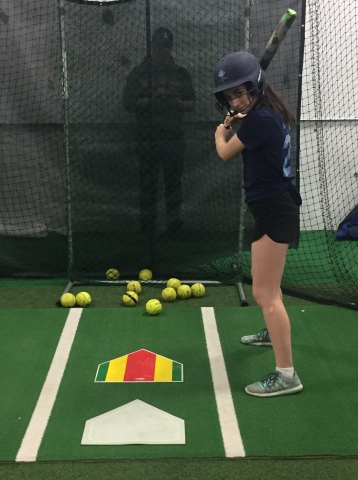
Your swing’s timing influences both its power and precision. If your swing is timed perfectly, you’ll be able to hit the ball with the greatest amount of force, propelling it further and faster. Furthermore, accurate timing gives you more control over where your hit goes, making it easier to get the ball exactly where you want it. For young players looking to improve, mastering batting techniques is crucial.
Recognizing Pitches and Quick Reactions
Being able to react quickly to a variety of pitches is key to perfect timing. The faster you can identify the pitch that’s coming, the better you can adapt your swing. To improve your reaction time and make better contact with the ball, work on recognizing pitches through hitting drills.
Improving Consistency and Performance
When you can consistently time your swings, you become a more dependable hitter. This consistency can lead to better overall performance and more success on the field.
Effective Tips to Enhance Swing Timing
Enhancing your swing timing requires effort and commitment. Here are some effective tips to assist you in beginning.
Using Your Imagination to Improve Your Swing
Imagining your swing can be a great way to improve your timing. By picturing yourself making the perfect swing, you can teach your mind to react faster and more precisely. Here’s how to use your imagination to improve your swing:
Shut Your Eyes: Shut your eyes and picture yourself at the plate.
Imagine the Pitch: Visualize the pitcher throwing the ball and concentrate on the ball’s path.
Watch the Swing: Imagine yourself swinging the bat and hitting the ball perfectly.
Visualization Strategies
Visualization is a potent method for enhancing your timing. By imagining yourself making flawless swings, you can condition your brain to respond more swiftly and precisely. Here’s how to apply visualization strategies:
Shut Your Peepers: Shut your eyes and imagine yourself up to bat.
Imagine the Pitch: Envision the pitcher throwing the ball and concentrate on the path of the ball.
Visualize the Swing: Picture yourself swinging the bat and making a flawless connection with the ball.
Work on Rhythm Drills
Rhythm drills are critical for cultivating a sense of timing and uniformity in your swing. These drills assist you in finding a rhythm, which makes it easier to time your swing perfectly. Here are some effective rhythm drills:
Step Drill: Try to step forward with your front foot at the same time the pitcher releases the ball. This can help align your step with your swing.
Counting Drill: Count out loud as the pitcher winds up and releases the ball. This can help you develop a sense of timing and rhythm.
Metronome Drill: Use a metronome to practice your swing. Set the metronome to a comfortable tempo and try to time your swing with the beats.
How to Use Batting Tees and Pitching Machines
Batting tees and pitching machines are great tools for practicing your swing timing. They let you concentrate on your mechanics and timing without the stress of a live pitcher. Here’s how to use them effectively:
For additional drills and tips, you can explore more batting timing drills that can further enhance your skills.
Using Batting Tees: Arrange a batting tee at varying heights and work on hitting the ball off the tee. Concentrate on timing your swing to make firm contact.
Using Pitching Machines: Employ a pitching machine to practice hitting various types of pitches. Modify the speed and angle of the machine to mimic different pitching situations.
Beneficial Drills for Youth Players
Young players can gain a lot from particular drills meant to enhance swing timing. These drills are straightforward but efficient, assisting young athletes in establishing good habits from the start.
Practicing with Shadow Batting
Shadow batting is an excellent method to practice your swing without a ball. It lets you concentrate on your mechanics and timing. Here is how to do it:
Get into Position: Get into your batting stance as if you were about to hit a ball.
Swing: Pretend to hit an invisible ball. Concentrate on your timing and follow-through.
Do it Again: Repeat the drill a few times, focusing on making each swing smooth and consistent.
Timing with Your Lead Foot
The timing of your lead foot is critical for a well-timed swing. This drill will help you sync your lead foot with your swing. Here’s how to do it:
Take a Step: As the pitcher lets go of the ball, take a step forward with your leading foot.
Take a Swing: As your leading foot touches the ground, swing the bat. Make sure your swing is in sync with your step.
Repeat: Keep doing this drill, focusing on getting the timing of your step and swing just right.
Soft Toss Drills
Soft toss drills are great for practicing your swing timing. They involve a partner tossing the ball gently, so you can concentrate on your timing and mechanics. Here’s how to do it:
To further improve your skills, you can also explore best hitting strategies for young batters.
Preparation: Have a friend or coach stand a few feet away and gently toss the ball to you.
Concentration: Concentrate on timing your swing to hit the ball solidly.
Practice: Practice the drill several times, changing the speed and direction of the toss to mimic different pitches.
Example of a Training Schedule for Improved Timing
Creating a regular training schedule is crucial for enhancing your swing timing. Here’s an example of a training schedule to get you started.
Weekly Practice Routine
By developing a weekly practice routine, you can make sure you’re practicing consistently and addressing all parts of your swing. Here’s a sample routine:
Monday: Practice visualization techniques and shadow batting exercises.
Tuesday: Do rhythm drills and front foot timing drills.
Wednesday: Spend time on batting tee practice and soft toss drills.
Thursday: Use a pitching machine for practice and revisit visualization techniques.
Friday: Repeat rhythm drills and shadow batting exercises.
Saturday: Again, work on batting tee practice and front foot timing drills.
Sunday: Rest day or light practice with a focus on visualization.
Using Video Analysis
Video analysis is a great tool for improving your swing timing. By capturing your swings on video and analyzing them, you can find areas that need improvement and make the necessary changes. Here’s how to use video analysis in your training:
For more tips on improving your batting, check out these techniques to improve batting average.
Take Videos of Your Swings: Use a smartphone or camera to record your swings from different angles.
Review the Videos: Watch the videos and look for areas where your timing is off or your mechanics need improvement.
Adjust Your Swing: Based on your review, make the necessary adjustments to your swing and practice them.
Monitoring Progress and Changes
Monitoring your progress is key to continuous improvement. By keeping a record of your practice sessions and the changes you make, you can see what works and what doesn’t. Here’s how to monitor your progress:
Keep a Journal: Write down your practice sessions, drills, and any adjustments you make to your swing.
Review Regularly: Regularly review your journal to see how you’re progressing and identify any patterns or areas for improvement.
Set Goals: Set specific, achievable goals for your swing timing and work towards them.
Overcoming Common Swing Timing Issues
Even with regular practice, you may encounter common swing timing issues. Here’s how to overcome them. For more tips, check out these batting timing drills.

How to Handle Swinging Too Early or Too Late
Swinging too early or too late can mess with your timing and negatively impact your game. Here’s how to handle these situations: consider practicing batting timing drills to improve your swing timing and overall performance.
Identify the Problem: Figure out if you’re swinging too early or too late and understand why.
Improve Your Timing: Work on getting your timing right by focusing on when the pitcher releases the ball and its path.
Practice Drills: Use drills like the front foot timing drill and rhythm drills to get better at timing.
“Swinging too early or too late can be frustrating, but with practice and the right drills, you can get better at timing and become a more consistent hitter.”
Check out these best hitting strategies for young batters to further improve your skills.
Keeping Your Timing in High-Stress Situations
Keeping your timing even when the pressure is on is key to performing well in games. Here’s how to stay on target and maintain a steady timing: check out these best hitting strategies for young batters.
Keep Your Cool: Deep breaths are key in maintaining composure and not letting the pressure get to you.
Stick to the Basics: Concentrate on the core components of your swing and timing to ensure consistency.
Train Like You Play: Create game-like scenarios during practice to get accustomed to performing under pressure.
Adapting to Various Pitch Speeds
Varying pitch speeds can disrupt your timing. Here’s how you can adapt:
Learn the Pitch: Train yourself to recognize different types of pitches and their speeds so you can adjust your swing timing.
Practice with a Pitching Machine: A pitching machine can help you practice hitting balls at various speeds.
Concentrate on Timing: Make sure to focus on timing your swing so that you can make solid contact with the ball, regardless of the pitch speed.
If you swing too early or too late, it can throw off your timing and negatively impact your performance. Here are some tips on how to correct this, including best hitting strategies for young batters:
Find the Root of the Problem: Figure out if you’re swinging too early or too late and find out why.
Change Your Timing: Work on changing your timing by paying attention to the pitcher’s release point and the path of the ball.
Practice Drills: Use drills like the front foot timing drill and rhythm drills to get better at timing.
“Swinging too early or too late can be annoying, but with enough practice and the right drills, you can get better at timing and become a more reliable hitter.”
Keeping Your Timing Even When the Pressure Is On
Keeping your timing even when the pressure is on is key to performing well in games. Here are some tips on how to stay focused and maintain a consistent timing:
Keep Your Cool: Don’t let the pressure get to you. Take a few deep breaths and stay calm.
Stick to the Basics: Remember the fundamentals of your swing and your timing. Consistency is key.
Train Like It’s Game Day: Practice as if you were in a real game. This will help you get used to performing under pressure.
How to Adjust Your Swing for Different Pitch Speeds
If the pitcher changes their speed, it can mess with your timing. Here’s how to adjust:
Recognize the Pitch: Practice recognizing different pitches and their speeds to adjust your timing accordingly.
Use a Pitching Machine: Use a pitching machine to practice hitting pitches at different speeds.
Focus on Timing: Focus on timing your swing to make solid contact with pitches at different speeds.
Advanced Techniques for Consistent Timing
For those looking to take their swing timing to the next level, advanced techniques can provide a significant boost. These methods are designed to refine your timing and improve your overall performance.
Mastering Pitch Tunnels
Understanding pitch tunnels can be a game changer for your swing timing. This concept helps you as a hitter to identify and react to various pitches, improving your timing and contact with the ball. Check out these techniques to improve batting average for more tips.
Spot the Route: Figure out the course of the pitch as it heads towards the plate.
Respond Appropriately: Modify your swing depending on the pitch’s path and velocity.
Train with Various Pitches: Use a pitching machine or live pitches to practice hitting from various routes.
Adopting Change in Practice
Adding change to your practice can assist you in becoming a more flexible hitter. By practicing different situations, you can enhance your timing and performance.
Mix Up Pitch Speeds: Get used to hitting pitches at varying speeds to better your reaction time.
Switch Up Pitch Locations: Get used to hitting pitches in varying locations to better your adaptability.
Recreate Game Situations: Make practice seem like a real game to better your timing under pressure.
Perfecting Stride and Load
Your stride and load are key parts of your swing. Perfecting these parts can help you better your timing and generate more power.
Stride Correctly: Your stride should be consistent and going in the right direction.
Load Effectively: Load your weight correctly to produce the most power.
Timing with Pitch: Time your stride and load with the release of the pitcher to improve your timing.
Conclusion: Your Journey to Perfect Timing
Perfecting the timing of a baseball swing is a journey that requires commitment, practice, and the correct methods. By focusing on the main elements of your swing, understanding the importance of timing, and using useful tips and drills, you can greatly improve your performance.
Wrapping Up
We’ve discussed the role timing plays in baseball, the components of an ideal swing, and actionable advice to enhance your timing. Be sure to pay attention to your position, hold, bat movement mechanics, and follow-through. To improve your timing, try visualization methods, rhythm exercises, and practice with batting tees and pitching machines.
Enjoying the Road to Progress
Enhancing your swing timing is an ongoing process. Love the journey and remain dedicated to your practice. Monitor your development, make the required changes, and continue to strive for your objectives.
Encouraging Continued Practice
Keep practicing and do it consistently.
Use video analysis to find areas that need improvement.
Use advanced techniques like pitch tunnels and variance in your training.
Remain calm and focused under pressure.
Adjust for different pitch speeds and locations.
By following these tips and staying committed to your practice, you can master the perfect baseball swing timing and become a more consistent and powerful hitter. For more drills to improve your performance, check out these youth baseball and softball hitting drills.
Commonly Asked Questions
When should kids start learning about swing timing?
There’s no such thing as too early when it comes to learning swing timing. As soon as kids start playing baseball, which is usually between the ages of 5 and 7, they can start working on their timing.
Start with simple drills and slowly introduce more complex techniques as they get better.
How frequently should young players do timing drills?
Young players should do timing drills on a regular basis to develop consistency. Try to do them at least 3-4 times a week, and use a variety of drills to keep practice sessions interesting and effective. For more tips, check out this guide for young batters.
What gear is necessary for timing training?
The necessary gear for timing training includes:
To enhance your training, it’s essential to have the right equipment. This includes a quality bat, a set of balls, a batting tee, and a pitching machine. For those looking to improve their hitting skills, consider incorporating hitting techniques that focus on back leg power. Proper gear and technique can significantly impact your performance.
Tees for batting
Machines for pitching
Baseballs
Gear for protection (helmets, gloves)
Devices for recording video for analysis
What can parents do to help their kids with swing timing?
Parents can assist their kids by:
Keep them motivated by cheering them on and making sure they practice often.
Help them out by organizing practice sessions and assisting with drills.
Use a video camera to record their swings so you can review them later.
Make sure they have all the equipment and resources they need.

Leave a Reply