Baseball and softball are games of skill, and nowhere is that more apparent than in fielding. Knowing where to be and when can make all the difference in a player’s performance. Today, we’re going to take a closer look at youth baseball and softball positioning drills, discussing why they’re important and how they can improve a player’s defensive game.
Key Takeaways
- Being in the right place at the right time is key to successful fielding in baseball and softball.
- Good footwork is a major part of positioning and fielding success.
- Drills should focus on adjusting positions based on the hitter and the pitcher.
- Communication between team members can improve fielding performance and reduce errors.
- Practicing these drills regularly can help young athletes build confidence and skill.
The Importance of Positioning Drills in Youth Baseball and Softball
Positioning drills are not just about being in the right place; they’re about anticipating the play and reacting quickly. These drills can help young athletes understand where they need to be and why. This understanding can lead to better plays and fewer errors in games.

The Importance of Proper Positioning
Proper positioning is the cornerstone of effective fielding. When players understand where to be and how to move, they can respond more quickly and accurately to the ball. This minimizes the potential for mistakes and maximizes the chances of successful plays. For instance, a fielder who anticipates a ground ball can position themselves to make a clean catch and throw.
Improving Fielding with Drills
Drills are a key tool for enhancing fielding skills. They provide players with the opportunity to practice specific movements and techniques over and over until they become automatic. This repeated practice helps build muscle memory, allowing players to respond instinctively during game situations. Drills also assist players in improving their hand-eye coordination and footwork, both of which are essential for effective fielding.
Important Positioning Skills
There are a few skills that are important for good fielding positioning. These include understanding how footwork plays a role, knowing how to make adjustments based on what’s happening in the game, and keeping good communication with your teammates. Let’s take a closer look at each of these.
Why Footwork Matters in Fielding
Footwork is essential in fielding. It allows players to move swiftly and effectively to the ball, setting them up for successful plays. Drills that focus on footwork help players develop the agility and speed they need to cover more ground and make challenging plays.
The “Four-Corner Drill” is a great exercise that requires players to move between four cones arranged in a square. This drill is excellent for practicing rapid changes in direction and enhancing a player’s ability to follow the ball while in motion. For more tips and techniques to improve kids’ baseball skills, check out this comprehensive guide.
Adapting to Hitters and Pitchers
Players need to be able to adapt their positioning based on the hitter and the pitcher. Knowing the habits of hitters and the kind of pitches being thrown can help players predict where the ball will go. This prediction allows them to position themselves more efficiently, raising their odds of making a play. To enhance these skills, players can practice with fielding drills for baseball that boost their defensive abilities.
For example, if a player knows that a hitter usually pulls the ball, they can place themselves slightly to the side where the ball will likely go. Also, knowing a pitcher’s style can help players predict the path of the ball and adjust their position as needed. For more tips, check out these infield drills for youth baseball players.
Teamwork and Dialogue
In baseball and softball, communication is crucial. Players must coordinate to cover the field efficiently and prevent accidents. Effective communication ensures that everyone is aware of their duties and obligations, resulting in more fluid plays and fewer mistakes.
Communication-focused drills can assist in the growth of these abilities. A “Calling Drill,” for instance, requires players to announce who will catch the ball, allowing them to practice verbal communication and teamwork. This drill also instructs players to have faith in their teammates and collaborate to make plays.
How to Determine the Right Distance for Fielding
Knowing how far to stand from the batter or the base is a critical part of fielding. Players need to understand this distance to maximize their fielding abilities. They should practice this distance in a variety of scenarios, such as different batter speeds or pitch types. Coaches can create drills where players practice adjusting their distance based on these factors. This will help players develop a strong sense of where they need to be on the field.
Fielding Practice Drills that Simulate Game Situations
Creating practice drills that simulate real game situations is a great way to get players ready for actual games. These drills can recreate various in-game situations, like having runners on base or a certain count on the batter, giving players the chance to practice their fielding and positioning under pressure. By making these situations as realistic as possible, players learn to think quickly and improve their ability to respond to the ball effectively.
Drills for Softball Positioning
Just like baseball, softball demands accurate positioning for effective fielding. While many of the principles are the same, there are drills designed to address the specific characteristics of softball. These drills emphasize swift moves and efficient fielding methods that are crucial for excelling in the game. For more on improving skills, check out these tips and techniques.
Mastering Quick Steps and Footwork
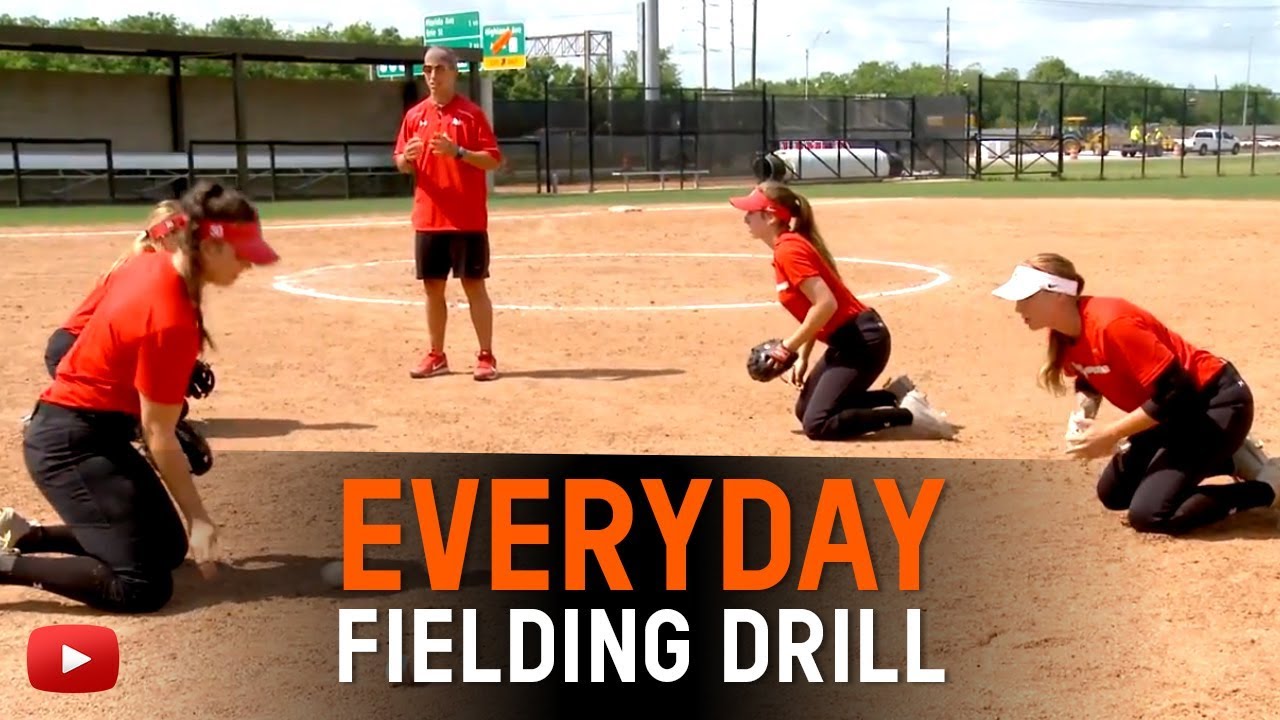
Quick steps and agile footwork are critical for fielders in softball. The field is smaller than in baseball, so players need to be even quicker. Drills that focus on quick lateral movements and rapid changes of direction can greatly improve a player’s ability to cover the field and make plays.
A drill that can be used to improve fielding skills is the “Lateral Shuffle Drill.” In this drill, players practice quickly moving from side to side. This helps to simulate the movements that are needed to follow and field a ball. The drill can also help players to build the speed and agility that they need to be effective fielders.
Improving Hand-Eye Coordination
Softball requires a high level of hand-eye coordination. Players need to be able to follow the ball from the pitcher’s hand all the way to their glove. Drills designed to improve this skill can have a significant impact on a player’s ability to catch and field the ball. Simple exercises, like the “Tennis Ball Toss,” where players catch and throw tennis balls, can help improve a player’s hand-eye coordination and reflexes.
Additionally, incorporating drills where players have to catch balls with their bare hands can help improve their hand-eye coordination. This forces players to pay closer attention to the ball, honing their ability to judge its speed and path.
Talking It Out on the Field
It’s important for young athletes to understand that good communication can make or break a game. In softball, fielders need to work together to make sure everyone knows their role and can execute plays smoothly. Communication drills can help players develop these skills and foster a sense of teamwork.
- Passing Drills: Players work on passing the ball back and forth, saying each other’s names to improve communication.
- Pop Fly Practice: Players rotate catching pop flies, making sure to call out that they’re going to catch the ball to avoid collisions.
- Base Defense Drills: Players practice covering bases and backing each other up, using verbal cues to coordinate their movements.
When players practice these drills, they learn to trust their teammates and communicate better, which results in more successful plays and fewer mistakes. For additional strategies, explore youth baseball batting performance tips to enhance your game.
Not only that, but these exercises also foster a team spirit among the players, which is key to a team’s success. When the players communicate effectively, they can predict each other’s actions and collaborate smoothly on the field. For more tips on improving communication and collaboration, check out these techniques to improve kids’ baseball skills.
How the Right Equipment Can Improve Drills
Having the right gear can make a big difference in the effectiveness of fielding drills. With the right equipment, players can practice both safely and efficiently, leaving them to concentrate on getting better.

Must-Have Equipment for Fielding Drills
Key equipment for fielding drills includes gloves, balls, cones, and batting tees. Gloves should be a good fit and suitable for the player’s position. Balls can come in different sizes and weights, based on the particular drill being performed. Cones are handy for marking positions and distances, and batting tees can assist players in practicing batting and fielding methods.
Moreover, owning a good pair of cleats can enhance a player’s grip and balance on the field, allowing them to navigate more assuredly and swiftly during drills.
Modern Tools for Improving Skills
Modern tools like reaction balls and agility ladders can add a new layer to fielding drills. Reaction balls bounce in unexpected ways, which helps players enhance their reflexes and reaction times. Agility ladders are great for improving footwork and speed, enabling players to practice fast, accurate movements.
The “soft toss machine” is another beneficial tool. It can mimic a variety of pitches, allowing players to practice their hitting and fielding abilities in a controlled setting. These machines can be set to different speeds and angles, offering a versatile training experience.
Final Thoughts on Positioning Drills
Positioning drills are an essential part of improving fielding skills in young baseball and softball players. Concentrating on footwork, communication, and game-like situations, these drills can help players enhance their ability to predict plays and respond quickly. These drills, when practiced regularly, can build both confidence and skill, setting up young athletes for success on the field.
Most importantly, these drills foster a love for the game and teach valuable life skills, such as teamwork, discipline, and determination. By devoting time and energy to perfecting these drills, players can reach their full potential and have a fulfilling sports experience.
Helping Young Players Grow in Confidence and Ability
Helping young players grow in confidence is just as important as helping them grow in their technical skills. Confidence helps players make decisions quickly and take calculated risks during a game. Positioning drills are a great way to help build this confidence, giving players the skills and knowledge they need to succeed on the field.
Players perform better under pressure when they have confidence in their skills. This confidence comes from mastering the basics through consistent practice, which is what positioning drills provide. By focusing on drills that improve footwork, hand-eye coordination, and communication, players can build a strong foundation for success.
In addition, these drills train players to have faith in their instincts and to depend on their practice. As they gain more confidence in their abilities, they can come to each game with a positive attitude and the conviction that they can manage any scenario that comes up.
- Players can build confidence by consistently practicing positioning drills.
- These drills can serve as a basis for mastering the fundamentals of the game.
- Confidence can result in improved decision-making and performance in high-pressure situations.
- Players can trust their training and rely on their instincts during games.
Players can build the confidence and skills necessary to excel in youth baseball and softball by incorporating these drills into their routine. This foundation will be beneficial as they continue to grow and develop as athletes.
Maintaining Progress through Regular Practice
Improvement in any sport requires consistency. Regularly practicing positioning drills allows players to maintain and even improve their skills over time. By creating a practice routine, players can ensure they are consistently working on their fielding skills and staying game-ready.
Coaches can aid in the development of a routine for their players by incorporating positioning drills into each practice. The consistent use of these drills underscores their importance and helps players to develop good habits that will serve them well throughout their sports careers.
Commonly Asked Questions
To conclude our conversation on youth baseball and softball positioning drills, we will answer a few questions that are frequently asked by parents, coaches, and players. These commonly asked questions offer further understanding into the advantages and application of these drills.
What advantages do fielding drills provide for young athletes?
Fielding drills are a great way for young athletes to improve their hand-eye coordination, footwork, and communication skills. Additionally, these drills help players build muscle memory, which allows them to make split-second decisions during games. Perhaps most importantly, fielding drills boost confidence, helping players perform well even when the stakes are high.
How often should kids practice positioning drills?
As a rule of thumb, kids should practice positioning drills at least two to three times a week. Regular practice helps reinforce the skills and techniques learned during drills, leading to more consistent performance in games. However, the frequency of practice may vary depending on the player’s age, skill level, and schedule. For additional tips, check out these techniques to improve kids’ baseball skills.
It’s important to strike a balance between practicing and resting to avoid burning out and getting hurt. Coaches should keep an eye on the amount of work players are doing and change how often they practice as needed to keep them interested and eager.
What gear is needed for fielding practice?
The main gear needed for fielding practice are gloves, balls, cones, and batting tees. These tools allow players to work on different abilities and methods needed for successful fielding. Additionally, cleats are important for giving grip and steadiness during practice. For more tips on improving skills, check out these techniques to improve kids’ baseball skills.
Modern training aids such as reaction balls and agility ladders can significantly improve fielding drills by honing reflexes, reaction speed, and footwork. These aids not only add a new dimension to practice sessions but also challenge players to improve their skills in a novel way.
Can practicing positioning drills help reduce the risk of injuries?
Yes, practicing positioning drills can help reduce the risk of injuries. These drills teach players the correct techniques and movements, including good footwork and positioning. This reduces the risk of awkward movements that can cause injuries. In addition, drills that emphasize communication and teamwork can help prevent collisions between players during games.
By doing these drills on a regular basis, players can learn how to move around the field in a safe and efficient manner, which reduces the chance of getting hurt.
Can players of all skill levels participate in these drills?
Definitely, positioning drills can be tailored to meet the needs of players at any skill level. Coaches have the flexibility to adjust the drills according to the skill level and age of their players, making sure everyone gets something out of the practice. Beginners might start with simple drills that hone basic skills, while more advanced players can try more complex drills that test their abilities.
When should kids start doing positioning drills?
Kids can start doing positioning drills when they are as young as five or six years old. At this age, drills should be centered around basic skills and fun activities that keep the young players interested. As the players get older and more developed, coaches can start to introduce more complicated drills that will challenge their skills and help them to get better.
What can coaches do to make sure drills are successful?
Coaches can make sure drills are successful by defining clear goals and giving helpful feedback to players. It’s important to communicate the reason for each drill and show the correct methods. Coaches should also motivate players to ask questions and offer advice when necessary. For more insights, check out these tips and techniques to improve kids’ baseball skills.
Moreover, adding diversity to practice sessions can keep players interested and driven. By consistently evaluating players’ progress and modifying drills as necessary, coaches can assist players in further developing their skills and reaching their maximum potential.
Wrapping up, youth baseball and softball positioning drills are key to honing effective fielding skills. Concentrating on footwork, communication, and game-like situations, players can enhance their capacity to predict plays and respond swiftly. With routine practice, these drills foster confidence and ability, aiding young sportspeople to triumph on the field. For additional tips, explore personalized baseball coaching to improve concentration and skills.

Leave a Reply