Why Young Athletes Need Batting Skills Training Aids
- Training aids for batting skills can make a big difference in a young athlete’s performance by helping them improve their swing mechanics and build strength.
- There are various types of training aids, such as tee-based aids, one-handed swing trainers, and weighted batting tools.
- The best training aid for a player depends on their age, skill level, and individual needs.
- Using training aids regularly during practice can lead to noticeable improvements in batting skills over time.
- Real-world examples and success stories show how effective these training tools can be in youth baseball and softball.
Training aids are more than just tools for enhancing performance in baseball and softball. They are crucial partners in the journey of every young athlete who aims to perfect their batting skills. But why are they so important? Let’s explore.
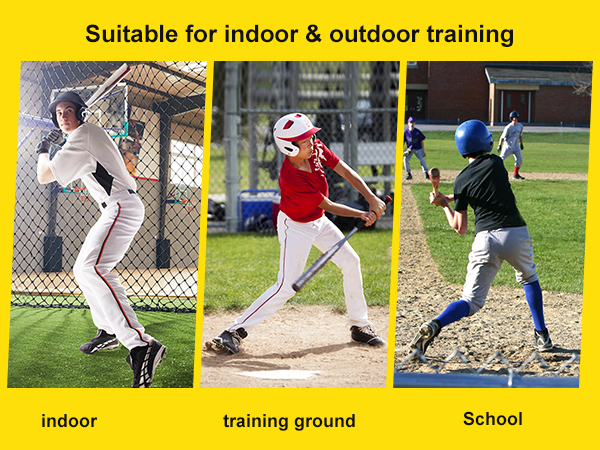
The Importance of Training Aids
Training aids are instrumental in honing the right batting techniques. They make players grasp the nuances of a good swing, which is the cornerstone of effective hitting. Young athletes can learn to balance, control their movements, and generate power in an efficient manner with the help of these aids. The most significant advantage of these aids is that they provide instant feedback, enabling players to rectify their errors in real-time. For those interested in exploring different types of equipment, the MARKETTY Baseball & Softball Equipment offers a variety of options to enhance training sessions.
Furthermore, these devices are created to focus on certain areas of enhancement. Whether it’s improving hand-eye coordination, boosting swing speed, or developing muscle memory, training aids offer the structured practice necessary to fine-tune these abilities. Due to their targeted method, athletes can witness noticeable enhancements quicker than with traditional practice alone.
Instant Advantages for Player Growth
There are immediate advantages to using batting skills training aids in player development. For example, tee-based aids let players concentrate on their swing mechanics without the stress of hitting a moving ball. This repeated practice assists in perfecting their stance, grip, and follow-through. Consequently, players build confidence, knowing they can reproduce their swing reliably. For more detailed tips, check out this guide on online hitting programs to improve average and power for young hitters.
Furthermore, one-handed swing trainers are great for building hand strength and control. They train players to use their top hand effectively, which is key for producing bat speed and power. With consistent use, players can develop stronger wrists and forearms, leading to more powerful hits.
On the flip side, weighted batting tools are designed to build muscle and increase swing speed. By training with bats that are heavier than what they’re used to, players can improve their strength and endurance. Then, when they go back to using a regular bat, the increase in swing speed is often noticeable. This can give them a leg up on their competition.
In conclusion, these training aids are about more than just skill improvement; they’re about laying the groundwork for a successful athletic career. They teach discipline, patience, and a work ethic that goes beyond the field.
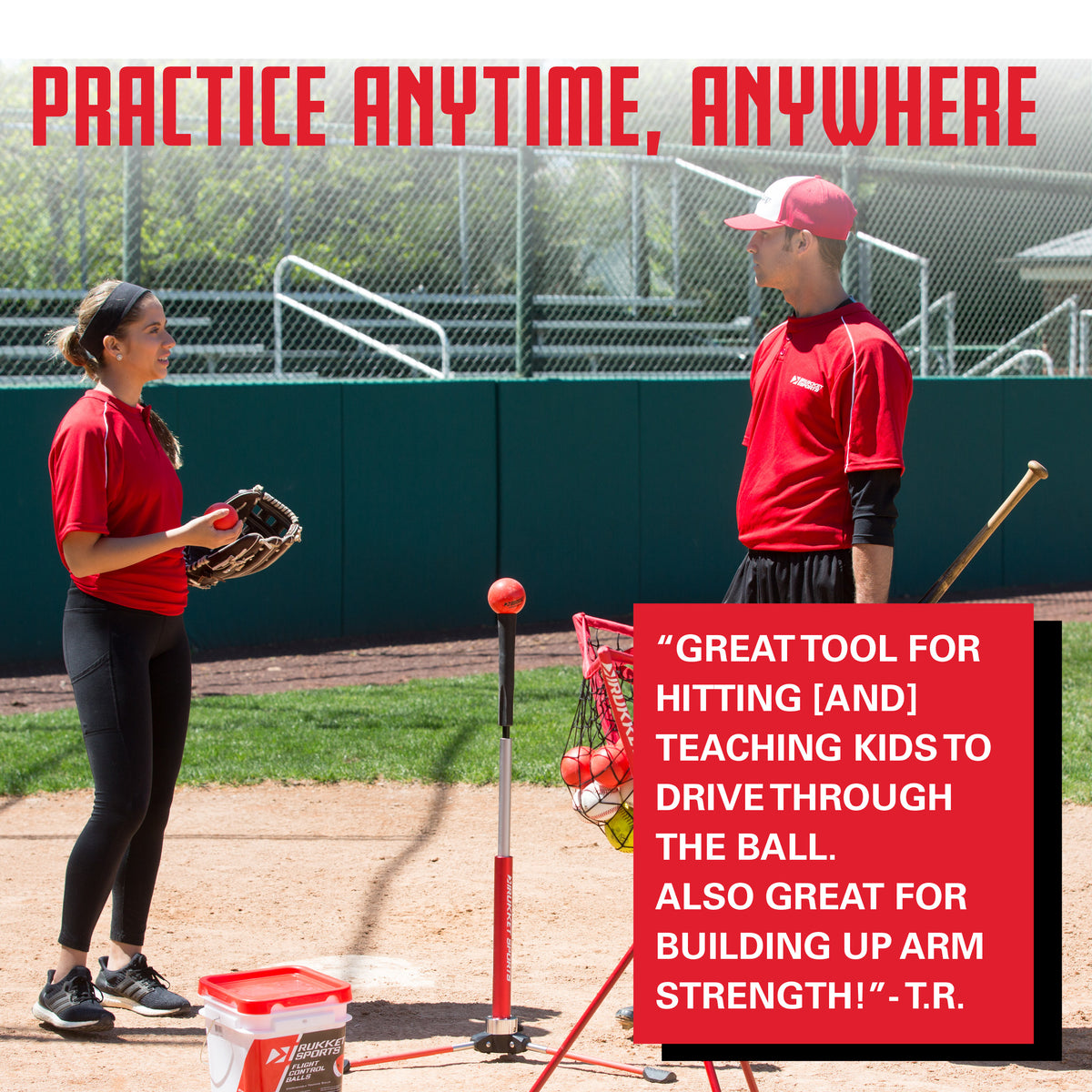
Tools Suitable for Different Ages
The most suitable training aid for a young athlete often depends on their age and level of ability. Younger players, usually under 10 years old, benefit most from simple and straightforward tools like tee-based aids. These aids enable them to concentrate on improving their basic swing mechanics without overloading them with complexity. The aim at this stage is to foster confidence and enjoyment in the sport.
Once players reach their early teens, they can start using more advanced training aids like one-handed swing trainers and weighted bats. These young athletes have developed the strength and coordination necessary to use these aids effectively. It’s important to make sure that the tools are appropriate for the player’s size and strength to prevent injuries and promote good form. For additional guidance, check out this guide on baseball drills for 12-year-olds.
Price Considerations
Buying batting skills training aids doesn’t have to be expensive. There are options out there for all budgets, so all young athletes can have the tools they need to do well. Basic tee-based aids are usually the cheapest, with prices from $20 to $50. These are a good place to start for beginners.
High-tech aids such as one-handed swing trainers and weighted bats can cost anywhere from $50 to $150. Even though they are more expensive, they are worth it because they are durable and help improve skills. If you have more than one athlete in your family or if you are buying for a team, it may be more cost-effective to buy a set of training aids. This can also be helpful for group practice sessions.
Using Training Aids in Practice
Training aids are most effective when they are used regularly during practice. Start by creating a routine that includes drills targeting various parts of the batting technique. This structured routine will help players develop a comprehensive set of skills.
How to Set Up Drills
When you’re setting up drills, you should focus on variety and repetition. Start with basic tee work to warm up, allowing players to focus on their stance and swing mechanics. Then, slowly introduce more challenging drills using one-handed swing trainers to improve hand-eye coordination and control. When you incorporate these aids into a series of progressive drills, players can build muscle memory and improve their overall batting technique.
Keeping Score
It’s important to keep track of how a player is doing to see how well the training aids are working. Keep a log of how they do in each drill, and look for improvements in how fast they swing, how accurate they are, and how consistent they are. Video analysis can also be helpful. It lets players see what they’re doing and make changes if they need to. Regular feedback and encouragement from coaches and teammates can also help players to keep trying harder and get better. For additional techniques, you can explore increased power techniques for young hitters.

Changing Techniques as Players Grow
As players get older and their skills improve, they’ll need different types of training. Training aids should be adjusted to match their growing abilities. Drills should slowly get harder and new aids should be introduced to keep practice interesting and challenging. This flexibility makes sure that players keep getting better and fine-tuning their skills, getting them ready for more competitive play.
Moreover, keeping open lines of communication with players about their aims and hurdles aids in customizing their training routine to their unique requirements. This individualized strategy encourages a feeling of responsibility and dedication to their growth.
Testimonials and Practical Uses
Young athletes can find motivation in the success stories of those who have effectively used training aids. These examples not only show the clear advantages of using these tools during practice, but also their ability to significantly improve a player’s performance.
Pro Athletes Who Benefited from Training Aids
There are plenty of pro baseball and softball players who credit their success to training aids. For example, Mike Trout, an MLB superstar, has talked about how important tee-based aids were in his early training. He stressed that these tools helped him create a consistent swing, which was a key part of his successful career.
Reviews from Coaches and Players
Coaches and players have expressed their satisfaction with training aids. A youth coach mentioned, “Training aids have significantly changed the way our team plays. We’ve seen a huge improvement in our players’ batting averages and their overall confidence when batting.” A young player also said, “Using a weighted bat made my regular bat feel lighter, and I noticed my swing speed increase almost immediately.”
Wrapping Up on Youth Batting Aids
As a final point, for young athletes who are looking to step up their game in baseball and softball, batting skills training aids are a must-have. They offer a systematic way to develop skills, with instant feedback and focused practice. By picking tools that are suitable for their age and using them regularly during practice, players can expect a noticeable boost in their skills.
In the end, these training aids are more than just gear; they’re investments in a young player’s future. With hard work and the right equipment, any player can improve their skills and reach their goals on the diamond. For those looking to enhance their skills at home, consider exploring effective home hitting drills that can make a significant difference.
Common Questions
If you’re thinking about buying batting skills training aids for young athletes, you probably have a few questions. Here are some detailed answers to help you make the best decision.
What is the best age to start using batting aids?
For most youngsters, it is appropriate to start using batting aids at the age of 5 or 6. At this point, basic tee-based aids are the best for teaching them the basics of swing mechanics. As they get older and stronger and their coordination improves, they can start using more advanced aids such as one-handed swing trainers and weighted bats.
It’s important to make sure the training aids are suitable for the child’s age to prevent injury and promote correct technique. Always ask a coach or professional to help you figure out the best starting point for your child.
Can young players safely use weighted bats?
If used appropriately and with supervision, weighted bats can be safe for young players. These bats are designed to help build strength and increase swing speed. However, it’s crucial to start with a weight that the player can comfortably handle. A safe method is to slowly increase the weight as the player gains strength.
How frequently should practice include batting aids?
Consistency is key when it comes to using batting aids. Young players should aim to use them in their practice sessions at least two to three times per week. This regular use helps to build good habits and speed up the development of skills.
But, it’s crucial to mix aids with other types of training to guarantee a comprehensive growth of skills.
Are these training aids suitable for individual practice?
Indeed, numerous training aids are created with individual use in mind, making them ideal for home or backyard practice. Aids based on tees and one-handed swing trainers, for instance, can be quickly arranged for solo practice sessions. This versatility lets players hone their abilities beyond team practice, hastening their progress.
Video analysis is a great tool for tracking progress and tweaking technique when practicing alone. For additional resources, check out the Complete Hitter Starter Program.
Why should I use a tee stacker hitting trainer?
The tee stacker hitting trainer is a multi-purpose tool that enables players to practice hitting at varying heights and angles. This change in variability helps players adapt to different pitch locations and speeds, thereby improving their adaptability when at the plate. For more tips on enhancing your hitting skills, consider exploring online hitting programs designed to improve average and power for young hitters.
Using a tee stacker for practice allows players to cultivate a steadier swing and superior hand-eye coordination, ultimately enhancing their game performance.
How can you tell if a player is getting better with a training aid?
There are several ways to measure progress, such as a faster swing, more consistent contact with the ball, and a higher batting average in games. Video analysis can also show clear signs of improved form and technique.
Consistent advice from mentors and self-evaluation are also crucial in monitoring progress. If a player feels more self-assured and relaxed at the plate, it’s a good sign of improvement. For more tips on building mental toughness in baseball, check out this guide.
Can using batting aids be risky?
Generally, batting aids are safe to use, but there can be some risks if they are not used correctly. Strain or injury can occur if they are overused or if a player uses aids that are too advanced for their skill level. It’s crucial to adhere to the manufacturer’s instructions and to check with a coach to make sure they are being used correctly.
Regularly checking and maintaining aids to ensure they are in good condition also reduces risk. For more guidance, explore our mental toughness training strategies for young athletes.
“The use of training aids has revolutionized our team’s performance. Our players’ batting averages and overall confidence at the plate have improved significantly.” – Youth Coach
When used correctly, these tools can significantly boost a player’s development and minimize any potential risks.
What makes a good batting aid?
Here are a few things to think about when choosing a batting aid:
- Durability: Go for aids that are made of high-quality materials and are durable enough to withstand regular usage.
- Adjustability: Choose aids that can be adjusted to suit different skill levels and heights.
- Ease of Use: Prefer aids that are easy to set up and use, especially if you’re practicing alone.
- Specificity: Pick aids that target the specific skills your player needs to improve.
By keeping these factors in mind, you can choose the best training aid that will provide the most benefit for your young athlete’s development. For more ideas on enhancing your player’s skills, explore baseball drills for young athletes.
Ultimately, training aids for batting skills are priceless for young athletes who want to enhance their performance in baseball and softball. With the right equipment and regular practice, players can build the skills and confidence necessary to thrive on the field.

Leave a Reply