Hello, coaches and parents of young baseball and softball players! If you’re searching for methods to improve your young athletes’ abilities, you’ve found the right article. Today, we’re going to look at the revolutionary technique of video analysis – a method that isn’t only for professionals. We’ll discuss how to use video to enhance batting, pitching, and fielding skills for players who are just beginning or want to improve their game.
Main Points
Video analysis can enhance the technique of young players by providing visual feedback that is easy to understand and implement.
For batters, video can assist in perfecting the stance, swing, and timing to hit the ball with increased power and precision.
Video can be used by pitchers to fine-tune their delivery and rectify common errors, resulting in improved control and speed.
Defensive skills such as footwork, glove work, and quick reactions can be improved with video replay analysis.
The proper recording of practice sessions is essential for effective video analysis, including the selection of appropriate equipment and angles.
Unleash the Potential of Video Analysis for Young Players
Consider video analysis as the ultimate feedback mechanism. It’s like having a mirror that not only shows what you’re doing but also how to improve it. By recording practices and games, players can see exactly what their bodies are doing during those critical moments of batting, pitching, or fielding. This visual proof is compelling; it bridges the gap between what they think they’re doing and what they’re actually doing.

Video analysis is a transformative tool in coaching because it allows for individualized instruction. Each player has their own distinct style and set of obstacles. Video allows you to identify specific areas for each player to focus on, making your coaching more impactful and their learning more focused.
So, where do you begin? First off, you’ll need a good camera or smartphone to record high-quality video. Don’t stress; it doesn’t have to be anything special. The goal is to capture clear footage that can be easily reviewed. Then, you’ll want to position the camera at strategic angles to get the best view of the player’s movements. For hitters, a side angle is excellent for analyzing swing mechanics, while a back view can assist with batting stance and footwork.
Uncover the Influence on Batting Precision
Hitting is all about the fine points. Video analysis can uncover tendencies that could be limiting a player’s batting capability. For example, is the batter’s position too broad or too slim? Are they lowering their shoulder when they swing? Video can provide answers to these types of inquiries.
With the help of video analysis, players can dissect their swing frame by frame to identify areas that need improvement. It could be that they’re not keeping their eye on the ball or their timing is off. Video analysis highlights these instances, making it easier to address and correct them during practice.
“A picture is worth a thousand words. Young players can truly grasp their strengths and areas for improvement by watching themselves on video. It’s a powerful tool for motivation and growth.”
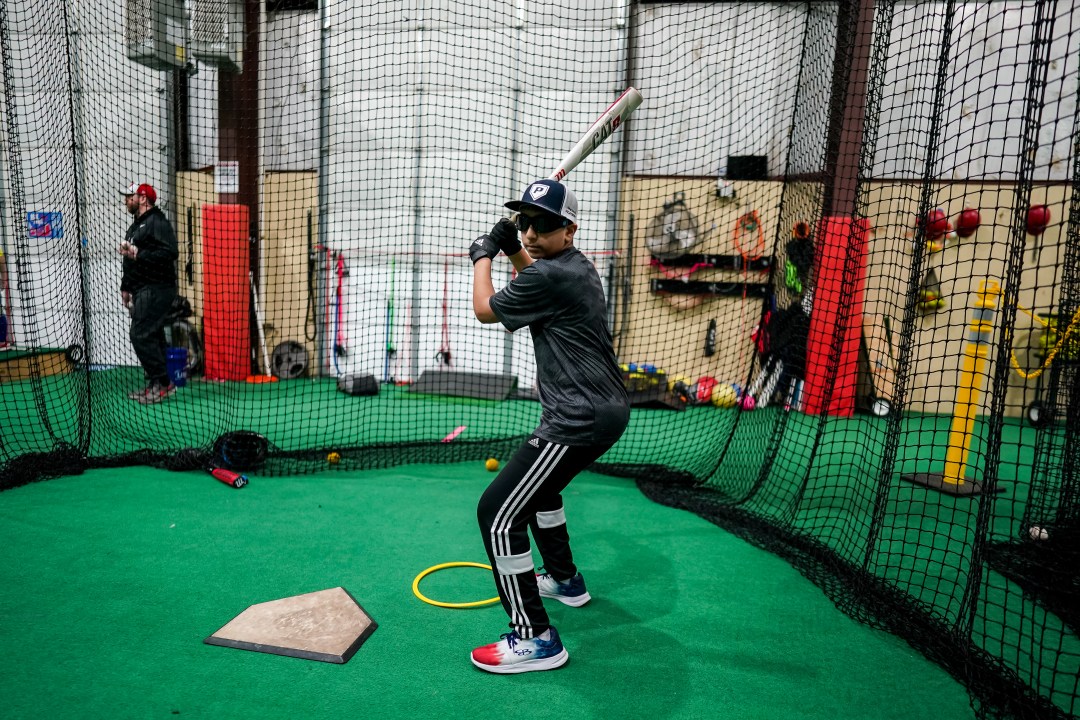
Position the camera to capture the entire body of the batter to ensure all aspects of their swing are visible.
Look for consistency in their stance, balance, and follow-through.
Use slow-motion playback to scrutinize the swing in detail, noting any areas that require improvement.
Understanding the Importance of Precision in Pitching
Video can assist pitchers in understanding their mechanics and maintaining a consistent delivery.
It allows for the analysis of arm angle, leg drive, and follow-through, all of which are critical for pitching accuracy and speed.
Reviewing footage can also help identify problems such as rushing the delivery or not fully extending the arm, which can be corrected with specific drills.
For pitchers, video analysis is like having a pitching coach available around the clock. It can be difficult for young players to feel the nuances of their pitching motion, but with video, they can see exactly what their body is doing. Are they leading with their elbow? Is their release point consistent? These are critical elements that can make or break a pitcher’s effectiveness.
So, when you’re positioning your camera to film pitchers, try to get an angle that shows their entire delivery. You need to be able to see the wind-up, the release, and the follow-through. This will allow you to examine every aspect of their motion and provide the kind of feedback that can help them become a more accurate and forceful pitcher.
Video analysis isn’t just a cool extra feature; it’s a fundamental component of contemporary coaching. By adopting this technology, you’re providing your players with the greatest opportunity to hone their skills and passion for the game. So, pick up that camera, get out on the field, and let’s begin improving those skills, frame by frame.
Next, we’ll discuss fielding. This is a skill that doesn’t always get the attention it deserves, but it’s just as important to a team’s defense. The ability of a player to catch a line drive or complete a double play can completely alter the course of a game. And of course, video analysis is an invaluable tool in this area as well.
Master the Field: Boosting Defensive Abilities
Fielding isn’t just about catching and throwing the ball. It involves footwork, positioning, and anticipation. Video analysis can help dissect these components and enhance a player’s defensive skills. For instance, after watching a video, a player might notice that they aren’t positioning themselves in front of the ball correctly or that their throwing technique needs improvement.

By paying attention to the little things, players can develop faster reflexes and smoother transitions from catching to throwing. It’s these minor tweaks that can make a major impact on the field.
Boosting Fast Reactions and Seamless Shifts
Fast reactions are a must for any infielder or outfielder. The capacity to respond instantly to a ground ball or a fly ball could mean the difference between an out and a run. To improve these reactions, video analysis can assist in identifying a player’s stance and readiness. Are they on their toes, prepared to move in any direction? Are their hands in the correct position to catch or field the ball?
Assessing Glove and Foot Techniques
Effective footwork is the key to excellent fielding. It enables players to position themselves correctly for plays. Coaches can use video to show players the importance of small shuffle steps, correct body alignment, and the angle at which to approach the ball. Similarly, glove techniques like the “alligator catch” for ground balls can be examined and improved using slow-motion analysis. For more detailed drills and techniques, check out our guide on youth baseball fielding drills.
When you’re filming a fielding practice, it’s important to capture a wide enough shot to see the player’s starting position, how they move to the ball, and how they transition to throwing. This will give you a complete picture of their fielding technique and areas that need improvement.
Intelligent Baserunning: Quick Decisions on the Diamond
Running the bases is a skill. It’s not just about being fast; it’s about being smart. By using video analysis, players can understand when to risk taking an extra base or how to get a quicker start on a stolen base attempt. It’s about studying the pitcher, the catcher, and the game situation to make the most strategic move on the bases.
Using Video Replay to Analyze Leads and Steals
Video replay can help you dissect a player’s lead-off from the base, their response to the pitcher’s actions, and their speed. You can identify if they’re taking too much time to act or if they’re not making the most of their stride length. These observations can be converted into targeted drills to enhance their baserunning instincts and abilities.
Key Drills for Improving Baserunning Skills on Game Day
Work on leads and secondary leads, focusing on the positioning and weight distribution of the player.
Use video analysis to examine the timing of steals, focusing on the player’s initial step and acceleration.
Practice sliding techniques by examining the approach, slide, and return to the base.
It’s essential for baserunning drills to closely resemble game situations to provide players with the realistic practice they need. By using video analysis, you can give them the feedback they need to make those quick decisions that result in successful steals and extra bases.
How to Successfully Film Your Practice Sessions
Good video analysis begins with good video footage. To make sure you’re getting the best video for analysis, you need to set up your equipment the right way. This includes picking the right camera or smartphone, using a sturdy tripod, and deciding on the best location to film from.
Choosing the Right Equipment for Quality Footage
Professional equipment isn’t necessary for video analysis. A smartphone or a consumer-grade camera is sufficient, provided it can record in high definition. Stability is crucial, so a tripod is a good investment to prevent shaky footage. Remember, the clearer the video, the easier it will be to analyze the details of the player’s movements.
The Best Camera Angles for Capturing Every Move
When filming a batter, position the camera directly in line with the batter’s box to get a side view of the swing. For pitchers, position the camera behind the catcher to capture the full delivery. And for fielders, position the camera at an elevated angle behind the player to get the best perspective on their footwork and glove work.
Positioning the camera at the best angles guarantees that every detail of the player’s technique is recorded. This will make your video analysis sessions more effective and valuable for the players’ growth.
From Training to the Field: Creating a Reliable Player
In baseball and softball, consistency is everything. It’s what distinguishes the average players from the exceptional ones. Regular use of video analysis aids players in developing muscle memory for proper techniques. This consistency in training will result in self-assurance and dependability on the field.
Integrating Video Analysis into Regular Training Schedules
Video analysis should be a routine part of your training schedules, not just a sporadic tool. By analyzing video after each practice, players can promptly see what they need to improve on for the next session. This continuous feedback loop quickens learning and skill enhancement.
Keep in mind, the purpose of video analysis is not to point out faults, but to provide constructive feedback to enhance a player’s abilities. Always make sure to balance criticism with commendation, emphasizing not just the areas that need work, but also the things the player is doing correctly. This kind of positive reinforcement motivates young athletes and keeps them interested in their growth.
Monitoring Improvement and Establishing Attainable Objectives
One of the most gratifying features of employing video analysis is the ability to monitor a player’s improvement over time. By establishing attainable objectives and using video to track progress, players can witness the concrete outcomes of their effort. This not only enhances their self-assurance but also their love for the sport.
So, get into the routine of setting definite, quantifiable goals for each player. Perhaps it’s enhancing their hitting rate, cutting down on the number of walks they allow as a pitcher, or boosting the number of bases they steal. Regardless of what the objectives are, use video to record their progress in reaching them, offering encouragement and a straightforward route to victory.
Revolutionize Your Practice with Tech Tools
Lastly, don’t overlook the influence of technology in training. Slow-motion replay, frame-by-frame breakdown, and side-by-side comparison videos are just a few of the resources you have. They enable players to observe what they may overlook in real-time, offering insights that can significantly enhance their technique.
The Magic of Slow Motion: Catching What the Naked Eye Can’t
Slow motion is an indispensable tool for coaches. It uncovers the minute details of a player’s actions, pinpointing where corrections are needed. By decelerating the action, players can grasp the mechanics of their swing, pitch, or fielding motion in a manner that’s unachievable at full speed. For more insights, explore our video analysis guide tailored for youth baseball development.
By using slow-motion video, you can break down a player’s form and pinpoint any areas where they may be struggling or making mistakes. You can then use this information to create specific drills to help them improve in these areas. The end result? A player who is more refined, stronger, and more accurate.
When you use video analysis in your coaching, you’re doing more than just instructing baseball or softball skills. You’re giving young athletes the tools they need to evaluate their own performance and get better. You’re helping them develop a passion for the game that’s based on knowledge and expertise. So make the most of this technology and watch your players become self-assured, competent athletes who are prepared to dominate on the field.
Knowing when to review game footage is crucial to ensure you’re not overdoing it or not using this potent tool enough. The best time to review footage is after each game so you can give feedback right away, but also give time for the feedback to sink in and be used in practice. Overanalyzing can be too much for young players, but underanalyzing can leave room for missed chances to get better.
Is video analysis useful for team strategy?
Definitely! Video analysis is not only about personal skills; it’s also a strategic resource for the whole team. By going through game videos, coaches can spot patterns in play, both strengths to take advantage of and weaknesses to work on. This can guide choices on batting lineup, fielding spots, and pitching substitutions. For a deeper understanding, take a look at this comprehensive guide on video analysis in youth baseball development.
Identify the habits of the opposition to optimally place your fielders.
Study your team’s hitting performance to tweak the lineup for improved matchups.
Look back at previous games to formulate a game plan that capitalizes on your team’s strengths.
Hence, include video analysis in team meetings to brainstorm and form strategies. This group review promotes team cohesion and a cohesive approach to games.
Can video analysis be used for all skill levels?
Yes, video analysis is useful for players at all levels, from beginners to advanced. For new players, it helps set good habits from the start. For more experienced players, it’s about refining skills and fixing subtle mistakes that can make a big difference.
Remember, the method should be suitable for the age group. Younger players require straightforward, easy-to-understand feedback, whereas older, more seasoned players can manage a more in-depth analysis.
“When used correctly, video analysis is a powerful tool that can help athletes of all skill levels improve their performance.”
How do you keep young players from overanalyzing their techniques?
It’s important to only focus on one or two things that need improvement at a time. Overloading young players with too much information can cause them to freeze up. Keep your feedback positive and actionable, and always tie it back to their natural playing style. For more insights, check out our guide on coaching tips for youth batting skills improvement.
During training sessions, it’s important to inspire the players to have faith in their gut feelings and to play without worrying too much about every action they take. This equilibrium between deliberate growth and instinctual play is crucial for their progress.
What are the early signs of progress to look for in video analysis?
Progress in technique, like a more stable batting stance or a more fluid pitching delivery, are often the early signs of improvement. Look for these modifications to become more routine in practice and games.
Additionally, keep an eye out for a rise in self-assurance and a better outlook. Players’ spirits and performance are lifted when they see the fruits of their labor.
How do you balance video analysis and actual practice?
Although video analysis is helpful, it shouldn’t be used as a substitute for actual practice. Instead, use video to establish specific objectives for each practice session, concentrating on the areas that the analysis has identified.
Once practice is over, take some time to go over the footage to see how you’ve improved and what you need to focus on in your next session. This creates a continuous loop of practicing, reviewing, and getting better.
Make room in your practice schedule for reviewing and discussing video footage.
Introduce drills that target the skills pinpointed in the video analysis.
Utilize video as a means of positive reinforcement by showing players how they’ve improved over time.
What are some common misconceptions about using video analysis in youth sports?
One common misconception is that video analysis is too complex for young athletes. But in truth, it’s a highly effective teaching tool for players of all ages when used properly. Learn more about youth baseball development metrics and video analysis.
Another misconception is that it’s only used for correcting errors. While it’s excellent for this purpose, it’s also effective for emphasizing what players are doing correctly.
Some people argue that it takes too much time. However, with the technology available today, video analysis can be done quickly and easily incorporated into regular training routines.
Video analysis is appropriate for athletes of all ages and abilities.
It’s not just for correcting mistakes, but also for reinforcing what’s working well.
With the right plan, it doesn’t have to take up a lot of time.
By debunking these myths and using video analysis effectively, you can tap into its full potential to improve the skills of young athletes. Remember, the aim is to support and empower athletes to achieve their best, both on and off the field.
Coaches and parents, are you prepared to provide your young athletes with the competitive advantage they need? By utilizing video analysis, you’re not just enhancing their abilities; you’re also instilling in them the importance of self-evaluation, determination, and lifelong learning. Now, take that camera, get on the field, and start filming those moments that will result in a lifelong passion and success in the sport.
If you’re aiming to bring your team’s skills up a notch, don’t miss the Catapult Loading System. This straightforward mini-course can assist hitters weighing less than 100 pounds in consistently hitting the ball over 300 feet in just 60 days, without compromising swing quality. Register now for a one-time payment of $47 and turn your players into power hitters with techniques that are scientifically proven. Click here to discover more and register!
Improving your child’s baseball skills can be a fun and rewarding experience. By focusing on youth baseball swing drills, you can help them make better contact with the ball and enhance their overall swing technique. Remember, practice makes perfect, and with the right drills, your young athlete can improve their batting average and enjoy the game even more.

Leave a Reply