Important Points
Advanced fielding drills are built to improve catching and throwing skills, which leads to better positioning overall.
Regular practice of drills helps build muscle memory and improve reaction times on the field.
Hand-eye coordination can be significantly improved by incorporating barehand drills.
Working on quick throws and correct footwork can make a player’s release time more efficient.
Customizing drills to suit the needs of both infielders and outfielders ensures a comprehensive defensive strategy.
Maximize Your Fielding Skills with Advanced Drills
Let’s cut to the chase. To become a standout player on the diamond, it’s not enough to just have a strong arm or fast legs. You need the advanced fielding skills that only come from practice, and not just any practice, but the kind that pushes you to your limits. That’s where advanced fielding drills come in. They’re designed to sharpen your reflexes, strengthen your arm, and teach you the footwork that’ll have you moving like a pro.

Enhance Your Glove Skills
Let’s start with the basics: your glove is your best friend on the field. To improve your performance, you need to treat your glove as if it’s a part of your hand. This involves practicing catching drills that will boost your confidence and ability to catch anything that’s thrown at you. Consider using drills such as the Barehand Drill, where you leave your glove behind and catch with your bare hands to really enhance your grip and control.
Improve Your Throwing Skills
Throwing is as crucial as catching. A strong and precise throw can mean the difference between an out and an extra base for the opponent. To improve your throwing skills, concentrate on drills that simulate game situations. For instance, the Quick Release Drill makes you throw quickly to a base after catching, which is great for those tight situations in a game.
Foundations of Advanced Fielding
Advanced fielding drills are based on several fundamental principles: hand-eye coordination, footwork, reaction time, and throwing accuracy. Each of these elements is vital to your defensive play. To enhance hand-eye coordination, you need drills that challenge you to track and catch balls from different directions. Footwork drills that replicate movements you’ll make in a game will help you become more agile and efficient on the field. You can sharpen your reaction time with quick-fire ground ball drills, and targeted throwing drills will improve your throwing accuracy.
Exercises That Test and Enhance
Exercises are not just about repetition; they’re about pushing yourself to improve with every throw and catch. Take the “Ladder Exercise” for example, where you quickly move through a ladder laid on the ground, mimicking fast footwork around the bases. This not only boosts your speed but also your ability to remain balanced and prepared for the next move.
Marrying Physicality and Mentality
Fielding isn’t just about physical prowess; it’s also about mental agility. Being able to predict where the ball will land before it’s hit is a skill that sets the great players apart from the good ones. Incorporate visualization techniques into your drills to hone this skill. Visualize different batting situations and where you would need to position yourself to make the play.
Boost Your Hand-Eye Coordination with Barehand Drills
Let’s get down to the nitty-gritty. Barehand drills are a real game-changer. They force you to keep your eye on the ball until it’s safely in your hand, which is key for developing soft hands that can handle any kind of catch. A simple but powerful drill is to have a partner throw you balls at different speeds and spins while you catch without your glove. It’s harder than it seems, but the payoff is huge.
Boosting Outfield Range with Fly Ball Drills
If you’re an outfielder, your range is your secret weapon. The more ground you can cover, the more valuable you are to your team. Fly ball drills that involve tracking and catching deep balls will help you learn how to read hits off the bat and get a jump on the ball. Practice running to a spot where you think the ball will land, instead of just chasing after it. This kind of drill not only improves your range but also your game sense.
For example, in the “Gapper Drill,” two coaches hit balls to the gap between outfielders. This forces the outfielders to communicate and decide who will catch the ball while running. This drill not only simulates a common game situation but also helps build teamwork alongside individual skills.
The Quick Throw: Improving Your Release
Finally, let’s discuss the quick throw. Being able to quickly get the ball out of your glove and to the right spot can mean the difference between an out and a safe call. Practice drills that mimic the speed and pressure of a real game. A drill like the “Tennis Ball Toss,” where you catch a tennis ball and quickly transfer it to your throwing hand before it hits the ground, can significantly improve your release time.
Developing Arm Strength and Precision
However, it’s not just about speed; it’s also about power and precision. To develop arm strength, incorporate resistance band exercises into your routine. These bands can help develop the muscles you use when throwing. And for precision, nothing beats the classic target practice. Set up a target at your throwing base and practice hitting it from different distances and angles until it feels like second nature.
Keep in mind, the greatest athletes are built when the stands are empty. It’s the effort you put in during the unseen hours that counts when the spotlight is on you. So, pick up your mitt, find a buddy, and start practicing these advanced fielding drills. With commitment and repetition, you’ll see your performance reach new heights.

Mastering Your Throw from Anywhere on the Field
Regardless of where you’re stationed on the field, throwing precision is crucial. The trick is to practice throwing from a variety of angles and positions. I strongly suggest the “Five Spot Throw Drill.” Position yourself at various points around the infield and practice throwing to first base. This not only enhances your arm’s strength, but also trains you to adjust your body and throw accurately from any position.
Pro-Level Infield Drills: Boost Your Skills
As an infielder, you’re the first wall of defense. Your skills need to be on point. Advanced infield drills are designed to improve quick reflexes and smooth transitions from catching to throwing. Drills like the “Hot Corner Reaction” for third basemen, where you have to react to sharply hit balls, can help you sharpen your instincts and prepare for those hard line drives. Discover more about advanced youth baseball glove technology to enhance your fielding performance.
Mastering Ground Balls: React and Respond
For an infielder, one of the most crucial skills is to flawlessly field ground balls. In order to perfect this, you can practice the “Backhand-Flip Drill.” You will need a partner for this drill. Have your partner roll ground balls to your backhand side. The goal is to not only stop the ball but also to quickly flip it to second base as if you’re executing a double play. This drill will help you improve both your backhand technique and your transfer speed.
Double Play Dynamics: Quickness and Accuracy
Double plays can shift the momentum of a game. They demand accuracy and quickness, and above all, flawless team coordination. A practice that can aid in mastering this is the “4-6-3 Drill.” Have your shortstop and second baseman collaborate to execute double plays from varying initial positions. This will not only refine their footwork but also enhance their timing and communication.
Tips on Outfield Drills for Better Ground Coverage
Hey outfielders, your capacity to cover a lot of ground can be a game-changer. It’s not just about being fast; it’s about taking the most efficient path to the ball. Try the “Cone Drill” where cones are set up in a zig-zag pattern and you have to run through them to catch fly balls. This will enhance your ability to change direction swiftly and get to the ball more quickly.
Improving Your Range with Tracking Techniques
Begin with the “Drop Step Drill” to improve your initial reaction when the ball is hit.
Implement the “Angle Drill” to perfect the right angle to where the ball will land.
Attempt the “Over the Shoulder Drill” to become at ease with catching balls that are hit over your head.
These drills will not only assist you in chasing the ball but also predicting where it will end up, increasing your chances of making the play.
Keep in mind, the top outfielders are the ones who can instantly interpret the ball’s path from the bat. That’s why exercises that enhance your initial move and route effectiveness are vital. They can transform a challenging play into a simple out.
One of the best drills is the “Wall Ball Drill.” Look for a sturdy wall or fence, toss a ball against it, and practice catching the rebounds. This simulates the unpredictability of balls hitting the outfield wall during a game and trains you to handle them regardless of how they rebound.
Fielding Drills that Enhance Communication
Fielding in the outfield requires effective communication. It’s essential to know who’s pursuing the ball and who’s providing support. The “Call Off Drill” is a great exercise for this. In this drill, three outfielders chase a fly ball, and one of them has to call the others off to catch the ball. This drill helps build decision-making confidence and ensures everyone understands their role in the play. For more detailed exercises, check out these baseball fielding drills to improve quick feet and youth training techniques.
Additionally, you should focus on the “Cutoff Drill.” Outfielders need to work on throwing to their cutoff man accurately and with power. This is key in stopping runners from taking extra bases and advancing.
Practice Scenarios that Mimic Game Situations
Now, let’s combine all these skills into drills that replicate game situations. The “Scenario-Based Fielding Drill” involves creating specific game scenarios and having the players respond to them. For instance, with runners on first and second base, hit a grounder to the shortstop and have them decide whether to go for the double play or the out at third base. This helps players to think fast and make intelligent decisions under pressure.
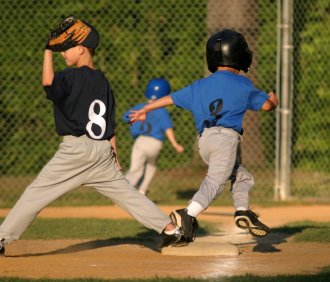
Practice Drills for Quick Decision-Making
In baseball, every second is crucial. That’s why practice drills are so important. They make you make quick decisions, just like in a real game. For infielders, try the “Timer Drill”. In this drill, you have to field a ball and throw it to first before a timer goes off. This drill helps you develop a quick glove-to-hand transfer and a sense of urgency.
If you’re an outfielder, try the “Hit the Cutoff Man Drill.” A coach or teammate will hit fly balls to you, and you’ll have to decide whether to throw directly to the base or hit your cutoff man, depending on the situation. It’s all about making the right play at the right time.
These exercises are about more than just physical ability; they’re about understanding the game. They will help you know what to do before the play even starts, giving you that extra advantage over your opponents.
Mastering Live Batting: The Final Frontier
Ultimately, the final exam for any fielder is live batting practice. There’s nothing quite like the real thing. Stand in your position during batting practice to get a feel for the speed and trajectory of live hits. This not only provides the most accurate simulation of game conditions, but it also helps you get to know your pitchers and predict how hitters will react to them.
When you add these advanced fielding drills to your practice sessions, you’re not just enhancing your abilities; you’re changing the way you approach the sport. With regular hard work and a readiness to challenge yourself, you’ll become the athlete who makes difficult catches and throws look simple, which is the essence of being an excellent fielder.
Common Questions
Now that we’ve gone over the drills, let’s answer some common questions to make sure you’re ready to bring your fielding game up a notch.
Regardless if you’re a player seeking to enhance your skills or a coach working to mentor your team, these FAQs will offer more insight and direction on your path to becoming a standout in fielding.
How Regular Should Fielding Drills Be?
Fielding drills should be a regular part of your practice routine. Ideally, you should allocate time to them at least three times a week. Consistency is the key to building muscle memory and honing your skills. As with any other part of your game, the more you practice, the better you’ll become. But remember, quality is more important than quantity. Ensure each drill is done with concentration and correct technique to maximize your practice time.
Can Younger Players Use These Drills?
Definitely. Even though these drills are advanced, they can be altered to fit the needs of younger players. It’s all about adjusting the difficulty to match their abilities. For younger players, concentrate on the basics and slowly add more difficult elements as they get better. The aim is to gradually develop their skills without overloading them.
For instance, instead of hitting quick ground balls, start with a slower pace and shorter distances. As their confidence and abilities improve, increase the difficulty to keep them interested and challenged.
What Equipment Is Required for Advanced Fielding Drills?
To perform advanced fielding drills, you’ll need some equipment. At the very least, you’ll want a good amount of baseballs, gloves, and cones for marking drill areas. For more specialized drills, training aids like resistance bands for arm strength, rebounder nets for catching drills, and pitching machines for consistent fly balls can be very useful. Always keep in mind, though, that the most important ‘equipment’ you can bring to any drill is a focused mindset and a willingness to learn.
How Do Players Know If They’re Getting Better at Fielding?
There are many ways to gauge progress in fielding. One way is to keep track of how many successful plays are made during practice and strive to increase that number. Players can also time their throws to the bases and try to reduce the amount of time it takes to release the ball. Coaches can give input on form and consistency. But the true test of progress will be in actual games, where improved skills will show up as better performance under pressure.
What Does a Coach Do During Fielding Drills?
During fielding drills, the coach plays a pivotal role. They give direction, criticism, and encouragement. Coaches must set up drills that mirror game scenarios, test athletes, and concentrate on the areas that require growth. They must also make sure that athletes maintain correct form to avoid forming bad habits. Coaches are the mentors that assist athletes in honing their abilities and advancing their game.
Can Weather Conditions Influence Fielding Practice?
Without a doubt, weather conditions can affect fielding practice. When fields are wet, ground balls can behave in unexpected ways, and high winds can alter the course of fly balls. However, practicing in a variety of weather conditions can be a good thing. It helps prepare players for the challenges they may encounter during real games. Just make sure to keep safety first; if conditions are too extreme, it’s best to practice inside or reschedule. For more on how to adapt your practice to various conditions, check out these fielding drills and techniques that can help improve your game.
Training in various conditions can also provide a valuable chance to learn how to adapt your playing style. For instance, on a breezy day, outfielders can practice interpreting the ball’s trajectory and making spontaneous adjustments.
How Can Teams Incorporate These Drills into Regular Training?
Teams can incorporate these drills into regular training by allocating specific portions of training time to fielding. Begin with a warm-up that includes movement drills to get players loose and prepared. Then, progress to skill-specific drills, rotating players through different stations to work on various aspects of fielding. Conclude with situational drills that combine all the skills under game-like conditions. Remember, the aim is to make every drill meaningful and relevant to what players will encounter during a match.
By honing in on these advanced fielding drills and answering these common questions, both players and coaches can create a well-rounded training plan that results in visible enhancements on the field. With commitment and the correct strategy, any player can boost their defensive skills and become an invaluable player on their team.

Leave a Reply