Main Points
Effective hitting requires the right stance and positioning.
Swing mechanics can be significantly improved with a proper grip.
Timing and accuracy depend on keeping your eye on the ball.
Hitting skills can be improved with regular practice and specific drills.
Knowing the different types of pitches can give you an advantage.
Top Hitting Strategies for Young Batters: Expert Tips & Techniques
The Importance of Good Hitting in Baseball and Softball
One of the most thrilling parts of baseball and softball is hitting. When a player steps up to the plate, everyone’s attention is on them. A powerful and well-timed hit can alter the course of a game. As a result, it’s crucial for young players who want to succeed to master hitting techniques.
Being good at hitting not only makes a player feel good, but it also helps the team win games. That’s why it’s so important to focus on the right strategies and techniques.

Essential Techniques Every Young Batter Should Master
Before we explore more complex strategies, let’s first discuss the essentials. Fundamental techniques lay the groundwork for all other skills. Here are some crucial points every young batter should learn:
Position: Keep your feet apart at shoulder width, slightly bend your knees, and balance your weight.
Hold: Hold the bat with your hands close together and your knuckles in line.
Eye Contact: Maintain your focus on the ball from the moment it leaves the pitcher’s hand until it hits the bat.
Follow-Through: After hitting the ball, continue your swing to maximize power.
Mistakes to Avoid
Even with the best will in the world, young batters often make mistakes that can affect their performance. Knowing what these common mistakes are can help players and coaches correct them early on.
Improper Stance and Positioning
One of the most common errors is an improper stance. If a player’s feet are either too close together or too wide, it can impact their balance and power. Ensure the feet are shoulder-width apart and the knees are slightly bent.
Improper Holding and Swinging of the Bat
Not holding the bat correctly can result in ineffective hits or even harm. Make sure the hands are near each other and the knuckles are lined up. Also, stay away from swinging too hard, as this can cause you to miss the ball or make bad contact with it.
Not Keeping Your Eye on the Ball
Distractions are everywhere, but losing sight of the ball is a major blunder. From the second it leaves the pitcher’s hand to the moment it hits the bat, your eyes should be locked on the ball. This will improve your timing and precision. For more tips, check out these youth batting skills improvement guides.
Pro Tips for Budding Batters
Having gone over the fundamentals and typical errors, let’s explore some pro tips to help young batters step up their game. For more detailed guidance, check out this youth batting skills improvement guide.
Concentrate on Your Stance and Balance
Having balance is crucial for a strong swing. Ensure that your weight is distributed equally on both feet. Your knees should be slightly bent, and you should feel relaxed and prepared to move.
Experiment with various stances to see which one suits you the best. Some batters like a more open stance, whereas others thrive with a closed one. The key is to find a stance that enables you to react swiftly and hit the ball with force.
Getting the Grip Right
How you grip the bat can significantly impact your swing. Your hands should be close together on the handle, with your knuckles lined up. This grip allows for improved control and strength.
Experiment with holding the bat in various ways to find what feels best. Keep in mind that a loose grip is superior to a tight one. Tension in your hands can decelerate your swing and lessen strength.
Mastering the Swing
A great swing is a blend of technique and rhythm. Begin with a minor stride forward when the pitcher lets go of the ball. This aids in shifting your weight and producing strength.
Hold your hands near your body and follow the ball with your swing. Aim to hit the ball with the bat’s sweet spot. Complete your swing for the most power and precision.
Focus on the Ball
One of the key factors in successful hitting is making sure you keep your eyes on the ball. You should be watching the ball from the moment it leaves the pitcher’s hand all the way until it hits your bat. This will improve both your timing and accuracy.
During batting practice, train your eyes to follow the ball. This will familiarize you with the speed and trajectory of various pitches. For more tips, check out youth batting stance drills.
Drilling down on these basic skills will help young batters get ahead. Let’s now delve into more complex techniques that can boost their batting prowess even further.
Strategies for Boosting Batting Skills
Boosting batting skills requires commitment and regular training. Here are some strategies that can help young players enhance their performance.
Regular Training Exercises
Regular training is the secret to becoming proficient in any skill. Here are some exercises that can assist young batters in improving their hitting:
Tee Drills: A tee drill is a great way to perfect your swing mechanics. You should place the ball on a tee and aim to hit it solidly.
Soft Toss: Soft toss is a drill where a coach or teammate gently throws the ball to you from the side. It is beneficial for improving your timing and hand-eye coordination.
Live Pitching: Practicing with live pitching is a great way to simulate game situations. It helps you to adjust to different pitch speeds and improve your timing.
Remember to consistently practice these drills. Consistency is the key to getting better.
Applying Visualization Methods
Visualization is a strong strategy that can aid young batters in enhancing their game. Before moving to the plate, pause for a moment to visualize yourself making a successful hit. Imagine the ball approaching you, hitting the bat, and soaring into the outfield.
Using visualization can boost self-assurance and enhance concentration. Suggest to young batters to utilize this method prior to matches and throughout training sessions.
Workouts for Building Strength and Conditioning
Workouts that build strength and conditioning are key to developing the muscles required for a strong swing. Here are a few exercises that can assist:
Core Workouts: Core workouts can help improve your balance and power. Try workouts like planks, sit-ups, and Russian twists.
Leg Workouts: Powerful legs are crucial for generating power in your swing. Practice squats, lunges, and calf raises.
Upper Body Workouts: Build strength in your arms and shoulders with workouts like push-ups, pull-ups, and dumbbell curls.
Include these workouts in your regular training routine to build strength and enhance your hitting performance.
Top-Notch Strategies for Serious Games
As young batters develop their skills, they’ll need to master more complex strategies to excel in serious games. Here are some tactics that can give them an advantage.
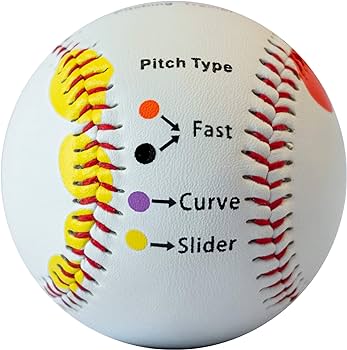
Getting to Know the Different Types of Pitches
Each pitch requires its own unique batting strategy. Here are some of the most frequently seen pitches and some advice on how to hit them:
Fastball: This is a straight pitch that comes at you fast. To hit it, you need to focus on your timing and aim to hit the ball with the sweet spot of the bat.
Curveball: This is a pitch that curves as it gets closer to the plate. You need to keep your eye on the ball and adjust your swing to make contact.
Slider: This is a pitch that slides to the side. You need to keep your eye on the ball and be ready to adjust your swing.
By understanding these types of pitches and practicing hitting them, young batters can gain a competitive advantage. For more tips, check out Josh Donaldson’s swing techniques.
Adapting Your Swing for the Game
Adapting your swing means changing your hitting strategy based on what’s happening in the game. Here are some strategies to think about:
Hit and Run: When there’s a runner on base, your goal should be to make contact with the ball to advance the runner.
Sacrifice Bunt: A bunt can be used to advance a runner, even if it results in an out for the batter.
Power Hitting: In high-stakes situations, the batter should focus on power hitting to bring in runs.
By practicing these situational hitting strategies, young batters can increase their versatility and value to their team.
Adapting to Various Pitching Styles
Every pitcher has their own way of throwing, and being able to adapt to various pitchers is an important skill to have. Here are some tips on how to adapt to different styles of pitching:
Scout the Pitcher: Keep an eye on the pitcher during their warm-up and previous games to get a feel for their pitching style and habits.
Wait for Your Pitch: Hold off on swinging until a pitch comes your way that you can hit solidly. Avoid swinging at pitches that are outside the strike zone.
Tweak Your Stance: Make minor tweaks to your stance depending on the pitcher’s style. For instance, step a little closer to the plate if the pitcher tends to throw pitches outside.
Being adaptable to different pitchers can keep young batters in the game, no matter the situation. For more tips, check out these youth baseball hitting tips.
How to Recognize Improvement and When to Look for More Training
It’s crucial to monitor improvement and understand when it’s time to look for more training. Here are some ways to recognize progress and tips for when to look for extra coaching.
Keeping Score of Your Performance
It’s important to keep score of your performance to know where you can improve. Here are some things you should keep track of:
Batting Average: This is calculated by dividing the total number of hits by the total number of at-bats. The higher the average, the better the player is performing.
Slugging Percentage: This is the total number of bases a player has earned per at-bat. It is a measure of a player’s power hitting ability.
On-Base Percentage: This is the percentage of times a player reaches base compared to their total number of plate appearances. It is a measure of a player’s overall effectiveness.
By regularly tracking these metrics, young batters can see how they are improving and identify areas they need to work on. For more insights, check out this guide on youth baseball development metrics.
Transitioning to Advanced Training
As young batters progress in their skills, advanced training could be the next step. Here are some indicators that it’s time to consider more specialized coaching:
Steady Performance: If a player is consistently good in games and practice, they might be ready for more advanced training.
Hitting a Wall: If a player isn’t improving and seems to have hit a wall, extra coaching could help them break through.
Competitive Spirit: If a player really wants to compete at higher levels, advanced training could help them achieve their goals.
Getting more coaching can give young batters the skills and knowledge they need to keep getting better. For example, Josh Donaldson explains proper swing hitting techniques that can be valuable for young players.
How to Recognize Improvement and When to Get More Training
It’s important to keep an eye on your improvement and know when it’s time to get more training. Here are some ways to recognize progress and tips on when to get more training.
Keeping Score
It’s important to keep an eye on your stats to see where you can get better. Here are some things to watch for:
Batting Average: This is the proportion of hits to at-bats. The higher the batting average, the better the performance.
Slugging Percentage: This is the total bases a player earns for each at-bat. It measures power hitting.
On-Base Percentage: This is the proportion of times a player gets on base to their total plate appearances. It measures overall effectiveness.
Keeping track of these metrics regularly can help young batters see how they’re improving and where they need to improve.
When to Upgrade to Advanced Training
As young batters get better, they might need more advanced training. Here are some signs that it’s time to get extra coaching:
Consistent Performance: When a player consistently performs well in games and practice, it may be time for more advanced training.
Plateauing: If a player’s performance has plateaued and they are not seeing improvement, additional coaching can help them break through.
Desire to Compete: If a player shows a strong desire to compete at higher levels, advanced training can help them reach their goals.
Getting additional coaching can provide young batters with the skills and knowledge they need to continue improving. For example, learning ball contact hitting drills can be particularly beneficial.
Revamp Your Kids’ Skills: Novice Hitting Program
If you’re on the hunt for an all-inclusive plan to enhance the hitting of young batters, take a look at the Novice Hitting Program. This program provides:
35 hours of instructional videos
21 different types of hitting drills
15 customizable baseball workouts
10 little-known tips to unlock explosive home run power
Many young athletes have seen incredible progress through this program. For instance, Sam, a high school athlete, watched his batting average increase from .215 to .397 and his slugging percentage climb from .215 to .589. This program can help your athletes see similar results.

Conclusion: Take Your Hitting to the Next Level
By learning the top hitting strategies, young batters can become extraordinary players. It’s important to know the basics and then work on more advanced techniques. Practicing regularly, doing drills consistently, and having the right attitude are all important for getting better.
Think about getting the Beginner Hitting Program to equip your players with the skills they need to excel. This program provides a holistic approach to hitting, guaranteeing that young batters can tap into their full potential.
Give your team the tools they need today and watch them reach new levels of success. Have fun at bat! For more tips, check out youth batting stance drills.
Commonly Asked Questions
What is the most crucial hitting strategy for young batters?
Appropriate stance and position
Right bat grip
Keeping sight on the ball
Steady follow-through
These basics are key for successful hitting and should be routinely practiced.
How often should young batters practice?
Young batters should practice hitting at least 3-4 times a week. Consistent practice helps build muscle memory and improves overall performance.
What are some typical indicators of poor hitting techniques?
Typical indicators consist of:
Bad balance and improper posture
Wrong way of holding the bat
Not keeping an eye on the ball
Swinging too hard or too soft
Spotting and fixing these habits at an early stage can improve performance.
How can I help my child better their stance?
To better stance, consider using some youth batting stance drills to improve their form and confidence.
Make sure your feet are as wide apart as your shoulders
Bend your knees a little
Put equal weight on both feet
Try out various stances to see which one feels the best
With regular practice and feedback, your child can find the stance that works best for them. For more tips, check out Youth Batting Stance Drills.
Are there any particular exercises to enhance hand-eye coordination?
Indeed, there are several exercises:
Tee Drills: Work on hitting the ball solidly off a tee.
Soft Toss: Practice hitting balls that are gently tossed to you by a coach or teammate.
Reaction Drills: Have someone toss small, soft balls to you in an unpredictable manner.
These drills can enhance your hand-eye coordination and overall ability to hit the ball. For more tips, check out youth batting stance drills.
What should young batters pay attention to during a game?
During a game, young batters should pay attention to:
Watching the ball closely
Keeping a good posture and staying steady
Making a fluid and measured swing
Adapting to various kinds of pitches
Concentration and proper form can improve game performance.
What are some ways players can adapt to various pitching styles?
Here are some ways players can adapt to various pitching styles:
Learn the pitcher’s playing style and habits
Be calm and wait for the right pitch
Make minor changes to your batting stance and swing
Practice hitting different types of pitches
Being able to adapt to different pitchers can keep players performing well in different game scenarios.
What kind of strength exercises should young batters do?
Some strength exercises they can do are:
Abdominal Exercises: Planks, sit-ups, and Russian twists
Lower Body Exercises: Squats, lunges, and calf raises
Arm and Shoulder Exercises: Push-ups, pull-ups, and dumbbell curls
Adding these exercises to your regular workout routine can help build strength and enhance your hitting skills.
If young batters take these tips and techniques to heart, they can make a big difference in their hitting skills and their overall performance. Here’s to better hitting!
One of the key aspects of improving a young batter’s performance is focusing on their hitting mechanics. Proper technique not only helps in making solid contact with the ball but also in driving it with power. Coaches should emphasize the importance of a strong lower body and how it contributes to a powerful swing. Additionally, understanding pitch recognition can greatly enhance a batter’s ability to make contact. Regular practice and drills are essential in honing these skills and ensuring consistent improvement.

Leave a Reply