Main Points
- 12u baseball drills are vital for developing both hitting and fielding abilities in young players.
- Drills such as line drive hitting and soft toss can improve batting techniques and consistency.
- Fielding drills, like ground ball and fly ball practices, can enhance defensive abilities.
- Adding fun and competitive aspects to drills can increase player engagement and enjoyment.
- Effective coaching involves clear communication, positive reinforcement, and balanced practice routines.
Top Hitting and Fielding Coaching Tips for 12u Baseball Drills
In coaching 12u baseball players, the focus should be on achieving a balanced blend of skill development and enjoyment. At this age, players are eager to learn, and the appropriate drills can significantly influence their performance and enthusiasm for the game.
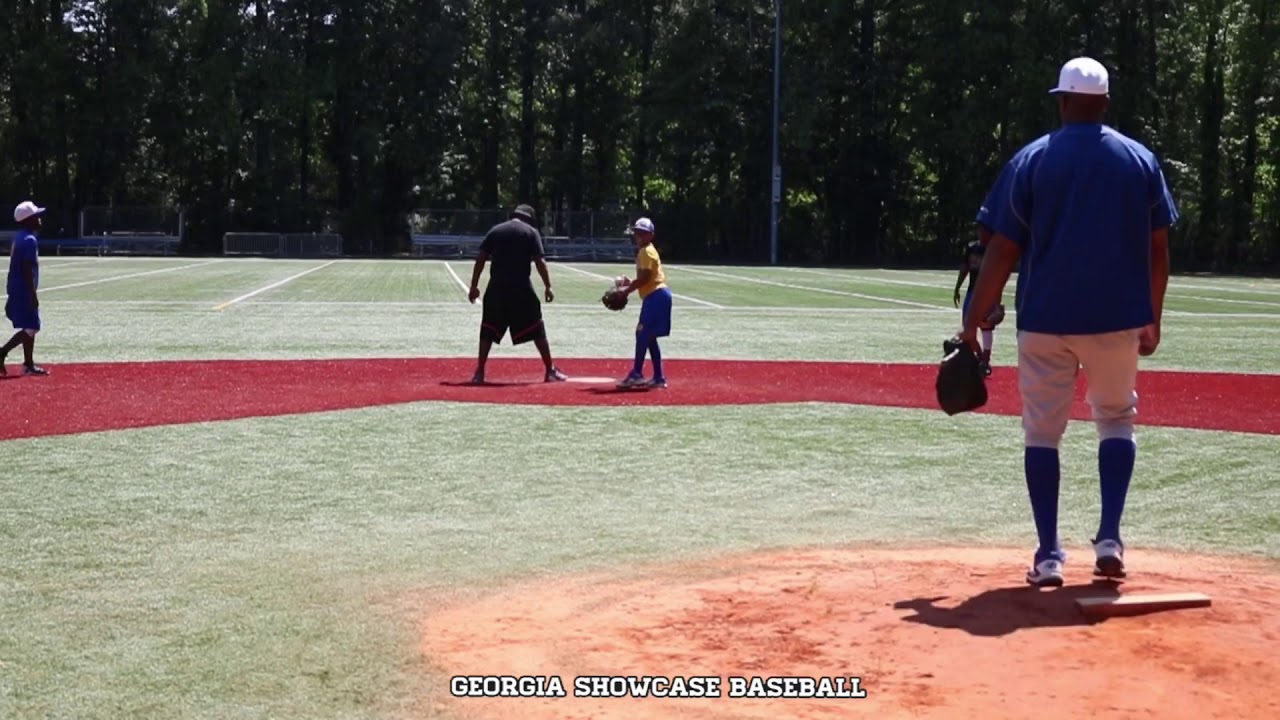
Why Skill Development Matters at the 12u Level
It’s critical to develop skills at the 12u level because players are at a point where they can grasp more complex techniques and use them in games. This is a key age where basic skills can be honed and expanded, laying the groundwork for future baseball success.
More than anything, developing skills isn’t just about physical prowess. It’s about cultivating self-assuredness and a passion for the sport. As a result, drills should be stimulating, demanding, and enjoyable.
Practices to Enhance Batting Skills
Enhancing batting skills is a primary area of concentration for 12u players. Regular training with an array of practices can assist players in becoming more skilled at hitting the ball, producing strength, and modifying their hits to various pitches. For further insights, you can explore tips on coaching youth baseball.
First and foremost, concentrate on drills that stress correct form and technique. This will help players develop beneficial habits that will serve them well as they continue their baseball careers.
Best Batting Drills for 12u Players
Here are some of the best batting drills that can help 12u players enhance their hitting skills. These drills are not only instructional, but they’re also fun, which helps motivate players to improve their skills.
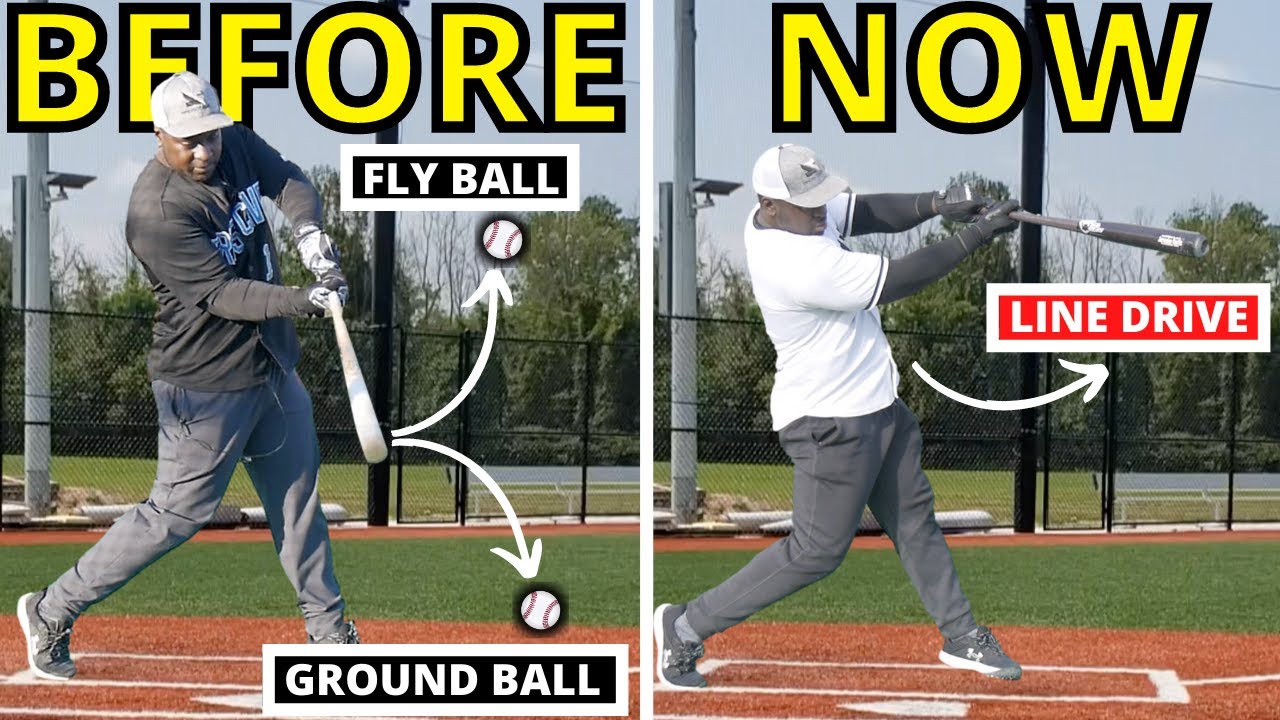
Line Drive Batting Exercise
The line drive batting exercise is a great method for instructing players on how to strike the ball with force and accuracy. This exercise emphasizes maintaining the bat level during the swing, which is key to making good contact. For more tips on enhancing young players’ skills, check out our guide on 12-year-olds baseball drills.
This is how you can conduct this drill:
- Place a ball on a tee set at the player’s waist height.
- Tell the player to aim for the center of the ball when they swing.
- Remind them to complete their swing, which helps them stay balanced and hit the ball with more force.
- Do this drill again, but change the height of the tee to mimic different pitches.
Doing this drill helps players remember how to swing level and understand why hitting line drives is important.
Hitting off a Tee for Steady Ball Contact
Using a tee is a basic drill that assists players in regularly hitting the ball. It gives them the opportunity to focus on their swing techniques without the stress of a moving pitch. For more tips, you can explore coaching youth baseball.
Here’s how to do this drill:
- Adjust a batting tee to the player’s natural height for striking.
- Ask the player to get into position and concentrate on hitting the ball squarely.
- Encourage them to keep their stance balanced and follow through with their swing.
- Change the position of the ball on the tee to mimic different pitch locations.
Working with the tee is invaluable for enhancing accuracy and building confidence at the plate. For more tips on improving hitting skills, check out these online hitting programs.
Practicing Soft Toss
Soft toss is a great drill for players to improve their timing and hand-eye coordination. By having the ball softly tossed from the side, players can work on their swing in a controlled setting.
Here’s how you can set up a soft toss drill:
- Have the player stand in their batting stance, looking out at the field.
- Stand slightly to the side and a little bit in front of the player, with a bucket of balls in hand.
- Softly toss the ball underhand in the direction of the player, aiming it at their strike zone.
- Urge the player to concentrate on making solid contact and following through with their swing.
Soft toss is an excellent method to mimic real game situations and help players adapt to varying pitch speeds and locations. For more 12-year-olds baseball drills, check out this comprehensive guide.
Practicing Hitting in Different Scenarios
Practicing hitting in different scenarios is key to teaching players how to respond in various game situations. This involves creating drills that replicate real game scenarios, such as hitting with runners on base or dealing with different pitch counts.
These practice scenarios help players develop a game plan for hitting, a key to success in games. It teaches them when to swing for the fences and when to just try to put the ball in play.
Next, we’ll examine how to master fielding for 12u players, and dive into specific drills that will improve defensive skills.
Backhand Fielding Drills
Learning how to field a backhand is crucial for young players who want to get better at defense. The backhand is typically used when a ball is hit to the side of the player that isn’t holding the glove, which requires fast reflexes and the right technique. For more tips on improving fielding skills, check out these baseball fielding training equipment.
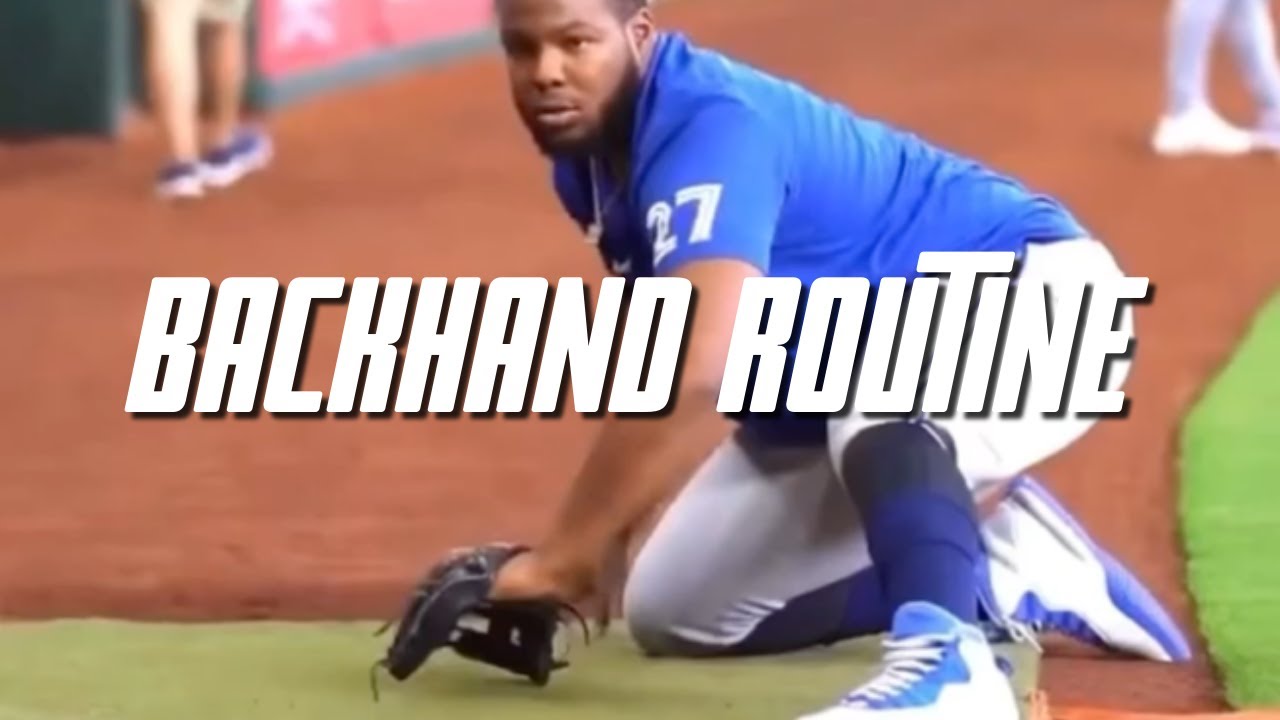
For training this method, concentrate on the player’s footwork and glove position. Start by having them work on fielding ground balls hit to their backhand side. Emphasize the significance of getting low, keeping their glove open, and using their legs to push off and make the throw. Repetition is key because it builds confidence and muscle memory.
Practicing Relay Throws and Cutoffs
Relay throws and cutoffs are vital for pulling off successful defensive plays. By practicing these drills, players can learn to relay the ball swiftly and accurately, helping to stop runners and avoid giving up extra bases.
Establish a practice where players rehearse throwing from the outfield to a relay man, who then tosses the ball to a base. Concentrate on speedy transitions, correct footwork, and powerful, precise throws. This practice not only boosts arm power but also strengthens teamwork and communication on the field.
Keeping Drills Fun
Practice should be fun to keep the players engaged and excited. Adding a fun component to drills can turn practice into something the players can’t wait to do. For more ideas on how to keep practice engaging, check out these 12-year-olds baseball drills.
A great method to achieve this is by incorporating game-like situations and friendly contests into your training. This not only makes practice more fun, but it also mimics the pressure of a real game, assisting players in improving their performance under stress. For more ideas, check out these fun baseball beginner drills to enhance your practice sessions.
Creating Realistic Game Situations and Competitive Drills
Adding realistic game situations and competitive drills to your practice sessions can help increase your players’ motivation. Use drills that require your players to think fast and make decisions, like simulated games or timed challenges. This type of practice helps your players use their skills in a competitive but supportive setting.
Applying Reward Structures and Incentives
Applying reward structures and incentives can boost the motivation of players. Simple rewards like small prizes or recognition can motivate players to work harder and enhance their skills. For more ideas on how to keep training engaging, consider exploring fun baseball beginner drills that incorporate rewarding elements.
For instance, you could give a prize to the player who has the most precise throws or who shows the most effort during training. These rewards promote a positive environment and encourage a good-natured sense of competition among team members. For additional tips, check out this article on coaching youth baseball.
Successful Coaching Techniques for Young Athletes
A good coach does more than just instruct players on how to play the game. They inspire and motivate their players to be the best they can be. They know how to communicate well, build up their players’ confidence, and balance teaching skills with having fun.
“The most successful coaches are those who motivate their players to have confidence in their abilities and aim for greatness.”
When coaches use a player-focused approach, they can create a setting where young athletes flourish both on the field and in their personal lives.
Boosting Self-Esteem with Positive Feedback
Positive feedback is an effective method to boost self-esteem in young athletes. Recognizing their hard work and progress, even if it’s minor, motivates them to continue striving. For those looking to enhance their coaching skills, exploring baseball drills for 12-year-olds can provide additional strategies to encourage and develop young talent.
“Encourage determination and hard work, not just the final score, to develop a growth mindset in your team.”
Point out specific examples of improvement, like a well-done hit or a clever fielding move. This emphasizes the concept that perseverance and commitment result in achievement.
How to Clearly and Effectively Explain Drills
As a coach, it’s important to explain drills in a way that’s easy for your players to understand. Keep your language simple and demonstrate the techniques you’re talking about whenever you can. If a concept is complex, consider using visual aids like diagrams or videos to help your players understand.
Creating a Balance Between Skill Enhancement and Fun
Creating a balance between skill enhancement and fun is crucial to keeping players involved. While it’s crucial to concentrate on skill improvement, don’t forget to include enjoyable activities into practice. For more ideas on improving your coaching techniques, check out these 12-year-olds baseball drills that focus on hitting, fielding, and baserunning.
Keep in mind, the main objective is to foster a lifelong passion for the sport. By ensuring that practice is fun, you establish a setting where players are eager to learn and improve.
Improving Practice with the Right Tools and Resources
Using the right tools and resources can greatly improve practice sessions. Batting tees, nets, and cones are necessary equipment for conducting successful drills and providing an organized practice setting.
Make the Most of Batting Tees, Nets, and Cones
From batting tees to nets to cones, these are all multi-purpose tools that can be incorporated into a variety of drills to hone different skills. Batting tees are particularly useful for concentrating on swing mechanics, while nets offer a safe and handy method for practicing both hitting and pitching.
Coaches can use cones to set up fielding drills, mark boundaries, or create obstacle courses for agility training. This allows coaches to create dynamic and engaging practice sessions that can be tailored to different skill levels.
Why Video Analysis is Useful in Coaching
Video analysis is now a critical tool in current baseball coaching. It gives players and coaches the opportunity to go over practice sessions and games in depth, pinpointing areas that need improvement and acknowledging victories. By viewing their own performances, players can gain a deeper understanding of their mechanics and make the changes that are needed.
Additionally, video analysis offers a visual feedback mechanism that can speed up the learning process. Coaches can leverage this to point out particular instances, juxtapose them with perfect techniques, and show the advancement over time. This method doesn’t only assist players in honing their skills, but it also increases their self-assurance by providing concrete proof of progress.
Common Questions
As a coach for young baseball players, I often get asked a lot of questions from parents, players, and even other coaches. I’ve put together some of the most common questions to help clear things up. For those interested in enhancing their players’ skills, check out these baseball drills for 12-year-olds.
What should 12u baseball drills concentrate on?
12u baseball drills should concentrate on improving basic skills like hitting mechanics, fielding methods, and running bases. It’s essential to create a solid base at this age that will allow for the development of more complex skills later on. Encouraging a love for the game and promoting teamwork and fair play is just as important.
What can I do to increase my team’s batting average?
To increase your team’s batting average, you’ll need to focus on technique, practice, and mental preparation. Drills that improve consistent contact, like tee work and soft toss, are a great place to start. Remind players to keep a balanced stance and always keep their eyes on the ball. Also, practicing situational hitting can help players adapt to different types of pitches and situations in games. With regular practice and constructive feedback, you can greatly improve your team’s batting performance.
What drills can improve ground ball fielding?
When looking to enhance ground ball fielding, drills should focus on footwork, glove positioning, and reaction speed. The “Infield Ground Ball Drill” is a great way to teach players how to approach the ball, position themselves, and cleanly transfer the ball. The “Backhand Fielding Drill” is also beneficial, helping players to confidently and accurately field balls hit to their non-glove side.
How can I make practice sessions fun for young players?
To make practice sessions fun, you need to create an atmosphere that is positive and inclusive, where players feel encouraged and motivated. Introduce fun aspects like mini-games, contests, and reward systems. Promote teamwork and acknowledge both individual and team accomplishments. By keeping practice sessions diverse and interesting, players will be more eager to participate and will put forth their best effort.
What gear do you need for successful training?
Key gear for successful training includes batting tees, nets, cones, and a variety of balls. Batting tees aid players in honing their swing mechanics, while nets are beneficial for safe batting and pitching practice. Cones can be used to designate drill areas or create agility courses. Having the correct gear ensures that training sessions are organized, effective, and fruitful.
How frequently should I switch up the drills in practice?
Switching up the drills on a regular basis is essential to keep practice sessions engaging and challenging. But consistency is also crucial for skill development. Try to introduce new drills every few weeks, but keep a core set of drills that focus on basic skills. This balance allows players to build on their existing skills while continuously learning and adapting. For more tips, check out coaching youth baseball.
Can young players benefit from video analysis?
Definitely, video analysis can be a game changer for young players. It offers a way for players to visually see their strong points and areas they need to work on. By seeing themselves perform, they can make better informed adjustments to their style of play. It also gives coaches the ability to provide specific, evidence-supported feedback, which can help players improve faster.
“They say a picture paints a thousand words, but a video paints a thousand pictures.”
When you add video analysis to your coaching, you’re creating a potent tool for boosting player performance and comprehension. For additional training aids, check out these youth baseball batting skills training aids.
How do you know if a coaching session has been successful?
Signs of a successful coaching session include active engagement, noticeable improvement, and a positive environment. Players should walk away from the session feeling empowered and confident in their skills. Indicators of success include players asking questions, showing off new skills, and cheering each other on. If players are engaged and having fun, it’s a good sign that the session was a success. For more tips, check out these fun baseball beginner drills to enhance your coaching sessions.
What can I do to motivate my team through tough drills?
“Motivation is the fuel that keeps the human engine running.”
When you’re trying to motivate your team through difficult drills, positive reinforcement and reminders of how far they’ve come can be really helpful. Try to break down more complex tasks into smaller steps that are easier to manage, and make a point of celebrating every little victory. Give them constructive feedback and make sure they understand that effort is more important than getting everything perfect. If you can create an environment where everyone feels supported, your players will be more likely to keep going when the going gets tough.

Leave a Reply