Main Points
Identifying the symptoms of a hitting slump is the first step to getting past it.
Common reasons for hitting slumps include mental blocks, mechanical issues, and poor pitch selection.
Visualization, positive self-talk, and relaxation can help get past a hitting slump.
Physical techniques such as focusing on fundamentals and effective drills are key.
Support from coaches and parents is very important in helping young athletes get past slumps.
Youth Baseball Softball Hitting Slump Strategies & Techniques
Hitting slumps are a normal part of baseball and softball. Even the best players go through them. The key is to identify the symptoms early and take action to get past them. In this article, we’ll explore strategies and techniques to help young athletes get past hitting slumps and improve their performance.

Indicators of a Hitting Slump
Recognizing a hitting slump at its onset can stop it from becoming a long-term issue. Below are a few typical indicators:
Regular strikeouts or poor hits
Lowered self-assurance when at bat
Aggravation or negative physical expression
Dodging practice or extra batting sessions
Typical Causes of Batting Slumps
Comprehending the fundamental cause of a batting slump is crucial for discovering the correct solution. Here are some typical causes:
Mental Obstacles: Too much thinking at the plate or a lack of confidence can severely affect a player’s performance.
Mechanical Problems: Inconsistencies in swing mechanics can lead to inconsistent contact with the ball.
Bad Pitch Choices: Choosing to swing at bad pitches often results in weak hits or strikeouts.
Strategies to Overcome a Hitting Slump
After recognizing the signs and causes of a slump, it’s time to act. Here are some effective strategies to overcome a hitting slump:
Mindset Techniques
Psychological resilience is equally as crucial as physical abilities in the sports of baseball and softball. Here are a few mindset techniques to assist young sportspeople:
Seeing Success
By picturing a successful at-bat in your mind, you can build confidence and prepare your mind for a successful outcome.
Find a calm and serene spot to sit down and close your eyes.
Picture yourself on the plate, with a clear view of the ball.
Visualize making a strong contact and hitting the ball with force.
Do this every day to build up your mental strength.
Positive Self-Talk
Positive self-talk can help change your mindset from a negative one to a positive one. Motivate yourself with phrases like:
“I can nail this pitcher.”
“I have what it takes to hit it out of the park.”
“I will connect with the ball solidly.”
Stay Calm and Concentrated
Keeping calm and concentrated at the plate is key. Here are some pointers: check out these youth hitting timing and rhythm tips to improve your game.
Breathe deeply to soothe your anxiety.
Concentrate on the here and now and ignore any distractions.
Create a pre-batting ritual to help you maintain your composure and concentration.
Physical Methods
In addition to mental tactics, physical methods are crucial for breaking out of a batting slump. Here are some important aspects to concentrate on: improving your hitting timing and rhythm.
Getting Back to Basics
Going back to the beginning can help fix any errors in technique. Concentrate on: tips to get out of a baseball hitting slump.
Correct positioning and holding
Stable and measured swing
Effective follow-through
Collaborating with a Batting Coach
A batting coach can offer essential advice and direction. They can pinpoint technical problems and recommend exercises to enhance your swing.

Helpful Exercises
Exercises are a beneficial method to train particular elements of hitting. Here are some helpful exercises:
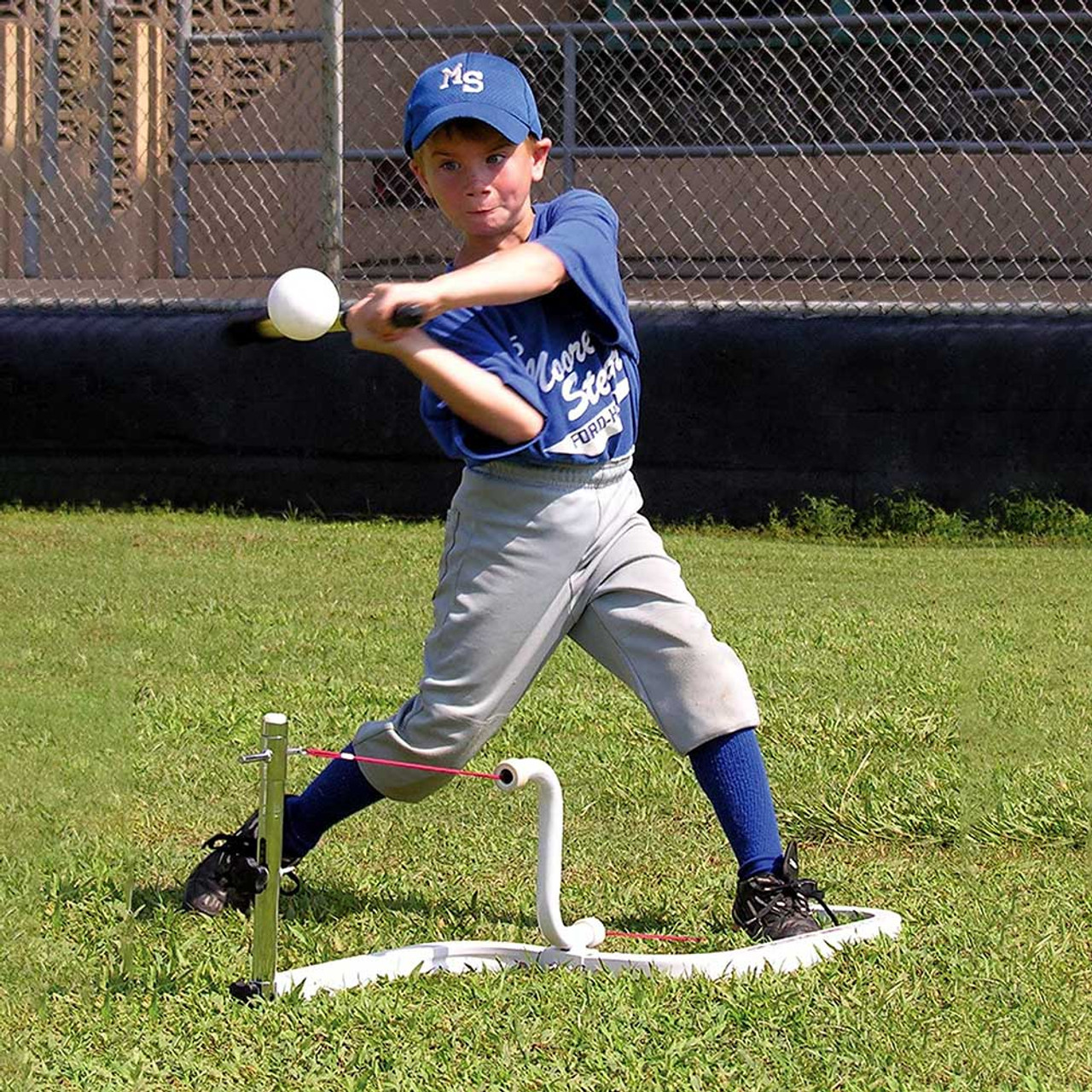
Working with a Tee: To better your swing mechanics, focus on hitting the ball off a tee.
Soft Toss Drills: Practice hitting balls that are tossed underhand from the side.
Live Pitching: To simulate game situations, hit against live pitching.
Drills That Work
Drills are crucial for improving specific aspects of hitting. They help players focus on key elements of their swing and develop muscle memory. Here are some drills that work to incorporate into practice sessions:
Exercises to Enhance Dependability and Strength
Enhancing dependability and strength necessitates concentrated training. These exercises are meant to assist young athletes in developing a more dependable and stronger swing:
Practice with a Batting Tee
Practicing with a batting tee is essential for any batter. It enables players to focus on their swing technique without the interference of a moving ball. Here are some suggestions for productive batting tee practice:
Adjust the tee to different heights to mimic the various pitch locations.
Concentrate on hitting the ball towards the middle or to the opposite field.
Strive to keep a balanced stance and a fluid swing.
Regular training with a tee can assist players in honing a more controlled and powerful swing. For additional tips on improving your swing, check out these level swing techniques.
Soft Toss Drills
Soft toss drills are when a coach or teammate tosses balls underhand from the side. This drill is great for players to work on their timing and hand-eye coordination. For more tips on improving your game, check out how to get out of a hitting slump.
Get into your batting stance with the person tossing the ball standing to the side.
Concentrate on hitting the ball solidly with each toss.
Change up the speed and location of the tosses to mimic different types of pitches.
Soft toss drills are excellent for strengthening good swing techniques and enhancing response time.
Real-Time Pitching
It’s essential for players to practice against real-time pitching to prepare for actual game scenarios. This allows them to adjust to the speed and trajectory of the pitches. Here are some suggestions for real-time pitching practice:
Begin with less fast pitches and slowly increase the velocity.
Concentrate on recognizing the pitch and choosing the right ones to hit.
Stay calm and self-assured when at the plate.
Regular practice against live pitching can help players build confidence and improve their performance in games.
Review and Reflection
It’s crucial to review your performance and reflect on what went well and what didn’t. Here are some ways to do this effectively, including understanding the importance of building confidence in young players.
How to Utilize Video Analysis
Video analysis can be a game-changer when it comes to pinpointing the good and bad aspects of a player’s swing. Here’s how to get the most out of this tool:
Capture the player’s swing from various angles.
Analyze the video to spot any technical problems.
Match the player’s swing with that of professional batters.
Video analysis can help players get a better grasp of their swing and make the required corrections.
Monitoring Improvement
Monitoring improvement allows players to witness their growth over time. Here are a few methods for monitoring improvement:
Maintain a batting journal to log training sessions and performance.
Establish definite objectives and monitor advancement towards achieving them.
Employ statistical evaluation to gauge enhancement in batting metrics.
Monitoring advancement can encourage players to continue working diligently and remain concentrated on their objectives.
Building a Supportive Atmosphere
It’s important to have a supportive atmosphere to help players break out of hitting slumps. Here are some ways coaches and parents can foster positivity:
Coaches’ Responsibility
Coaches are crucial in aiding players through slumps. Here are some suggestions for coaches:
Give positive reinforcement and constructive criticism.
Build a team environment that is supportive and uplifting.
Offer extra practice times to work on particular problems.
Coaches can keep players motivated and confident by being understanding and supportive.
Parental Involvement
Parents have a significant part to play in supporting their child athletes. Here are some methods parents can employ to help:
Boost their spirits by promoting positivity and concentrating on their hard work rather than the outcome.
Offer emotional backing and empathy during their low periods.
Applaud their minor victories and advancements, regardless of how insignificant they may seem.
With the proper parental support, young sportspeople can maintain a positive outlook and navigate their way out of their slumps more efficiently.
Keeping a Positive Outlook During Slumps
Keeping a positive mindset is key to overcoming slumps. Here are some strategies for keeping a positive attitude:
Concentrate on the steps taken to reach the end result, rather than the end result itself.
Establish minor, attainable objectives to boost self-assurance.
Make sure to have encouraging teammates and mentors around you.
By maintaining a positive attitude and staying determined, athletes can navigate through periods of poor performance and emerge more resilient.
Rejoicing in Minor Victories
Rejoicing in minor victories can increase self-assurance and drive. Here are a few methods to commemorate minor achievements:
Acknowledge and praise progress made during practice and in matches.
Establish incentives for accomplishing certain objectives.
Communicate achievements with team members and relatives.
By recognizing minor victories, athletes can remain driven and continue to strive for their broader objectives.
Turning Defeat into Learning Opportunities
Defeat is a natural part of sports, and it’s essential to learn from these defeats. When players go through a hitting slump, it’s crucial to examine what didn’t work and how to make it better. This approach fosters resilience and a mindset of growth.
Urge players to view slumps as chances for improvement rather than as obstacles. By realizing that every player has to deal with difficulties, they can build the mental strength to conquer them. Stress the significance of determination and ongoing progress.
Final Thoughts: Rising Above and Learning from Slumps
While hitting slumps are an unavoidable aspect of baseball and softball, they don’t have to be a lasting fixture. Players can overcome these slumps and enhance their performance by identifying the symptoms, comprehending the reasons, and applying successful methods.
Slumps can be overcome by employing both mental and physical techniques. Confidence can be built up by visualization, positive self-talk, and relaxation, while swing mechanics can be improved by focusing on fundamentals, working with a hitting coach, and practicing effective drills.
It’s also important to have the backing of coaches and parents. Fostering a supportive and uplifting atmosphere can assist players in maintaining their motivation and self-assurance. Recognizing minor victories and extracting lessons from setbacks can raise spirits and keep players on track to achieve their objectives.
Summary of Main Techniques
In summary, here are the main techniques to help young players get out of hitting slumps: check out these youth hitter tips for more detailed strategies.
Identify the symptoms of a slump as soon as possible and respond accordingly.
Understand the typical causes, such as mental hurdles, mechanical problems, and bad pitch selection.
Employ mental strategies like imagining, positive self-talk, and relaxation methods.
Concentrate on physical techniques, including correct fundamentals, collaborating with a hitting coach, and efficient drills.
Establish a supportive atmosphere with motivation from coaches and parents.
Inspiration for Players
To all the young sportsmen and sportswomen out there, bear in mind that slumps are temporary. Every exceptional player has confronted obstacles and surmounted them. Stay optimistic, continue to work diligently, and have faith in your capabilities. You possess the power to escape from any slump and accomplish your objectives.
Are you ready to take your hitting to new heights without compromising on swing quality? The Catapult Loading System is the answer. This mini-course provides a step-by-step guide to help hitters under 100 pounds hit the ball over 300 feet consistently in just two months. Don’t wait – sign up now and watch your hitting improve!
Common Questions
These are some common questions about hitting slumps in youth baseball and softball:
What does a hitting slump mean in youth baseball and softball?
A hitting slump refers to a stretch of time when a player has difficulty making good contact with the ball. This could lead to a higher number of strikeouts, poor quality hits, and a loss of confidence when batting.
What are the signs of a hitting slump?
There are several signs that a player is in a hitting slump. They may be striking out a lot, hitting weakly, or showing a lack of confidence at the plate. They may also be showing signs of frustration, negative body language, and avoiding practice or extra hitting sessions. For more tips on how to handle this, check out how to get out of a hitting slump.
What mental issues often lead to hitting slumps?
Overthinking while at the plate, a lack of confidence, and feelings of anxiety or stress are often the mental culprits behind hitting slumps. These psychological hurdles can greatly affect a player’s performance.
What physical adjustments can help get out of a hitting slump?
Physical adjustments that can help get out of a slump include concentrating on correct swing mechanics, honing basic skills, and performing useful drills. Also, training with a hitting coach can offer beneficial feedback and direction.
What can parents do to help their child get through a hitting slump?
Parents can be a source of emotional support, encourage a positive mindset, and emphasize effort over outcomes. Recognizing small victories and improvements, no matter how small, can also help to build a child’s self-esteem. For more tips, check out this guide on getting out of a hitting slump.
Can certain drills enhance the consistency of hitting?
Absolutely, certain drills like tee work, soft toss drills, and practicing against live pitching can enhance the consistency of hitting. These drills aid players in concentrating on vital aspects of their swing and building muscle memory.
How can video analysis help a young hitter?
Video analysis gives players the chance to see their swing from different perspectives and find any mechanical problems. By comparing their swing to that of professional hitters, players can make the necessary changes to better their performance.
How can coaches assist players in overcoming a slump?
Coaches are vital in providing helpful feedback, fostering a positive team atmosphere, and scheduling extra practice times. Their support and encouragement can aid players in maintaining motivation and self-assurance during slumps. For additional insights, check out these youth hitter tips.

Leave a Reply