Primary Points
Plate discipline enables hitters to make smarter choices at the plate, leading to increased hits and decreased strikeouts.
Comprehending the strike zone is essential for young hitters to avoid swinging at poor pitches.
Identifying different types of pitches can assist hitters in anticipating and responding to pitches more effectively.
Exercising patience at the plate allows hitters to wait for the most favorable pitch to hit.
Creating a strong batting strategy can enhance overall performance and self-assurance at the plate.
Youth Hitter Tips: Plate Discipline Techniques & Strategies
Plate discipline is a crucial ability for any young hitter. It entails knowing when to swing and when to let a pitch pass. This skill, when mastered, can significantly enhance a player’s batting average and overall performance. In this article, we’ll delve into various techniques and strategies to assist young hitters in improving their plate discipline.
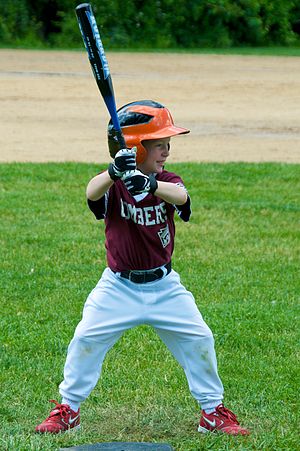
Understanding Plate Discipline and Its Importance
What is Plate Discipline?
Plate discipline refers to a batter’s ability to be selective and only swing at pitches that are in the strike zone. It involves having a sharp eye and good judgment. When hitters have good plate discipline, they force pitchers to throw strikes, which increases the likelihood of getting a good pitch to hit.
How Plate Discipline Contributes to Successful Hitting
The most successful hitters are often the ones with the best plate discipline. They wait for the pitch they want and make good contact, resulting in more hits and fewer strikeouts. For young hitters, developing plate discipline can be a game-changer. It boosts confidence and enhances overall performance.
The Effect of Plate Discipline on a Team’s Performance
In addition to personal achievement, plate discipline can also enhance a team’s performance. When players regularly reach base, it puts the opposing team under pressure and creates more chances to score. A team with disciplined hitters is often more difficult to defeat.
Comprehending the Strike Zone
Understanding the strike zone is critical for improving plate discipline. The strike zone is the space above home plate that a pitch must cross to be deemed a strike. Knowing this area aids batters in deciding whether to swing.
Understanding the Strike Zone
The strike zone is typically described as the area over home plate that extends from the batter’s knees to the halfway point of their torso. It’s crucial for batters to have a good understanding of this zone. Young players can improve their knowledge of the strike zone by practicing with a coach or using visual aids.
Strike Zone Visualization
Visualization is a strong technique. Inspire young hitters to picture the strike zone when they are up to bat. This mental exercise can assist them in making improved choices about which pitches to swing at.
Utilize visual tools such as a strike zone chart.
Work with a coach to solidify the strike zone.
View footage of pro players to understand their strike zone approach.
Strike Zone Recognition Drills
Strike zone recognition requires practice. A good drill is to have players stand at the plate while a coach or fellow player throws pitches. The batter should then identify if the pitch is a strike or a ball. This drill aids in improving judgment and reaction time.
Identifying Various Kinds of Pitches
Being aware of the strike zone is only half the battle. It’s just as crucial to be able to identify different kinds of pitches. Each pitch has its own unique behavior, and knowing what makes each one distinct can provide a substantial edge for hitters.
Typical Pitches and Their Characteristics
Hitters should know about several typical pitches:
Fastball: A pitch that is thrown straight and fast.
Curveball: A pitch that curves towards the plate.
Slider: A pitch that slides away from the hitter.
Changeup: A slower pitch designed to trick the hitter.
How to Recognize Pitches from the Release Point
Being able to recognize pitches early can make a huge difference. Remind hitters to focus on the release point of the pitcher. By noticing how the ball leaves the pitcher’s hand, they can often guess what kind of pitch is coming.
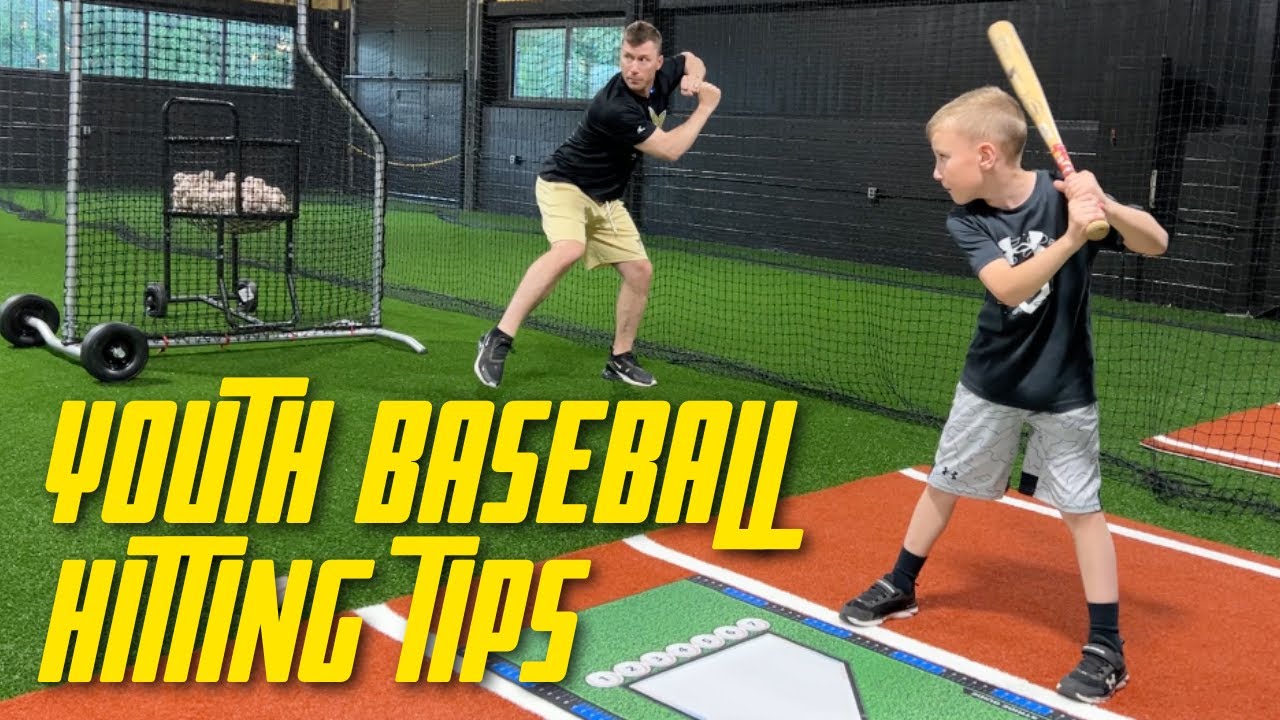
Exercises for Identifying Pitches
Training to recognize pitches can enhance a batter’s skill in distinguishing between various pitches. Here are a few exercises to assist:
Soft Toss Drill: A coach or teammate can gently throw balls from the side while the hitter identifies the type of pitch.
Video Analysis: View videos of pitchers and attempt to determine the pitch types based on where they release the ball and how the ball moves.
Live Batting Practice: Concentrate on identifying the type of pitch before deciding to swing during live batting practice.
How to Recognize Pitches from the Release Point
Recognizing pitches from the release point is a skill that can provide hitters with a significant advantage. Subtle differences in hand position and arm angle when a pitcher releases the ball can indicate the type of pitch that is being thrown. By paying attention to these details, hitters can make more educated decisions about whether or not to swing.
For instance, a fastball is usually thrown with a straight wrist and a higher arm angle. On the other hand, a curveball may have a more noticeable wrist snap and a lower release point. By teaching their eyes to spot these signals, hitters can more effectively predict the pitch. For more tips on improving batting skills, check out this youth batting skills improvement guide.
These exercises help hitters develop a keen eye for different types of pitches and enhance their overall plate discipline.
Learning to Wait for the Right Pitch
Learning to wait for the right pitch is a critical skill for any batter. It lets them hold back until they get the pitch they want and helps them steer clear of bad pitches. While it can be hard to learn to wait, it’s a skill that can be developed with practice.
The Value of Patience at the Plate
Being patient at the plate and waiting for the right pitch to swing at is critical to making good contact. Swinging at pitches outside the strike zone often results in poor contact or strikeouts. By waiting for the right pitch, hitters can increase their chances of getting on base.
Being patient also puts the pitcher under pressure. If batters consistently refuse to swing at pitches outside the strike zone, the pitcher is forced to throw strikes. This can result in more pitches that are easier to hit.
Practice Drills for Better Patience
To get better at being patient at the plate, you need to practice and have discipline. Here are some drills that can help young hitters get better at this: The Ultimate Guide to Plate Discipline for Hitters.
Ball or Strike Drill: During batting practice, ask hitters to call out if they think the pitch was a ball or a strike without swinging. This helps them get better at identifying the strike zone without the pressure of having to hit the ball.
Count Situation Drill: Simulate different count situations during batting practice. For instance, start with a 3-1 count and have hitters focus on waiting for a pitch they can hit hard.
Color-coded Pitch Selection Drill: Set up a tee with different colored balls. Each color represents a different pitch location. Ask hitters to only swing at specific colors, teaching them to be more selective with their swings.
Staying Calm Under Pressure
Staying calm under pressure is a crucial part of plate discipline. Hitters often find themselves in high-pressure situations where they need to stay focused and calm. Here are some tips to help young hitters maintain their composure:
Deep Breathing: Advise hitters to take deep breaths before stepping into the batter’s box. This can help ease their nerves and enhance focus.
Positive Self-Talk: Train hitters to use positive self-talk to increase their confidence. Phrases like “I can do this” or “Stay focused” can make a significant impact.
Routine: Set up a pre-at-bat routine. Having a consistent routine can help hitters feel more at ease and confident in the batter’s box.
Creating a Solid Batting Plan
A solid batting plan is crucial for success at the plate. It involves having a strategy for each at-bat and being prepared to adjust based on the situation. Creating a plan can help hitters stay focused and confident.
Formulating a Batting Plan
Formulating a batting plan requires recognizing the pitcher’s patterns and being aware of your abilities as a hitter. Prior to entering the batter’s box, hitters should have a strategy for what they hope to achieve.
For instance, if a pitcher usually throws fastballs at the beginning of the count, a batter might wait for a fastball to hit hard. On the other hand, if the pitcher prefers to throw curveballs when there are two strikes, the batter should be ready to guard the plate. For more tips on improving your batting, check out these youth baseball batting practice drills.
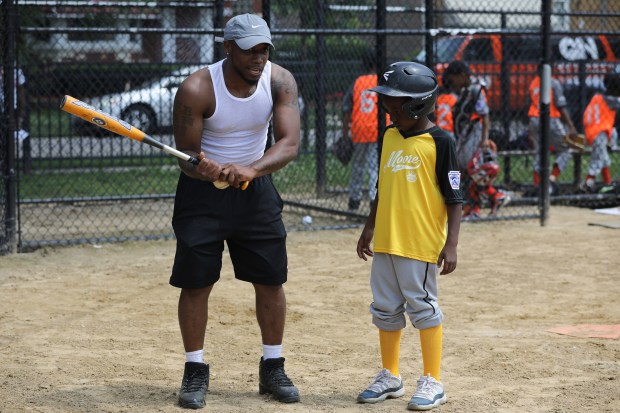
Modifying Approach According to the Count
Modifying your approach according to the count is an essential aspect of a strong batting strategy. The count can determine how aggressive or patient a batter needs to be. Here are some basic rules of thumb to improve kids’ batting techniques:
0-0 Count: Look for a good pitch to hit, but don’t be overly aggressive.
2-0 or 3-1 Count: Be more selective and look for a pitch to drive.
2-2 or 3-2 Count: Protect the plate and be prepared to swing at close pitches.
Setting Goals for Each At-Bat
Setting goals for each at-bat can help hitters stay focused and motivated. Goals should be specific and achievable. For example, a hitter might set a goal to make solid contact or to see a certain number of pitches.
Hitters can track their progress and maintain their drive to get better by setting goals. This also provides them with a focal point during each at-bat, which keeps them involved and self-assured.
Changing Techniques Based on How You’re Doing
It’s important to look at how you’re doing and change your techniques so you can keep getting better. Look at each time you’re at bat to see what you’re good at and what you need to work on. Keep track of important things like how often you get a hit, how often you get on base, and how often you strike out.
Using video analysis is a great way to assess performance. Film your at-bats and watch them back to see if you can spot any trends or areas that need work. Look for things like the pitches you’re choosing to swing at, how you’re swinging, and your general attitude when you’re up to bat.
In Closing
Instilling positive behaviors in young batters is key to their growth and future achievements. Concentrating on plate discipline, getting a handle on the strike zone, distinguishing between various pitches, exercising restraint, and forming a robust batting strategy, youth batters can greatly enhance their batting outcomes.
Teaching Young Hitters Positive Habits
Motivate your young hitters to practice frequently and remain dedicated to their growth. Regular practice and a good attitude can help them establish beneficial habits that will benefit them throughout their time in baseball. Plate discipline is a skill that can be learned and perfected with patience and hard work.
Why Plate Discipline is Crucial in the Long Run
Plate discipline doesn’t just benefit the individual player. It also helps the team as a whole. Hitters with great plate discipline can create more chances for their team to score and put the opposing team’s pitcher under pressure. Plus, if a hitter has good plate discipline, they’ll likely feel more confident and be better able to handle the pressure of high-stakes situations.
Young hitters who dedicate time and energy to improving their plate discipline are paving the way for a successful future in baseball and other areas of life.
Common Questions and Answers
Plate discipline is a complex topic, and you may have a few questions. Here are some of the most common questions and answers to help you understand the main points. For more information, check out our youth baseball swing drills guide.
Defining the Strike Zone in Baseball
The strike zone is the space above home plate that a pitch needs to cross to be considered a strike. It stretches from the knees of the batter to the midpoint of their torso. Understanding the strike zone can help hitters make better decisions about when to swing and when to hold back.
How Can Young Athletes Learn to Distinguish Between Different Pitches?
Young athletes can learn to distinguish between different pitches through regular training and keen observation. Exercises such as the soft toss drill and video analysis can help them identify the types of pitches based on the pitcher’s release point and the movement of the ball. Regular training and exposure to different pitchers will also enhance their pitch recognition skills.
Why Should Hitters Be Patient?
Hitters should be patient because it gives them the opportunity to wait for the best pitch to hit. If they swing at pitches that are not in the strike zone, they often make weak contact or strike out. When hitters are patient, they can wait for a pitch they can hit hard, which increases their chances of getting on base and helping their team win.
What are some ways young players can gain confidence when batting?
To gain confidence when batting, young players should practice regularly, use positive self-talk, and visualize their success. It can also be helpful for them to focus on what they’re good at and set realistic goals for each time they’re up to bat. Having a routine before each at-bat can also make them feel more at ease and focused when they’re in the batter’s box.
What Exercises Can Enhance Kids’ Plate Discipline?
There are various exercises that can enhance kids’ plate discipline, such as the take and track exercise, count exercise, and pitch choice exercise. These exercises emphasize recognizing the strike zone, being selective with swings, and staying patient at the plate. Regular practice with these exercises can greatly improve a hitter’s plate discipline.
How Can Young Athletes Modify Their Batting Techniques?
Young athletes can modify their batting techniques by considering the count and the pitcher’s habits. For instance, in a 2-0 or 3-1 count, batters should be more discerning and look for a pitch they can hit hard. In a 2-2 or 3-2 count, they should be ready to defend the plate and swing at pitches that are close. Recognizing the situation and being flexible are crucial to a successful batting technique. For more tips, check out this guide on hitting strategies for young batters.
How Can You Assess and Enhance Performance?
You can assess performance by regularly reviewing at-bats, tracking important metrics, and analyzing videos. Recognizing patterns and areas that need improvement can assist hitters in making the required adjustments. Consistent practice and a focus on developing good plate discipline habits will result in continuous improvement.
Why is Plate Discipline Key for Long-Term Success?
Plate discipline is key for long-term success because it aids hitters in making smarter decisions at the plate, resulting in more hits and less strikeouts. It also benefits the overall team performance by creating more opportunities to score and putting stress on the opposing pitchers. Building strong plate discipline can enhance a hitter’s self-esteem and toughness, preparing them for success in baseball and beyond. For more insights, check out this ultimate guide to plate discipline.
If you’re looking to improve your game, you might want to check out some advanced training programs that concentrate on improving your hitting skills. One such program is the Complete Hitter Starter Program. This program takes a holistic approach to improving plate discipline, power, and accuracy. It’s designed to help players tap into their full potential and excel on the field. For additional tips, you can also explore youth baseball hitting drills that focus on different techniques.
These tips and strategies can help young hitters develop strong plate discipline and pave the way for a successful future in baseball. Start practicing now and watch your batting performance skyrocket!
Plate discipline is a crucial skill for young hitters to develop. By focusing on pitch recognition and understanding the strike zone, players can improve their on-base percentage and overall hitting performance. Coaches should emphasize the importance of patience at the plate and teach players to wait for pitches they can drive. Utilizing various hitting drills can help reinforce these concepts and build confidence in young athletes.

Leave a Reply