Key Points
Good pitching mechanics can increase performance and decrease the risk of injury.
Good grip techniques are crucial for better control and pitch movement.
Keeping a consistent arm path and slot is vital for accuracy.
Balance and posture during the stride are important for effective pitching.
Drills and exercises are useful for reinforcing good mechanics and building muscle memory.
Why Good Kids Pitching Mechanics Matter
In youth baseball, pitching mechanics are key. Good mechanics not only boost performance but also protect against injuries. Young pitchers need to build a strong foundation so they can enjoy the game they love for many more years.
First and foremost, grasping the fundamentals of pitching mechanics boosts the self-assurance of young players. This allows them to concentrate on honing their abilities instead of being concerned about injury. From the outset, coaches and parents should stress the significance of these mechanics.
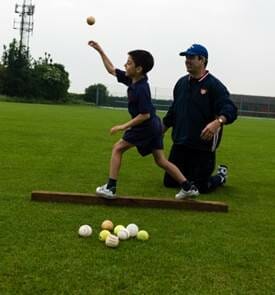
Basic Mechanics Every Young Pitcher Should Master
Every young pitcher should begin with the fundamentals. These basic mechanics will lay the groundwork for more sophisticated techniques later on. Here are some important points to concentrate on:
Balance: It’s important to have a firm stance. Feet should be shoulder-width apart.
Posture: Maintain an upright body and avoid leaning too far in any direction.
Arm Position: The arm should be in a position that feels natural and comfortable.
Foot Placement: The pivot foot needs to be solidly planted on the rubber.
By getting these basics down, young pitchers can set themselves up for success as they learn more advanced skills. For more detailed guidance, check out these fundamentals of throwing mechanics.
How to Grip a Baseball for Better Control
How you grip a baseball can greatly affect the movement of a pitch and how well you can control it. Different grips can result in different types of pitches, each with its own unique movement. So, it’s important to learn and practice these grips.
Picking the Appropriate Grip
The grip you select is determined by the pitch you intend to throw. Here are a few popular grips:
Four-Seam Fastball: Hold the ball across the seams with your index and middle fingers.
Two-Seam Fastball: Put your fingers along the seams for more movement.
Changeup: Grip the ball deeper in your hand with a looser grip.
Curveball: Hold the ball with your middle finger along the bottom seam and snap your wrist when you let go.
How Grip Changes the Way the Ball Moves
The way you hold the ball changes the way it moves. For example, a four-seam fastball is known for going straight and fast. A two-seam fastball, on the other hand, moves more and is harder to hit. To master these grips, young pitchers should focus on the fundamentals of throwing mechanics.
“A changeup is supposed to appear like a fastball but comes in slower, messing with the batter’s rhythm.”
Knowing how each grip impacts the pitch can aid young players in making better decisions on the mound.
Exercises to Perfect Various Holds
It’s critical for young pitchers to practice different holds to become more adaptable. Here are some exercises to help perfect these techniques:
Working on Grips: Encourage the pitcher to hold the ball in various grips and practice throwing to a target.
Drills with a Buddy: Team up with a partner to catch and offer feedback on each pitch.
Drills in the Mirror: Use a mirror to verify hand and finger placement for each grip.
These drills are beneficial for young pitchers as they help develop muscle memory and improve their command over different pitches.
Understanding the Importance of Arm Path and Arm Slot
For a pitch to be successful, the arm path and arm slot play a crucial role. These factors affect the pitch’s speed, accuracy, and movement. Hence, it is important for young pitchers to ensure they maintain a consistent arm path and slot.
Proper Arm Trajectory for Youth Pitchers
Arm trajectory is the course the arm takes during a pitch. A proper arm trajectory should feel fluid and instinctive. Here’s how to get it right:
Lead with the Elbow: The elbow should be the first part of the arm to move, which will help generate power.
Complete the Motion: Make sure the arm completes its motion towards the target.
Smoothness is Key: Avoid any sudden or jerky movements.
Keeping a Steady Arm Slot
The arm slot is the angle that the arm uses to release the ball. It’s important to keep a steady arm slot for accuracy. Here are some tips:
For more detailed guidance, check out this Little League pitching mechanics guide.
Identify Your Natural Slot: Every pitcher has a natural arm slot that feels comfortable to them. Don’t fight it, go with it.
Repetition is Key: The more you practice, the more you’ll reinforce the correct arm slot.
Use Visual Aids: You can use a mirror or record yourself to check your arm slot.
Exercises to Strengthen Arm Positioning
Strengthening your arm and shoulder muscles can help you maintain a consistent arm slot. Here are some exercises to try:
Resistance Band Exercises: Incorporate resistance bands into your workouts to build shoulder strength.
Shoulder Rotations: Regularly perform shoulder rotations to increase flexibility.
Weighted Ball Tosses: Practice throwing a weighted ball to increase strength.
These workouts can assist young pitchers in building the strength and flexibility necessary for maintaining a consistent arm slot. For more tips, check out our fundamentals of throwing mechanics guide.
Keeping a steady arm slot and path is key to a young pitcher’s growth. Now, let’s explore how to place your feet and the stride length, which are necessary for a balanced and strong pitch.
Foot Placement and Stride Length
Correct foot placement and stride length can greatly impact a pitcher’s performance. Begin with the feet at shoulder width to establish a stable base. The pivot foot should be solidly planted on the pitching rubber. This position guarantees stability and balance throughout the pitching motion.
Stride length is just as crucial. A stride that is too long or too short can mess up balance and decrease the power of the pitch. Typically, the stride should be about 75-90% of the pitcher’s height. This length allows for the best power transfer from the legs to the upper body.
Keeping Your Balance and Posture
Staying balanced and maintaining good posture are crucial for throwing consistent pitches. A pitcher who is balanced has better control over their body movements, which can lead to more accurate pitches. Keep your body straight and avoid leaning too far forward or too far backward. This posture helps you keep control and can also reduce your risk of getting injured.
A great way to improve balance is to do one-leg drills. This forces the pitcher to remain steady and in control, even when they’re off balance. The more they do these drills, the better their balance and form will be when they pitch.
Training with Stride Drills
Stride drills are crucial for perfecting foot placement and stride distance. Here are a couple of drills to include in training sessions:
Stride and Balance Drill: Start with your feet shoulder-width apart. Take a stride and hold the position for a few seconds to check your balance.
Target Stride Drill: Put a marker on the ground to show the ideal stride length. Practice striding to the marker and keeping your balance.
Mirror Drill: Use a mirror to check your foot position and stride length. This visual feedback helps you correct any mistakes.
By practicing these drills regularly, young pitchers can develop a strong, balanced stride that improves their overall pitching mechanics.
Exercises to Improve Pitch Precision
Precision is key for any pitcher. The ability to consistently throw strikes can make a pitcher more reliable and efficient. Here are some exercises to help improve pitch precision.

Using Targets and Focus Points
One of the best ways to improve a pitcher’s accuracy is by using targets and focus points. Set up targets in different parts of the strike zone and practice hitting them to develop accuracy. Focusing on specific points, like the catcher’s mitt or a spot on the backstop, can also help with aim.
Another beneficial drill is the “Bullseye Drill.” Draw a bullseye on a wall or backstop and practice hitting the center. This drill helps pitchers focus on a small target, improving their overall throwing mechanics.
Drills for Movement and Repetition
Like any other skill, pitching requires a lot of practice. Repeating the same movements over and over again will help your child build muscle memory and make accurate pitches. Here are some drills that can help improve movement and repetition:
Wall Exercise: Stand a short distance from a wall and practice your pitches. Concentrate on keeping good form and hitting the same spot over and over.
Buddy Exercise: Practice with a friend who can catch and give you feedback on each pitch. This exercise allows pitchers to tweak their form based on immediate feedback.
Consistency Exercise: Set a goal for how many correct pitches you can throw in a row. This exercise promotes consistency and concentration.
These exercises help young pitchers build the accuracy they need to excel on the mound.
Enhanced Techniques for Better Pitch Movement
After mastering the basics, young pitchers can begin to focus on enhanced techniques to better pitch movement. Knowing different pitches and how to create spin are crucial parts of this process.
Getting to Know the Different Pitches
Each pitch has its own unique movement that can make it more difficult for the batter to hit. Here are some of the most common pitches and what makes them unique:
Fastball: A pitch that is thrown straight and fast to outpace the batter.
Curveball: A pitch that breaks down and to the side, making it difficult to hit.
Slider: A pitch that moves sideways and down, often used to trick batters.
Changeup: A slower pitch designed to appear like a fastball, throwing off the batter’s timing.
Knowing how each pitch moves can help young pitchers make more informed decisions on the mound and keep batters guessing.
Generating Spin Tips
Spin is key to getting movement on pitches. Here are some tips to help kids improve their spin:
Grip: The grip is a crucial factor in creating spin. Make sure to position the fingers correctly on the seams.
Wrist Action: Snap the wrist when releasing to create spin. This action will help achieve the desired movement on the pitch.
Follow Through: A proper follow-through ensures that the spin is sustained throughout the pitch.
By focusing on these tips, young pitchers can develop pitches with more movement, making them more effective on the mound.
Typical Errors and How to Steer Clear of Them
Despite receiving the correct instruction, young pitchers can still make errors that impact their game. Here are some typical errors and how to steer clear of them. For more detailed insights, check out the fundamentals of throwing mechanics for young baseball and softball pitchers.
Excessive Shoulder Rotation
When the shoulders rotate too much, it can disrupt balance and decrease the precision of the pitch. To prevent this, concentrate on maintaining shoulder alignment with the target during the entire pitching motion. This problem can be identified and fixed with mirror practice.
Unsteady Release Points
Unsteady release points can result in unpredictable pitches. To keep a steady release point, concentrate on repetition and muscle memory. Train to throw from the same arm slot and release point to build consistency.
Avoiding Loss of Balance
When balance is lost during a pitch, it can negatively impact both the power and accuracy of the throw. To avoid this, concentrate on keeping a solid foundation and maintaining the correct posture. Balance exercises, like standing on one foot, can help increase stability.
By correcting these typical errors, young pitchers can enhance their mechanics and become more successful on the mound.
Keeping the same arm position and movement is key to a young pitcher’s growth. Now, let’s look at how to place your feet and how long your stride should be, both of which are necessary for a balanced and strong pitch. For more details, check out these fundamentals of throwing mechanics.
Foot Placement and Stride Distance
The right foot placement and stride distance can drastically improve a pitcher’s game. Begin with feet at shoulder-width to form a solid foundation. The pivot foot needs to be securely on the pitching rubber. This stance guarantees stability and balance during the pitch. For more details, check out these fundamentals of throwing mechanics for young pitchers.
Stride length is just as crucial. A stride that is too long or too short can disrupt balance and lessen the power of the pitch. Typically, the stride should be about 75-90% of the pitcher’s height. This length allows for optimal power transfer from the legs to the upper body.
Keeping Balance and Posture
Balance and posture are crucial to consistently delivering a pitch. If a pitcher is well-balanced, they can better control their body movements, which leads to more accurate pitches. Keep the body upright and avoid leaning too far forward or backward. This posture helps maintain control and reduces the risk of injury.
Performing one-leg drills is a great way to practice balance. This exercise forces the pitcher to stay steady and in control, even when they’re not balanced. With consistent practice, these drills will improve a pitcher’s balance and posture when they pitch.
Training with Stride Exercises
Stride exercises are key to perfecting foot placement and stride distance. Here are several exercises to include in training routines. For additional tips on improving your pitching, check out these Little League pitching mechanics.
Stride and Balance Drill: Begin with feet spaced the same width as your shoulders. Take a step forward and maintain the position for a few seconds to test your balance.
Target Stride Drill: Set a marker on the ground to represent the ideal stride length. Practice stepping to the marker and keeping your balance.
Mirror Drill: Use a mirror to verify foot placement and stride length. This visual feedback is beneficial for correcting any errors.
With regular practice of these drills, young pitchers can develop a powerful, balanced stride that improves their overall pitching mechanics.
Exercises to Improve Pitch Precision
For any pitcher, precision is key. The ability to reliably throw strikes makes a pitcher more efficient and reliable. Here are some exercises to help enhance pitch precision, including tips on throwing mechanics.
Aiming Techniques
Practicing with targets and focus points can greatly enhance a pitcher’s precision. Begin by placing targets in various spots within the strike zone. Work on hitting these targets to refine accuracy. Concentrate on certain points, like the catcher’s mitt or a spot on the backstop, to better develop aim. For more tips, check out this guide on pitching mechanics.
The “Bullseye Drill” is another great exercise to try. Simply draw a bullseye on a wall or backstop and aim to hit the center. This drill allows pitchers to concentrate on a small target, enhancing their overall precision.
Drills for Movement and Repetition
Like any other skill, pitching requires a lot of repetition to become a master. Regular practice helps create muscle memory, which can make accurate pitching feel like second nature. Here are some drills for movement and repetition to include in your practice:
Wall Drill: Have the pitcher stand a few feet away from a wall and throw pitches at it. The goal is to keep their mechanics in check and hit the same spot over and over.
Partner Drill: A pitcher and their partner can catch and give feedback on each pitch. This drill allows pitchers to adjust their mechanics based on real-time feedback.
Repetition Drill: Set a goal for how many accurate pitches they can throw in a row. This drill helps with consistency and focus.
These drills can help young pitchers develop the accuracy they need to be successful on the mound.
Advice for Creating Spin
Creating spin is key for generating movement on pitches. Here are some suggestions to assist young pitchers in enhancing their spin: Incorporate effective pitching mechanics to improve their overall performance.
How You Hold the Ball: How you hold the ball is crucial to creating spin. Make sure your fingers are correctly positioned on the seams.
What You Do with Your Wrist: Snap your wrist when you let go of the ball to create spin. This is what gives the ball the movement you want.
How You Finish the Pitch: Finishing the pitch correctly ensures that the spin continues for the entire pitch.
By concentrating on these tips, young pitchers can learn to throw pitches that move more, making them more successful on the pitcher’s mound.
Usual Errors and How to Prevent Them
Despite the best coaching, young pitchers can still make errors that impact their game. Here are some usual errors and how to prevent them.

Shoulder Over-Rotation
When the shoulders over-rotate, it can disrupt balance and lessen the accuracy of a pitch. To counteract this, concentrate on maintaining shoulder alignment with the target throughout the pitch. Practicing in front of a mirror is a good way to spot and fix this problem.
Unstable Release Points
Unstable release points may result in unpredictable pitches. To achieve a stable release point, concentrate on repetition and muscle memory. Consistency can be developed by practicing throwing from the same arm slot and release point.
Avoiding Loss of Balance
When a pitcher loses their balance, it can impact both the accuracy and power of their pitch. To avoid this, pitchers should work on keeping a solid foundation and maintaining good posture. Balance exercises, like standing on one leg, can also help to improve stability. For more on this, check out our guide on pitching mechanics and leg drive.
Addressing these common errors can help young pitchers enhance their mechanics and become more successful on the mound. For more detailed guidance, check out these fundamentals of throwing mechanics.
Staying Healthy and Avoiding Injuries
Ensuring that young pitchers stay healthy is just as important as improving their abilities. Adequate warm-ups, strengthening workouts, and early injury detection can help avoid more serious problems down the line.
Why You Should Always Warm-Up
It’s essential to warm up before you start pitching to avoid getting hurt. A great warm-up routine should include some stretching, a little bit of jogging, and arm circles to get your blood pumping and muscles ready to go. Doing this can help lower your chances of pulling a muscle or getting another type of injury. For more tips on youth pitching, check out this guide on teaching Little League pitching mechanics.
Workouts to Build Strength
Workouts that build strength can assist young pitchers in developing the muscle required to sustain their pitching mechanics. Here are a few workouts to include in their regimen:
Resistance Band Training: Strengthen shoulder and arm muscles with resistance bands.
Abdominal Workouts: Core strength is key for pitching, and can be developed with exercises like planks and sit-ups.
Lower Body Training: Squats and lunges are great for building leg strength, which is necessary for a stable pitching base.
These workouts can help youth pitchers develop the strength they need for a successful and injury-free pitching career.
Spotting Early Injury Indicators
Spotting early injury indicators can stop more serious problems in their tracks. Here’s what to look out for: understanding throwing mechanics for young pitchers can be crucial in identifying potential issues early.
Discomfort: Ongoing discomfort in the shoulder, elbow, or wrist could be a symptom of an injury.
Inflammation: Inflammation in the arm or shoulder could suggest inflammation or an injury.
Performance Drop: A sudden decrease in performance or precision could suggest an underlying problem.
If any of these symptoms are present, it’s critical to seek medical help and rest to avoid further injury.
Conclusion on Training Young Pitchers
Training young pitchers is a process that requires time, patience, and constant practice. By emphasizing correct mechanics, strengthening exercises, and injury prevention, young players can establish a solid foundation for a successful pitching career.
Reinforcing Regular Practice and Patience
Regular practice and patience are the two main ingredients in nurturing young pitchers. Make sure they understand the importance of consistent practice and gradual improvement. Let them know that progress doesn’t happen overnight and that patience and persistence are key. For more insights, check out these tips for teaching little league pitching mechanics.
Here are some tips to help promote consistency and patience:
Goal Setting: Encourage young pitchers to set achievable goals to keep them motivated.
Progress Tracking: Show them their progress to see how much they have improved.
Positive Attitude: Keep them positive and remind them that it takes time to improve.
Gaining Confidence Through Practice
Confidence is key for any pitcher. With regular practice and a focus on improvement, young pitchers can gain the confidence they need to succeed on the mound. Encourage them to practice different types of pitches, work on their mechanics, and keep their goals in mind.
Here are some suggestions for boosting confidence through practice:
Regular Practice: Regular practice helps build muscle memory and confidence.
Focus on Improvement: Encourage young pitchers to focus on improving their skills rather than comparing themselves to others.
Stay Positive: Remind them to stay positive and keep working towards their goals.
Keeping Baseball Fun for Kids
Most importantly, baseball should be fun for kids. Encourage them to enjoy the game and have fun on the field. By keeping baseball enjoyable, young players are more likely to stay motivated and continue improving their skills. For more tips, check out this guide for teaching Little League pitching mechanics.
Here are some ways to keep baseball enjoyable for kids:
Promote Teamwork: Stress the importance of teamwork.
Recognize Achievements: Recognize their achievements, no matter how small.
Keep it Fun: Remind them that it’s just a game and to enjoy themselves.
Commonly Asked Questions (FAQ)
What is the ideal age to start pitching?
The ideal age to start pitching can vary, but most experts suggest starting around 8-10 years old. At this age, children have developed the coordination and strength needed to start learning proper pitching mechanics.
How frequently should children practice pitching?
Children should practice pitching regularly, but it’s crucial not to overdo it. Strive for 2-3 practice sessions per week, with ample rest in between to avoid overuse injuries.
“Pitching skills can be improved with regular practice, which helps build muscle memory. But it’s also crucial to rest to avoid injuries.”
How can you tell if someone has good pitching mechanics?
There are several key elements that indicate good pitching mechanics:
Stability: The pitcher needs to maintain a steady, balanced stance during the entire pitching motion.
Arm Trajectory: The arm should follow a smooth, natural trajectory when throwing the pitch.
Uniform Arm Slot: The pitcher should release the ball from the same arm slot every time.
Appropriate Stride: The stride should be balanced and suitable for the pitcher’s height.
By paying attention to these aspects, young pitchers can develop proper mechanics and enhance their performance on the mound.
Teaching kids the proper pitching mechanics is essential for their development in baseball. By focusing on the fundamentals, young pitchers can improve their accuracy, velocity, and overall performance on the mound. One crucial aspect is incorporating leg drive effectively, which can significantly enhance their pitch movement and power. Regular practice and constructive feedback will help them build confidence and refine their skills over time.

Leave a Reply