Key Points
Correct pitching mechanics can boost performance and reduce the risk of injury.
Common mistakes include poor posture, incorrect arm path, and not using the lower body enough.
Biomechanics can help us understand how the body moves and transfers energy.
Improving mechanics can lead to better velocity, accuracy, and confidence.
Regular practice and professional coaching are key to development.
The Importance of Correct Pitching Mechanics
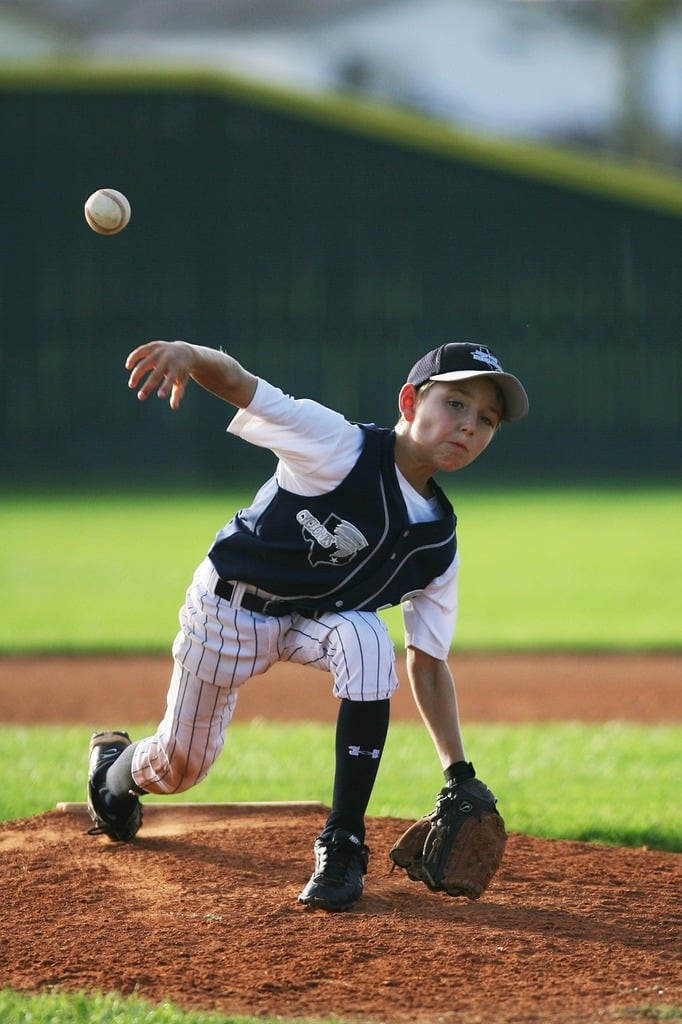
In youth baseball, getting the pitching mechanics right is very important. It can not only enhance performance but also lower the risk of injury. For young players, learning the correct techniques early on can make a big difference to their long-term success and health.
Performance Effects
Proper pitching mechanics can enable young athletes to throw harder and with greater precision. Efficient body movement allows for increased power and control. This can make a pitcher more successful on the mound, thereby increasing their team’s odds of winning games.
Decreasing the Risk of Injuries
Incorrect pitching mechanics can put a lot of stress on a young pitcher’s arm, especially on the shoulder and elbow. This can cause injuries that could keep them out of the game for a long period. By concentrating on correct mechanics, we can prevent these injuries and keep young athletes playing.
Developing Athletes for the Long Haul
Not only do good mechanics enhance performance and lessen the likelihood of injuries, but they also set the stage for the athlete’s long-term development. As young pitchers mature and their bodies undergo changes, having robust mechanics will aid them in adapting and continually improving.
Typical Mistakes in Youth Pitching Techniques
Despite their best efforts, young pitchers frequently form detrimental habits that can impair their performance and raise their likelihood of getting hurt. Here are some typical mistakes to keep an eye out for: youth pitchers training tips.
Improper Posture and Alignment
Stooping or bending excessively forward.
Not correctly lining up the shoulders and hips.
Not keeping a steady base with the feet.
Bad posture can disrupt the whole pitching motion. When a pitcher fails to keep correct alignment, it can result in erratic throws and extra strain on the arm. For more information on improving pitching mechanics, check out these training tips to increase velocity.
Improper Arm Trajectory
The arm trajectory is the path that the arm follows from the beginning of the pitch until the ball is released. Some frequent errors consist of:
Lowering the elbow excessively.
Twisting the shoulder too much.
Letting go of the ball either too soon or too late.
These mistakes can influence the pitch’s speed and precision, as well as elevate the likelihood of getting hurt. For more information on how to improve, check out these training tips to increase velocity.
Insufficient Use of the Lower Body
A lot of young pitchers tend to depend excessively on their arms and insufficiently on their legs and core. The lower body is vital in producing power and steadiness. Without the correct use of the lower body, pitchers might find it hard to throw with speed and precision. For more tips on improving pitching, check out these youth pitchers training tips.
Incorrect Follow-Through
The follow-through is the last step in the pitching sequence, where the pitcher finishes the toss and gets ready for the next move. Usual errors include:
For more detailed training, check out this guide on baseball and softball training for kids.
Halting the arm suddenly.
Not ending in a balanced stance.
Not aligning the shoulders towards the target.
Incorrect follow-through may result in inaccurate pitch placement and additional strain on the arm.
How Biomechanics Affects Pitching
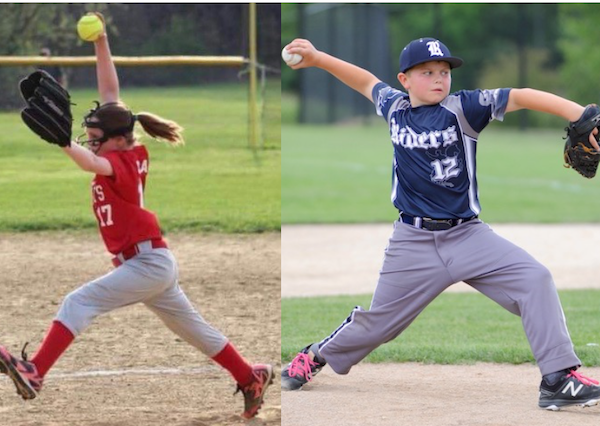
Biomechanics is the study of how the body moves. When it comes to pitching, it’s about comprehending the intricate interplay of muscles, joints, and bones to produce a motion that is both efficient and powerful.
Grasping the Concept of Body Movements
Studying body movements allows us to determine the most effective pitching methods. This involves examining the coordinated action of the legs, hips, torso, and arms to produce force and precision. Grasping these movements aids us in instructing young pitchers on the most excellent practices.
Transferring Energy Through the Kinetic Chain
The kinetic chain is the series of movements that transfers energy from the ground, through the body, and into the ball. Correct mechanics make sure that this energy is transferred efficiently, which maximizes power and reduces strain on the arm. For more tips on improving pitching mechanics, check out these training tips to increase velocity.
Advantages of Enhancing Pitching Techniques
When young pitchers concentrate on enhancing their techniques, the rewards are plentiful and wide-ranging. From amplified speed and precision to lessened injuries and heightened self-assurance, the benefits are evident. Let’s delve into these advantages in greater depth.
Boosted Pitching Speed
One of the most evident advantages of good pitching mechanics is a boost in speed. When a pitcher effectively uses their body, they can produce more strength and velocity. This doesn’t simply imply throwing harder; it implies throwing harder with less strain.
Consider a young pitcher who has learned to use their lower body correctly. By using their legs and hips to power their motion, they can transfer more energy into the pitch. This results in faster pitches without adding extra stress to their arm.
Enhancing Pitching Precision
Precision is equally or even more crucial than speed. Appropriate techniques assist pitchers in managing their throws, allowing them to hit their target more frequently. This could significantly influence a game, where one accurately thrown pitch can alter the result.
Imagine a pitcher who has trouble with alignment. If they concentrate on keeping good posture and aligning their shoulders and hips, they can improve their control. This results in fewer wild pitches and more strikes, increasing their team’s chances of winning. For more tips, check out these training tips to increase velocity.
Ensure that the feet are firmly planted.
Keep the shoulders and hips in line during the entire motion.
End with a balanced follow-through.
Preventing Injuries and Prolonging the Career
Perhaps the most significant advantage of proper mechanics is the prevention of injuries. Young pitchers are particularly susceptible to arm injuries, which can be career-ending if they are not treated. By focusing on mechanics, we can help prevent these injuries and ensure a long, healthy career.
Use the lower body to lessen the load on the arm.
Keep the right arm path to prevent strain on the shoulder and elbow.
Perform the correct follow-through to lessen the impact on the joints.
For example, a young pitcher who learns to utilize their legs and core can greatly reduce the strain on their arm. This not only avoids injuries but also assists them in pitching more effectively in the long run.
Boosted Self-Confidence and Game Performance
Enhancing pitching mechanics can also elevate a young athlete’s self-confidence. When they witness their performance getting better, it can positively influence their overall game. Confidence on the mound often results in better performance, both in pitching and other game elements. For more information on how to improve pitching mechanics, check out Youth Pitching Mechanics and Drills.
“I can recall a time when I was coaching a young pitcher who had a hard time with accuracy. After we concentrated on his mechanics for several weeks, he began to hit his targets with greater consistency. The increase in his performance was obvious, but the increase in his self-assurance was even more noteworthy. He went from doubting his abilities to believing he could strike out any batter.”
This type of transformation can be incredibly motivating for young athletes, demonstrating to them that dedication and meticulousness can result in substantial improvements. For more tips on coaching young players, check out these baseball and softball training techniques.
Handy Advice and Exercises for Trainers and Athletes
Having discussed the advantages of correct throwing techniques, let’s consider some handy advice and exercises that can assist young throwers in improving. These exercises concentrate on various parts of the throwing motion, from stance and alignment to arm trajectory and follow-through.
Exercises to Better Your Stance and Positioning
Keeping the right stance and positioning is key for successful pitching. Here are some exercises to help young pitchers concentrate on these elements:
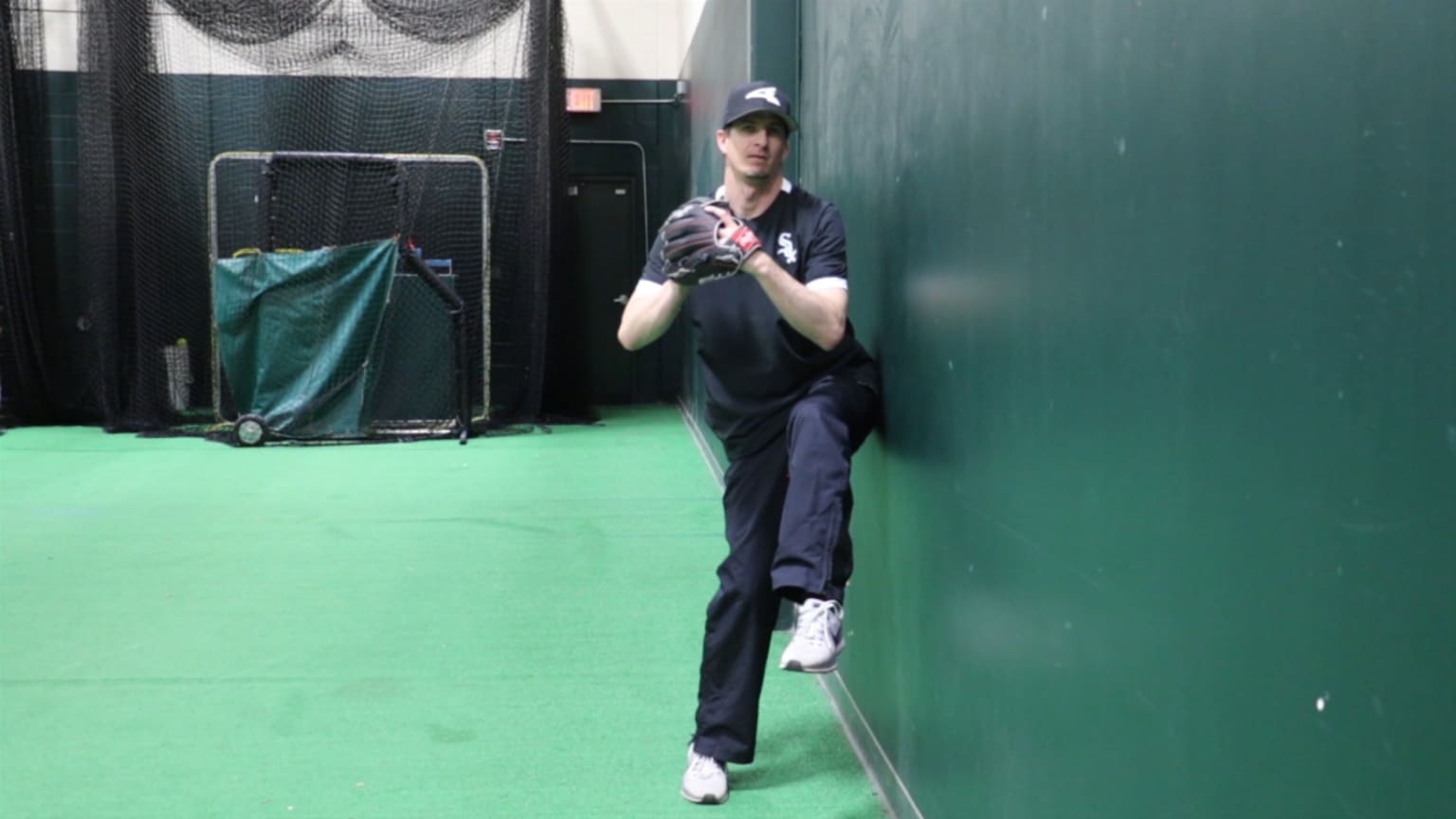
Wall Drill: Ask the pitcher to stand with their back touching a wall, making sure their shoulders and hips are straight. They should then practice the pitching motion while keeping their back against the wall.
Balance Beam Drill: Use a balance beam or a line on the floor to practice stepping and pitching in a straight line.
Exercises to Improve Arm Path
The arm path is an important part of the pitching motion. Here are some exercises to help young pitchers develop a smooth and effective arm path:
For more tailored skills by age group, check out this baseball and softball training guide.
A practical exercise to consider is the “Mirror Drill.” Ask the pitcher to work on their arm path while looking at a mirror, ensuring that the elbow is at the appropriate height and following a straight path. This visual feedback will assist them in making changes and building muscle memory.
Another helpful exercise is the “Towel Drill.” The pitcher should grip a small towel in their throwing hand and go through their pitching motion. The objective is to snap the towel at the point of release, which aids in instilling the proper arm path.
Mirror Drill: This drill involves practicing your arm path in front of a mirror to get visual feedback.
Towel Drill: This drill uses a towel to help reinforce the correct arm path.
Techniques to Strengthen the Lower Body
The lower body is crucial for generating power and stability in the pitch. Here are some techniques to make your lower body stronger:
For tailored skills by age group, check out this article on baseball and softball training for kids.
Squats and lunges are great for building strength in the legs. Young pitchers should be encouraged to make these exercises a part of their regular workout routine. Additionally, practicing explosive movements like jump squats can help develop the power needed for pitching.
Drills for Perfecting the Follow-Through
The follow-through is the last step in the pitching sequence. Here are a few drills to help young pitchers perfect a balanced and smooth follow-through:
One of the best exercises for this is the “Bucket Drill”. You can place a bucket or a cone approximately five feet in front of the pitcher. They should practice their follow-through, with the goal of ending with their throwing hand touching the bucket or cone. This promotes a full and balanced follow-through.
“I coached a young pitcher who had a hard time with his follow-through, often halting his arm suddenly. We frequently used the Bucket Drill, and it made a big impact. He developed a more fluid, balanced follow-through, which enhanced his overall pitching.”
Another beneficial drill is the “Target Drill.” Set a target on the ground and have the pitcher practice their follow-through, aiming to end with their foot landing on the target. This helps guarantee a full and balanced motion.
These routines and workouts can greatly enhance a young pitcher’s techniques, equipping them with the necessary skills to excel on the pitching mound.
Conclusion
Getting better at pitching for young athletes is a journey that requires commitment, practice, and attention to detail. By focusing on proper mechanics, young pitchers can improve their performance, reduce the risk of injuries, and build a strong foundation for their future in the sport.
Practice makes perfect. Young pitchers should be urged to regularly hone their mechanics by including drills and exercises in their regimen. Moreover, the insights and feedback from professional coaching can prove invaluable in helping them make the tweaks needed to get better.
It’s also crucial to keep learning and growing. The sports world is always changing, and keeping up-to-date with the newest strategies and best methods can give young pitchers a competitive edge. For instance, tailored skills training by age group can significantly enhance their performance.
By focusing on the right techniques, we can motivate and enable young players to achieve their maximum potential on the pitcher’s mound and in other areas.
The Significance of Regular Training
Regular training is a key factor in enhancing pitching mechanics. It aids young pitchers in establishing muscle memory, guaranteeing that the proper actions become instinctive. Continuous training also gives pitchers the opportunity to perfect their methods, gradually progressing over time.
Reserve a specific time each week for pitching practice. This can be working on specific drills, practicing with a coach, or even throwing with a teammate. The important thing is to make practice a regular part of the routine, so that progress can be steady and continuous.
Getting Help from a Pro
Practice makes perfect, but sometimes you need a little help. That’s where a professional coach comes in. They can watch your pitching and spot any problems. They can give you tips on how to fix them. Plus, they can tell you what you’re doing right and what you need to work on.
Try to find a coach who knows about pitching mechanics. They can give you one-on-one training and make a practice schedule that’s just for you. This can really help you get better at practice and improve your mechanics.
Never Stop Learning and Growing
Improving pitching mechanics isn’t a one-time thing. It’s not about a few drills or a couple of coaching sessions. It’s about continuous learning and development. This means keeping up with the latest techniques, attending workshops or clinics, and being open to new ideas and approaches.
Young pitchers should be urged to read books, watch teaching videos, and learn from seasoned players and coaches. The more they understand about pitching mechanics, the more prepared they’ll be to make changes and enhancements. Continuous learning promotes a growth mindset, which is essential for continuous development and success in the sport.
Commonly Asked Questions
These are some usual inquiries regarding youth pitching mechanics, with in-depth responses to assist young pitchers and their trainers.
What pitching errors are most frequently seen in young athletes?
Young athletes often make pitching errors like poor posture and alignment, incorrect arm path, not using their lower body enough, and not following through properly. These errors can hinder their performance and make them more likely to get injured. It’s crucial to correct these errors early on to help them develop good habits and efficient mechanics.
How does biomechanics contribute to the enhancement of pitching mechanics?
Biomechanics offers an in-depth comprehension of the body’s movements during the pitching motion. By examining these movements, coaches and players can pinpoint the most effective techniques, guaranteeing that energy is transmitted efficiently and arm strain is minimized. This results in superior performance and a decreased likelihood of injury.
What exercises can enhance a young athlete’s pitching technique?
Efficient exercises incorporate the Wall Exercise for stance and alignment, the Mirror Exercise and Towel Exercise for arm trajectory, squats and lunges for lower body power, and the Bucket Exercise and Target Exercise for follow-through. These exercises concentrate on various parts of the pitching movement, assisting young pitchers in developing a comprehensive and effective method.
What can be done to avoid injuries related to pitching in youth athletes?
Injury prevention comes down to proper mechanics, using the lower body to take stress off the arm, maintaining a proper arm path, and following through correctly. Regular practice, professional coaching, and strength training also play a role in preventing injuries. Additionally, keeping track of pitch counts and making sure to rest enough can help to safeguard young pitchers from injuries due to overuse.
How important is strength training for pitching?
Strength training is key to developing the power and stability necessary for successful pitching. Working out the legs, core, and upper body can help pitchers create more force and keep their mechanics in check. Strength training can also help avoid injuries by making sure the muscles and joints are tough enough to take on the rigors of pitching.
How frequently should young pitchers work on their mechanics?
Young pitchers should work on their mechanics on a regular basis, ideally multiple times a week. However, it’s crucial to strike a balance between practice and rest to prevent overuse injuries. Using a variety of drills and exercises can make practice sessions more interesting and productive. Consistency is crucial, so setting up a regular practice schedule can help young pitchers improve steadily.
Enhancing the pitching mechanics of young players is a multi-faceted journey that includes grasping the principles of biomechanics, consistent practice, guidance from experts, and a commitment to lifelong learning. By zeroing in on these aspects, youthful pitchers can improve their game, lessen the likelihood of injuries, and establish a robust base for their future in baseball. With hard work and the correct strategy, they can reach their maximum potential on the pitcher’s mound.

Leave a Reply