Main Points
Begin with basic, enjoyable activities to instill an interest and basic abilities in baseball and softball in children.
Use tee ball to enhance hand-eye coordination and basic hitting skills.
Involve young novices in drills that prioritize enjoyment and basic skill development.
Transition to coach pitch for ages 7-9 to introduce more complex mechanics and game understanding.
Customized training fosters confidence, teamwork, and a lifelong passion for the game.
Baseball & Softball Training for Kids: Skills Adapted by Age Group
Laying a Solid Foundation: Ages 4-6
Introducing children to baseball or softball at a young age can foster a lifelong passion for the sport. Between the ages of 4 and 6, the emphasis should be on making the sport enjoyable and engaging while teaching basic skills.
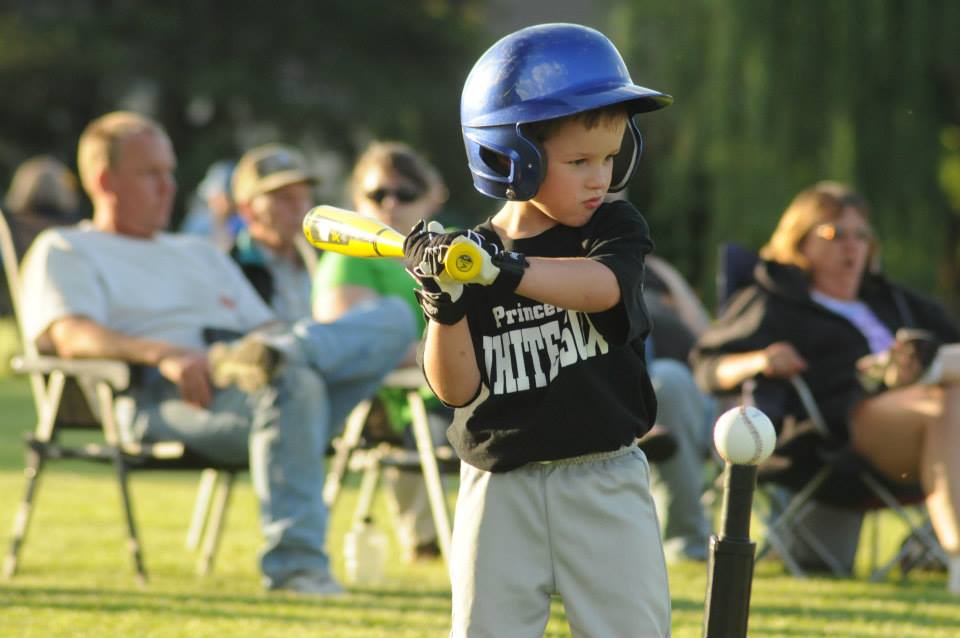
Getting Started with Simple Ideas and Enjoyable Games
At this stage, kids are starting to make sense of the world around them. So, it’s crucial to get them into the game in a way that grabs their attention. Use bright gear and keep the games fun.
Show them the correct way to grip a bat and toss a ball.
Opt for balls that are soft and light to avoid any harm.
Include fun games that involve sprinting, catching, and batting.
These tasks not only provide an introduction to the basics, but also aid in the development of motor skills and coordination.
Tee Ball and Developing Hand-Eye Coordination
Tee ball is a great method for getting young children used to hitting a ball. It lets them concentrate on their swing instead of a moving target.
“My 5-year-old son has improved his hand-eye coordination thanks to tee ball. He enjoys knocking the ball off the tee and it’s been an excellent method to get him started with baseball.” – Parent Testimonial
Children can learn the right batting posture and how to swing the bat properly by training with a tee. This base is vital as they move on to higher levels of play.
Interactive Exercises for Young Starters
It’s crucial to keep young kids engaged to sustain their interest in the sport. Enjoyable exercises that seem more like games can be very effective.
Let’s consider a few examples:
Balloon Toss: Use balloons to practice catching and throwing. The slow movement of the balloon makes it easier for young kids to track and catch.
Target Practice: Set up targets for kids to aim at when throwing the ball. This can help improve their accuracy and focus.
Base Running Relays: Create relay races where kids run between bases. This helps them understand the layout of the field and improves their running skills.
These drills not only teach essential skills but also make the learning process enjoyable.
Building Fundamental Abilities: Ages 7-9
With age, children gain the capacity to comprehend and execute more intricate tasks. Between the ages of 7 and 9, the emphasis is on building fundamental abilities and incorporating more organized training.
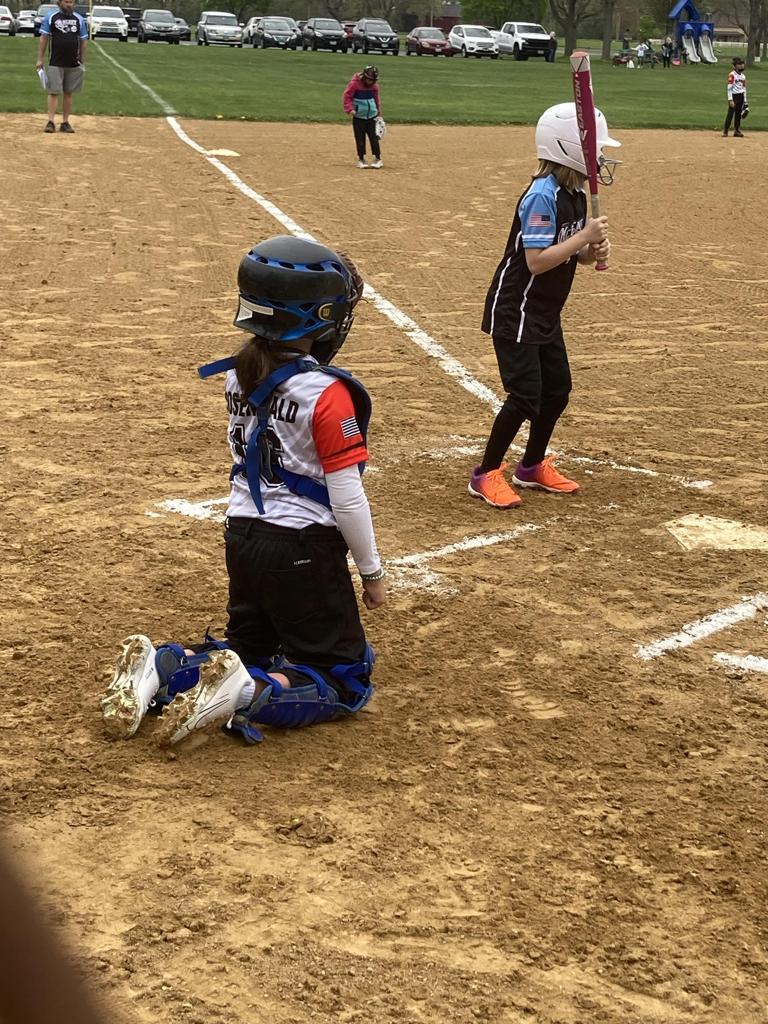
Moving to Coach Pitch
At this point, moving from tee ball to coach pitch can assist children in becoming accustomed to striking a moving ball. This is a crucial milestone in their growth as it necessitates improved timing and hand-eye coordination.
In coach pitch, a coach or parent tosses the ball underhand to the batter. This controlled setup lets children work on their swing with a live pitch, while still keeping the game enjoyable and not too competitive. For more tips on coaching young players, check out the youth baseball and softball coaches resources.
Moreover, it’s crucial to keep stressing the importance of the basics such as throwing, catching, and fielding. These foundational skills pave the way for more complex techniques down the line.
Entertaining Exercises to Enhance Fundamental Abilities
For children to stay interested and enhance their fundamental abilities, it’s vital to include entertaining exercises in their training. These exercises should aim to test them while ensuring the experience remains pleasurable.
Here are a few useful exercises:
Target Practice: Arrange various targets at different distances and encourage the children to throw balls to hit them. This exercise will help improve their throwing precision and power.
Ground Ball Madness: Roll ground balls towards the players and get them to field and throw to first base as quickly as they can. This will improve their fielding techniques and fast decision-making skills.
Backyard Home Run Competition: Organize a mini home run competition in your backyard. The children will enjoy the competitive element, and it will help them develop their batting skills.
These exercises not only improve their skills but also make the practice sessions something they eagerly anticipate. For more tips, check out these batting practice benefits and drills.
Improving Advanced Skills: Ages 10-12
When kids hit the 10-12 age bracket, they’re prepared to handle more advanced skills. This is the period to polish their abilities and bring in more complicated parts of the game.
Getting Started with Player Pitch
Moving on to player pitch is a big step in a young athlete’s career. It brings a new level of difficulty and thrill to the sport.
When children begin to pitch to one another, they are forced to adjust to a variety of pitching styles and speeds. This necessitates improved timing and accuracy in their swings.
Teaching correct pitching mechanics is important to prevent injuries and ensure successful throws. Grip, stance, and follow-through are areas that coaches should focus on to help young pitchers build a strong foundation.
Enhanced Batting Techniques: Strength and Precision
At this point, players should begin to concentrate on enhanced batting techniques to boost their strength and precision. This includes learning about various kinds of pitches and how to respond to them.
Here are a few pointers on advanced hitting:
Keep Your Eye on the Ball: Instructing players to focus on the ball from the moment it leaves the pitcher’s hand until it makes contact with the bat. This will improve their pitch judgement skills.
Weight Shift and Power: Highlight the significance of a proper weight shift (load) and a powerful, quick movement towards the ball. This will increase the power in their swing.
Adapting to the Game: Instruct players to modify their batting approach based on the situation in the game. For instance, hitting behind the runner or aiming for a specific area of the field.
These tactics will assist players in becoming better hitters and making a greater contribution to the success of their team. For additional tips, check out this youth batting skills improvement guide.
Defensive Skills: Learning Infield and Outfield Techniques
Defensive skills carry as much weight as offensive skills in baseball and softball. It’s essential for players to master both infield and outfield techniques to develop into versatile athletes.
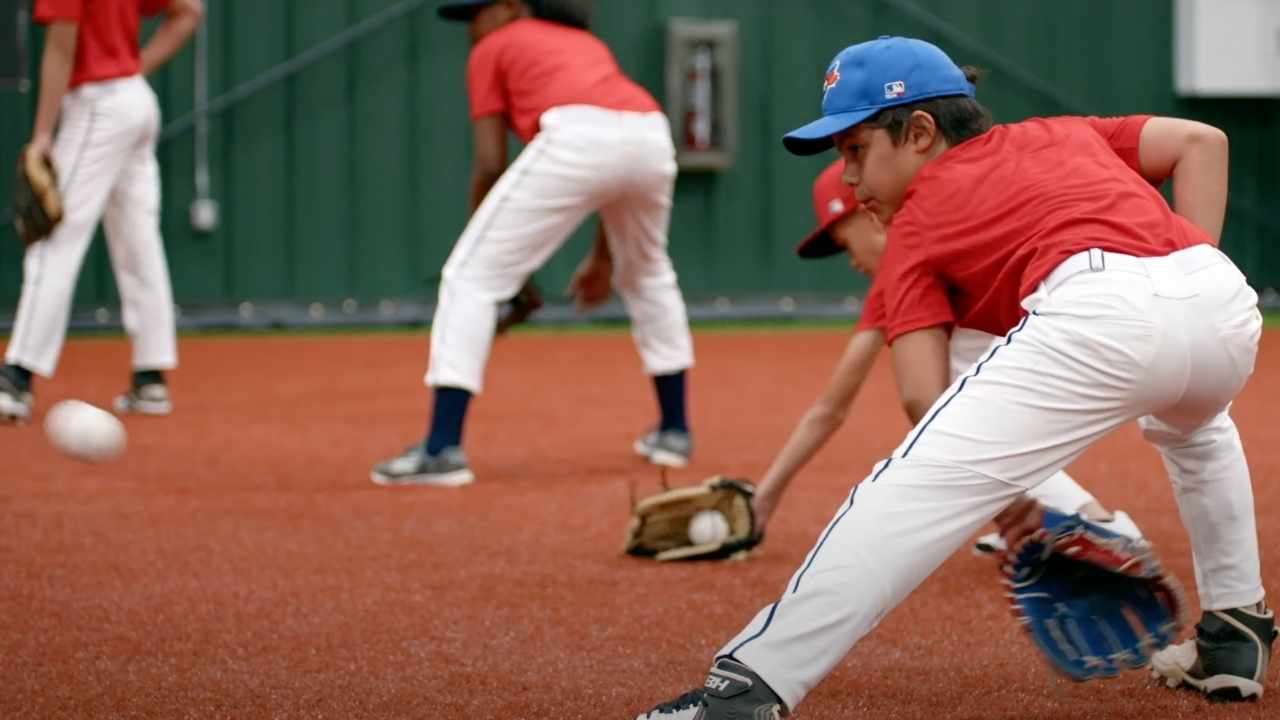
Concentrate on these for infielders: fielding drills for quick feet.
Ground Ball Fielding: Instruct players to position themselves in the ball’s path, remain low, and utilize their glove to pick it up.
Rapid Throws: Highlight the significance of speedy, precise throws to eliminate runners.
Double Plays: Drill double plays to enhance team spirit and synchronization.
For outfielders, concentrate on advanced fielding drills.
Catching Fly Balls: Train the kids to anticipate the path of the ball and position themselves properly to catch it.
Powerful Throws: Highlight the importance of throwing the ball to the infield with power and precision to stop the advancement of runners.
Supporting Plays: Teach the outfielders to provide support to the infielders during throws to avoid giving up extra bases if the ball slips past them.
Implementing these defensive strategies will make the players more dependable and efficient on the field.
Why Custom Training Works
Custom training programs are created to match the unique requirements of young athletes at various points in their growth. This method provides numerous advantages, including skills enhancement through video analysis.
Individual Focus: Customized training allows coaches to concentrate on each player’s unique strengths and areas for improvement, offering individualized instruction and support.
Gradual Skill Enhancement: By matching training with the player’s age and skill level, customized programs ensure a steady and effective growth in their skills.
Improved Engagement: Adapting training to align with the player’s interests and goals helps to keep them motivated and actively involved in their development.
Moreover, customized training encourages a feeling of achievement and self-assurance as players witness their skills advancing over time. For more resources, check out youth baseball and softball coaches resources.
Nurturing Passion for the Sport
Instilling a passion for the sport is a crucial part of training young athletes. When children have fun and love the game, they are more likely to commit to it and strive to get better. For more insights, check out this guide on youth coaching.
Here are some methods to encourage a passion for baseball and softball: check out these coaches resources for more tips.
Make it a blast: Make sure practices and games are a good time. Include fun drills and activities to keep the mood light.
Cheer for victories: Acknowledge and cheer for the victories of each player, no matter how tiny. This builds confidence and a positive relationship with the sport.
Promote Teamwork: Stress the importance of teamwork. This creates a sense of camaraderie and belonging among the players.
By creating a positive and fun environment, you can help young athletes develop a lifelong love for the game.
Developing Self-Assurance and Team Spirit
Self-assurance and team spirit are key to success in baseball and softball. Customized training programs can foster these traits in young players.
When players practice over and over and receive praise for their efforts, they start to feel good about their abilities. Coaches play a crucial role in this process by offering helpful advice and cheering on their players, which helps the players have faith in themselves.
Drills and activities that require players to work together foster teamwork. Stress the importance of communication and cooperation on the field. This not only enhances their performance but also fosters a strong sense of unity within the team.
Building a Lasting Athletic Base
Young sports training aims to establish a lasting athletic base that athletes can expand upon as they mature. This includes not only improving their physical abilities, but also strengthening their mental and emotional toughness.
Encourage your little athletes to set goals and work hard to achieve them. This will help them understand the importance of hard work and persistence. Also, allow them to experience both victories and losses. Knowing how to deal with failures is an essential part of their growth.
When you concentrate on the overall growth of young athletes, you assist them in becoming complete individuals both on the playing field and in life. For more effective coaching strategies, check out these youth baseball coaching tips.
What People Are Saying
Learning from other people’s journeys can be a great motivator for young players and their parents. Check out these testimonials and success stories from folks who have seen the benefits of personalized training programs:
“My little girl began a customized training program when she was just seven. Now, at the age of 12, she’s one of the best players on her team. The individual attention and focus on her unique needs truly made the difference.” – Parent Testimonial
“I was having a tough time with my swing until I began a customized training program. The drills and feedback helped me to better my timing and power. Now, I’m hitting better than I ever have before!” – Young Athlete Testimonial
These testimonials underscore the positive effect that customized training can have on the development and success of young athletes.
Profiles of Young Athletes Who Improved
Let’s take a closer look at some profiles of young athletes who have seen significant improvement through tailored training:
Emma, 10 years old: Emma began her softball journey when she was 6 years old. She had a hard time with batting and fielding until she became a part of a customized training regimen. Thanks to the specialized exercises and one-on-one coaching, she was able to enhance her batting average and transform into a dependable player in the infield.
Liam, 11 years old: Liam had a great passion for baseball, but he was not confident in his ability to pitch. However, after going through a customized training program, he was able to learn the correct mechanics of pitching and developed a strong fastball. As a result, his confidence increased significantly, and he became one of the star pitchers on his team.
The following examples show how customized training can assist young athletes in overcoming obstacles and realizing their maximum potential.
Common Questions
How can I introduce my young child to baseball or softball?
Begin by teaching them the basics in an enjoyable and interactive way. Use equipment with bright colors and easy activities to keep their attention. Concentrate on basic skills such as gripping a bat, throwing, and catching.
What should kids aged 4-6 focus on in baseball/softball?
For kids in this age group, the focus should be on developing hand-eye coordination, basic motor skills, and a basic understanding of the game’s rules. Tee ball is a great way to work on these skills in a fun and controlled setting.
How do I keep my 7-9 year old interested in training?
Include entertaining exercises and activities that test them while making the experience fun. Move to coach pitch to introduce more complex mechanics and game comprehension. Applaud their achievements and give positive reinforcement.
What are some effective drills for improving strength and precision in 10-12 year olds?
Concentrate on advanced batting techniques like following the ball, loading and exploding, and situational batting. For defensive abilities, work on fielding ground balls, rapid throws, and tracking fly balls. Drills that are tailored to their abilities will help them improve more efficiently.
What makes personalized training essential for young athletes?
Personalized training offers individualized attention and focuses on the unique needs of each player. This guarantees a steady and efficient improvement in their skills, keeps them interested, and boosts their self-esteem. It also encourages a passion for the sport and aids in the establishment of a lifelong athletic foundation.
What qualities should a good coach possess for young athletes?
A good coach should be able to make the sport enjoyable and consistently provide positive reinforcement. They should have a solid grasp of the basic principles of the sport and be able to adapt their training to meet the unique needs of each athlete. A supportive and optimistic coach can greatly impact a young athlete’s progress. For more tips, check out these effective coaching strategies.
What can I do to help my kid deal with frustration during practice?
Urge them to keep going and remind them that getting better requires time and hard work. Applaud their minor victories and offer positive feedback. Assist them in setting attainable goals and concentrate on the strides they’ve made rather than solely on the end result.
Find out more about how to enhance your child’s play and ensure they’re hitting with precision and power. Discover More about our revolutionary online video training. For additional tips, check out this guide on teaching kids to hit a baseball or softball.
Wrapping Up: The Road to Victory on the Diamond
Summing up, customized baseball and softball training for children is key to their progression and maturation. Concentrating on skills and exercises that are suitable for their age, you can support young sportspeople in establishing a solid base, cultivating fundamental abilities, and improving advanced methods. Above all, nurturing a passion for the sport and fostering self-assurance and collaboration will guide them on the road to triumph, whether they’re on the diamond or not.
Always keep in mind that the ultimate aim is to keep the game enjoyable and engaging, while also offering an appropriate level of difficulty to keep them interested. Commend their achievements, give positive feedback, and assist them in overcoming any obstacles they may face. If you take the right approach, you can encourage young athletes to realize their full potential and develop a lifelong love of baseball and softball.

Leave a Reply