Key Takeaways
Convenience, personalized training, and enhanced skill development are the main advantages of having a home batting cage.
Choose a location that has enough space, level ground, and is in compliance with local regulations.
Consider the size of the cage based on the players’ age and future needs.
Select netting and turf that are durable to ensure longevity and safety.
Regular maintenance and safety checks are crucial for a functional and safe batting cage.
Home Batting Cage Tips & Guide for Young Players
Benefits of a Home Batting Cage
Having a home batting cage can be a game-changer for young athletes. It provides a dedicated space for practice that is accessible, allowing players to improve their skills without leaving the comfort of their home.

Practicing Made Easy
Having a batting cage at home is a game changer. No more having to schedule practice times or drive far away to practice facilities. With a batting cage in your backyard, you can practice whenever you want, making it easier to fit practice into your busy schedule.
Customized Practice
Having a batting cage at home means you can have practice sessions that are designed to address the individual needs of the player. Here are some of the advantages:
Focus on specific drills to enhance weak areas.
Adaptable practice schedule to accommodate school and other commitments.
Possibility for individual coaching.
Customized training guarantees that every session is fruitful and in line with the player’s progress objectives.
Improving Skills
A home batting cage can greatly help a young player improve their skills. Regular practice helps in perfecting techniques, improving hand-eye coordination, and building muscle memory. Over time, these small improvements accumulate, leading to noticeable performance improvements on the field.
Picking the Perfect Spot for Your Batting Cage
It’s vital to pick the perfect spot for your batting cage. The area should be spacious and suitable for practice without disturbing your home or neighbors.
Take measurements of the space you have to ensure it can fit the dimensions of the batting cage.
Pick a flat, even area to avoid any issues when setting up the batting cage.
Think about where the sun and wind will be coming from to reduce glare and wind interference.
Space in Your Yard and Cage Size
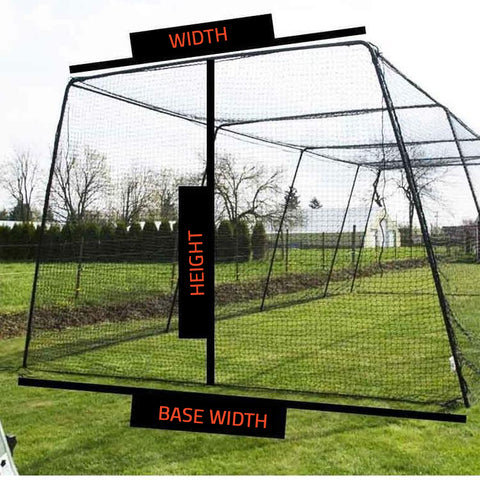
Firstly, you need to look at how much space you have in your yard. A normal batting cage will usually need at least 55 to 70 feet of length, 14 feet of width, and 12 feet of height. Make sure there are no obstacles like trees, fences, or utility lines that could get in the way of the cage.
Surface and Ground Level
Ensure that you set up the batting cage on a flat surface. A batting cage on uneven ground can be unstable and difficult to install. If the surface is not flat, you might want to flatten it or select another spot. For more detailed guidance, check out this comprehensive guide.
Considerations for Weather and Shade
Other than the ground’s level and size, you should also consider the climate. If you can, position the cage somewhere shaded to protect it from the sun’s direct rays, which could damage the netting over time. Also, make sure the location isn’t susceptible to flooding or high winds.
Adhering to Local Rules
Prior to setting up your batting cage, it’s important to look into the local rules that apply to backyard structures. Certain areas have specific guidelines about how high these structures can be and where they can be placed. It’s crucial to make sure your batting cage meets these rules to prevent any penalties or the need to take it down. For more tips on youth baseball, check out fun baseball coaching tips.
Finding the Perfect Size
Picking the correct size for your batting cage is crucial for efficient training. The size must suit the players’ requirements and the space available. For more tips on effective training, check out these techniques to improve batting average.
Take into Account the Age and Pitching Distance
Depending on the age of the players, the size of the batting cage will vary. For younger players, a shorter cage might be all they need, while older players will need a longer cage. To illustrate, a 35-foot cage may be adequate for kids, while a 70-foot cage may be needed for high school players due to the longer pitching distances.
Planning for the Future
When deciding on the size of your cage, consider how you might want to use it in the future. If you think you’ll be using it as your players get older, it might be a good idea to go for a larger size now so you won’t have to upgrade later. Plus, a bigger cage gives you more room for different drills and training exercises.
“A 35-foot cage is often enough for young players, but for older players, a 55 to 70-foot cage is recommended to simulate real game conditions.”
Typical Batting Cage Sizes
Below are some typical sizes for batting cages:
For more information on setting up a batting cage, check out this guide on building a backyard batting cage.
35 feet: Good for young kids and small areas.
55 feet: Great for middle school athletes and all-around practice.
70 feet: Perfect for high school athletes and intense training.
Choosing the Right Netting
The netting of your batting cage is a vital part. It needs to be strong and capable of taking continual hits from baseballs or softballs. For more tips on improving your game, check out these techniques to improve batting average.
Opt for netting made of quality materials such as polyethylene or nylon.
Make sure the netting is UV-treated to withstand sun damage.
Consider a higher gauge netting for better durability.
Material and Durability
When choosing netting, take into account its durability and the material it’s made of. Polyethylene netting is a popular choice for outdoor cages because it’s resistant to moisture and UV rays. Nylon netting is stronger and lasts longer, but it can be pricier. For young players, here are some best hitting strategies and tips to complement your batting cage setup.
For instance, polyethylene netting is light and can withstand the elements, so it’s great for outdoor use. Nylon netting is tougher, but it can take on water and might need more upkeep. Pick the material that suits your requirements and weather conditions the best.
Withstanding the Elements
Another crucial aspect to consider is the netting’s ability to withstand the elements. You should look for netting that has been treated for UV protection to prevent sun damage. This not only prolongs the lifespan of your netting but also ensures it remains functional even in the harshest weather conditions.
How to Choose the Right Netting
The thickness and strength of the netting are determined by its gauge. The higher the number, the thicker and stronger the netting. For a home batting cage, a netting gauge of #36 or higher is ideal. This ensures that the netting can handle repeated hits from baseballs or softballs without ripping. For more information, check out this netting getting started guide.
How to Pick the Best Turf
The turf you select for your batting cage can affect your performance and the amount of upkeep required. There are a variety of choices available, so think about what you require and how much you can spend.
Standard Batting Cage Turf
Standard batting cage turf is engineered for batting practice. It offers a uniform surface that resembles actual grass, making it perfect for batting exercises. This kind of turf is long-lasting and simple to upkeep, making it a favorite for home batting cages.
Using Game Field Turf for Extra Practice
If you’re going to use your batting cage for more than just batting practice, you might want to think about getting game field turf. This kind of turf is great for practicing groundballs or doing fielding drills in the cage. It’s a more flexible surface that can handle different kinds of practice.
Setting Up and Caring for Your Turf
Before you lay down your turf, make sure the ground is even and clean. Once you have the turf in place, secure it well so it doesn’t move around during batting practice. Check the turf often for signs of damage, and replace it as necessary to keep your practice area safe and functional.
Keeping it Safe and Well-maintained
Regularly inspect for signs of damage or wear.
Make sure everything is secure to avoid accidents.
Weatherproof your batting cage to keep it protected.
When it comes to your home batting cage, safety should always come first. Keeping it well-maintained ensures it stays safe and usable.
Staying Safe
First and foremost, make sure the netting and frame are secure to avoid any unexpected falls. Make sure everything is fastened tightly and check on it often. You might also want to think about using padding on the poles and other hard surfaces to lessen the chance of getting hurt.
Regular Check-ups
Make sure to regularly check your batting cage for any possible issues. Keep an eye out for any signs of damage on the netting, frame, and turf. If you spot any problems, fix them right away to keep the cage safe for use.
Protecting Your Batting Cage from the Weather
It’s crucial to weatherproof your batting cage to keep it safe from the elements. Use netting that’s resistant to UV rays and think about getting a weatherproof cover for extra protection. Make sure the frame and netting are secure so they can stand up to high winds and avoid getting damaged.
“It’s essential to regularly maintain and check the safety of your batting cage to ensure it’s safe and works well.”
Adding Extras
Adding extra utilities and features to your batting cage can make practice sessions more effective and fun. You might want to consider adding lights, reducing noise, and adding extra equipment to get the most out of your home batting cage.
Adding Lights for Nighttime Use
Putting in lights means you can practice at night, giving you more time to train. Go with LED lights to save energy and make sure they’re placed to reduce shadows and glare.
Sound Considerations
Practice can get loud, especially in neighborhoods. To avoid disturbing others, consider the following:
Put up sound barriers around the cage.
Attach materials that absorb sound to the frame.
Plan practice sessions for times that won’t bother the neighbors.
Dealing with noise issues will keep your neighbors happy and make sure your practice sessions go on without a hitch.
Extra Gear (for example, Pitching Machines)
Throwing in gear such as pitching machines can boost the use of your batting cage. Pitching machines give steady pitches, enabling players to concentrate on their swing techniques. Select a machine that suits your budget and training requirements.
How to Practice Efficiently for Young Players
For the best results from your home batting cage, you should adhere to efficient practice tips. These tips will keep young players engaged and maximize their practice time.
Establishing Defined Objectives
Pinpoint particular skills to enhance.
Establish attainable benchmarks.
Regularly monitor advancement.
Establishing defined objectives provides players with a sense of guidance and intention. It aids in maintaining their concentration and motivation during training sessions.

Mix Up Your Drills
Keep your practice sessions fun and productive by incorporating a variety of drills. Alternate between hitting, fielding, and conditioning drills to cover all areas of the game. This approach keeps things interesting and ensures you’re developing a well-rounded skill set. For more ideas, check out these youth baseball hitting drills to improve performance.
Keeping an Eye on Improvements
It’s important to monitor progress to pinpoint what needs to be improved and to celebrate victories. Use a notebook or a digital app to keep a record of practice sessions, making a note of what went right and what didn’t. Regularly checking progress helps players stay driven and keeps their eyes on the prize. For additional tips, check out these hand-eye coordination tips for youth baseball players.
Keeping Practice Fun
First and foremost, make sure practice is fun. Try adding in fun elements like friendly competitions or rewards for reaching certain goals. Keeping practice fun and interesting helps keep a positive attitude towards training.
Hiring a Pro vs. Doing It Yourself
There are two ways to go about setting up your home batting cage: you can hire a professional or do it yourself. Both options have their pros and cons, but if you decide to go the DIY route, you might want to check out these hitting drills to improve performance for some additional guidance.
Advantages of Expert Installation
Expert installation services have many benefits:
Proficiency in assembling the cage properly and securely.
Availability of premium materials and tools.
Efficiency, as professionals can finish the assembly swiftly.
While professional assembly may cost more, it guarantees that the cage is assembled properly and securely, giving you peace of mind.
Helpful Hints for Installing Your Own Batting Cage
Should you choose to set up your own batting cage, the following tips may prove useful:
Adhere to the instructions provided by the manufacturer.
Choose materials of superior quality for long-lasting use.
Make sure the netting and frame are securely attached to avoid mishaps.
Take your time in installation to make sure everything is set up correctly.
Installing the batting cage yourself can save you money and give you a sense of achievement. But, it requires careful planning and execution to ensure the batting cage is safe and works as it should.
How Much Will It Cost?
The price of constructing a batting cage at home can fluctuate depending on a few different elements:
How big the cage is.
What kind of netting and turf are used.
Extra features such as lights or pitching machines.
If you are using a professional installation service.
Typically, a simple home batting cage costs from $1,000 to $3,000. This price includes the frame, netting, and turf. The cost can go up if you add extra features or hire a professional to install it.
Setting aside money for routine upkeep and possible fixes is essential. By choosing top-notch materials from the start, you can save cash over time because you won’t need to replace them as often.
Boost Your Players’ Performance Today
Constructing a home batting cage is a substantial commitment to a young player’s future. It offers a specific area for training, enabling players to hone their abilities and achieve their maximum potential. For additional techniques, check out these tips to improve batting average.
If you want your players to step up their game, think about implementing a structured training regimen. This guarantees that practice sessions are effective and centered on accomplishing particular objectives.
Boosting Young Players
Boosting young players is about more than just providing the right gear. It’s about offering the right advice and training to help them succeed. A home batting cage combined with a comprehensive training program can create a powerful environment for growth.
Complete Hitter Starter Program
We suggest the Complete Hitter Starter Program as a great training program. It’s designed to boost player performance and help young athletes reach their full potential.
Get in the Game
When you sign up for the Complete Hitter Starter Program, you’ll get access to:
35 hours of priceless coaching videos.
21 varied hitting drills to refine their skills.
15 versatile baseball workouts for all ages.
10 hidden secrets to unlock explosive home run power.
“In just three games, Mia changed – 3 home runs, a stand-up double, singles, walks. Playing against older girls, her star shines brighter. We’re heading to a U of Florida camp with coaches taking notice. Your coaching matters!” – Primo Buffano
This program has inspired over 28,361 success stories and counting. It’s designed to give young players the tools they need to excel on the field.
Get Exclusive Access Now
Want to take your players’ game to the next level? Join the Complete Hitter Starter Program now. With a one-time payment of $47, you’ll get lifelong access to a treasure trove of resources and training materials.
Start Hitting Like a Legend Today
Don’t let this chance slip by to boost your players’ game. The Complete Hitter Starter Program provides all the tools you need to lead your team to victory. Be a part of the champion team and start hitting like a legend today!
Give your players the advantage of specific training exercises.
Get hold of special coaching videos and materials.
Revamp your team’s performance and attain incredible outcomes.
Click here to kick off!
Common Questions
What size should a home batting cage be?
The size of a home batting cage should be determined by the age and skill level of the players. A 35-foot cage may be enough for young children. A 55 to 70-foot cage should be considered for older players and those who want advanced training.
How often do I need to change the netting?
Regularly check the netting for signs of damage. Depending on how often it is used and the quality of the netting, it may need to be replaced every 2 to 5 years. Netting that has been treated with UV protection usually lasts longer.
Can I set up a home batting cage in a small backyard?
Yes, you can set up a batting cage in a small backyard by choosing a smaller cage size. A 35-foot cage could be a good choice for young players or limited space. Make sure there is enough space for safe practice.
“A 35-foot cage is typically sufficient for young players, but a 55 to 70-foot cage is suggested for older players to mimic actual game scenarios.”
How can I ensure my batting cage is safe for children?
To ensure safety, fasten all parts securely, use padding on hard surfaces, and carry out regular inspections. To avoid accidents, supervise young players during practice.
What is the typical price range for constructing a home batting cage?
The typical price range for constructing a home batting cage is between $1,000 and $3,000. This includes the cost of the frame, netting, and turf. The price can increase with additional features and professional installation.
Can I hire a professional to install my batting cage?
Absolutely, there are services out there that specialize in batting cage installation. They make sure your cage is set up right and safe, which can give you peace of mind. It might cost more, but it can also save you time and a lot of work.

Leave a Reply