Main Points
Keeping young players interested and motivated through engaging drills and games.
Building confidence and encouraging learning through positive reinforcement.
Setting expectations and involving parents positively through clear communication.
Ensuring smooth sessions through detailed practice plans and essential equipment.
Creating a positive team environment by promoting good sportsmanship and addressing poor behavior.
Entertaining Coaching Tips for Baseball and Softball for Your Son & Daughter
Preparation
Coaching youth baseball and softball is a thrilling and fulfilling experience. It’s not just about teaching the skills of the game; it’s also about ensuring the kids have fun and develop a love for the sport. To prepare for a successful season, it’s crucial to create an environment where learning and enjoyment are intertwined.
From day one, make sure your players understand that the primary objective is to enjoy themselves. When children have fun with what they’re doing, they’re more likely to stay involved and work hard to get better. Promote laughter, cheer for small wins, and foster a team spirit.
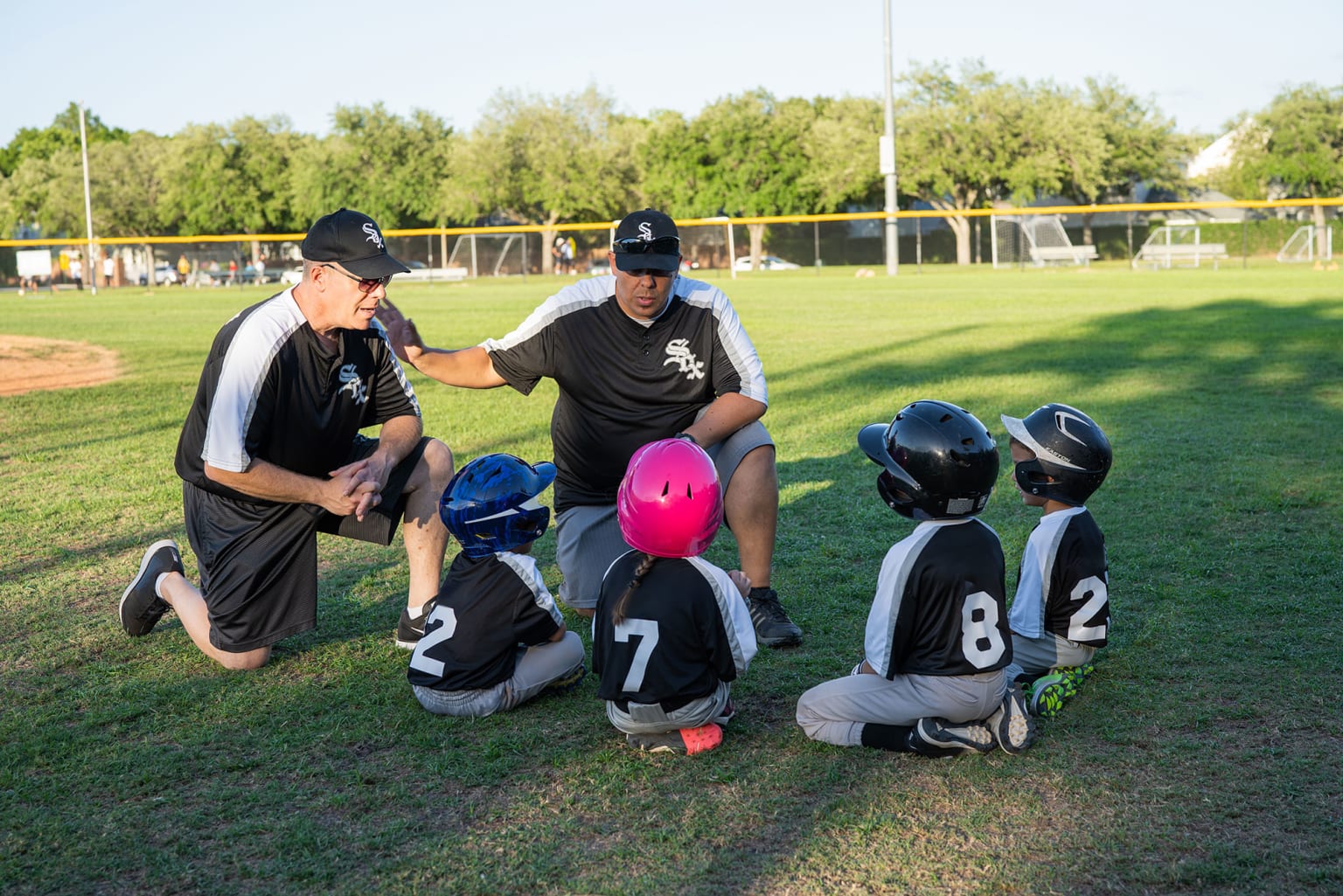
Obstacles in Coaching Youth Baseball and Softball
Coaching young athletes is not without its difficulties. Kids come with a range of abilities, focus levels, and interests. Some may have previous experience, while others may be setting foot on the field for the first time. As a coach, it’s crucial to be flexible and patient.
The greatest challenge is to keep practices exciting. Kids can quickly lose interest with repetitive drills, so it’s vital to keep things fresh and introduce a range of activities. Another challenge is dealing with parents’ expectations, who frequently have their own opinions on how the team should be managed.
How to Make Practice Fun and Engaging
If you want to keep your kids excited about coming to practice, you should incorporate activities that are fun and educational. The trick is to make learning seem like play. When kids are having fun, they’re more likely to absorb the skills you’re trying to teach them.
Fun and Engaging Drills to Keep Your Child’s Attention
Interactive drills are a fantastic method to keep children interested. For instance, you might organize relay races that include throwing, catching, and running. Split the team into smaller groups and have them compete against one another. This not only makes the drills more enjoyable, but it also encourages teamwork and healthy competition. For more tips, check out this guide on coaching youth baseball and softball.
A great exercise to try is the “Around the World” throwing game. The players make a circle and toss the ball to each other in a particular sequence. The objective is to finish the circle without letting the ball drop. You can mix it up by increasing the distance between players or timing how quickly they can finish the circle.
Using Fun Games to Teach Skills
Games are a great way to teach basic skills while keeping the mood fun and relaxed. Here are a few examples:
Home Run Derby: Set up a mini home run derby where players take turns hitting the ball as far as they can. This helps improve their batting skills while adding an element of fun competition.
Base Running Relay: Create a relay race that involves running the bases. This helps players practice their base running techniques and understand the importance of speed and agility.
Fielding Frenzy: Have players line up and take turns fielding ground balls. Make it a game by awarding points for clean catches and accurate throws.
Using Positive Reinforcement
Positive reinforcement is a powerful tool in coaching. When kids receive praise and encouragement, they are more likely to stay motivated and try their best. Make it a habit to recognize and celebrate their efforts, no matter how small.
Encourage them by saying things like “Awesome work!” or “Good snag!” to lift their spirits. You could also set up an incentive program, like handing out “MVP of the Day” certificates or small rewards for going above and beyond. Keep in mind, the objective is to make every player feel special and cherished.
Understanding the Basics of Fielding
Fielding is a basic skill in baseball and softball. To simplify it for young athletes, break it down into manageable steps. Begin with the ready position: knees slightly bent, glove down, and eyes on the ball. This position prepares them to react quickly to any hit. For more detailed guidance, check out these quick release fielding tips.
Then, have them work on fielding grounders. Start with soft, easy-to-catch balls. Roll the ball slowly to them and cheer them on as they scoop it up with their glove. As they get better, roll the ball faster. Remind them to use both hands – one to field the ball and the other to hold it in the glove.
Starting Position: Bend the knees, lower the glove, and keep your eyes on the ball.
Fielding Ground Balls: Start with slow, simple balls and gradually increase the speed.
Two-Hand Technique: Use one hand to field the ball and the other to secure it.
Once they’ve got the hang of ground balls, move on to fly balls. Teach them to follow the ball with their eyes and position themselves under it. Encourage them to use both hands to catch the ball and secure it quickly.
How to Teach Kids to Pitch and Throw
Throwing and pitching are key skills in softball and baseball. To help your child improve, concentrate on the right form and lots of practice. Begin with throwing fundamentals. Teach them the right way to hold the ball – fingers across the seams for improved accuracy.
How to Hold the Ball: Put your fingers across the seams of the ball.
Arm Movement: Teach a smooth, overhand throwing movement.
Finishing the Throw: Stress the importance of a full follow-through for accuracy.
Next, start teaching them how to pitch. Begin with simple drills that focus on balance and control. Have them practice their windup and release without a ball first. This helps them get a feel for the motion. Once they’re comfortable, introduce the ball and focus on throwing strikes.
Urge them to take it slow and aim for precision rather than rushing. As they become more confident, you can slowly ramp up the distance and speed of their throws. Consistency is crucial. Practicing regularly will help them build muscle memory and get better at pitching.
Making Base Running Fun and Exciting
Base running is a key aspect of both baseball and softball. To make base running fun and exciting, use activities that highlight speed, agility, and decision-making. Begin with basic base running drills that focus on proper form. Show them how to run through first base and how to make sharp turns around the other bases.
A fun and effective practice drill is the “Base Running Relay.” This drill involves splitting the team into smaller groups and having them compete in a race around the bases. This drill not only helps improve their running skills, but it also adds a fun, competitive element to practice.
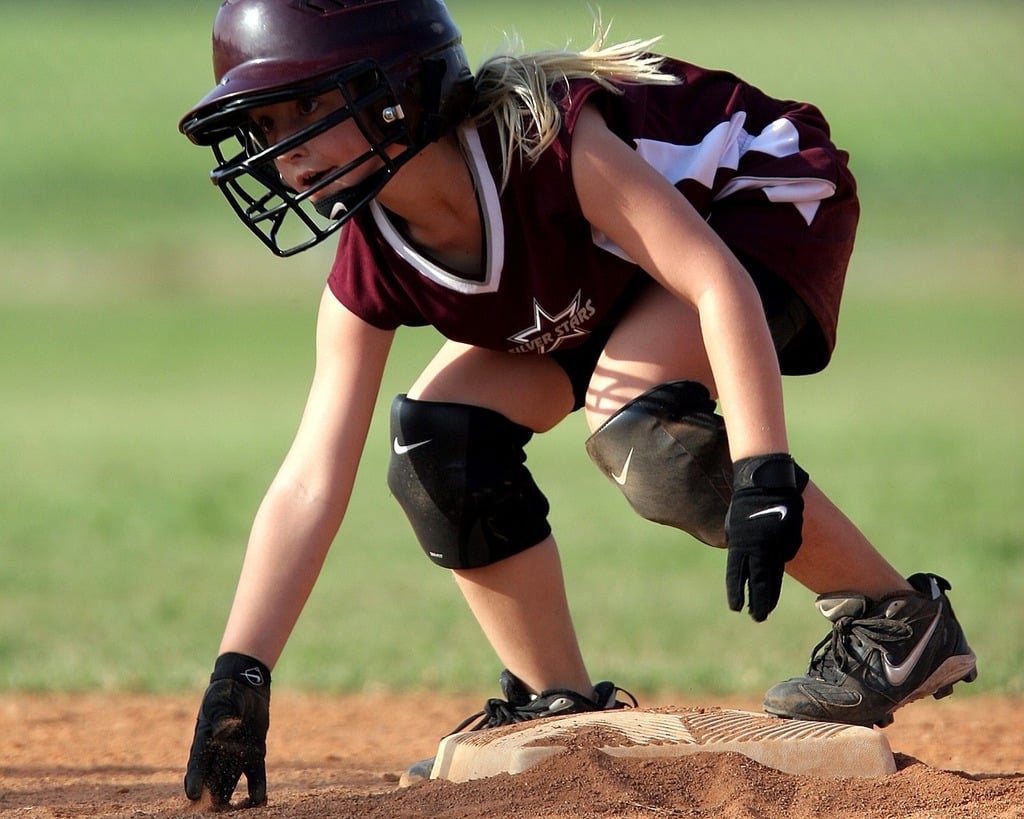
Another fun drill to try is the “Pickle Drill.” This drill simulates a runner getting caught between two bases and they have to practice getting out of the rundown. This drill will help them develop quick thinking and agility, two skills that are crucial for successful base running.
Furthermore, it’s crucial to stress the significance of heeding the coach’s signals. Instruct them to be on the lookout for signals to steal a base or advance an additional base after a hit. This not only enhances their base running abilities, but it also increases their awareness and comprehension of the game. For more tips, check out these best drills for youth baseball.
Successful Communication with Parents and Players
Successful communication is vital for a positive coaching experience. It guarantees that everyone understands the plan and aids in creating a positive team atmosphere. Begin by clearly explaining your coaching philosophy to the parents. Inform them of your objectives for the season and your strategy for achieving them. For more tips, check out this guide on coaching youth baseball and softball.
Parents can play a significant role in the team’s success. Ask them to show their support by attending games and practices. They can also help in other ways, like planning team activities or bringing refreshments. This will foster a team spirit and show the players that their hard work is appreciated. For more tips on coaching, check out these youth baseball coaching tips.
Sharing Your Coaching Vision with Parents
Before the season kicks off, arrange a meeting with the parents to share your coaching vision. Make sure they understand that your emphasis is on fun, developing skills, and sportsmanship. Make it clear that while winning is great, it’s not the main objective. Highlight the need for a positive and inclusive atmosphere where every player feels important.
Give them a definite timetable of practices and games, and clarify what their children are expected to do in terms of attendance and effort. This sets clear expectations and guarantees that everyone understands what is expected.
Positive Parental Involvement
Parents can be a valuable addition to your team. Encourage them to participate in a positive manner. Ask for volunteers to assist with practices, plan team events, or bring snacks. This not only helps to lessen your burden but also helps to build a sense of community within the team.
It’s important to keep the lines of communication open with the parents. Keep them in the loop by sending out weekly updates about what the team is focusing on and any future events. This will keep them updated and involved in their child’s development.
Keeping Open and Steady Communication
Open and steady communication is crucial for a seamless season. Utilize various methods to stay connected with parents and players, like emails, text messages, or a team app. This guarantees that everyone gets significant information promptly.
In addition, remember to give your players frequent feedback. Tell them what they are doing right and what they need to work on. This keeps them excited and concentrated on their growth.
Getting Ready
It’s important to plan and prepare well for a successful season. Make a detailed plan of practice that includes the drills and activities you’ll do in each session. This will keep your practices organized and make sure you’re covering all the skills you need to.
Designing a Comprehensive Practice Schedule
Begin by establishing distinct objectives for each practice. Determine the abilities you wish to concentrate on and the methods you will use to teach them. Divide each practice into sections, such as warm-ups, drills, and scrimmages. This maintains the practice organized and guarantees that you utilize your time effectively. For more ideas, check out these best drills for youth baseball.
Keep the practices exciting by incorporating different activities. Switch up the drills and add in enjoyable games to keep the players interested. Always make sure to give them time for breaks and to drink water, especially when it’s hot out.
Must-Have Gear and Equipment
Having the right gear and equipment is crucial for a successful practice. Ensure you have enough balls, bats, gloves, and helmets for all the players. It’s also wise to have extra gear on hand in case someone forgets theirs.
In addition, think about buying training tools like batting tees, pitching nets, and cones. These aids can assist you in organizing drills and making practice sessions more effective. Remember to carry a first aid kit and a lot of water to keep the players safe and hydrated.
Managing Conduct and Encouraging Good Sportsmanship
Encouraging good conduct and sportsmanship is a key part of coaching. Establish clear rules for your players and ensure they are followed consistently. Inform them that respect, cooperation, and playing fair are not up for discussion.
Handling Misbehavior and Unsportsmanlike Conduct
When dealing with misbehavior or unsportsmanlike conduct, it’s crucial to be strict yet just. Take the player to one side and explain their mistake and why it’s not tolerable. Use this as a learning opportunity and provide advice on how they can do better.
It’s important to promote a positive attitude by acknowledging and rewarding it. Applaud those players who demonstrate good sportsmanship and teamwork. This emphasizes the significance of these values and motivates others to do the same.
Dealing with Bad Behavior and Unsportsmanlike Conduct
When dealing with bad behavior or unsportsmanlike conduct, it’s crucial to be stern yet just. Take the player aside and clarify what they did wrong and why it’s not okay. Use this as a learning opportunity and provide advice on how they can do better. This method helps the player comprehend the consequences of their actions and motivates them to make better decisions moving forward.
It’s vital to establish clear regulations and repercussions at the start of the season. Ensure that all players and parents are aware of these rules and comprehend that unacceptable conduct will not be permitted. Consistency is crucial – apply the rules justly and uniformly for all players.
Creating a Positive and Encouraging Team Atmosphere
It is essential for the success of your team to create a positive and encouraging team atmosphere. Motivate players to support and work with each other. Make sure every player feels included by acknowledging their contributions and celebrating their accomplishments, even if they are small.
Strengthen the bonds between players by using team-building activities. Group challenges, trust exercises, and team outings are all activities that can help build camaraderie and trust. When players feel a connection to their teammates, they are more likely to work together and support each other on and off the field.
Boost the morale of the team by encouraging players to support each other.
Appreciate and applaud the individual achievements of the players.
Use various team-building exercises to enhance the bond between players.
Wrapping Up
Coaching youth baseball and softball is not just about teaching the game, it’s a rewarding experience that goes beyond that. You can inspire your team to develop a passion for the sport and grow both as athletes and individuals by creating a fun and engaging environment, using positive reinforcement, and keeping clear communication with parents and players. For more tips, check out this guide on coaching youth baseball and softball.
Keep in mind, the end game is to ensure everyone has a good time. When children are having fun, they are more likely to stay involved, put in effort, and cultivate a lifelong love for baseball and softball.
Promoting Development and Passion for the Sport
Promoting development and passion for the sport is not just about victory. It’s about making a space where children feel appreciated, backed, and driven to get better. Concentrate on their evolution as athletes and persons, and applaud their advancement as they go along.
Encouraging a supportive and welcoming team atmosphere can enable your players to learn valuable life lessons such as collaboration, persistence, and fair play. These lessons will be useful for them in and out of the game, and will assist them in becoming self-assured and proficient people.
Commonly Asked Questions
What can I do to make practices enjoyable and interesting?
Make practices enjoyable and interesting by incorporating a variety of drills and games that make learning seem like play. Use interactive drills, such as relay races and “Around the World” throwing games, to keep kids interested. Include fun games like Home Run Derby and Base Running Relay to teach skills while keeping the atmosphere fun and light.
What are some good drills for kids starting out in baseball/softball?
Good drills for kids starting out include simple throwing and catching drills, fielding ground balls, and hitting off a tee. Start with easy, straightforward drills and gradually make them more challenging as the kids get more comfortable. Concentrate on correct form and repetition to develop a solid base of skills.
Practicing how to throw and catch
Getting good at fielding ground balls
Perfecting hitting off a tee
What can I do to encourage good sportsmanship?
You can encourage good sportsmanship by setting expectations and being a good role model. Encourage your players to respect their teammates, their opponents, and the officials. Reward good behavior and address bad behavior promptly and fairly. Make sure your players understand that teamwork, fair play, and respect are important in all parts of the game.
What’s the best way to resolve disputes between parents and players?
Resolving disputes between parents and players requires maintaining open and honest communication. Hear out both parties and strive for a fair solution. Establish clear expectations and boundaries at the start of the season to avoid disputes. For more serious conflicts, consider involving league officials or mediators.
What gear do kids need for baseball and softball?
The must-have gear for kids playing baseball and softball includes:
Equipment including balls, bats, and gloves
Essential safety gear like helmets and protective padding
Training tools such as batting tees and pitching nets
Cones and markers to set up various drills
A first aid kit and enough water for all players
What is the best way to ensure all players get equal playing time?
One way to ensure all players get equal playing time is to create a rotation schedule and stick to it. Be sure to communicate your plan to the players and their parents at the beginning of the season. Adjust the plan as needed to accommodate different skill levels and to ensure that everyone gets a chance to participate and develop their skills.

Leave a Reply