Main Points
Quick release fielding stops base runners from getting further.
Having the right fielding stance is key to fast and smooth movements.
Good glove positioning leads to quicker ball transfers.
Training with both one-hand and two-hand transfers can speed up your game.
Regular practice with specific drills can build up your quick release skills.
Quick Release Fielding Tips: Youth Baseball & Softball Guide
The Importance of Quick Release
Quick release fielding is a must in baseball and softball because it stops base runners from getting further. When a player can move the ball from their glove to their throwing hand quickly, it ups the odds of making good plays. This skill is really important for infielders who need to make fast decisions and throws.
Getting the Fielding Stance Right: The Basics
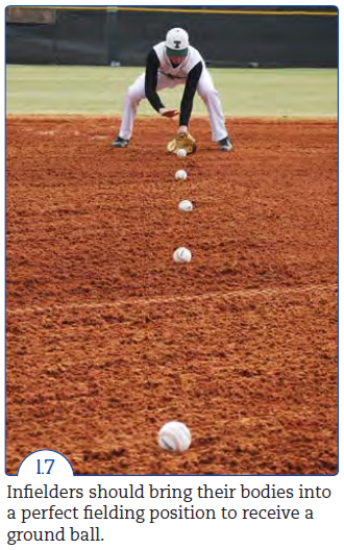
Before we can get into the nitty-gritty of quick release techniques, it’s crucial to get the basics right. A good fielding stance is the bedrock of all your actions on the field. Here’s how to get into the correct stance:
Position your feet at the same width as your shoulders.
Keep your knees a bit bent and your weight on the front of your feet.
Maintain a straight back and keep your eyes on the ball.
Extend your glove in front of you, prepared to catch the ball.
This position enables you to swiftly move in any direction and respond to the ball the moment it’s struck.
How to Position Your Glove Effectively
Having your glove in the right position is key to a quick release. The position of your glove can significantly impact the speed of transferring the ball to your throwing hand. Here are some tips on how to position your glove effectively:
“Always keep your glove low and open to the ground, ready to scoop up the ball. Your glove hand should be slightly in front of your body. This will give you a better angle to field the ball and make a quick transfer. For more tips on improving fielding skills, check out youth baseball field placement strategies.” – Delaney Spaulding, Professional Softball Player
Keeping your glove low and open can help you get the ball into your throwing hand more quickly. Make sure to practice this position during drills to help it become second nature.
Fast Glove to Hand Transitions
Getting the ball from your glove to your hand as quickly as possible is a key aspect of quick release fielding. The quicker you can make this transition, the more successful you’ll be in the field. Here are some steps to speed up your transition time: strong glove side positioning can also help improve your fielding efficiency.
Use your glove hand to catch the ball.
Quickly bring your glove hand and throwing hand together.
Get the ball in your throwing hand and get ready to throw.
Repeating this transfer will help you build muscle memory and get faster.
Using One Hand to Transfer the Ball
Using one hand to transfer the ball is a great technique when you need to make a play quickly. Here’s how to practice this technique: Check out this guide on strong glove-side positioning to improve your fielding skills.
Use your glove hand to field the ball.
Swiftly bring your throwing hand to your glove.
Get a good grip on the ball with your throwing hand and get ready to throw.
Working on one-handed transfers will make you faster and more self-assured when you need to make quick plays.
Double-Handed Transfers
Double-handed transfers provide greater control and are beneficial in various scenarios. To master double-handed transfers, you should do the following:
Use your glove hand to catch the ball.
Immediately use your throwing hand to secure the ball in your glove.
Get the ball into your throwing hand and get ready to throw.
Being able to transfer the ball with one hand or two hands is important, and practicing both will make you a better player in the field.
Footwork Drills for Throwing
Footwork for throwing is just as crucial as the quick release. The right footwork gives you the right balance and momentum for accurate throws. Here are some drills to help you improve your footwork for throwing:
Step and Throw Drill: Begin this drill by fielding the ball and then stepping towards your target with the foot you will be throwing with. This drill will help you get into the habit of stepping in the direction of your throw.
Shuffle and Throw Drill: Field the ball and take a few quick shuffle steps towards your target before throwing. This drill will help you maintain balance and control while moving.
Crossover Step Drill: Field the ball and use a crossover step to position yourself for the throw. This drill is especially useful for fielders who need to make throws on the run.
Foot Positioning Accuracy
Accurate foot positioning is crucial for making accurate throws. When your feet are in the right position, you can generate more power and control in your throws. Here are some tips for improving your foot positioning accuracy:
Firstly, always ensure your feet are in line with your target. This ensures that you can generate power from your lower body. Secondly, practice firmly planting your lead foot before making the throw. This gives you a stable base for your throw.
Training Drills for Quick Release Fielding
Training drills are crucial for honing quick release abilities. These drills aid in establishing muscle memory and enhancing your reflexes. Here are some efficient training drills for quick release fielding:
Drill: Around the Field
The Around the Field drill is an all-encompassing exercise that allows fielders to practice quick releases from different field positions. Here is how to perform it:
Place cones or markers in various locations on the field (for example, shortstop, second base, third base).
Begin at one spot and field a ground ball.
Swiftly move the ball to your throwing hand and throw it to a target (such as first base).
Proceed to the next spot and repeat the procedure.
This exercise aids in the development of quick releases from a variety of angles and positions, enhancing your fielding versatility.
Throwing Drills with a Partner
Practicing quick releases with a partner is a fantastic way to improve your skills. Throwing drills with a partner can help you work on your timing and accuracy. Here’s a basic throwing drill you can do with a partner:
Position yourself approximately 20 feet from your teammate.
One teammate catches a ground ball and swiftly moves it to the hand they throw with.
Execute a fast and precise throw to your teammate.
Your teammate catches the throw and repeats the sequence.
This exercise allows you to perfect quick releases in a managed setting and fosters skills in teamwork.
Timed Release Contest
The Timed Release Contest is a drill that adds a touch of competition to your practice and is both fun and challenging. Here’s how to get it going:
Get a stopwatch or timer ready.
Have the fielders rotate in fielding ground balls and making swift throws to a target.
Start timing each fielder’s release from when they pick up the ball to when they let it go.
Compare the times to see who has the quickest release.
This drill will motivate fielders to work harder and better their quick release times.
Mindset and Concentration
Having the right mindset is as crucial as physical training in quick release fielding. Maintaining concentration and confidence can greatly impact your performance. Here are some pointers for mental preparation:
Picture Your Success: Before each play, see yourself fielding the ball cleanly and making a quick, accurate throw in your mind.
Keep a Positive Attitude: Maintain a positive mindset, even if you make a mistake. Learn from it and move on.
Concentrate on the Steps: Focus on the steps of fielding and releasing the ball, rather than the outcome.
By staying mentally prepared and focused, you’ll be better equipped to handle the pressures of the game and perform at your best. For more tips on maintaining a positive mindset, check out overcoming fear of failure in youth baseball and softball.

It’s important to include quick release drills in your regular practice to keep improving. Regular practice will help you develop and maintain your skills. Here are some ways to include quick release drills in your practice:
Getting Started with Drills
Each practice should start with warm-up drills that emphasize quick release fielding. These drills not only help you get in the right headspace but also prepare your body for the more intense practice to come. Here are a few warm-up drills that work well:
Glove Training: Practice fielding ground balls with your glove, concentrating on quick transfers.
Footwork Exercises: Work on your foot positioning and movements to make sure you’re ready to make quick throws.
Throwing Exercises: Practice making quick and accurate throws to a target.
These warm-up exercises assist you in building a strong foundation for more advanced practice.
Practice with Game Situation Drills
Practicing with game situation drills allows you to use your quick release skills in a way that mimics real game play. Here’s how to run these drills:
Arrange a field with bases and have fielders take their positions.
Let a coach or a teammate hit ground balls to various fielders.
Fielders should practice quick releases and throws to different bases.
Switch positions so that all fielders get a chance to practice from different angles.
Practicing in game-like situations will help you perform better during actual games. For more tips, check out this guide on fielding positioning.
Steady Progress
When it comes to quick release fielding, consistency is everything. Make sure to incorporate quick release practice into your regular training. Dedicate a portion of each practice to quick release drills and techniques. You’ll be amazed at the progress you make over time.
Pro Tips and Practical Examples
There’s a lot to be learned from pros and practical examples. Here are some pro tips and practical examples of quick release fielding:
Expert Advice
When it comes to quick release fielding, professional players and coaches have a lot to offer. Here are some tips from the experts:
“Being efficient is the key to quick release fielding. The less time you take to transfer the ball, the better you will perform. As with everything, practice is the key, so make sure to include quick release drills in your regular training.” – Delaney Spaulding, Professional Softball Player
With the help of these professional tips, you’ll be well on your way to becoming an expert at quick release fielding.
Pro Tips
Professional athletes and their coaches are a treasure trove of knowledge and experience in quick release fielding. Here are some pro tips:
“Being efficient is the key to quick release fielding. The less time you use to transfer the ball, the better you’ll be. Regular practice is essential, so always include quick release drills in your training.” – Delaney Spaulding, Professional Softball Player
By integrating these professional tips into your training, you’re on the fast track to mastering quick release fielding.
Successful Players: A Closer Look
Looking at players who have excelled at quick release fielding can be both instructive and inspiring. Consider Derek Jeter, who was a shortstop for the New York Yankees. Jeter was renowned for his quick hands and pinpoint throws, and his capacity to make swift, accurate plays was crucial to his defensive prowess.
Andrelton Simmons, considered one of Major League Baseball’s best defensive shortstops, is another example. Simmons’ quick release and outstanding fielding abilities have won him several Gold Glove Awards. By observing the methods and training habits of these accomplished players, young athletes can learn how to enhance their own quick release fielding skills.
Practical Examples
Quick release fielding can be seen in different game scenarios. For example, during a critical playoff match, a shortstop catches a ground ball and rapidly moves it to his throwing hand to make a game-winning throw to first base. His quick and precise release stops the rival team from scoring and ensures his team’s victory. For more tips, check out Delaney Spaulding’s tips on mastering a quick transfer and release.
Consider an outfielder who snags a fly ball and without hesitation, hurls it to home plate to stop a runner from scoring. The swift release and powerful throw lead to an out at home, highlighting the significance of quick release fielding under intense circumstances.
Common Questions
What does quick release fielding mean?
Quick release fielding is the skill of quickly moving the ball from the glove to the throwing hand and making a throw in the least amount of time. This is a critical skill for infielders and outfielders who need to make quick, accurate plays to keep base runners from moving forward. For more on positioning, check out this guide on strong glove-side positioning.
What is the significance of quick release in youth baseball and softball?
Quick release is significant in youth baseball and softball because it aids players in making successful plays and stopping opponents from gaining an advantage. By honing their quick release skills, young athletes can enhance their defensive performance and contribute to their team’s victory.
What are some key drills to improve quick release skills?
Here are a few key drills to help improve quick release skills: practicing proper throwing mechanics, using a stopwatch to time releases, and incorporating footwork drills.
Glove Work: Regularly practice fielding ground balls and focus on transferring the ball quickly from the glove to the throwing hand.
Footwork Drills: Work on the positioning and movement of your feet to ensure you can make quick, accurate throws.
Partner Throwing Drills: Practice releasing the ball quickly with a teammate to improve your timing and accuracy.
Timed Release Competition: Make practice more fun by timing each fielder’s release and adding a competitive element.
How often should youth athletes practice these drills?
Youth athletes should practice these drills as often as possible, ideally during each practice session. Practicing consistently helps build muscle memory and improve reaction time, which can lead to better performance in the field.
Do quick release techniques help avoid injuries?
Indeed, quick release techniques can aid in injury prevention by encouraging correct mechanics and lessening body stress. By training in efficient motions, athletes can decrease the likelihood of repetitive stress injuries and enhance their overall sports performance.
What are some ways coaches can teach quick release fielding effectively?
Coaches can teach quick release fielding effectively by splitting the skill into smaller parts and giving easy-to-understand instructions. Here are some suggestions for coaches:
Show players the correct fielding stance and how to position their gloves.
Use drills to help players practice quick transfers and footwork.
Give feedback and corrections to help players improve their technique.
Use game situation simulations to help players apply quick release skills in a realistic context.
What are some common mistakes to avoid when practicing quick release fielding?
Here are some common mistakes to avoid when practicing quick release fielding:
One common mistake is improper throwing mechanics. To improve, check out these fundamentals of throwing mechanics for young players.
Bad Stance: If a player doesn’t have the right fielding stance, they won’t be able to move quickly.
Wrong Glove Positioning: If a player’s glove isn’t positioned correctly, it will take longer to transfer the ball.
Unsteady Footwork: If a player’s footwork isn’t consistent, their throws won’t be accurate.
Hurrying the Throw: If a player tries to throw the ball too fast without using the right technique, they’ll make mistakes.
If players know what these common mistakes are and concentrate on using the right technique, they can get better at quick release fielding and be more successful on the field.
If you’re looking for more in-depth instruction and professional advice on how to enhance your quick release fielding abilities, check out our comprehensive online video course. This course provides easy-to-follow tutorials, exercises, and advice from pro players to help you perfect your quick release fielding and take your game to the next level. Additionally, for developing players, consider reading our guide on field placement strategies in youth baseball and softball.

Leave a Reply