Summary
Always maintain your feet shoulder-width apart and your glove-side foot slightly ahead.
Remain low with a straight back and slightly bent knees for better balance.
Conduct drills that focus on glove-side strength and fielding ground balls.
Communicate effectively with teammates to cover bases and make plays.
Remain focused and learn from mistakes to continually improve your fielding skills.
Fielding in Youth Baseball: Guide to Strong Glove Side & Positioning
Fielding is one of the most critical skills in baseball. Whether you’re playing in the infield or outfield, having a strong glove side and proper positioning can make all the difference. This guide will help you understand the techniques and drills needed to improve your fielding skills.
The Importance of Glove Side Strength and Correct Positioning
In baseball, the strength of your glove side is essential for effective catching and fielding. Having a strong glove side means you can react faster and make plays with more confidence. Correct positioning means you’re always prepared to field the ball, whether it’s a grounder or a fly ball.
Understanding the Fundamentals of Good Fielding
Before getting into more complex drills, it’s crucial to get the fundamentals down. Good fielding involves a number of important aspects:
Stand with your feet shoulder-width apart
Your glove-side foot should be a little bit ahead of the other
Get low to the ground and keep your back straight
Your knees should be slightly bent and positioned inside your feet
Keep your eyes up and stay focused on the ball
Why Glove Side Strength Matters in Baseball
Building a strong glove side is a must for any fielder. It not only makes you better at catching and fielding balls, but it also makes you a better defensive player overall. Here’s why the glove side is so important:
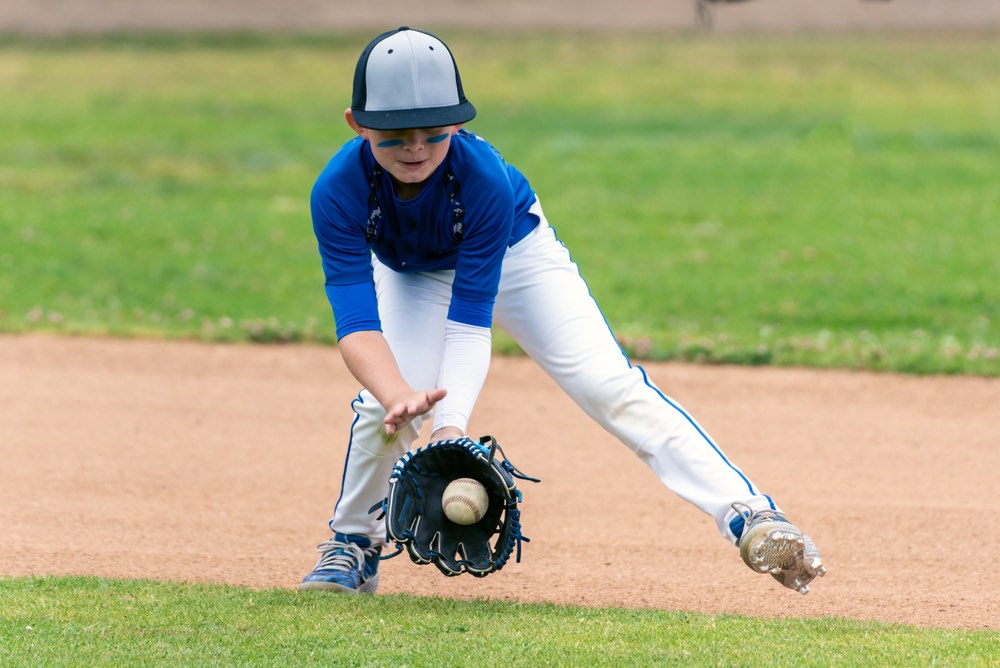
The Importance of the Glove Side
The glove side is your main weapon for fielding. When a ball comes your way, your glove side is the first thing that comes into play. A good glove side can help you: field a ground ball effectively.
Respond promptly to ground balls
Catch fly balls securely
Throw accurately to bases
Keep balance and control during plays
Building Strong Glove Side Skills
Consistent practice and focused drills are necessary to build strength in your glove side. Here are some effective methods to build strong glove side skills:
Regularly practice fielding ground balls
Focus on your footwork to ensure you’re in the right position
Use resistance bands to build strength in your arm and shoulder muscles
Participate in partner drills to enhance your hand-eye coordination
Common Errors and How to Prevent Them
Even seasoned players can make errors when fielding. Here are some common errors and advice on how to prevent them:
For more tips on improving your defensive skills, check out this guide on defensive positional responsibilities.
Getting down too late: Always assume the fielding position early to prepare for the ball.
Incorrect footwork: Maintain a shoulder-width stance with your glove-side foot slightly forward.
Failing to stay low: Keep a low posture with a straight back and slightly bent knees.
Looking away from the ball: Keep your eyes on the ball from the time it leaves the bat until it’s safely in your glove.
Practice Tips for a Strong Glove Side
To become an exceptional fielder, you need to practice regularly and efficiently. Here are some practice tips to help you develop a strong glove side:
Helpful Drills for Glove Side Enhancement
Add these drills to your practice regimen to better your glove side:
Ground Ball Drills: Get a feel for fielding ground balls by practicing from different angles and speeds.
Fly Ball Drills: Improve your reaction time on your glove side by catching fly balls.
Partner Drills: Practice throwing and catching with a teammate to enhance your glove side skills.
Resistance Band Exercises: Strengthen your arm and shoulder muscles using resistance bands.
Warm-Up Exercises to Strengthen the Glove Side
Before you start any fielding drills, make sure to warm up correctly. Here are some exercises to prepare your glove side:
For more tips on fielding techniques, check out this guide on fielding a ground ball.
Arm Circles: Perform small and large arm circles to warm up your shoulder muscles.
Shoulder Stretches: Stretch your shoulders to improve flexibility and prevent injury.
Light Tossing: Toss a ball with a teammate to warm up your arm and glove side.
Dynamic Stretches: Execute dynamic stretches like lunges and leg swings to get your whole body ready for fielding.
Building Strength with Resistance Training
Resistance training is an effective way to strengthen your glove side. Here are some exercises you can try:
Resistance Band Pulls: Secure a resistance band to a fixed object and pull it toward your body to build up your arm and shoulder muscles.
Weighted Ball Throws: Utilize a weighted ball to practice throwing and catching, which will help develop strength on your glove side.
Push-Ups: Execute push-ups to strengthen your upper body and enhance your overall fielding ability.
Planks: Maintain a plank position to develop core strength, which is crucial for keeping balance and control during fielding.
When working on a strong glove side, it’s crucial to stay consistent and focused. Always bear in mind that practice makes perfect, and with the appropriate drills and exercises, you can significantly enhance your fielding skills.
How to Position Yourself in Various Game Situations
Knowing where to position yourself in baseball is key. Whether you’re an infielder or an outfielder, knowing where to stand and how to move can greatly improve your performance. Here are some important strategies on how to position yourself in various game situations:
Where to Stand in the Infield: As an infielder, you need to be prepared to scoop up grounders, snag line drives out of the air, and fire the ball to the bases in a split second. Here’s how to get in the right spot: field placement strategies.
Maintain a low stance with your feet about shoulder-width apart and your glove-side foot slightly in front.
Keep your focus on the batter and be prepared to move in any direction.
Position yourself according to the batter’s habits and the current game situation.
Outfield Positioning: Outfielders need to be ready to catch fly balls, field ground balls that make it past the infield, and make long throws to bases. Here’s how you should position yourself:
Ensure your feet are shoulder-width apart and your knees are a bit bent.
Always have your glove open and prepared to catch the ball.
Position yourself based on the batter’s strength and the situation of the game.
“The foundation of good fielding is proper positioning. Always be prepared and anticipate the play.”
Key Tips for Maintaining Balance and Control
Maintaining balance and control is crucial for effective fielding. Here are some tips to help you maintain balance and control:
Maintain a shoulder-width distance between your feet and distribute your weight evenly.
Keep your back straight and your knees slightly bent, while staying low.
Lead your movements with your glove-side foot and maintain balance.
Keep your focus on the ball and stay relaxed to avoid overcommitting to a direction.
Mastering Ground Ball Fielding
Fielding ground balls is a basic skill that every baseball player should master. By perfecting this skill, you can stop runs and secure crucial outs. Let’s delve into the steps and techniques for mastering ground ball fielding.
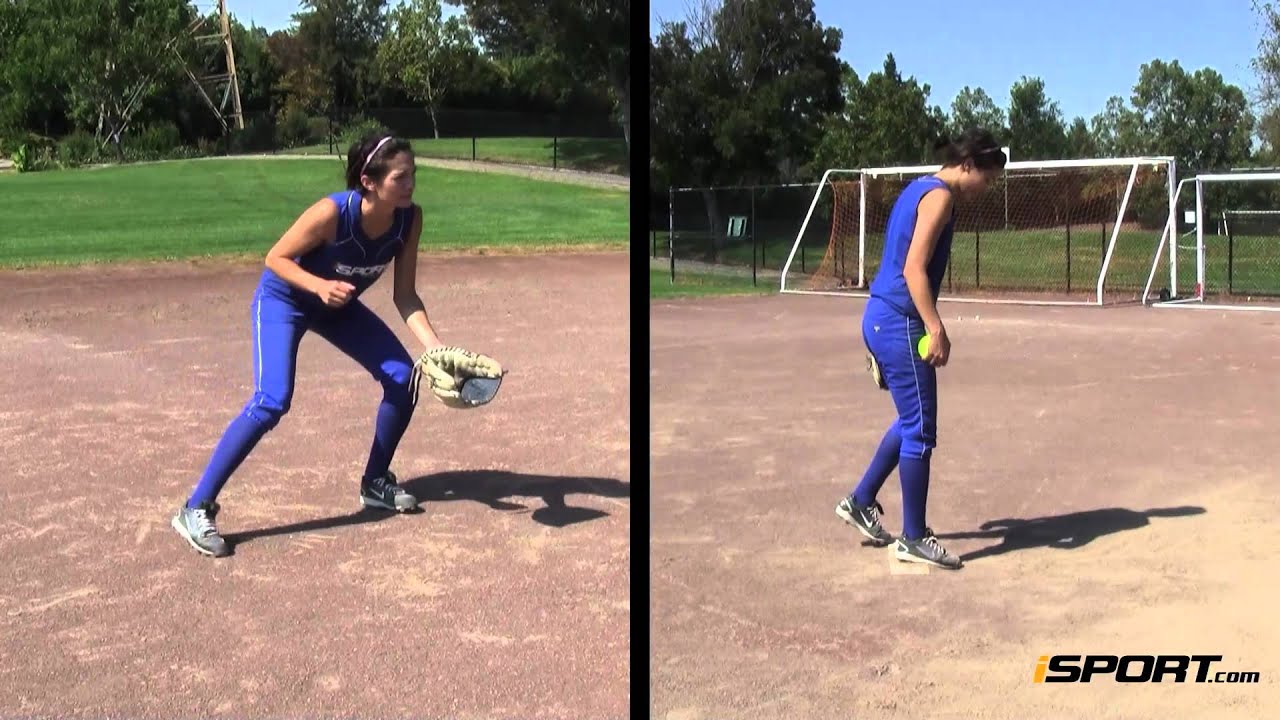
How to Approach a Ground Ball
When you’re going after a ground ball, speed and positioning are key. Here’s how to do it: check out these youth baseball tips for mastering your fielding skills.
Anticipate the path of the ball by reading it off the bat.
Take quick, controlled steps towards the ball.
Position your glove-side foot slightly ahead and get low.
Keep your eyes on the ball and maintain balance.
Optimal Fielding Stance
Your stance when fielding a ground ball can greatly affect your ability to successfully make the play. Here’s the optimal fielding stance:
For additional strategies on field placement and positioning, check out our youth baseball field placement guide.
Make sure your feet are shoulder-width apart and your knees have a slight bend.
Keep a low stance with a straight back and an open glove.
Ensure your glove-side foot is slightly in front of your throwing-side foot.
Keep your eyes on the ball and be prepared to move in any direction.
“The key to effectively fielding ground balls is to stay low and balanced. Always keep your eyes on the ball.”
Ball Security and Throw Preparation
After you’ve fielded the ball, it’s crucial to secure it and get ready to throw. Here’s how you do it:
Grab the ball with your glove and transfer it to your throwing hand.
Align your body to make a precise throw to the intended base.
Step towards the target with your glove-side foot to keep balance.
Throw the ball to the base quickly and in control.
Effective Fielding Drills
Drills are crucial for enhancing your fielding skills. By adding these effective fielding drills to your training routine, you can improve your coordination, reflexes, and overall fielding skills.
Exercises to Enhance Coordination and Reflexes
Enhancing coordination and reflexes is vital for successful fielding. Here are a few exercises to assist you: For additional tips, check out this guide on fundamentals of fielding a ground ball.
Reaction Ball Drills: Use a reaction ball to practice quick reflexes and hand-eye coordination.
Agility Ladder Drills: Perform agility ladder drills to improve footwork and quickness.
Partner Toss Drills: Work with a partner to practice quick tosses and catches.
Partner Drills for Better Hand-Eye Coordination
Partner drills are a great way to improve hand-eye coordination and build teamwork. Here are some effective partner drills, including defensive positional responsibilities.
Short Toss Drills: Practice quick tosses and catches with a partner who is close by.
Long Toss Drills: Increase the distance between you and your partner and work on making accurate throws.
Fielding Ground Balls: Practice fielding ground balls by taking turns hitting them to each other.
Solo Drills for Daily Practice
It’s important to practice on your own for consistent improvement. Here are some solo drills you can do every day:
Wall Ball Drills: Toss a ball against a wall and catch the ball as it bounces back.
Mirror Drills: Look at yourself in a mirror to ensure your fielding stance and technique are correct.
Shadow Drills: Practice your steps and actions without a ball to perfect your movements.
Field Communication and Teamwork
Good communication is essential for effective fielding. When you communicate well with your teammates, you can cover more ground, make better plays, and strengthen your team. Let’s look at some key parts of field communication and teamwork.
Shouting for the Ball
Shouting for the ball is important to avoid crashes and make sure that the right player gets the play. Here’s how to do it:
Speak loudly and clearly when calling for the ball.
Look at your teammates to make sure they hear you.
Start communicating early to prevent confusion and collisions.
Support your teammates’ calls and be there to back them up if necessary.
Getting to Know Your Field Coverage and Responsibilities
It’s essential to understand your field coverage and responsibilities for effective fielding. Here’s how to get to know your role:
Understand where each player should be on the field and what their job is.
Talk to your teammates so everyone is clear on what they should be doing.
Be ready to cover bases or back up plays when necessary.
Stay alert and be prepared to move to where you need to be.
“Being able to communicate effectively and knowing what your job is are crucial to good fielding.”
Using Communication to Build a Strong Team
Having a strong team is important in baseball. Here’s how communication can help you build one:
Encourage teammates to talk to each other openly.
Teach them to rely on each other during the game.
Make sure they celebrate their wins and learn from their losses as a team.
Help them create a team environment that is positive and encourages teamwork.
More Tips for Young Fielders
Here are some more tips to help young fielders get better at the game and have fun:
Always Be on Your Toes: Anticipate the play and always be prepared.
Turn Mistakes into Lessons: Use your mistakes as a way to learn and better your skills.
Make Training Fun: Keep practice enjoyable to stay motivated and engaged.
Training for a strong glove side requires consistency and focus. Remember, practice makes perfect. With the right drills and exercises, you can significantly improve your fielding skills.
How to Position Yourself in Various Game Situations
Knowing where to stand and how to move on the baseball field is just as important as knowing how to swing a bat or throw a ball. Whether you’re playing in the infield or the outfield, your positioning can greatly affect your performance. Here are some tips on field placement strategies in different game situations:
Infield Positioning: Infielders have to be prepared to field ground balls, snag line drives, and make swift throws to bases. Here’s how to set yourself up:
Stay low with your feet shoulder-width apart and your glove-side foot slightly ahead.
Keep your eyes on the batter and be ready to move in any direction.
Position yourself based on the batter’s tendencies and the game situation.
Outfield Positioning: Outfielders must be prepared to catch fly balls, field ground balls that get past the infield, and make long throws to bases. Here’s how to position yourself:
Stand with your feet shoulder-width apart and your knees slightly bent.
Keep your glove open and ready to catch the ball.
Position yourself based on the batter’s power and the game situation.
“Proper positioning is the foundation of good fielding. Always be ready and anticipate the play.”
Key Tips for Maintaining Balance and Control
Maintaining balance and control is essential for effective fielding. Here are some tips to help you stay balanced and in control:
Ensure your feet are shoulder-width apart and your weight is equally distributed.
Remain low with a straight back and slightly bent knees.
Use your glove-side foot to guide your movements and stay balanced.
Keep your eye on the ball and remain calm to prevent overcommitting to a direction.
Mastering the Art of Fielding Ground Balls
Fielding ground balls is a basic skill that every baseball player should master. By perfecting this skill, you can stop runs and get crucial outs. Let’s explore the steps and techniques to master the art of fielding ground balls.
How to Approach a Ground Ball
Approaching a ground ball requires speed and proper positioning. Here’s how to do it:
Anticipate the ball’s path by reading it off the bat.
Take quick, controlled steps to move towards the ball.
Get into a low position with your glove-side foot slightly in front.
Keep your balance and your eyes focused on the ball.
The Optimal Fielding Stance
The stance you adopt while fielding a ground ball can greatly affect your ability to successfully make the play. Here’s the optimal fielding stance:
Place your feet shoulder-width apart and slightly bend your knees.
Keep a straight back and stay low with your glove open.
Position your glove-side foot slightly in front of your throwing-side foot.
Keep your eyes on the ball and be ready to move in any direction.
“The key to effectively fielding ground balls is to stay low and balanced. Always keep your eyes on the ball.”
Securing the Ball and Preparing to Throw
After you’ve fielded the ball, it’s important to secure it and prepare to throw. Here’s how:
Grab the ball with your glove and move it to your throwing hand.
Arrange your body to make a precise throw to the intended base.
Step towards the intended base with your glove-side foot to keep balance.
Throw the ball quickly and in control to the base.
Effective Fielding Drills
Drills are crucial for enhancing your fielding skills. By including these effective fielding drills in your practice schedule, you can boost your coordination, reflexes, and overall fielding performance. For more tips on improving your game, check out this guide on youth power hitting strategies.
Exercises to Enhance Coordination and Reflexes
Enhancing coordination and reflexes is vital for efficient fielding. Here are some exercises to assist you:
Reaction Ball Drills: Use a reaction ball to enhance quick reflexes and hand-eye coordination.
Agility Ladder Drills: Perform agility ladder drills to boost footwork and quickness.
Partner Toss Drills: Work with a partner to practice quick tosses and catches.
Partner Drills for Better Hand-Eye Coordination
Partner drills are an excellent way to enhance hand-eye coordination and build teamwork. Here are some effective partner drills:
Short Toss Drills: Stand a few feet away from your partner and toss the ball back and forth quickly.
Long Toss Drills: Increase the distance between you and your partner and try to make accurate throws.
Fielding Ground Balls: Take turns batting ground balls to each other and work on fielding them.
Individual Drills for Daily Practice
Practicing alone is crucial for consistent improvement. Here are some individual drills you can do every day:
For more tips on positioning, check out our article on field placement strategies.
Wall Ball Drills: Practice fielding by throwing a ball against a wall and catching the rebounds.
Mirror Drills: Check your fielding posture and technique using a mirror.
Shadow Drills: Improve your mechanics by practicing your footwork and movements without a ball.
On-Field Communication and Dynamics
Communication is the key to successful fielding. You can cover bases, make plays, and build team cohesion by effectively communicating with your teammates. Let’s take a look at some important aspects of on-field communication and dynamics.
Shouting Out for the Ball
Shouting out for the ball is crucial to prevent accidents and ensure that the appropriate player makes the play. Here’s how to do it:
Call for the ball loudly and clearly.
Look your teammates in the eye to make sure they’ve heard you.
Communicate early to prevent misunderstandings and accidents.
Support your teammates’ calls and be ready to back them up.
Grasping Your Field Coverage and Duties
It’s vital to know your field coverage and duties for effective fielding. Here’s how to grasp your role:
Learn the positions and responsibilities of each player on the field.
Communicate with your teammates to ensure everyone knows their role.
Cover bases and back up plays as needed.
Stay focused and be ready to move to your assigned position.
“Effective communication and understanding your role on the field are key to successful fielding.”
Building Team Cohesion Through Communication
Building team cohesion is essential for a successful baseball team. Here’s how communication can help:
Boost open dialogue among team members.
Back each other up and have faith in each other during game plays.
Rejoice in victories and use losses as learning opportunities together.
Create a team environment that is both positive and cooperative.
Extra Suggestions for Young Fielders
Here are some extra suggestions to help young fielders better their skills and have fun while playing:
Always Be Prepared: Stay alert and ready for the play at all times.
Use Errors as Learning Opportunities: Mistakes are opportunities to improve your skills.
Make Training Fun: Incorporate enjoyment into practice to stay engaged and motivated.
Final Thoughts
Fielding in baseball requires a positive mindset, practice, and commitment. Here are some final thoughts to assist you on your path to becoming an excellent fielder.
Embracing the Proper Attitude
Embracing the right attitude is a key factor for baseball success. Stay upbeat, concentrated, and committed to honing your skills. Understand that each training session is a chance to improve.
Have faith in your skills and capabilities. Self-assurance is crucial in executing plays and excelling on the field. Rely on your training and remain dedicated to your objectives.
Sticking to the Path of Progress
Progress isn’t an instant thing. It demands regular hard work and commitment. Set yourself small, realistic targets and strive to achieve them daily.
Keep your head up and keep going. Even when things get tough or you make a mistake, don’t give up. Each error is an opportunity to become a better player.
Why You Should Have Fun
Don’t forget to have fun above all else. Baseball is a sport that’s meant to be enjoyed, so make sure you’re having a good time. Keep your passion and excitement for the game alive. For more tips, check out these field placement strategies for developing players.
Relish in your victories and take lessons from your trials. Cherish the bonds with your team and the excitement of executing impressive plays on the field.
Commonly Asked Questions
What can I do to improve my ground ball fielding skills?
Improving your ground ball fielding skills requires regular practice and attention to your technique. Remember to stay low, keep your eyes on the ball, and place your glove-side foot a bit forward. Add drills that enhance your coordination and reflexes to your routine.
What kind of drills can I do to get better at catching with my glove side?
Try doing some ground ball drills, fly ball drills, partner toss drills, and resistance band exercises. These drills will help you get better at catching with your glove side by improving your strength, coordination, and overall fielding ability.
What can I do to get better at field positioning?
Getting better at field positioning involves understanding the duties of your position, communicating well with your team, and staying alert. You should also try to anticipate what’s going to happen next and adjust your position according to the batter’s habits and the current game situation.
Why does communication matter in fielding?
Communication matters in fielding because it aids in avoiding collisions, ensures the appropriate player makes the play, and fosters team unity. Good communication enables players to cover bases, back up plays, and function as a team.
What can I do to prevent common fielding errors?
To prevent common fielding errors, concentrate on your technique and practice often. Stay in a low position, keep your feet apart at shoulder-width, and maintain balance and control. Always focus on the ball and communicate well with your teammates. For more detailed tips, check out this guide on defensive positional responsibilities.
What should I concentrate on during practice?
In practice, you should concentrate on improving your form, building your strength, and improving your coordination and reflexes. Include drills that target your glove side and fielding skills, and stick to your training routine.
How do I keep up my motivation to keep getting better?
To keep up your motivation, set little, reachable objectives for yourself and celebrate your progress. Stay optimistic and concentrated on your long-term objectives. Have fun with the game and remember that every practice session is a chance to improve. For additional tips, check out these overcoming fear of failure tips.
Baseball fielding is an art that needs determination, regular practice, and a positive attitude. By adhering to the tips and techniques shared in this guide, you can enhance your glove side strength, positioning, and overall fielding skills. Stay devoted to your training, communicate well with your teammates, and most importantly, have fun playing the game. Enjoy fielding!
Fielding is a crucial aspect of youth baseball, requiring players to develop strong glove side skills and proper positioning. Coaches often emphasize the importance of footwork and hand-eye coordination to ensure young athletes can effectively field ground balls and make accurate throws. Additionally, understanding field placement strategies can greatly enhance a player’s ability to anticipate plays and react quickly. For more insights on this topic, check out this guide on field placement strategies for developing players.

Leave a Reply