Main Points
Power hitting in youth baseball is not just about strength, but also technique and strategy.
Having the correct stance and bat grip is crucial for maximizing power in hitting.
Strength training, especially core exercises, is essential in developing a powerful swing.
Advanced strategies like reading the pitcher and optimizing bat speed can significantly improve hitting performance.
Consistent practice with effective drills is the key to mastering power hitting techniques.
Youth Power Hitting Strategies & Extra-Base Hits Tips
What is Power Hitting?
Power hitting in youth baseball is not just about hitting the ball hard, but hitting it smart. This involves understanding the mechanics of a powerful swing and how to optimize your body movements to generate maximum force. Most importantly, it’s about consistency and precision.
The Necessity of Skill
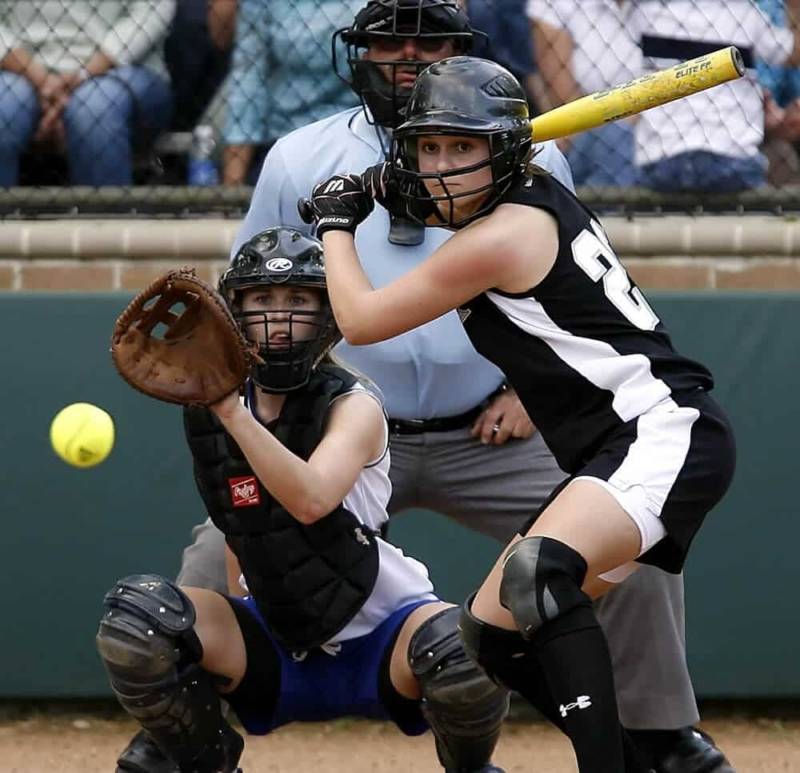
Power hitting is built on skill. No matter how strong you are, without the right skill, you can’t hit the ball further. So, young athletes should pay attention to their position, how they hold the bat, and how they swing to maximize their natural talent.
Power Building and Fitness
While skill is important, power building is equally so. A sturdy core, robust legs, and a supple upper body are all required to produce the energy necessary for forceful hits. Regular power building routines can assist young sportspeople in developing the muscle bulk and stamina they need for successful power hitting.
Advanced Techniques for Power Hitting
Once a player has the basics down, they can start to incorporate more advanced techniques into their hitting strategy. This can involve learning to read the pitcher, increasing bat speed, and adjusting for different types of pitches. These techniques require a deeper understanding of the game, but they can greatly increase a player’s power at the plate.
Power Hitting Practice
Regular practice is crucial for mastering power hitting. Useful drills and exercises can help young players develop muscle memory and enhance their overall performance. It’s vital to monitor progress and make necessary changes to ensure consistent improvement. For more tips, check out these youth baseball drills.
Grasping Power Hitting
What is Power Hitting?
Power hitting is the capacity to hit the ball with such force that it travels deep into the outfield or even over the fence. It’s a blend of strength, skill, and timing. In youth baseball, power hitting can transform a decent player into an outstanding one, significantly affecting the game.
The Importance of Power Hitting
Power hitting holds a significant place in baseball because it can be a game-changer. A home run or extra-base hit at the right moment can swing the game in your team’s favor. Furthermore, power hitting is a critical part of a player’s growth and can lead to opportunities for higher-level play and scholarships.
Common Characteristics of Power Hitters
Power hitters often share several key characteristics:
Powerful core and upper body strength
Superior hand-eye coordination
Rapid reflexes
Sound knowledge of pitch selection
Reliable and effective swing mechanics
Significance of Technique
Correct Stance and Bat Grip
A correct stance and bat grip are crucial for optimizing hitting power. The stance should be stable, with feet positioned shoulder-width apart and knees slightly bent. The bat should be held securely but not too tightly, with the hands positioned in a way that allows for a fluid, controlled swing.
Effective Swing Techniques
Swing techniques include all the movements from the beginning of the swing to the moment the bat contacts the ball. Effective swing techniques involve a fluid, controlled movement that optimizes the transfer of power from the body to the bat. This includes correct hip rotation, a powerful follow-through, and keeping balance throughout the swing. For more insights, check out these level swing techniques and consistency tips.
Importance of Hip Rotation
Hip rotation is an essential part of a strong swing. The initial force that is transferred from the body to the bat is created by the hips. The correct way to rotate the hips is to turn them in the direction of the pitcher as the swing is starting and then quickly and powerfully rotate them as the bat hits the ball. This movement helps to create the maximum amount of force and hit the ball a greater distance. For more tips on improving your swing, check out these power hitting techniques and drills.
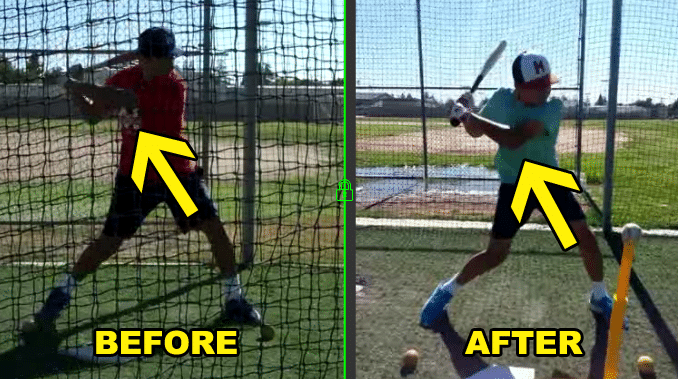
Effective Bat Swing Techniques
Effective bat swing techniques involve making sure every part of your body is in sync to generate power. This means having a smooth and controlled motion from the beginning of the swing to the point where the bat makes contact with the ball. One key aspect is maintaining a balanced stance and using your lower body to drive the swing. Your hands and arms should follow through naturally, ensuring that the energy from your legs and core is transferred to the bat.
Regular practice of these techniques is essential. Drills that emphasize balance and coordination can assist young athletes in establishing the muscle memory required for a strong, consistent swing. Keep in mind that the objective is to make the swing as effective as possible, reducing unnecessary movement and maximizing power.
How Hip Rotation Influences Power
Hip rotation is a key factor in a powerful swing. The hips serve as the body’s engine, creating the initial power that is then transferred through the torso, arms, and finally, the bat. To perform correct hip rotation, you should start by rotating your hips towards the pitcher as you start your swing. This initial motion should be controlled and intentional.
While swinging, the hips should turn fast and powerfully, creating a whip-like movement that propels the bat through the hitting zone. This turning force, along with a powerful follow-through, helps create the most power and hit the ball a greater distance. Practicing hip turning drills can help young players develop this important ability.
Swivel your hips towards the pitcher as the swing begins.
Spin quickly and powerfully throughout the swing.
Concentrate on a strong follow-through to optimize power.
Strength Training and Conditioning
Strength training and conditioning are crucial for developing the physical abilities needed for power hitting. A comprehensive training program should include exercises that target the core, upper body, and lower body. This will help young athletes cultivate the strength and stamina required for potent swings.
Strength Building Exercises for the Core
The core is essentially the powerhouse of a potent swing. Having strong muscles in the abdomen and lower back assist in stabilizing the body and moving energy from the lower body to the upper body. Exercises for the core like planks, Russian twists, and medicine ball throws can help develop the needed strength and stability.
Building Upper Body Strength
Having strong upper body muscles is also a critical factor in power hitting. Chest, shoulder, and arm muscles can be developed through exercises such as push-ups, pull-ups, and dumbbell presses. These muscles are essential for increasing bat speed and hitting the ball with more power. For more information on tailored exercises, check out our guide on baseball and softball training for kids.
Exercises for Agility and Flexibility
Many people forget about agility and flexibility, but they’re crucial for a strong, efficient swing. You can enhance your coordination and speed with agility drills like ladder and cone drills. Flexibility exercises such as dynamic stretches and yoga can help you maintain a full range of motion, which can lower your risk of injury and boost your overall performance.
Integrate core exercises like planks and Russian twists into your routine.
Boost your upper body strength with push-ups and dumbbell presses.
Boost your agility with ladder drills and cone drills.
Improve your flexibility with dynamic stretches and yoga.
Advanced Hitting Strategies
After you’ve got the basics down, advanced hitting strategies can help you raise your game. These strategies require a deeper understanding of the game and the ability to make quick adjustments based on the situation.
Understanding the Pitcher
Understanding the pitcher is a skill that can give hitters a major edge. By observing the pitcher’s tendencies, release point, and pitch choice, hitters can predict the type of pitch and where it will be. This enables them to hit the ball more solidly and with more force. For more on improving your hitting, check out our youth hitter tips.
Maximizing Bat Speed
Maximizing bat speed is essential for generating power. Bat speed can be enhanced through strength training, proper swing mechanics, and specific drills designed to increase quickness. One effective drill is the “heavy bat” drill, where hitters practice swinging a bat that is slightly heavier than their game bat. This helps build the muscles used in the swing and increases overall bat speed.
Adapting to Various Types of Pitches
For consistent power hitting, it’s crucial to adapt to different types of pitches. Hitters should be able to identify and adjust to fastballs, curveballs, sliders, and change-ups. This requires a solid grasp of pitch mechanics and the ability to make rapid adjustments based on the pitch’s speed and movement. For more insights, check out these youth hitter tips.
Mastering Power Hitting Through Practice
Consistency is key to mastering power hitting techniques. Engaging in effective drills and exercises can help young athletes build muscle memory and improve their overall performance. It’s important to track progress and make adjustments as needed to ensure continuous improvement.
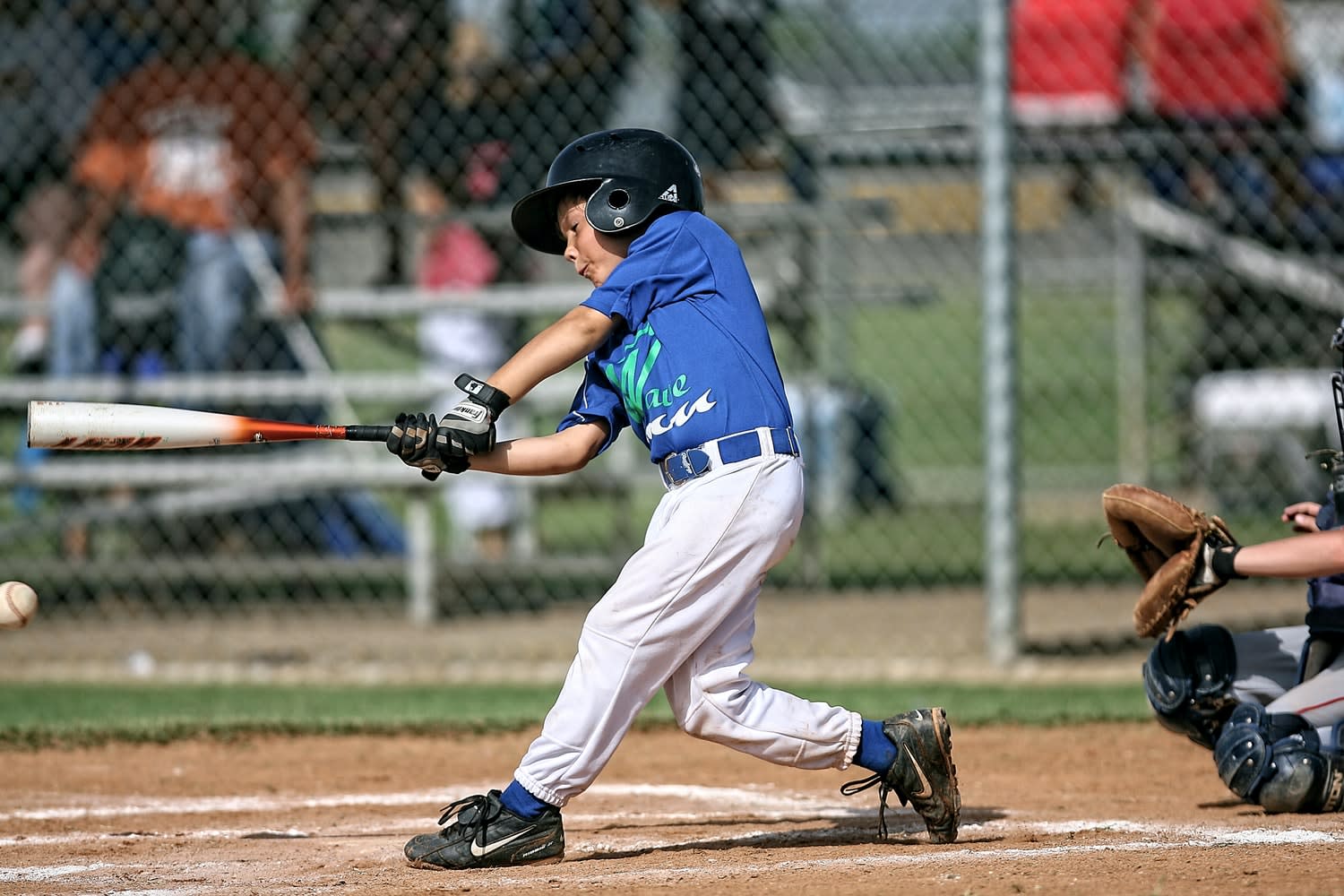
A drill that can really help is the “tee drill.” This is where hitters hit off a tee to really focus on the mechanics of their swing. Another drill that can be beneficial is the “soft toss.” This is where a coach or teammate underhand tosses the ball, which allows the hitter to focus on their timing and the path of their swing. These drills can be done on a regular basis to help reinforce good habits and to help build confidence.
Work on swing mechanics by practicing hitting off a tee.
Improve your timing and swing path with soft toss drills.
Keep track of your progress and make necessary changes.
Beneficial Drills and Workouts
Beneficial drills and workouts are crucial for improving power hitting skills. The “resistance band drill” is one such drill. In this drill, hitters use a resistance band to add resistance to their swing, which strengthens their muscles and enhances their swing mechanics. The “medicine ball throw” is another beneficial workout. In this workout, hitters throw a medicine ball against a wall to develop explosive power in their core and upper body.
Resistance Training for Power Hitting
Resistance training can help young athletes build the strength and muscle memory they need to hit with power. Resistance bands, weighted bats, and medicine balls are all great tools for adding resistance to training. These tools can help improve strength, speed, and overall performance.
For instance, the “heavy bat” drill mentioned before is an excellent method to integrate resistance into training. By practicing with a bat that is a bit heavier than their game bat, hitters can develop the muscles used in the swing and boost overall bat speed. Similarly, using a resistance band during swing drills can assist in enhancing strength and stability.
For improving power hitting, it’s crucial to incorporate drills and exercises into your training routine. The “resistance band drill” is one such exercise, where hitters use a resistance band to add tension to their swing, thereby increasing strength and refining swing mechanics. Another useful exercise is the “medicine ball throw,” where hitters throw a medicine ball against a wall. This exercise develops explosive power in the core and upper body.
Young athletes can benefit from incorporating resistance into their training to develop the strength and muscle memory required for forceful swings. Resistance bands, bats with added weight, and medicine balls are all useful tools for integrating resistance into training. These tools can enhance strength, speed, and overall performance.
Take the “heavy bat” drill we talked about before. It’s an awesome way to bring resistance into the mix. When hitters practice with a bat that’s a bit heavier than the one they use in games, they’re building up their swing muscles and boosting their bat speed. Plus, using a resistance band during swing drills is a fantastic way to build strength and stability.
Enhance Your Power Hitting Now
For those who are committed to enhancing their power hitting, it’s time to make a move. Using the strategies and techniques discussed in this article, you can aid young athletes in acquiring the abilities they need to hit the ball with more distance and regularity. Check out these youth hitter tips for more insights.
Put into Practice the Science of Human Movement
Applying the science of human movement is one of the best ways to increase your hitting power. This means understanding what makes a swing powerful and doing specific drills and exercises to build the strength and coordination you need. For tailored drills and exercises, check out baseball and softball training for kids.
If you’re interested in a complete training program that includes these principles, check out The Truth About Explosive Rotational Power. This program offers a detailed guide to understanding the mechanics of a powerful swing, and it can help young athletes reach their maximum potential.
Advantages and Anticipations
With a disciplined training regimen, you can anticipate substantial enhancements in hitting power in a matter of months. Advantages encompass augmented bat velocity, improved swing techniques, and heightened overall might and coordination. Above all, youthful sportsmen will acquire assurance in their competencies and relish the game to a greater extent.
Get Your Training Resources Now
Don’t delay. Get your training resources now and equip young athletes with the tools they need to excel. Whether you’re a coach, parent, or player, putting money into a thorough training program can significantly improve performance and love for the game.
Common Questions
What does power hitting mean in youth baseball?
Power hitting in youth baseball is the skill of hitting the ball hard enough to send it deep into the outfield or over the fence. It requires a mix of strength, technique, and timing to produce the most force in the swing.
Why is the right form more important than power?
Having the right form is more important than power because it allows batters to effectively transfer energy from their body to the bat. The right form ensures that all parts of the body work together to generate power, while the wrong form can lead to wasted energy and inconsistent performance. For more on this, check out our youth hitting timing and rhythm guide.
What exercises are most effective for enhancing hitting power?
The most effective exercises for enhancing hitting power are core exercises such as planks and Russian twists, upper body exercises like push-ups and dumbbell presses, and agility drills like ladder drills and cone drills. These exercises help develop the strength and coordination necessary for a powerful swing.
How can I help my child learn to read a pitcher?
Helping your child learn to read a pitcher means teaching them to recognize the pitcher’s habits, release point, and choice of pitches. Get them to focus on the pitcher’s body language and movements, and during batting practice, work on identifying different pitches.
Moreover, viewing clips of pitchers and talking about their tactics can assist young players in improving their grasp of how to predict and respond to various pitches.
Observe the pitcher’s tendencies and the point at which they release the ball.
During batting practice, work on identifying various pitch types.
Review footage of pitchers and discuss their strategies.
How should young players adjust to different types of pitches?
Young batters should adjust their approach based on the speed and movement of different types of pitches. For fastballs, they should concentrate on quick reactions and a short, compact swing. For curveballs and sliders, they should wait a little longer and adjust their swing to match the movement of the pitch. Change-ups require patience and timing, so players should be encouraged to maintain their balance and avoid lunging forward.
Young athletes can enhance their ability to make swift and effective adjustments by practicing with a range of pitches during batting practice.
How frequently should you do power-hitting drills?
You should aim to do power-hitting drills 2-3 times a week. The more consistent you are, the more muscle memory you build and the better you perform. Make sure to mix up the drills to keep the practice sessions interesting and productive.
To avoid overuse injuries and to make sure that athletes are able to perform at their peak during practice and games, they need to have enough rest and recovery time.
Where can I find more resources?
If you’re looking for more resources on power hitting and youth baseball training, I recommend checking out The Truth About Explosive Rotational Power. Additionally, you might find this guide on youth hitting timing and rhythm helpful. This training program is full of useful tips and insights to help you improve your hitting power and overall performance.
Furthermore, there are useful write-ups, clips, and exercises from trusted baseball training websites, coaching groups, and sports performance professionals.
Keep in mind, the secret to achievement is regular training, concentration on correct form, and an openness to study and progress. With the correct attitude, young sportsmen can build the abilities and self-assurance required to shine in power hitting and make the most of the baseball game.

Leave a Reply