Main Points
Appropriate defensive positioning in youth baseball and softball can considerably lower errors and enhance the overall team’s performance.
Regular practice of fielding exercises improves players’ hand-eye coordination, footwork, and reaction time.
Effective communication on the field is vital to avoid misplays and ensure the smooth implementation of defensive strategies.
Understanding each player’s role and positioning in various game situations is crucial for a cohesive defense.
Using data and statistics can assist coaches in making informed decisions about player positioning and defensive shifts.
Advanced Defensive Positioning Strategies & Tips for Youth Baseball Softball Teams
Defensive positioning is an essential element of youth baseball and softball. It involves placing players in the optimal locations on the field to maximize their chances of making plays and minimizing the opponent’s scoring opportunities. Proper positioning requires a combination of skill, strategy, and communication.
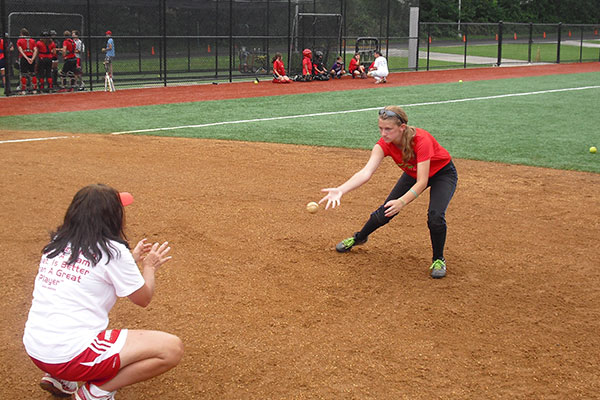
Get Started with Defensive Positioning
Coaches should focus on the basics when it comes to defensive positioning. Make sure your players know what they’re supposed to do and where they’re supposed to be. Start with simple drills that stress the importance of being in the right place at the right time.
Here are a few pointers to get your team off the ground:
Make sure your players know the basic positions and the areas they are responsible for.
Run situational drills to help your players understand where they need to be during different plays.
Stress the importance of communication between players to prevent confusion and overlapping.
Stay on Your Toes: Mental and Physical Preparedness
Physical readiness is key, but mental preparedness is just as critical for effective defensive positioning. Your players need to stay alert and anticipate the play before it happens. This mental preparedness can be built up through regular practice and game-like situations.
Urge your team members to:
Always be ready and anticipate the ball coming to you.
Speak with teammates to make sure everyone understands the plan.
Imagine various game situations and consider where they should be positioned.
Frequent Defensive Positioning Problems
Despite consistent practice, teams may encounter numerous issues with defensive positioning. Tackling these problems directly can enhance the team’s overall performance.
Grasping the Concept of Field Duties
A common hurdle is making sure all players grasp their duties on the field. Each position on the field comes with specific responsibilities, and players must understand what they should do in different scenarios. For more detailed guidance, check out these advanced team defense drills.
Take infielders, for instance, who need to be prepared to field ground balls, while outfielders need to be ready to catch fly balls and make long throws. Catchers and pitchers also have their own unique responsibilities that require precision in their positioning and quick decision-making.
Field Miscommunication
Another major issue that can cause mistakes and missed chances is miscommunication. In order to prevent running into each other and to make sure the correct player makes the play, players need to communicate well. For more tips on improving team dynamics, check out these coaching youth learning styles.
Coaches can assist by promoting ongoing dialogue during training and matches. Easy expressions such as “I got it!” or “Yours!” can greatly help in avoiding mishaps. For more tips on effective training, check out this guide on youth baseball training drills.
Footwork and Mechanics Mistakes
Footwork and mechanics are the bread and butter of solid defense. If a player is having trouble with their footwork, they might be caught out of position or unable to make fast, on-target throws.
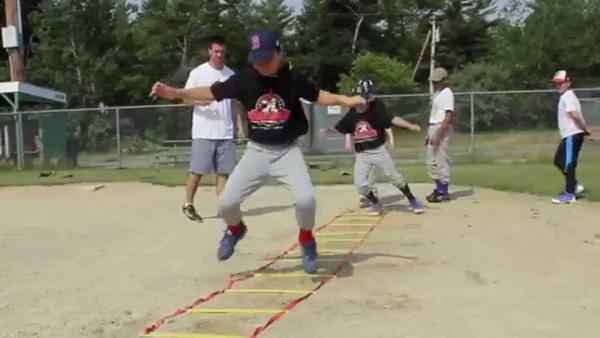
Coaches should concentrate on exercises that boost agility and emphasize correct techniques. Ladder exercises, for example, can improve footwork, while throwing exercises can help players throw with power and precision.
Lack of Situational Awareness in Younger Players
Youth players may not have developed strong situational awareness yet, which can impact their positioning and choices during a game. Situational awareness is about understanding the context of the game, like how many outs there are, where the base runners are, and what the score is.
Coaches can boost players’ situational awareness by incorporating practice drills that mirror real-game situations. By talking through these situations and outlining the optimal defensive moves, players can gain a deeper comprehension of the game.
Setting Up Shift Defenses
Shift defenses are a strategy where players are moved from their normal positions to positions that are more likely to prevent the opposing team’s hitters from getting hits. This strategy can greatly decrease the number of hits that are allowed and increase the number of outs that are made. To set up shift defenses correctly, coaches need to study the batting patterns of the opposing team and move their players to positions that are more likely to prevent hits based on these patterns.
For instance, if a batter frequently hits ground balls to the right side of the infield, the coach may choose to move the shortstop nearer to second base and the second baseman farther to the right. This increases the chance of catching the ball and getting the batter out.
For shift defenses to be effective, players must communicate well and understand each other. Regular practice is key to helping players get used to their new positions and responsibilities. Coaches should also make sure that players can easily and quickly switch back to their regular positions when necessary.
Guidelines and Tactics for Particular Player Positions
Every position in baseball or softball carries its own unique set of responsibilities and requires a particular set of skills. Here are some guidelines and tactics for different player positions to improve their defensive game.
Outfield Players
Outfield players are key in stopping extra-base hits and making long throws to prevent runners from moving forward. Their positioning and mechanics are essential for a solid defensive team.
Positioning to catch the ball
Outfielders should always aim to position themselves behind the ball when they are about to make a catch. This position will enable them to move forward into their throw, thus generating more power and accuracy. Coaches can use drills that emphasize tracking fly balls and positioning the body correctly for the throw.
Correct throwing techniques
Maintain the elbow level with the shoulder.
Perform a crow hop to build up momentum.
Complete the throw to guarantee power and precision.
Outfielders who continually practice these techniques will be able to make powerful, precise throws to the infield.
Players in the Infield
Players in the infield must have fast reflexes, great footwork, and good communication skills. They must be able to field ground balls and throw accurately to prevent base hits and complete double plays.
Speedy Hands and Feet
Infield players need to have speedy hands to cleanly catch ground balls and quickly move them to their throwing hand. Footwork is just as crucial because it enables them to be in the best position to catch the ball and throw it accurately.
Exercises that prioritize nimbleness, like ladder exercises and cone exercises, can enhance foot coordination. Trainers should also stress the significance of maintaining a low position and utilizing the correct glove method when handling ground balls.
Talking during double plays
Pulling off double plays needs exact communication among infielders. Players have to know who will cover the base and who will make the throw. Regularly practicing double play situations can help players get a clear understanding of their roles and better their communication.
Catchers
Catchers are the backbone of the defense. They set themselves up to catch pitches, stop balls in the dirt, and throw to different bases. Their positioning and choices are essential for a solid defense.
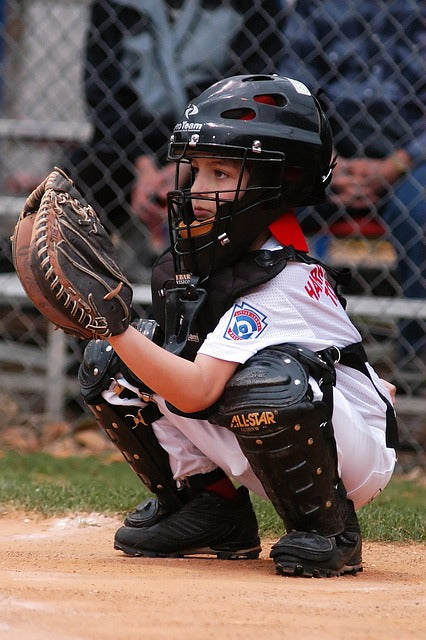
How to position for different pitches
Catchers must change their position depending on the pitch that’s coming. For instance, they should be a bit to the outside for an outside pitch and prepare to stop low pitches by getting lower. For more on this, check out these pitching mechanics for kids.
Steering the Team Defense
Catchers need to have good communication with pitchers and infielders. They should be the ones to call out plays, direct fielders, and make sure everyone is aware of the game situation. Strong leadership from the catcher can significantly enhance team defense.
Pitchers
“Pitchers are a critical part of the defense, not only because they throw strikes but also because they field their position and back up bases.”
In addition to pitching, pitchers need to be prepared to field bunts, cover first base, and back up throws to bases. Their positioning and alertness can stop additional bases and runs.
Supporting the bases
Pitchers should always have in mind where they should be to support throws to bases. For instance, on a throw to third base, the pitcher should position themselves behind the base to receive any overthrows. This positioning can stop runners from moving forward on bad throws. For more advanced tips, check out these fielding drills to improve positioning.
Talking to infielders
Good communication between pitchers and infielders is a must. Pitchers need to tell infielders when they’re going to cover a base or field a bunt. This communication makes sure everyone knows what’s happening and lowers the chance of defensive mistakes.
Real Life Success Stories
Looking at how other youth teams have successfully set up their defenses can give you some great ideas and motivation for your own team. Here are some examples of how good defensive positioning has helped teams win.
Effective Defensive Formations from Youth Teams
There was a youth baseball team that used a shift defense against a powerful left-handed hitter who frequently pulled the ball. They adjusted the shortstop to be closer to second base and moved the second baseman more to the right, which allowed them to catch several ground balls and stop base hits. This tactical positioning greatly contributed to their win.
Pivotal Points and Choices that Determined the Outcome
In a different scenario, a young softball team concentrated on enhancing their verbal exchanges and understanding of the situation. In a crucial match, the catcher signaled a play to catch a runner trying to steal second base. The shortstop and second baseman carried out the play flawlessly, leading to an out and swinging the momentum to their side.
The examples above demonstrate the critical role that good positioning, clear communication, and awareness of the situation play in youth baseball and softball. Coaches who adopt these strategies and emphasize the unique responsibilities of each player can greatly improve their team’s defensive play. For more advanced techniques, check out Advanced Team Defense Drills for Baseball.
In youth baseball and softball, defensive positioning is key. This is where you put players in the right places on the field to increase their odds of making plays and decrease the other team’s chances of scoring. Good positioning needs a mix of skill, strategy, and communication.
Getting Started with Effective Defensive Positioning
Starting with effective defensive positioning requires coaches to focus on the basics. Ensure your players know their roles and responsibilities on the field. Start with simple drills that stress the importance of being in the right place at the right time.
Here are a few pointers to get your team going: check out these effective team defensive work tips.
Make sure players understand their designated positions and the areas they are responsible for covering.
Use situational drills during practice to help players learn where they should be positioned during different plays.
Stress the importance of players communicating with each other to prevent confusion and overlapping coverage.
Stay Alert: Physical and Mental Preparedness
In addition to being physically ready to play, mental preparedness is also crucial for effective defensive positioning. Players need to stay alert and anticipate the next play before it happens. This mental alertness can be developed through regular practice and simulated game situations.
Urge your team members to:
Always stay on your toes and be ready for the ball to come to you.
Make sure to communicate with your teammates to make sure everyone knows what’s going on.
Try to visualize different plays and think about where you should be.
Common Questions
How many times a week should teams do defensive drills?
Teams should do defensive drills at least two times a week. Practicing regularly helps players to build and keep their skills, and it makes sure they are ready for games. Also, adding defensive drills to every practice can help to build good habits and make the team better overall.
What are some of the usual defensive drills for youth teams?
The usual defensive drills for youth teams consist of:
Ground ball drills: These drills are designed to help players practice fielding ground balls and making accurate throws to first base.
Fly ball drills: These drills are designed to help players practice tracking and catching fly balls in the outfield.
Double play drills: These drills are designed to help infielders practice turning double plays.
Catching drills: These drills are designed to help catchers focus on blocking pitches and making throws to bases.
These drills are designed to help players develop the fundamental skills they need to play defense effectively.
What can coaches do to enhance player communication?
Coaches can enhance player communication by promoting ongoing verbal engagement during practice and games. Instructing players to use simple, clear phrases such as “I got it!” or “Yours!” can avoid confusion and ensure that the correct player makes the play. Also, integrating communication drills into practice can assist players in forming the habit of speaking to each other on the field.
How can you teach youth players to be aware of the game situation?
Coaches can help youth players understand game situations by creating practice drills that simulate real-game situations. By talking through these scenarios and explaining the best defensive strategies, players can better understand the context of the game. Also, encouraging players to think ahead and anticipate plays can help them improve their game situation awareness.
How can we utilize data and statistics in youth baseball and softball?
We can use data and statistics to help us with defensive positioning and strategy. Coaches can keep track of the tendencies of opposing hitters and adjust the positions of their players based on that. For instance, if a batter usually hits ground balls to the right side of the infield, moving the infielders over to cover that area can help increase the odds of getting an out. For more tips on coaching, check out this guide for youth coaching.
Keep an eye on the batting habits of the opposing team.
Move your players around according to the data you’ve gathered.
Use the numbers to determine when to shift your defense.
Coaches can use data and statistics to make educated choices that will improve their team’s defense.
What can a coach do when a team has problems with defensive positioning?
When a team has problems with defensive positioning, the first thing a coach should do is identify the specific problems. This may involve watching game footage or watching practice sessions. Once the problems have been identified, the coach can then address them with specific drills and practice situations. Also, focusing on communication and situational awareness can help players improve their positioning.
Is it important for players to understand their roles in the field?
Understanding their roles in the field is of utmost importance for players. By knowing their responsibilities and positions, they can anticipate plays and react swiftly. Coaches should explain each player’s role in a clear manner and provide regular feedback to ensure that everyone understands their field duties.
How can you keep young players interested during practice?
Keeping young players interested during practice can be achieved by coaches introducing a range of drills and activities that are both difficult and enjoyable. Changing up practice routines and incorporating situations that mimic games can keep players intrigued and driven. Furthermore, offering positive feedback and establishing attainable objectives can assist in keeping players’ excitement levels high.

Leave a Reply