Key Points
It’s crucial for young batters to understand the strike zone to enhance their hitting skills.
The dimensions of the strike zone can vary based on the batter’s stance and the umpire’s judgment.
Plate discipline development helps batters make more informed decisions on which pitches to swing at.
Effective drills like tee drills and soft toss drills can boost a batter’s precision and confidence.
Technology and video analysis can significantly boost a young batter’s performance.
Comprehensive Strike Zone Guide for Young Batters & Hitting Tips

Knowing your strike zone in baseball is like having a secret weapon. It allows you to understand which pitches to swing at and which ones to pass. This knowledge can make a big difference in your batting average and overall performance. Most importantly, it can increase your confidence when you’re at the plate.
Understanding your strike zone can help you predict where the ball will land. This prediction can lead to faster and more precise decisions, resulting in more hits and less strikeouts. Additionally, it can help you avoid swinging at bad pitches that are hard to hit.
Strike Zone Measurements
The strike zone is the space above home plate where a pitch must cross for a strike to be called. The strike zone ranges from the batter’s knees to the midpoint between their shoulders and the top of their pants. The strike zone is as wide as home plate, which is 17 inches wide.
While the precise measurements can fluctuate depending on the batter’s stance and the umpire’s decision, this inconsistency makes it crucial for batters to comprehend their individual strike zone and modify their strategy as needed.
“The strike zone is the heart and soul of baseball strategy, and mastering its complexities can greatly improve a player’s knowledge of the game.”
Essential Tips for Batting in the Strike Zone
Getting a handle on the strike zone involves a number of essential tips. These tips can help young batters boost their batting skills and become more successful at the plate.
“For pitchers, hitting the strike zone consistently is key to controlling the game and preventing walks. Batters, on the other hand, must recognize pitches within the zone to improve their hitting and avoid strikeouts.”
Developing Plate Discipline
Plate discipline is the ability to recognize good pitches to swing at and let bad ones go. Developing this skill is crucial for young batters. It helps them avoid swinging at pitches outside the strike zone, which can lead to strikeouts and weak hits.
Here are a few things young batters should concentrate on to improve their plate discipline:
Knowing their strike zone
Being patient when at bat
Identifying different types of pitches
Observing and studying pitches during practice
Enhancing Pitch Recognition
Pitch recognition is the skill of determining the type of pitch that is being thrown. This is a critical skill for making snap decisions on whether to swing or not. Enhancing pitch recognition can result in better contact and more hits.
Here are some suggestions for improving pitch recognition:
Observe the grip and release point of the pitcher
Pay attention to the ball when it’s thrown by the pitcher
During batting practice, try to identify different types of pitches
Utilize video analysis to learn more about pitchers and their pitching techniques
Improving Hand-Eye Coordination
Hand-eye coordination is the skill of following the ball with your eyes and hitting it with the bat. It’s essential for consistently and accurately hitting the ball.
Young batters looking to improve their hand-eye coordination might want to give these drills a shot:
Softball toss drills
Baseball tee drills
Small ball tracking drills
Quick response time drills
Drills that Work for Practice
Practice makes perfect, especially when it comes to hitting in the strike zone. The right drills can help young batters build the skills and confidence they need to shine at bat. For more on developing these skills, check out these muscle memory development tips.
Using Tee Drills to Improve Accuracy
Practicing tee drills is an excellent method for young batters to improve their accuracy. These drills allow them to concentrate on the mechanics of their swing and ensure they are making consistent contact with the ball.
Here’s how to do a basic tee drill:
Position a batting tee at home plate
Set a ball on the tee at the height you want
Get in your stance and aim to make solid contact with the ball
Do the drill again, changing the tee height and position to practice hitting various parts of the strike zone
Variations of the Tee Drill
In addition to the basic tee drill, there are a few variations that can help young batters enhance their skills:
One effective variation is focusing on consistent bat path strategies to ensure solid contact with the ball.
High Tee Drill: To practice hitting high pitches, place the ball on the tee at a higher position.
Low Tee Drill: To practice hitting low pitches, place the ball on the tee at a lower position.
Inside-Out Tee Drill: To practice hitting pitches on the inner and outer parts of the strike zone, position the tee inside and outside.
Soft Toss Drills
Soft toss drills are great for improving hand-eye coordination and timing. In these drills, a coach or teammate gently tosses the ball underhand from the side, while the batter tries to make solid contact. This drill helps young batters develop a smooth, controlled swing and get better at hitting pitches in different parts of the strike zone.
Here’s how you can do a soft toss drill:
Get into your batting stance and have a coach or teammate stand to the side, about 10-15 feet away.
The coach or teammate will then underhand toss the ball towards the strike zone.
Concentrate on making a solid contact with the ball, aiming for different areas of the strike zone.
Do the drill over, changing up the tosses to practice hitting high, low, inside, and outside pitches.
Soft toss drills can be changed up to include different pitch types, like fastballs, curveballs, and changeups. This change helps batters learn to adjust their swing to different pitch speeds and movements.

Practicing with Live Pitches
One of the best ways to get ready for real game scenarios is to practice with live pitches. This involves a pitcher throwing a range of pitches, at varying speeds and in different locations. The aim is to mimic actual game conditions and help batters get better at recognizing pitches and improving their timing.
When practicing live pitch simulation, young batters should concentrate on following the ball from the pitcher’s hand, identifying the kind of pitch, and deciding if they should swing. This exercise aids in the development of the rapid decision-making abilities required to excel at the plate.
Usual Errors and Ways to Prevent Them
Despite having top-notch training and exercises, young hitters may still commit usual errors that can negatively affect their performance. Identifying and rectifying these errors is essential for progress.
Let’s take a look at some common mistakes and how to prevent them:
Swinging at Pitches Outside the Zone
Young batters often fall into the trap of swinging at pitches that are outside the strike zone. This usually results in poor contact with the ball or missing it altogether. To prevent this from happening, batters need to work on their plate discipline and get a good grasp of their strike zone.
Using a batting tee and soft toss drills during practice can help young batters learn to identify and hit pitches within the strike zone. Also, watching and studying pitches during practice can help them improve their ability to identify good pitches to swing at.
Impatience at the Plate
One common error is impatience at the plate. Young batters may feel nervous or overly excited to hit the ball, resulting in early swings and weak contact. Patience is crucial to waiting for a good pitch to hit.
To grow their patience, hitters should practice taking pitches during batting practice and concentrate on their breathing to remain cool and relaxed. Visualization methods can also assist hitters in picturing themselves waiting for the ideal pitch and making solid contact. For more detailed strategies, check out this article on the best two-strike approach.
How Technology Helps Young Batters Improve
Thanks to technology, athletes now have more resources than ever to help them train. This is true for baseball as well, where apps, software, and video analysis tools can give young batters the detailed feedback and insights they need to get better.
Training with Apps and Software
There are many apps and software programs available that are specifically designed to help batters enhance their skills. They can track and analyze the mechanics of a swing, provide feedback in real-time, and offer customized training plans.
Here are some well-known baseball training apps:
Blast Motion: An app that uses a sensor attached to the bat to measure swing speed, angle, and other metrics. It provides instant feedback and detailed analysis to help batters improve their swing mechanics.
Zepp Baseball: An app similar to Blast Motion, Zepp Baseball uses a sensor to track swing data and offers personalized training plans based on the batter’s performance.
Diamond Kinetics: An app that provides advanced swing analysis and real-time feedback, helping batters make adjustments and improve their performance.
Benefits of Video Analysis
Video analysis is a powerful tool for improving batting skills. By recording and analyzing their swings, batters can identify areas for improvement and make necessary adjustments. Video analysis can be done using smartphones, tablets, or specialized software.
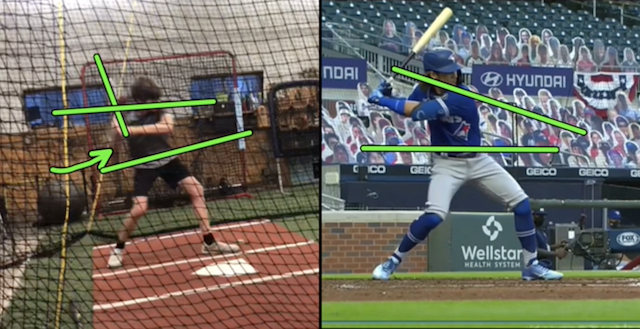
Let’s take a look at some of the advantages of video analysis:
Enables batters to view their swing mechanics in slow motion
Assists in recognizing weaknesses and areas that need improvement
Offers visual feedback and strengthens correct techniques
Allows comparison with professional hitters and role models
The Psychological Side of Batting
In addition to physical abilities, the psychological side of batting is pivotal in a batter’s success. Developing confidence and handling game-day nerves are crucial for young batters to perform at their peak.
Gaining Self-Assuredness in Batting
Believing in oneself is crucial to a batter’s triumph. A self-assured batter is more likely to make wise choices and carry out their swing efficiently. To gain self-assuredness, young batters should concentrate on their strong points and rejoice in their accomplishments.
Using positive affirmations and visualization can improve confidence. Supportive words from coaches and teammates can drastically change a batter’s mentality.
Dealing with Pre-Game Jitters
Feeling a bit jittery before a game is completely normal, but it’s important to keep those nerves in check. Young batters can employ a variety of strategies to remain cool, calm, and collected during games.
Here are a few helpful tips:
Deep breathing exercises to relax and reduce anxiety
Visualization techniques to imagine successful at-bats
Positive self-talk to reinforce confidence and focus
Establishing a pre-game routine to create a sense of familiarity and comfort
Get Started with Proven Techniques
Now that we’ve covered the essentials of mastering the strike zone and improving hitting skills, it’s time to put these techniques into practice. Consistent practice and a positive mindset are key to success. For more tips on improving hitting skills, check out consistent bat path strategies for young players.
If you’re ready to level up your training, think about signing up for a specialized online course. The Pitch-Plane Dominator online video mini-course is a great option. It provides a straightforward 4-step formula to help young batters boost their batting average, cut down on strikeouts, and hit more line drives.
Young batters can become masters at the plate with the right training and attitude. Start practicing today with these youth batting drills and see your performance skyrocket!
Young batters require a thorough guide to mastering the strike zone and improving their batting skills. This article offers important knowledge and useful tips to help them excel at bat.
Frequent Errors and How to Steer Clear of Them
Despite receiving the finest coaching and participating in the most effective drills, young batters can still commit frequent errors that can impede their performance. Identifying and rectifying these errors is vital for progression. For example, focusing on youth batting drills can help improve muscle memory and reduce common mistakes.
Here are some common pitfalls and how to steer clear of them: understanding the best baseball batting tips for kids can be crucial for young players to avoid mistakes and improve their game.
Swinging at Pitches Outside of the Strike Zone
Young batters often make the mistake of swinging at pitches outside of the strike zone. This usually results in weak hits or strikeouts. To prevent this, batters need to work on their plate discipline and get to know their strike zone.
Using a batting tee and participating in soft toss drills are great ways for batters to learn how to identify and hit strikes. Also, by watching and studying pitches during practice, they can improve their ability to know which pitches are good to hit.
Impatience at the Plate
A frequent error is impatience at the plate. Young batters can be nervous or excited to hit the ball, which often results in early swings and bad contact. Patience is crucial for waiting for a good pitch to hit.
Young batters can cultivate patience by practicing pitch-taking during batting practice and concentrating on their breathing to remain cool and composed. Visualization strategies can also assist batters in picturing themselves patiently waiting for the ideal pitch and making firm contact. For more insights, check out this guide on the strike zone in baseball.
How Technology Can Help Young Batters
Technology has transformed the way athletes train, and baseball hasn’t been left behind. There are a variety of apps, software, and video analysis tools that can greatly improve a young batter’s performance by offering detailed feedback and insights. For instance, incorporating speed-enhancing baseball training aids can be a game-changer for developing batters.
Training with Apps and Software
There are many apps and software programs available that can help batters enhance their skills. These resources can monitor and evaluate swing mechanics, provide instant feedback, and create customized training plans.
Here are some popular apps for baseball training:
Blast Motion: This application uses a sensor that is attached to the bat to measure the speed of the swing, the angle, and other metrics. It provides immediate feedback and a detailed analysis to help batters enhance their swing mechanics.
Zepp Baseball: Similar to Blast Motion, Zepp Baseball uses a sensor to track data related to the swing and offers personalized training plans based on the performance of the batter.
Diamond Kinetics: This application provides advanced analysis of the swing and real-time feedback, which helps batters make adjustments and enhance their performance.
Advantages of Video Analysis
Video analysis is a potent tool for enhancing batting skills. By recording and analyzing their swings, batters can identify areas that need improvement and make the necessary adjustments. Video analysis can be done using smartphones, tablets, or specialized software.
Here’s why video analysis is beneficial:
Gives batters the opportunity to examine their swing mechanics in slow motion
Assists in pinpointing weaknesses and areas that need improvement
Offers visual feedback and strengthens correct techniques
Allows for comparison with professional hitters and role models
The Psychological Aspect of Batting
In addition to physical abilities, the psychological aspect of batting is critical to a batter’s success. Building self-assurance and handling game-day jitters are vital for young batters to perform at their peak. For more insights, check out this guide on the strike zone in baseball.
Gaining Confidence in the Batter’s Box
Confidence is crucial for a batter’s success. A batter who is confident is more likely to make good decisions and swing effectively. To gain confidence, young batters should focus on what they’re good at and celebrate their successes.
Using positive self-talk and visualization can also help improve confidence. Words of encouragement from coaches and teammates can greatly impact a batter’s mentality.
Handling Pre-Game Jitters
Feeling nervous before a game is normal, but it’s important to keep those nerves in check to perform well. Young batters have a variety of methods at their disposal to remain cool and concentrated during games.
Here are some successful strategies:
Deep breathing exercises to relax and reduce anxiety
Visualization techniques to imagine successful at-bats
Positive self-talk to reinforce confidence and focus
Establishing a pre-game routine to create a sense of familiarity and comfort
Get Started with Proven Techniques
Now that we’ve covered the essentials of mastering the strike zone and improving hitting skills, it’s time to put these techniques into practice. Consistent practice and a positive mindset are key to success.
If you’re ready to elevate your training, think about signing up for a specialized online course. The Pitch-Plane Dominator online video mini-course is a great option. This course provides an easy 4-step method to assist young batters in improving their batting average, minimizing strikeouts, and hitting more line drives.
By adopting the correct training approach and mental attitude, young batters can cultivate the necessary skills and self-belief to thrive at the plate. Start training now with these best baseball batting tips for kids and see how your performance gets better!
Common Questions
How high should the strike zone be?
The strike zone should ideally go from the batter’s knees up to halfway between their shoulders and the top of their pants. But this can change depending on the batter’s stance and the umpire’s call. For more on improving your batting stance, check out these baseball batting tips for kids.
What can I do to help my child improve their plate discipline?
If you want your child to improve their plate discipline, try teaching them how to recognize their strike zone, encouraging them to be patient at the plate, and helping them learn how to identify different types of pitches. Practicing regularly with drills such as tee drills and soft toss drills can also help them improve their discipline.
What are the best drills for young batters?
The best drills for young batters are tee drills, soft toss drills, and live pitch simulation. These drills are great for improving swing mechanics, hand-eye coordination, and pitch recognition.
How can technology enhance batting practice?
Technology can enhance batting practice by offering comprehensive feedback and analysis. Apps and software such as Blast Motion, Zepp Baseball, and Diamond Kinetics monitor swing data and provide tailored training plans. Video analysis tools also assist batters in pinpointing areas for improvement and making the required adjustments.
What are the usual errors young batters commit?
Young batters usually commit errors such as going after pitches outside the strike zone, not having enough patience at the plate, and poor pitch recognition. These errors can be addressed through specific drills and practice, which can significantly enhance their performance.
What is the role of the mental game in batting?
The mental game in batting is a key factor for success. Developing self-assurance, handling the pressure of game day, and keeping a positive attitude can greatly influence a batter’s performance. Methods such as deep breathing exercises, visualization, and positive self-talk can assist young batters in staying concentrated and self-assured.
Have hitting training aids been successful?
There are countless stories of young batters who have seen significant improvements by using hitting training aids. For example, the Pitch-Plane Dominator online video mini-course has helped many batters increase their batting average, decrease their number of strikeouts, and hit more line drives. This is all thanks to a simple 4-step formula based on proven principles of human movement science.
When young batters begin to implement these strategies and techniques into their practice routines, they will start to see an improvement in their skills and confidence at the plate. Start practicing today and see your performance soar!

Leave a Reply