Main Points
Drills that boost power are beneficial for young baseball players as they improve swing mechanics and increase the distance of batted balls.
It is important to create a positive and supportive environment during practice for the development of young athletes.
Understanding the mechanics and coordination needed for a powerful swing can aid in effective coaching.
Specific drills, such as tee practice and soft toss, can greatly improve a young hitter’s performance.
Regular practice and setting goals are necessary for continuous improvement in youth baseball.
Power-Boosting Baseball Drills for Kids: Coaching Tips & Techniques
Baseball is a game that requires skill, precision, and power. For young athletes, learning the basics early on can make a big difference. One of the most important aspects of baseball is hitting, and power-boosting drills can help kids improve their swing and hit the ball further. Here are some key tips and techniques to help young players increase their power and improve their overall performance.
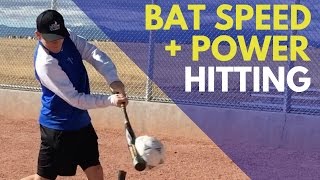
Importance of Power in Kids Baseball
Power in baseball isn’t just about hitting home runs. It’s about having a strong, efficient swing that can drive the ball with authority. For young players, developing power can build confidence, make them more competitive, and enhance their enjoyment of the game. A powerful swing can turn a routine grounder into a line drive and a fly ball into a home run.
Common Problems for Young Batters
Young batters often face a number of problems as they develop their skills. These can include:
Here are some of the common challenges young baseball players face:
Swing mechanics are inconsistent
Strength and coordination are lacking
They have trouble timing pitches
They are afraid of being hit by the ball
Knowing what these challenges are is the first step in helping young athletes overcome them. Coaches and parents can guide their players to success by focusing on specific drills and techniques, such as consistent bat path strategies.
Establishing an Ideal Training Atmosphere
Along with imparting the correct methods, it is crucial to establish a training atmosphere that encourages learning and development. Children must feel encouraged and driven to exert the necessary effort to enhance their abilities.
Boosting Self-Esteem and Fun
Self-esteem is essential for a young player’s triumph. When children feel good about themselves, they’re more likely to step out of their comfort zones and experiment. To boost self-esteem:
Here are some tips for coaching youth baseball:
Cheer for their small victories
Give helpful criticism
Promote a positive mindset
Keeping practice fun is just as important. Include enjoyable drills and games to keep the kids interested and eager to learn.
Cultivating a Supportive Environment
Creating a supportive environment can be a game-changer in a kid’s growth. Promote team spirit, respect, and fair play. Make sure the kids know it’s okay to mess up and learn from their mistakes. This will not only help them grow as players but also as people.
Grasping the Mechanics of a Strong Swing
When teaching young players to develop a strong swing, it’s important to know the mechanics and coordination that go into it. A strong swing isn’t just about sheer power; it’s about the technique, the timing, and the muscle memory.
How Mechanics and Coordination Come into Play
A good swing uses the whole body and requires all parts to move together. Some important parts of this include:
Correct positioning and holding of the bat
Effective transfer of weight
Rotation of the hips and shoulders
Continuing the swing after hitting the ball
These aspects need to work together to make sure the swing is both strong and fluid. For more tips on improving your swing, check out these youth baseball hitting tips.
Why Muscle Memory Matters
Muscle memory is vital for perfecting a reliable swing. The more a player practices the right mechanics, the more their body will remember the movements. This is especially helpful for young players, as it allows them to recreate a strong swing during games with ease.
Drills to Boost Power
Now that we’ve covered the significance of mechanics and coordination, let’s explore some particular drills that can assist young players in increasing their power.
Drill 1: Swing Mechanics with Tee Practice
Tee practice is a great drill for working on swing mechanics. It gives players the chance to concentrate on their form without the stress of trying to hit a moving ball. Here’s how you do it:
Adjust the tee to the player’s waist level
Put the ball on top of the tee
Let the player take their position and hold the bat correctly
Concentrate on a steady, controlled swing
Do the drill again, focusing on the right techniques
Practicing with the tee regularly helps establish muscle memory and enhances the consistency of the swing. For more insights, check out youth baseball hitting muscle memory development tips.
Drill 2: Soft Toss for Timing
Soft toss is another great drill for improving timing and coordination. A coach or partner gently tosses the ball to the batter. For more insights, check out these youth baseball hitting tips. Here’s how to do it:
Position yourself a short distance from the batter
Throw the ball underhand to the batter
Concentrate on hitting the ball at the right time
Promote a strong and fluid swing
Do the drill again, changing the speed and height of the throw
This exercise assists young athletes in improving their timing and hand-eye coordination.
Drill 3: High Tee for Uppercut Training
High tee drills are fantastic for teaching kids how to hit the ball with an upward swing, which can assist in hitting fly balls and home runs. To do this drill:
Here are the steps for a high tee drill:
Set the tee at a high level, about chest high
Put the ball on the tee
Have the player get into position and hold the bat correctly
Encourage a slight upward swing to hit the ball high
Emphasize balance and control
This drill can help players learn to hit the ball in the air, which can lead to more powerful hits.
Drill 4: Front Toss with Changing Speeds
Front toss drills with changing speeds help players adapt to different pitch speeds and improve their reaction time. Here’s how to set it up:
Position yourself approximately 15 feet away from the batter
Throw the ball underhand at different speeds
Urge the batter to concentrate on timing and hitting the ball squarely
Vary the speed of your pitches to keep the batter on their toes
Give feedback and tweak the exercise as required
This exercise aids players in becoming more versatile and enhances their skill at hitting balls thrown at varying speeds.
Drill 5: Weighted Bat Swings
Weighted bat swings are a great method for young hitters to develop strength and power. For more tips on improving your child’s batting technique, check out these youth batting drills. Here’s how to do this drill:
Use a heavier bat or a bat specifically designed with extra weight
Ensure the player is standing correctly and holding the bat properly
Encourage the player to swing the bat in a controlled and powerful manner
Make sure the player is maintaining correct mechanics and balance
Do the drill for a specific number of times
By including weighted bat swings in practice, players can develop the muscle strength they need to hit the ball with power.
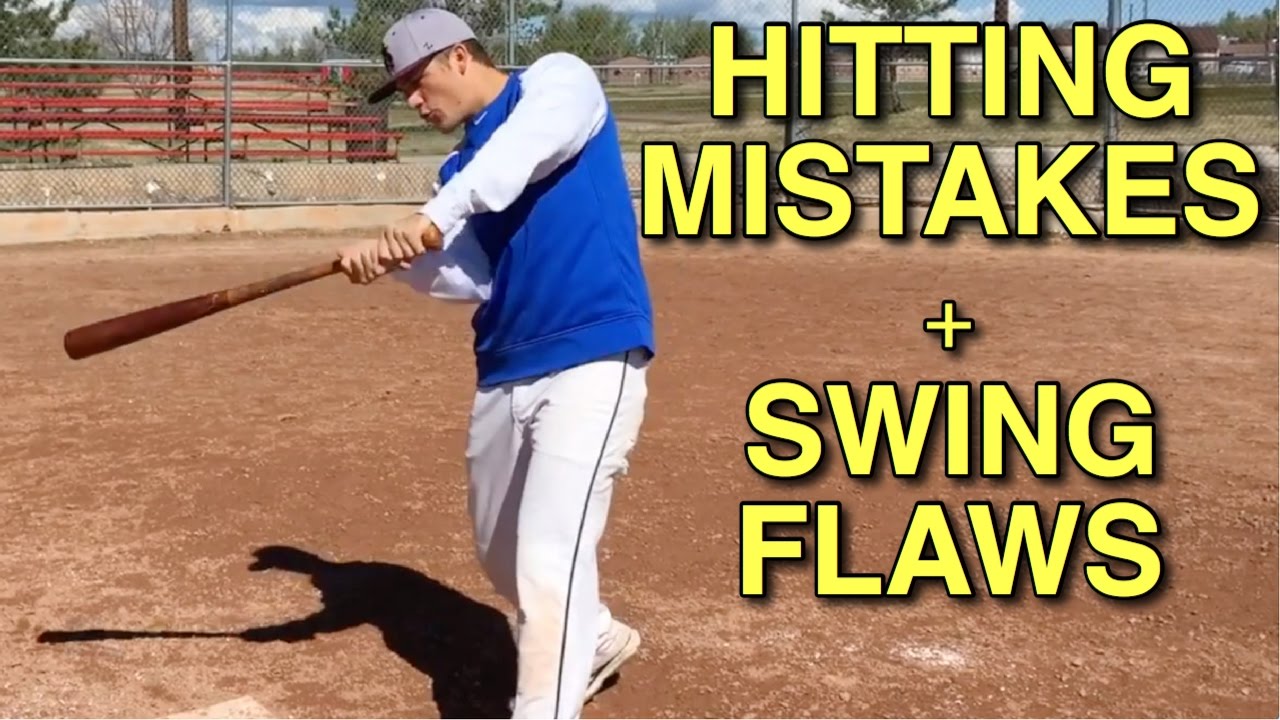
Preventing and Fixing Frequent Errors
Despite using the most effective exercises, children can still form poor habits that can negatively affect their performance. Recognizing and addressing these errors as soon as possible is crucial for ongoing progress.
Spotting Common Mistakes in Young Batters
Young batters often make these common mistakes: improper stance, incorrect grip, and inconsistent bat path. For more tips on improving their swing, check out these consistent bat path strategies.
Swinging too hard or over-swinging
Bad stance or grip
Wrong weight transfer
Not focusing on the ball
Wrong follow-through
Identifying these mistakes is the first step in assisting players in correcting them.
Fixing Common Mistakes
After you’ve spotted the mistakes, use these fixes:
Give them constructive criticism
Use video replays to point out their errors
Use drills that focus on their weak areas
Encourage them to take it slow and concentrate on their technique
Be patient with them and always encourage them
It takes time and hard work to correct errors, but with regular practice, young players can get better.
Keeping Track and Making Goals
It’s important to keep track of your players’ progress and set achievable goals to keep them motivated and focused. Here’s how you can do it effectively: check out these power-boosting drills for kids to help them improve their skills.
How to Measure Progress
Here are some ways you can monitor improvement:
How often they hit the ball
How far and hard they hit
How much their swing has improved
How confident and positive they are during practice
What kind of feedback they’re getting from coaches and teammates
Checking in on these things regularly can help you see how a player is getting better over time.
Creating Attainable and Realistic Objectives
It’s important to set goals to inspire young athletes. Here are some tips for setting effective goals:
Here are some tips for setting goals for young players:
Make sure the goals are specific and can be measured
Have both short-term and long-term goals
The goals should be challenging, but also achievable
Keep track of the progress and adjust the goals as necessary
Celebrate when milestones and achievements are reached
Setting and achieving goals can help keep young players motivated and let them see the results of their hard work. For additional tips, check out these tips for young players.
Feeding and Fitness
Drills are great, but kids also need the right food and fitness level to play their best. Here’s how to make sure they’re ready to go: Check out these youth baseball throwing tips to help develop a strong and accurate arm.
How Eating Right Can Improve Your Game
Eating a balanced diet gives you the energy and nutrients you need to play your best. Here’s what you need to eat to enhance your performance:
Carbs for fuel
Protein for muscle recovery and development
Fat for long-lasting energy
Vitamins and minerals for general health
Fluids for energy maintenance
Encourage young athletes to eat a variety of foods and drink plenty of water, especially during practice and games.
Strength-Building Workout Routines
Along with a healthy diet, physical fitness is key to building muscle and strength. Some good workouts include:
Here are some exercises that can help young baseball players build strength and power:
Bodyweight exercises such as push-ups and squats
Plyometric exercises such as jump squats and box jumps
Core exercises such as planks and Russian twists
Resistance training using bands or light weights
Agility drills such as ladder drills and cone drills
Adding these exercises to a regular workout routine can help young players develop the strength and power they need for baseball.
Making Practices Enjoyable and Interactive
Creating an enjoyable and interactive practice atmosphere is crucial for keeping young athletes interested and enthusiastic about the sport.

Entertaining Drills to Keep Things Interesting
Include entertaining drills in practice to maintain children’s interest. Here are a few examples:
Here are some fun ways to make baseball practice more enjoyable for kids:
Home run derby contests
Relay races that incorporate baseball skills
Fielding games such as “knockout”
Hitting challenges that involve targets
Drills and competitions that are team-based
These exercises can make practice more fun and help players improve their skills in a fun way.
Building Skills through Games and Competitions
Games and competitions are great ways to build skills. Set up friendly games or skills competitions to:
Promote teamwork and good sportsmanship
Give a feeling of achievement
Assist players in utilizing their skills in a game environment
Make training more lively and thrilling
Encourage players to better themselves
Games and competitions can be used to enhance players’ skills while keeping things enjoyable.
Building Skills through Games and Competitions
Games and competitions are great for building skills. Set up friendly games or competitions based on skills to:
Instill the value of teamwork and sportsmanship
Give a sense of achievement
Assist players in utilizing their skills in a game environment
Make practice sessions more engaging and thrilling
Inspire players to enhance their skills
Implementing games and contests can aid players in honing their skills while also providing enjoyment. For example, batting tips for kids can be turned into fun challenges that encourage improvement.
Don’t Forget These Important Tips
In conclusion, we’ll review the most important tips and techniques for increasing power in young baseball players. Remember, the secret to success is regular practice, a positive atmosphere, and an emphasis on correct mechanics.
Drills that boost power are a great way for young baseball players to work on their swing mechanics and hit the ball farther. It’s important to create a positive and supportive environment for practice, which is key to the development of young athletes. Coaches who understand the mechanics and coordination that go into a powerful swing will be more effective. Specific drills, like tee work and soft toss, can make a big difference in a young hitter’s performance. Regular practice and setting goals are key to getting better at baseball for kids.
By adhering to these pointers, you can assist young athletes in developing the power and confidence required to excel in baseball.
Key Takeaways
Here’s a brief refresher on the main points:
Concentrate on correct swing techniques and coordination
Include power-enhancing exercises such as tee practice and soft toss
Establish a positive and encouraging practice atmosphere
Set attainable and realistic objectives for constant progress
Maintain a healthy diet and regular physical conditioning
These suggestions will assist young players in acquiring the abilities they need to excel.
Supporting Ongoing Development
The secret to lasting achievement is ongoing development. Inspire the youngsters to keep training, establish fresh objectives, and remain driven. Applaud their accomplishments and offer positive criticism to aid in their development.
Creating a positive and encouraging environment can help young players build their skills and achieve their highest potential. For example, understanding techniques for young hitters can significantly enhance their development.
Put It Into Practice: Strengthen Your Sluggers
Now that you’ve got the tools and know-how to help young players increase their power, it’s time to put it into practice. Incorporate these drills and techniques into your practice sessions and see your players’ performance soar.
Join Our Intensive Training Program
If you’re searching for more sophisticated techniques and training methods, think about joining our intensive training program. Our all-inclusive program offers:
In-depth tutorial videos
Sequential instructions for drills and workouts
Professional recommendations and guidance
Customized responses and assistance
Entry to a network of trainers and athletes
Don’t let this chance slip by to elevate your athletes’ abilities.
Sign Up Now to Access Advanced Techniques and explore muscle memory development tips for young baseball players.
Commonly Asked Questions
These are some frequently asked questions about power-boosting baseball drills for kids:
For what age group are these drills appropriate?
These drills are appropriate for children aged 8-12. They can, however, be modified for younger or older players with minor adjustments.
How frequently should kids practice these drills?
For optimal results, kids should practice these drills 2-3 times a week. Consistency is crucial for developing muscle memory and enhancing performance.
What gear is necessary for these exercises?
For these exercises, you’ll need standard baseball gear such as a bat, tee, balls, and a net for soft toss exercises. Weighted bats and resistance bands can also be beneficial for strength training.
Are these drills also suitable for softball players?
Definitely, these drills are adaptable for softball players. The hitting mechanics are alike, and the same principles are applicable to both sports. For more on improving hitting skills, check out these baseball batting tips for kids.

Leave a Reply