Key Takeaways
Young athletes often have difficulty with pressure due to inexperience and lack of confidence.
Knowing how pressure affects the body and mind is key to improving performance.
Regular practice and game simulation drills can prepare athletes for high-pressure situations.
Mental techniques such as visualization and positive self-talk can increase confidence and focus.
Learning from professional athletes and using specialized programs can significantly improve skills.
Best Tips for Young Athletes: Hitting in Pressure & Clutch Moments
Why Young Athletes Struggle Under Pressure
Many young baseball athletes have trouble performing well in high-pressure moments. This difficulty often comes from a lack of experience and confidence. When the game is on the line, the pressure can seem too much, causing even the most skilled athletes to stumble.
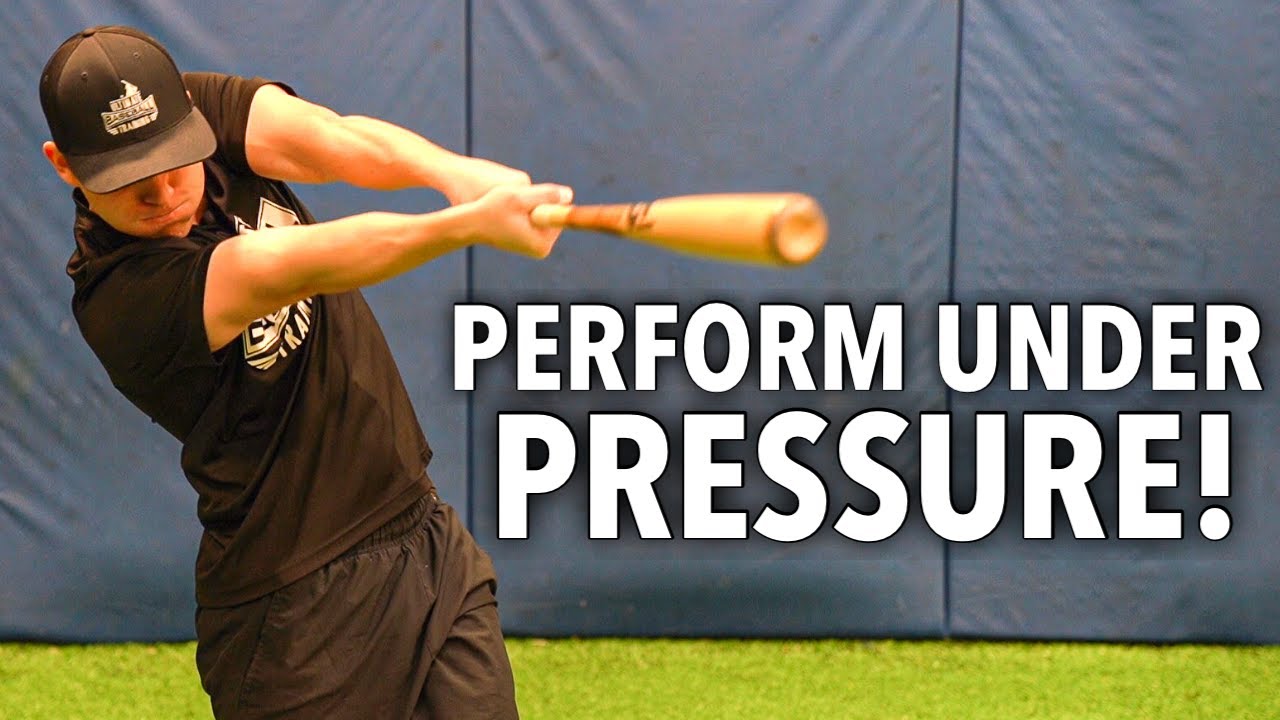
Firstly, it’s important to know that it’s completely normal to feel nervous. Even the pros get nervous in big moments. The trick is learning how to handle these nerves and use them to your advantage.
Getting to Know Pressure and How It Impacts You
Pressure can take a toll on both your body and your mind. On a physical level, it can lead to muscle tension, which can result in less smooth and more stiff movements. This tension can have a substantial effect on a player’s swing, lowering their capacity to hit the ball effectively.
Psychologically, pressure can result in excessive rumination and a lack of self-confidence. Athletes might become overly preoccupied with the possible results instead of remaining focused on the present moment. This mental diversion can obstruct their capacity to make rapid, effective choices. To help manage these situations, it’s important to consider preventing burnout among young players.
Here are some signs that you might be feeling the pressure:
Your heart is beating faster than usual
You’re taking quick, shallow breaths
Your muscles are tense
You’re talking to yourself in a negative way
You’re overthinking everything
The first step in handling pressure is to recognize these signs.
Getting Your Body Ready for the Big Moments
Steady Practice Routines
The most effective method to get ready for high-stakes moments is by practicing regularly. When you practice frequently, you build muscle memory, which makes it easier to perform well when you’re under a lot of pressure. Here are some suggestions for setting up a good practice routine:
Make a habit of practicing, ideally multiple times a week.
Concentrate on basic skills such as batting, fielding, and running bases.
Include exercises that mimic game situations.
Monitor progress and establish precise goals for advancement.
Through regular practice, players can develop the self-assurance and abilities required to shine in critical moments.
Practice Drills that Mimic Real Games
One of the best ways to get ready for those clutch moments is through game simulation drills. These drills mirror real-game situations, helping players to feel more at ease and self-assured when the pressure is on. Some great game simulation drills are:
Practice batting with a real pitcher and fielders.
Work on situational hitting drills, like hitting with runners in scoring position.
Try pressure-based drills, where you have to perform under a time constraint or with a specific goal in mind.
These drills will help you develop the mental and physical skills you need to come through in the clutch.
Building Up Technical Abilities
One of the most important things to do when preparing to perform under pressure is to work on your technical skills. This includes developing a strong, consistent swing and working on your hand-eye coordination. Here are some ways you can improve your technical skills:
Identify and correct any flaws in your swing by working with a coach.
Develop a consistent swing path by practicing hitting off a tee.
Improve hand-eye coordination by using soft toss and front toss drills.
Build power and endurance by incorporating strength and conditioning exercises.
Players can increase their confidence and ability to perform well under pressure by focusing on technical skills.
The Significance of Rest and Recuperation
Rest and recuperation are frequently neglected, but they are critical for optimal performance. Overtraining can result in fatigue, which can adversely affect performance, particularly in high-stress situations. Players should make sure they get enough rest and recovery time between practices and games. For more tips, check out these youth baseball development tips.
In addition to this, eating the right foods and drinking enough water are crucial for keeping energy levels high and staying healthy. Players need to eat a well-rounded diet and drink plenty of fluids to be at their best.
Getting Your Mind Ready for the Big Moments
Seeing Success Before it Happens
Seeing success before it happens is a great way for players to get their minds ready for the big moments. When players see themselves succeeding, they can build their confidence and lower their nerves. Here are some steps to see success before it happens:
Locate a serene area where you won’t be interrupted.
Shut your eyes and take several deep breaths to unwind.
Picture yourself in a high-stress scenario, such as hitting in the last inning.
Visualize yourself performing well, concentrating on the intricacies of your swing and the noise of the ball making contact with the bat.
Regularly repeat this procedure to boost self-assurance and mental toughness.
Visualization can assist players in feeling more ready and self-assured when they encounter actual high-stress moments.

Boosting Confidence and Using Positive Self-Talk
For young players, positive self-talk can be a powerful tool. By substituting negative thoughts with positive affirmations, they can increase their confidence and concentration. Here are some strategies for using positive self-talk effectively: preventing youth baseball burnout.
Recognize negative thinking and replace it with positive thinking.
Use affirmations such as “I am an excellent hitter” or “I can handle pressure.”
Regularly practice self-talk, both during practice and during games.
Encourage your teammates to use positive self-talk to create a supportive environment.
Building confidence through positive self-talk can help players stay focused and perform better under pressure.
How to Keep Your Head in the Game
Keeping your head in the game is vital, especially when the pressure is on. Here are some strategies players can use to stay focused and perform at their peak:
Take the game one step at a time.
Stay in the moment and don’t stress about what might happen next.
Practice deep breathing to keep your cool.
Establish a pre-game ritual to get your head in the game.
Keeping your mind on the task at hand can help you perform better and deal with stress more efficiently. For more insights, check out these youth baseball tips.
Knowing the Situation and Making Choices
Every baseball player needs to have a good grasp of what’s happening in the game and be able to make decisions quickly. Knowing the game and making the right choices can really make a difference in how well you play, especially when the pressure is on.
Understanding the Game
For young players to shine in pressure moments, they must have a keen sense of situational awareness. This means they must grasp the rhythm of the game and predict what could happen next. Here are some pointers on how to enhance situational awareness:
Watch and study games to learn about different scenarios.
Observe the placement of fielders and base runners.
Chat with your teammates to stay updated on the game’s status.
Work on understanding the game during practice and drills.
Improving your situational awareness can help you make smarter choices and perform better when the pressure is on.
Expecting the Pitch and Quick Responses
Expecting the pitch and quick responses are essential for hitting in clutch moments. Players must expect the pitch and respond promptly to make good contact. Here are some strategies to enhance these skills:
Get better at anticipating by practicing pitch recognition drills.
Improve your reaction speed with fast-paced drills and exercises.
Pay attention to timing and rhythm during batting practice.
Try using visualization techniques to anticipate different pitches.
Being able to anticipate and react quickly can help you hit more effectively when the pressure is on.
Adjusting to Various Pitch Styles
In high-pressure moments, pitchers often switch up their style, so it’s crucial for hitters to be adaptable. Players need to be able to identify and adjust to different pitch styles. Here are some tips for adjusting to different types of pitchers:
Before the game, learn the habits and patterns of the pitchers.
Alter your stance and method to match the pitcher’s style.
Train to hit against a variety of pitches, such as fastballs, curveballs, and sliders.
Stay versatile and be prepared to modify your strategy during the game.
By learning to adapt to different styles of pitching, players can increase their odds of success in high-pressure situations.
Taking a Page from the Pros
Pros have honed their skills to perform well under pressure. By observing their techniques and strategies, young players can pick up important tips to enhance their own performance.
Looking at the Success Stories of Clutch Hitters
Looking at the careers of successful clutch hitters can offer a glimpse into what makes them stand out in high-pressure situations. Take David Ortiz, also known as “Big Papi,” for example. He’s renowned for his ability to hit game-winning runs. What makes him so special? For young players aspiring to excel, it’s crucial to have role models and mentors who can guide them through their development.
“David Ortiz’s knack for performing in the clutch is due to his cool-headedness, mental fortitude, and constant training. He made sure to keep his cool and maintain his confidence, even in the most high-pressure situations.”
Young players can take a page out of Ortiz’s book to understand the importance of mental readiness and maintaining composure under pressure.

What Young Players Can Learn from David Ortiz, the Epitome of a Clutch Hitter
David Ortiz’s strategy for hitting during tense moments provides numerous beneficial teachings for young players:
Keep your cool and stay concentrated, no matter how intense the situation.
Have faith in your training and abilities.
Use mental imagery to prepare for various outcomes.
Always keep a positive attitude and believe in your skills.
By applying these strategies to their game, young players can enhance their performance during crucial moments. For more insights, check out these youth baseball development tips.
More Help and Training
There’s a ton of help out there for young players looking to get better and handle pressure. From web-based lessons to focused coaching plans, players can get the help they need to win.
Web-based Learning and Mentoring
Web-based learning and mentoring programs offer valuable insights and techniques for improving performance. These resources can provide players with the guidance they need to excel in high-pressure moments. Some popular web-based mentoring programs include:
How-to videos on batting techniques and strategies.
Real-time training sessions with seasoned coaches.
Engaging drills and exercises to hone your skills.
Join a community of players and coaches for support and guidance.
Utilizing these online resources can help players improve their skills and boost their self-confidence.
Seeking Guidance from Mentors and Role Models
For young players, having a mentor or role model to look up to can be a game-changer. Mentors can offer direction, encouragement, and share wisdom from their own journey. Here are some suggestions on how to find a mentor:
Search for coaches or ex-players in your area who have a wealth of experience.
Contact your local baseball organizations to find out if they offer any mentoring programs.
Don’t hesitate to ask older teammates or family members for advice or support.
Keep up with professional players on social media and learn from their interviews.
Young players can benefit greatly from having a mentor, as it can provide them with the motivation and direction they need to excel. For more tips, check out this guide on preventing youth baseball burnout.
Training Courses to Improve Your Game
Specialized training courses can give players the edge they need to perform well under pressure. One such course is the Beginner Hitting Program. This course provides a well-rounded approach to hitting, with a focus on developing power, accuracy, and timing. Here’s what the course covers:
Power Hitter 2.0: Engineering The Alpha – A mini-course designed to develop explosive power.
Precision Unleashed: On-Time Hitter 2.0 – Techniques to improve timing and reduce missed opportunities.
Line Drive Hitter 2.0 – Drills and techniques to master line drives and secure wins.
35 hours of coaching videos, 21 hitting drills, and 15 adaptable workouts.
This program has helped countless young players achieve remarkable improvements in their performance. By signing up, players can unlock their potential and take their game to the next level.
Wrapping Up
To wrap up, the ability to hit in pressure and clutch moments can be honed through regular practice, mental training, and learning from the pros. By recognizing how pressure impacts both the body and mind, players can learn to manage it effectively. Techniques such as visualization, positive self-talk, and game simulation drills can greatly enhance performance.
First and foremost, young players should take advantage of any extra resources and programs that can help them improve. By joining specialized courses such as the Beginner Hitting Program, they can tap into their full potential and shine when the pressure is on.
Keep in mind, being successful in high-pressure moments isn’t just about having skill, it’s about being prepared and mentally strong. With the right mindset and tools, young players can become confident and successful hitters, even in the most stressful situations.
Common Questions
How can I manage pressure in sports?
The most effective way to manage pressure is to remain present, utilize positive self-affirmations, and employ visualization techniques. Regular practice and preparation can also foster self-assurance and lessen nervousness.
What’s the role of visualization in performing better under pressure?
Visualization can help you mentally practice successful outcomes, which can boost your confidence and lower your anxiety levels. By imagining yourself performing well, you can develop a positive mindset and enhance your performance in real high-pressure situations.
What are some useful breathing techniques to use during a game?
Techniques like diaphragmatic breathing are great for calming your mind and body. Take slow, deep breaths, making sure to fill your lungs and then slowly exhale. This can help to reduce tension and keep you focused.
How frequently should I train to become better at hitting under pressure?
Regular training is crucial for enhancing your ability to hit under pressure. Strive to train multiple times per week, paying equal attention to technical skills and mental readiness. Include game-like drills in your training to replicate high-pressure scenarios.
Is clutch hitting a natural talent, or can it be learned?
Even though some players might be naturally gifted at performing in high-stress situations, clutch hitting is a skill that can be honed through practice and mental preparation. By improving your skills and mindset, you can become a better hitter during critical moments.
What are the strategies professional players use to handle game-time pressure?
Professional players use a variety of mental and physical techniques to manage the pressure of game time. They stay focused on the present moment, use positive self-talk, and trust in the preparation and practice they’ve done. Young players can benefit from understanding and applying these strategies to improve their own performance under pressure. For more insights, check out this article on teaching performance under pressure.
Summary of Main Points
Being able to hit during pressure and clutch moments is a skill that can be honed with regular practice, mental readiness, and learning from the pros. It’s vital for young players to understand how pressure affects both their physical and mental state so they can control their nerves and perform optimally. Physically preparing, like having a regular practice routine and doing game simulation exercises, builds muscle memory and self-assurance. Mental strategies such as visualizing, positive self-talk, and breathing exercises help players stay centered and relaxed during high-pressure situations. For more tips, check out these youth baseball learning styles.
Furthermore, being aware of your surroundings and making fast decisions are crucial to doing well. Players can do better in high-pressure situations by understanding the game, predicting pitches, and adjusting to various pitching styles. Looking at successful clutch hitters like David Ortiz can give you a good idea of how to stay calm and self-assured when you’re under pressure.
A Pep Talk for Young Players
Remember, even the pros feel the heat. What makes the greats great is their ability to handle that pressure and use it to their advantage. Keep practicing, stay in the moment, and have confidence in your abilities. With hard work and the right mindset, you can become a clutch hitter who excels in pressure-packed situations. Don’t be shy about seeking out additional resources and programs, like the Beginner Hitting Program, to help you reach your full potential.

Leave a Reply