Main Points
The purpose of pitch sequencing is to use a strategic order of pitches to keep the batter guessing.
Understanding what the batter is thinking is key to successful pitch sequencing.
Using a variety of pitches like fastballs, changeups, and breaking balls is an effective way to keep hitters off balance.
Adjusting pitch sequences based on the current game situation can increase their effectiveness.
Advanced analytics and technology can be used to improve pitch sequencing strategies.
Importance of Pitch Sequencing: Keeping Hitters Guessing, Effective Strategies & Tips
The Importance of Pitch Sequencing in Baseball
Pitch sequencing is at the heart of a pitcher’s strategy for success. By changing up the types and locations of pitches, pitchers can keep hitters guessing and off balance. This makes it much more difficult for the batter to anticipate the next pitch, which can result in more strikeouts and weaker contact.
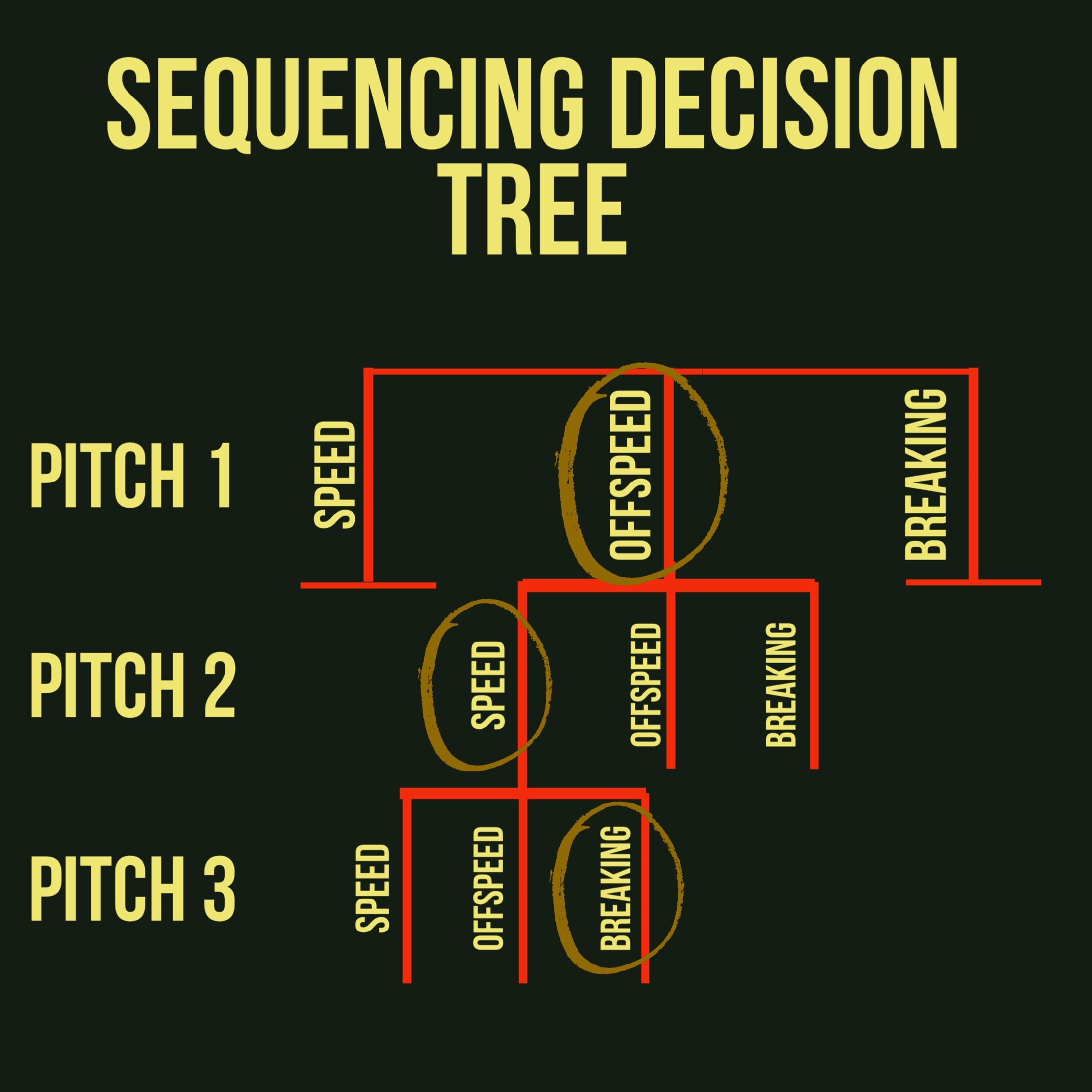
Picture a batter who is aware that a fastball is always on the way. They can get their swing just right, resulting in strong hits. But if you throw in a changeup or a curveball, their timing is disrupted. This is what effective pitch sequencing is all about.
Essential Guidelines for Successful Pitch Sequencing
When you’re mapping out your pitch sequence, remember these essential guidelines:
Variety: Mix up your pitches to keep the batter guessing.
Location: Change the location of your pitches to make it harder for the batter to anticipate.
Speed: Vary the speed of your pitches to disrupt the batter’s timing.
Adaptability: Be ready to change your sequence based on the batter’s reactions and the game situation.
By following these principles, pitchers can maintain an element of surprise and increase their effectiveness on the mound.
Getting into the Batter’s Head
For successful pitch sequencing, you need to get into the mind of the batter. Knowing what they could be thinking can give you the advantage.
First and foremost, take into account the batter’s strengths and weaknesses. Can they hit fastballs well but have difficulty with breaking balls? Do they have a habit of going after pitches that are out of the strike zone? These observations can help you decide which pitch to throw.
Psychological Strategy: Understanding the Batter
Understanding the batter is akin to a psychological strategy. You must predict their thoughts and responses. For more insights, check out these youth baseball tips.
Here are some tips to help you keep hitters off balance:
Study their stance: The way a batter stands can tell you a lot about what they’re planning. If they’re standing close to the plate, they might be looking for an inside pitch.
Look at their swing: Notice how they react to different pitches. If they’re swinging early on fastballs, they might be having trouble with the speed.
Read their body language: A batter who looks confident might be expecting a certain pitch. Use this to your advantage by surprising them with something different.
By paying close attention to these things, you can get a good idea of what the batter is thinking and plan your pitch sequence accordingly.
Finding the Batter’s Strengths and Weaknesses
Every batter has their own strengths and weaknesses. By finding these, you can customize your pitch sequence to take advantage of their weaknesses and steer clear of their strengths.
For instance, if a batter has a hard time with slower pitches, add more changeups and curveballs to your sequence. If they’re good at hitting low pitches, try aiming higher in the strike zone.
By grasping these tendencies, you can create a pitch sequence that significantly increases your odds of success.
Key Strategies for Pitch Sequencing
Combining Fastballs and Changeups
One of the most successful pitch sequences pairs fastballs and changeups. The speed of the fastball can prepare the way for the slower changeup, making it hard for the hitter to adapt.
Begin with a fastball to set your pace, then use a changeup to throw off the batter’s rhythm. This strategy can be especially useful when the batter is anticipating another fastball.
Combining Curveballs and Fastballs
One other potent approach is combining curveballs with fastballs. The sudden shift of curveballs can enhance the direct path of fastballs, leaving the hitter unsteady.
For example, you might throw a high fastball in the strike zone, then follow it with a curveball that drops sharply. This sequence can make it hard for the batter to make solid contact.
Tricking the Batter with Off-Speed Pitches
You can trick the batter by using off-speed pitches such as sliders and changeups. These pitches are slower than fastballs, but they move in a deceptive way, which makes them difficult to hit.
When the batter is ahead in the count or expecting a fastball, try throwing an off-speed pitch. This can result in either a swing and a miss or weak contact.
Tailoring Strategies to Scenarios
It’s crucial to adjust your pitch sequence to fit specific game scenarios in order to maintain effectiveness. Different situations call for different strategies, which keeps you one step ahead of the batter.
How the Count Influences Pitch Sequences
The count, or the number of balls and strikes, is crucial in determining pitch sequences. If you’re ahead in the count, you have the freedom to take risks and throw pitches that aren’t necessarily within the strike zone. On the other hand, if you’re behind in the count, you need to focus on throwing strikes to prevent giving the batter a free pass to first base. Understanding the importance of practice can help pitchers improve their control and confidence in these situations.
0-2 Count: This is an ideal time to throw a waste pitch, something outside the strike zone that the batter might chase.
2-0 Count: Here, you need to throw a strike to avoid falling further behind. A fastball down the middle might be your best option.
Full Count (3-2): At this point, you need to be precise. Aim for a pitch that edges the strike zone, making it hard for the batter to make solid contact.
By adjusting your pitch sequence based on the count, you can maintain control and keep the batter guessing.
Changing Tactics Based on the Inning
Your approach to pitch sequencing can change based on the inning. At the start of the game, you may concentrate on getting your main pitches down and getting into a groove. As the game goes on, you can begin to incorporate more off-speed and breaking pitches to keep the batters guessing. For younger players, understanding the importance of learning styles can also be beneficial in adapting their approach throughout the game.
For instance, in the first inning, you might lean more on fastballs to set the pace. As you get to the middle innings, you can mix it up more with sliders and curveballs. In the late innings, when the game is in the balance, you might go back to your most trusted pitches to finish the game.
Changing your approach depending on the inning can assist you in remaining both unpredictable and effective for the duration of the game.
Adjusting to Game Scenarios: Runners on Base
With runners on base, your pitch sequencing needs to be even more tactical. You need to take into account not only the batter but also the base runners.
Runner on First: A pitch low in the strike zone can induce a ground ball, potentially leading to a double play.
Runner on Second: Consider pitches that are hard to steal on, like fastballs or pitches high in the zone.
Bases Loaded: Precision is key. Aim for pitches that induce weak contact, reducing the chances of a big hit.
By adapting your pitch sequence to the presence of base runners, you can minimize the risk of giving up runs and maintain control of the game.
Mastering Pitch Sequencing: Tools and Techniques
There are various tools and techniques that pitchers can use to master pitch sequencing. These resources can help you gain valuable insights and refine your strategies.

Making Use of Advanced Analytics
Advanced analytics have completely changed the way pitchers play the game. By looking at data on how hitters usually behave, pitchers can create better pitch sequences.
For instance, analytics can show which pitches a batter has the most difficulty with. If a hitter has a low batting average against curveballs, you can include more curveballs in your sequence. Likewise, if a batter has a high swing-and-miss rate on high fastballs, you can take advantage of this weakness.
By taking advantage of sophisticated analytics, pitchers can make decisions based on data and improve their strategies for sequencing pitches.
Using Technology for Accuracy
Technology can also improve pitch sequencing by giving accurate feedback on pitch performance. Tools like pitch tracking systems and high-speed cameras can examine the speed, spin rate, and movement of each pitch.
Pitch Tracking Systems: These systems provide real-time data on pitch velocity, spin rate, and location, helping pitchers fine-tune their mechanics.
High-Speed Cameras: By capturing detailed footage of each pitch, pitchers can analyze their delivery and make necessary adjustments.
Virtual Reality Training: VR can simulate game situations, allowing pitchers to practice their pitch sequencing in a controlled environment.
By leveraging these technologies, pitchers can gain a deeper understanding of their pitches and refine their sequencing strategies for maximum effectiveness.
Typical Errors and How to Dodge Them
Even seasoned pitchers can slip up in pitch sequencing. By identifying these usual mistakes and understanding how to dodge them, you can keep command and efficiency on the mound. For instance, ensuring swing mechanics are adjusted to pitch speed can significantly enhance performance.
Overusing a Particular Pitch
A common mistake is overusing a particular pitch. Having a favorite pitch is fine, but using it too often can make you easy to read.
Instead, the goal should be to vary your pitches to keep the batter on their toes. Use your fastball to set up your off-speed pitches, and vice versa. This variability makes it more difficult for the batter to predict and adjust to your pitches.
Take a Page from the Pros: Real-Life Examples
There’s a lot to be gained from observing how the pros do it. By dissecting their pitch sequences, you can understand the tactics that lead to success and incorporate these strategies into your own performance.
Successful Pitch Sequences from Famous Pitchers
There are several well-known pitchers who have perfected pitch sequencing. Here are a few examples:
Greg Maddux: Known for his pinpoint control and ability to outthink batters, Maddux often used a combination of fastballs and changeups to keep hitters off balance.
Sandy Koufax: Koufax’s devastating curveball complemented his blazing fastball, making it difficult for batters to predict and adjust to his pitches.
Pedro Martinez: Martinez’s mix of fastballs, changeups, and breaking balls, combined with his exceptional command, made him one of the most dominant pitchers of his era.
By studying these pitchers’ sequences, you can gain insights into how to effectively mix and match your pitches to achieve similar success.
Strategic Adjustments Based on Game Situations
Top pitchers are also very good at making strategic adjustments based on game situations. For instance:
Late-Inning Pressure: In high-pressure situations, pitchers like Mariano Rivera relied on their most reliable pitches to close out games.
Facing Tough Hitters: When facing elite batters, pitchers often use their best sequences to exploit any weaknesses.
Adapting to Fatigue: As the game progresses, pitchers might adjust their sequences to account for fatigue and maintain effectiveness.
By learning from these tactical adjustments, you can develop the flexibility and adaptability needed to succeed in various game situations.
Boosting Your Pitch Sequencing Abilities
Boosting your pitch sequencing abilities requires practice, continuous learning, and adaptation. Here are some practical steps to help you enhance your skills:
Practice Drills: Incorporate drills that simulate game situations and allow you to practice different pitch sequences.
Review Game Footage: Analyze footage of your performances to identify areas for improvement and refine your strategies.
Seek Feedback: Work with coaches and teammates to get feedback on your pitch sequencing and make necessary adjustments.
Stay Informed: Keep up with the latest trends and advancements in pitching to continuously improve your skills.
By following these steps, you can develop a more effective pitch sequencing strategy and become a more dominant pitcher. For additional tips, check out the importance of practice in youth baseball.
For a more comprehensive look at enhancing your pitching and hitting skills, check out additional resources. Find out how to improve your game with tried and tested strategies and techniques, including choosing the correct pitch sequences.
It’s important to adjust your pitch sequence based on what’s happening in the game in order to stay effective. Different situations call for different strategies, which helps you stay ahead of the batter.
Unlock Your Team’s Capabilities
With the right pitch sequencing, your team can perform better than ever. By confusing hitters and causing them to make poor contact, your pitchers can lead your team to more victories.
The Impact of Pitch Sequencing on Team Performance
When pitchers sequence their pitches effectively, it can benefit the whole team. For more insights, check out this guide on choosing the correct pitch sequences.
Fewer Runs Allowed: Effective pitch sequencing leads to more strikeouts and weak contact, resulting in fewer runs scored by the opposing team.
Increased Confidence: Pitchers who can keep hitters off balance gain confidence, which can inspire the rest of the team.
Better Defense: Weak contact often leads to easy outs, making it easier for the defense to make plays and prevent runs.
By mastering pitch sequencing, pitchers can contribute to their team’s overall success and help achieve more victories.
How Coaches Can Help Develop Effective Strategies
Coaches are instrumental in helping pitchers learn how to sequence their pitches effectively. Here are a few tips for coaches to help their pitchers:
Encourage Observation: Teach pitchers to observe and analyze batters’ tendencies and weaknesses.
Promote Variety: Emphasize the importance of mixing up pitches and changing locations to keep hitters guessing.
Provide Feedback: Offer constructive feedback on pitch sequencing during practice sessions and games.
Simulate Game Scenarios: Create practice drills that simulate real game situations, allowing pitchers to practice different sequences.
By following these coaching tips, you can help pitchers develop the skills needed to effectively sequence their pitches and succeed on the mound.
Putting New Methods to the Test
For any improvement to occur, it is crucial to put new pitch sequencing methods to the test. Here are some steps to do this effectively:
Set Clear Goals: Define specific goals for each practice session, focusing on different aspects of pitch sequencing.
Use Video Analysis: Record practice sessions and review the footage to identify areas for improvement.
Incorporate Feedback: Use feedback from coaches and teammates to make necessary adjustments to your pitch sequences.
Practice Consistently: Regularly practice pitch sequencing drills to build muscle memory and improve execution.
By consistently implementing new techniques in practice, pitchers can refine their skills and become more effective in games. For more insights, check out these tips on choosing the correct pitch sequences.
Commonly Asked Questions
Can you explain pitch sequencing and why it matters?
Pitch sequencing is the tactical arrangement of pitches thrown to baffle and outwit the batter. It matters because it keeps hitters guessing, making it more challenging for them to anticipate and hit the ball successfully.
What are the best ways to determine a batter’s weak spots?
Understanding a batter’s weak spots involves studying their stance, swing, and body language. Additionally, you should consider how they perform against various pitches and locations. Advanced analytics can also be used to spot patterns and tendencies. For more insights, check out these swing mechanics adjustments.
What are some common pitch sequencing errors I should avoid?
Some common errors in pitch sequencing are depending too much on one kind of pitch, not changing pitch locations, and not adjusting to the game situation. To avoid these errors, vary your pitches, change locations, and modify your strategy based on the count and the context of the game.
Do specific drills exist to enhance pitch sequencing skills?
Indeed, specific drills exist to enhance pitch sequencing skills. For example, understanding the importance and value of practice can significantly improve a player’s ability to sequence pitches effectively.
Practice At-Bats: Try out different pitch sequences in practice at-bats with a catcher and batter.
Pitch Sequence Exercises: Concentrate on specific pitch sequences during bullpen sessions.
Count-Specific Exercises: Practice pitching in different counts to get better at executing in various game situations.
Adding these exercises to your practice routine can help you improve your pitch sequencing skills.
If you’re interested in taking your pitching and hitting abilities to the next level, you might want to look into some other resources. Find out more about how you can step up your game with tried and true strategies and techniques.

Leave a Reply