Main Points
Practicing regularly is key to mastering the basics of baseball.
Practicing also helps to improve physical fitness, coordination, and muscle memory.
Training consistently helps to improve mental focus, discipline, and emotional resilience.
Effective training methods include dynamic warm-ups, partner drills, and exercises specific to certain skills.
Having a structured practice schedule helps to ensure balanced development and maintain motivation.
Training for Youth Baseball: Why Practice is Important and Valuable
Building the Foundation for Success in Youth Baseball
For any young player, baseball practice is the cornerstone of success. It’s during these practice sessions that players develop the essential skills needed to excel in the game. Without regular practice, even the most talented players can struggle to reach their full potential. By committing to a consistent practice routine, young athletes can build a strong foundation that will serve them well throughout their baseball careers.

The Significance of Practice
Practice is important because it provides a controlled setting for players to refine their skills. This repetition reinforces the right techniques and corrects errors. These improvements become instinctive over time, enabling players to perform at a higher level during games. Additionally, practice sessions allow coaches to give individualized feedback and direction to each player, assisting them in growing and honing their skills.
Developing Basic Abilities
The main aim of baseball practice is to develop basic abilities. These encompass hitting, pitching, fielding, and base running. Each of these abilities necessitates particular methods and drills to perfect. For instance, hitting practice may concentrate on enhancing a player’s swing mechanics, while fielding practice may stress correct footwork and glove placement. By dividing each ability into smaller parts, players can concentrate on each part separately before integrating it all in a game scenario.
Boosting Confidence and Teamwork
Consistent practice sessions are key to building confidence and enhancing team dynamics. As players see their skills progress, they become more confident. This confidence boost can lead to better performances during games and a more positive mindset overall. Moreover, practicing as a team allows players to form bonds and trust each other, which is crucial for successful teamwork.
Increased confidence leads to better performance.
Team practice fosters camaraderie and trust.
Players learn to rely on each other and work together.
The Benefits of Regular Practice
Regular practice offers numerous benefits beyond just improving baseball skills. It contributes to overall physical fitness, enhances muscle memory, and sharpens agility and reflexes. These benefits are crucial for young athletes, as they help build a strong, healthy body that can withstand the demands of the sport. For more tips on improving baseball skills, check out these coaching tips for improved batting.
Improving Physical Fitness and Coordination
Baseball practice consists of a wide range of physical activities that can help enhance overall physical fitness and coordination. Activities such as running, throwing, and swinging a bat require different muscle groups to work together in a coordinated manner. Regular participation in these activities can help players improve their coordination and physical fitness, which are crucial for performing well in baseball.
Improved Muscle Memory
When we talk about muscle memory, we’re referring to the ability of our muscles to recall certain movements and execute them without conscious thought. This is particularly important in baseball, where a split-second decision or a slight adjustment in movement can mean the difference between a home run and a strikeout. By practicing regularly, these movements become ingrained in the player’s muscle memory, allowing them to react faster and more accurately in the heat of the game.
Boosting Agility and Reflexes
Agility drills increase speed and adaptability.
Reflex training boosts reaction speeds.
Both are crucial for fielding and running bases.
Psychological Advantages
In addition to physical gains, consistent practice also provides important psychological advantages. It aids young athletes in cultivating discipline, concentration, and emotional toughness. These psychological abilities are equally as vital as physical abilities in baseball, as they allow athletes to remain composed under stress and make intelligent choices on the field.
Self-Control and Concentration
Players need to exhibit self-control and concentration during practice, as they must focus on their techniques and heed their coaches. This self-control can eventually be applied to other aspects of their lives, aiding them in excelling in school and other pursuits. Moreover, the concentration needed during practice allows players to improve their focus, which is essential for doing well in games. For additional tips, check out these youth baseball coaching tips.
Building Emotional Strength
Every sport, including baseball, has its highs and lows. Players will face both wins and losses. Consistent practice aids in the development of emotional strength by showing players how to manage obstacles and keep moving forward. This strength is priceless because it encourages players to stay driven and keep striving, even when things aren’t going their way.
Essential Abilities for Young Baseball Athletes
In order to thrive in the sport of baseball, it is necessary for young athletes to cultivate a number of essential abilities. These encompass batting, throwing, and catching. Each of these abilities necessitates the learning of particular methods and exercises to become proficient. Concentrating on these aspects during training sessions allows players to enhance their overall play and evolve into more versatile sportspeople.

Improving Batting Techniques: Hitting
One of the most important skills in baseball is hitting. In order to become a good hitter, players need to focus on their grip, stance, and swing mechanics. Regular practice of these elements can help players develop a swing that is more powerful and consistent, which can lead to improved performance at the plate.
How to Hold the Bat and Stand at the Plate
How a player holds the bat and stands at the plate can greatly affect their ability to hit the ball. Holding the bat correctly ensures that it is held securely and allows for the greatest control. Meanwhile, standing correctly at the plate provides a stable base for the swing. Coaches can help players find the best way to hold the bat and stand at the plate for their body type and hitting style through regular practice and feedback.
How to Hold the Bat and Stand
How a player holds the bat and stands in the batter’s box can greatly affect their hitting success. Holding the bat correctly ensures it won’t slip and gives the player the most control. Standing correctly gives the player a stable foundation for their swing. Coaches can guide players to the best way to hold the bat and stand for their body and hitting preferences by practicing regularly and giving feedback.
Hitting Technique
After mastering the grip and stance, the next aspect to concentrate on is hitting technique. This involves the motion of the hands, arms, and body during the swing. Players should practice their swings over and over to build the muscle memory required for a fluid, forceful swing. Coaches can employ exercises and video analysis to assist players in improving their hitting technique.
Throwing: The Art of the Pitch
Throwing is yet another vital skill in baseball. A skilled pitcher can dominate the game and prevent the other team from getting any runs. To become a great pitcher, players must focus on their technique, stance, and the different types of pitches they can throw. Frequent practice is key to mastering these aspects.
Correct Stance and Body Position
Effective pitching is heavily reliant on having the correct stance and body position. This involves everything from the placement of the feet to the alignment of the body and the movement of the arms during the pitch. Coaches can help players develop the correct stance and body position by conducting drills and giving tailored feedback. Regular practice will help players to internalize these techniques, making them more successful when they are pitching.
A Range of Pitches
Not only do pitchers need to have correct form and stance, but they also need to master a range of pitches to keep the batter guessing. This can include fastballs, curveballs, changeups, and others. Each type of pitch requires a different grip and throwing action. By regularly practicing these pitches, players can become more adaptable and successful pitchers.
Fastballs to improve speed and strength.
Curveballs to create movement and trick the batter.
Changeups to throw off the batter’s rhythm.
Moreover, practicing a variety of pitches allows pitchers to enhance their control and precision, both of which are key to performing well on the mound.
Fielding: Enhancing Defensive Abilities
Fielding is a crucial skill for baseball players. A strong fielder can turn the tide of a game, preventing runs and securing vital outs. To become a proficient fielder, players must hone their positioning, readiness, and throwing precision.
Being in the Right Place and Being Prepared
Being in the right place and being prepared are key to successful fielding. Players must be in the correct spot at the correct time and be prepared to respond swiftly to the ball. This necessitates a blend of physical nimbleness and mental concentration. Coaches can assist players in honing these abilities through drills and practice scenarios that mimic game situations.
Anticipate the ball’s direction and speed.
Stay low and balanced for quick movements.
Communicate with teammates to cover the field effectively.
Throwing Accuracy
Accurate throwing is crucial for making outs and preventing runs. Players need to practice their throwing mechanics to ensure they can deliver the ball accurately and quickly. This includes proper grip, arm motion, and follow-through. Regular practice helps players develop the muscle memory needed for consistent, accurate throws.
How to Train Effectively and Use Drills
It is important to use effective training techniques and drills to help players develop their skills. These drills should be designed to focus on specific areas of improvement and should be varied to keep practice sessions interesting and challenging. By using a combination of dynamic warm-ups, partner drills, and skill-specific exercises, players can improve their overall performance.
Getting Warmed Up
It’s crucial to start any practice session with dynamic warm-ups. These exercises are designed to get the body ready for physical activity by increasing blood flow, improving flexibility, and reducing the risk of injury. A good dynamic warm-up routine should include a combination of stretching and cardio exercises to prepare the body for more intense training.
For instance, athletes can begin with a gentle jog, then proceed to dynamic stretches like leg swings, arm circles, and high knees. These activities are effective in warming up the muscles and joints, making them more flexible and prepared for the game.
Warming Up and Running
Warming up and running are key to keeping flexibility and cardiovascular health. Warming up helps to enhance the range of motion in the joints and lower the chance of getting hurt. Running, like doing jumping jacks, aids in boosting stamina and overall health.
It is important for players to include both static and dynamic stretching in their routines. Static stretching requires holding a stretch for a certain amount of time, while dynamic stretching involves moving through a range of motion. Both kinds of stretching are crucial for maintaining flexibility and avoiding injuries.
Teamwork Drills
Teamwork drills are an excellent method for practicing skills in a more interactive and engaging manner. These drills require two or more players to work together to enhance their techniques. Teamwork drills can be used for a range of skills, such as hitting, pitching, and fielding.
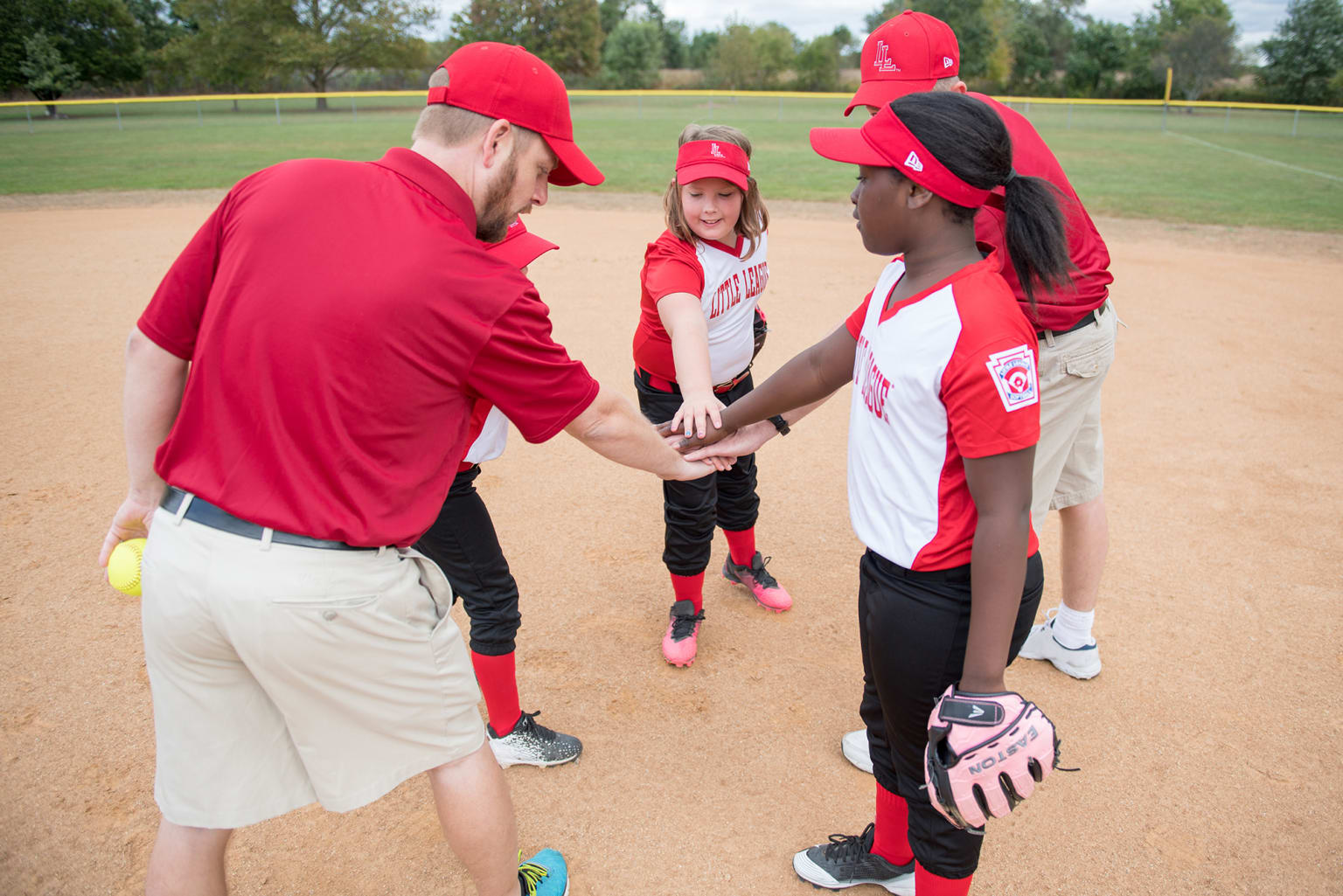
For instance, players can practice their hitting skills by taking turns pitching to one another. This serves to improve the hitter’s swing as well as the pitcher’s accuracy. Likewise, fielding drills can include one player hitting ground balls or fly balls to their partner, who then practices fielding and throwing.
Drills to Improve Specific Skills
Drills that improve specific skills are created to target areas that need improvement. These drills should be customized to meet each player’s needs and should concentrate on developing the basic skills needed for baseball success. By including a range of drills in practice sessions, players can work on different parts of their game and become more versatile athletes.
Hitting Drills
Hitting drills are crucial to enhancing a player’s batting abilities. These drills can concentrate on different aspects of batting, such as grip, stance, swing techniques, and timing. By regularly practicing these components, players can cultivate a more potent and consistent swing.
Two great batting drills are the tee drill and the soft toss drill. The tee drill involves hitting balls off a tee to practice swing mechanics. The soft toss drill involves a coach or partner tossing balls underhand for the player to hit. Both drills are great for improving timing and hand-eye coordination.
Throwing Drills
Throwing drills are meant to assist players in bettering their form, stance, and pitch variety. These drills should concentrate on honing the essential skills necessary for successful pitching, such as grip, arm swing, and follow-through. For more insights on effective practice techniques, visit Dominate The Diamond.
A bullpen session is a beneficial pitching drill where players can work on their pitches in a controlled setting, which aids in improving their control and precision. The target drill is another effective exercise where players strive to hit particular targets with their pitches, which aids in developing better control and precision. For more tips on improving your game, check out these youth baseball hitting drills.
Drills for Fielding
Drills for fielding are a must for enhancing a player’s skills on defense. These drills should concentrate on cultivating the basic skills needed for successful fielding, like positioning, readiness, and accuracy in throwing.
One useful fielding drill is the ground ball drill, where players practice fielding ground balls hit by a coach or partner. This helps to improve their footwork and glove positioning. Another effective drill is the fly ball drill, where players practice catching fly balls hit by a coach or partner. This helps to improve their tracking and catching skills.
Setting Up a Training Program
Setting up a well-structured training program is crucial to help players develop their skills and maximize their potential. A good training program should incorporate a blend of skill development, game play, and rest and recovery. By maintaining a balance between these components, players can enhance their overall performance and prevent burnout.
Developing a Training Regimen
It’s essential to develop a training regimen to make sure players get the most from their practice sessions. A well-rounded training regimen should incorporate a variety of skill-specific exercises, game scenarios, and periods of rest and recovery. This keeps players interested and driven, while also providing them with a well-rounded skill development.
For instance, a practice schedule could consist of three days of skill-specific drills, two days of game play, and two days of rest and recovery. This gives players the chance to work on various parts of their game while also giving them time to rest and recover.
Striking a Balance Between Skill Development and Game Play
It’s important to strike a balance between skill development and game play to help players enhance their overall performance. While drills that focus on specific skills are key to developing fundamental skills, game play is essential for putting these skills to use in a real-world scenario.
When players include both skill development and game play in their training regimen, they are able to become more versatile athletes. This not only enhances their overall performance, but it also readies them for the rigors of competitive play. For instance, incorporating youth baseball hitting drills can significantly improve their skills and game readiness.
Factoring in Rest and Recovery
Rest and recovery are crucial for preserving physical and mental health. Training too much can result in burnout and injury, which can impede a player’s improvement. Players can prevent these problems and remain healthy and motivated by factoring rest and recovery into their training regimen, along with practicing youth baseball hitting drills.
Stretching, foam rolling, and light cardio exercises are examples of rest and recovery activities. These exercises help alleviate muscle soreness and enhance flexibility, enabling players to recover faster and perform better in their next practice session. For additional tips, check out these youth baseball training exercises.
Keeping Young Players Involved
Keeping young players involved is key to maintaining their motivation and enthusiasm for training. By making practice sessions enjoyable and engaging, coaches can ensure players remain interested and dedicated to their training regimen.
One method to keep young athletes interested is to include games and contests in practice sessions. This not only makes training more fun, but it also allows players to use their skills in a fun and competitive setting.
Keeping the Drive Alive
Keeping the drive alive is crucial for ensuring players stick to their training program. By establishing clear goals and giving regular feedback, coaches can keep players driven and focused on their progress.
For instance, trainers can establish particular performance objectives for each athlete and monitor their advancement over time. This allows athletes to see the outcome of their hard work and remain driven to continue to enhance their skills.
Keeping Young Athletes Interested
It’s important to keep young athletes interested in their training to maintain their motivation and enthusiasm. Coaches can do this by making practice sessions enjoyable and interactive, helping players to stay focused and dedicated to their training regimen.
Getting young athletes involved can be as simple as adding games and competitions to practice sessions. This not only makes training more fun, but it also gives players a chance to use their skills in a fun, competitive setting.
Keeping Up the Enthusiasm
Keeping up the enthusiasm is crucial for ensuring players remain dedicated to their training regimen. By establishing straightforward objectives and offering consistent feedback, coaches can assist players in staying enthusiastic and concentrated on their improvement.
For instance, trainers can establish precise performance objectives for each team member and monitor their advancement over time. This enables athletes to see the fruits of their labor and stay driven to keep getting better.
Keeping Practice Sessions Enjoyable and Competitive
Coaches can make practice sessions more enjoyable and competitive by incorporating friendly competitions and challenges. These activities not only make practice more fun, but also motivate players to work harder and strive for progress.
For instance, coaches can organize batting competitions, where players vie to see who can hit the most targets or hit the ball the longest distance. In the same vein, fielding exercises can be transformed into games, where players rack up points for making precise throws or catching challenging fly balls. These competitions infuse a dose of thrill into practice and aid in maintaining player engagement and motivation.
Join Our Complete Hitter Program
Do you want to boost your young athlete’s performance? Our Complete Hitter Program provides extensive training modules that aim to enhance players’ abilities and help them achieve their maximum potential.
Change the Way Your Young Athlete Plays
Our Complete Hitter Program is designed to change the way your young athlete plays by providing them with the tools and techniques they need to excel. With a focus on science-based training and data-supported methods, this program helps players develop better timing, strength, and stability.
When you sign your young athlete up for our program, they’ll be able to take advantage of the latest drills and training techniques that have been shown to be effective. Whether they’re having a hard time hitting or want to improve their game, our program can help them reach their objectives.
All-Encompassing Training Modules
The Complete Hitter Program is made up of a range of training modules that tackle every aspect of hitting. Whether it’s enhancing swing mechanics or cultivating better timing, each module is created to target particular areas that need improvement.
These modules encompass:
Line Drive Hitter 2.0: This module will teach you how to hit more line drives and increase your batting average.
The Catapult Loading System: Learn how to develop a powerful swing that will allow you to hit the ball farther.
Detect & Correct Hitting Blueprint: This module will help you identify and correct common hitting mistakes.
Each module comes with detailed instructions, video tutorials, and step-by-step drills to ensure that players can improve their skills and see noticeable improvements.
Success Stories and Testimonials
“My son went from being the team’s worst hitter to their best. The Complete Hitter Program made a world of difference!” – Michael Sheffield
“After just two months of training, my daughter hit her first home run. This program is a game-changer!” – Primo Buffano
“The drills and techniques in this program are easy to understand and teach. My players have shown significant improvement.” – Jack A. Martin
These success stories and testimonials show the effectiveness of our program and the impact it can have on young athletes. By following the training modules and putting in the work, players can achieve incredible results. For more tips on improving your child’s hitting, check out these swing plane tips.
Perks of the Program
By enrolling in the Complete Hitter Program, you can unlock a variety of perks that can help your child excel in the sport. These perks are:
Over 50 hours of online coaching video content
40 unique hitting drills
17 baseball workouts that are suitable for all ages
31 common hitting mistakes to avoid
These resources offer a complete training experience that encompasses every facet of hitting, assisting players in honing their skills in a systematic and efficient manner.
Special Price for Limited Time
For a limited time, you can get the Complete Hitter Program for just $97 (a savings of $167 off the regular price). This special offer provides incredible value and gives you access to top-notch training materials at a fraction of the cost.
Don’t let this chance to assist your young athlete in achieving their maximum potential pass you by. Register now and take advantage of this limited-time offer.
Get Support from Experienced Coaches
When you join the Complete Hitter Program, you will also have the opportunity to get support from experienced coaches. Our team of coaches is ready to answer your questions, give you feedback, and guide you to help you succeed.
This individualized assistance makes sure that players maximize their training and can tackle any obstacles they might encounter along the way.
Wrapping Up
Training in baseball is crucial for nurturing the abilities and self-assurance necessary to excel in the sport. By dedicating themselves to consistent training and adhering to a methodical training regimen, young sportspeople can enhance their performance and realize their utmost potential.
The Complete Hitter Program offers a complete training experience that covers all aspects of hitting and provides players with the tools and techniques they need to succeed. The program focuses on science-based training and data-supported methods, delivering real results.
Don’t hesitate to help your young athlete take their game to the next level. Register for the Complete Hitter Program now and grab our special limited-time offer.
Regular practice is essential for building fundamental baseball skills.
Practice helps improve physical fitness, coordination, and muscle memory.
Consistent training enhances mental focus, discipline, and emotional resilience.
Effective training techniques include dynamic warm-ups, partner drills, and skill-specific exercises.
Structured practice schedules ensure balanced development and maintain motivation.
Summary of Benefits and Importance
In summary, regular baseball practice is crucial for developing the fundamental skills needed to succeed in the game. It helps improve physical fitness, coordination, and muscle memory, while also enhancing mental focus, discipline, and emotional resilience. By following a structured training program and incorporating effective training techniques, young athletes can reach their full potential and achieve remarkable results.
Why You Should Start Training Today
There is no time like the present to start training. Regular practice and a structured training program can help young athletes improve their performance and reach their full potential. Enroll in the Complete Hitter Program today and take the first step towards helping your young athlete excel in baseball.
Common Questions
Here are some frequently asked questions about youth baseball practice and training:
What is the recommended practice frequency for young baseball players?
Young baseball players should strive to practice a minimum of 2-3 times each week. This frequency enables them to hone their skills and enhance their performance without overexerting themselves. It’s crucial to strike a balance between practice and rest and recovery periods to prevent burnout and injuries.
What are the key skills for young baseball players?
The key skills for young baseball players include hitting, pitching, fielding, and running bases. Each of these skills requires specific techniques and drills to master. By focusing on these areas during practice, players can improve their overall performance and become more well-rounded athletes.
Moreover, players need to focus on improving their physical fitness, coordination, and mental focus. These skills are key to success in baseball and can be developed through regular practice and training.
What can we do to motivate young athletes?
One of the ways to motivate young athletes is to set clear goals for them, provide them with regular feedback, and make their practice sessions fun and interesting. Coaches can introduce different games and competitions during practice to make it more exciting and to motivate the players to push their limits. Moreover, keeping track of their progress and celebrating their achievements can help the players stay motivated and dedicated to their training program.
It’s also crucial to foster a positive and nurturing atmosphere where players feel inspired and appreciated. This aids in building self-assurance and cultivating a passion for the sport.
Can certain drills help with batting?
Indeed, there are many drills that can help improve batting. These drills can help with different parts of hitting, such as how you hold the bat, how you stand, how you swing, and when you swing. Some good drills for batting include:
For more information on effective practice techniques, check out this article on practicing more than you play.

Leave a Reply