Key Takeaways
Understanding the difficulties young hitters face is key to their development.
Power-boosting drills can enhance swing mechanics and increase the distance of batted balls.
Effective coaching methods require a comprehension of the needs of young athletes.
A supportive environment can enhance confidence and performance.
Regular practice and enjoyable drills can maintain the motivation and engagement of young athletes.
Power-Boosting Drills & Coaching Hitting for Kids 8-12 in Baseball & Softball
Understanding the Difficulties for Young Hitters
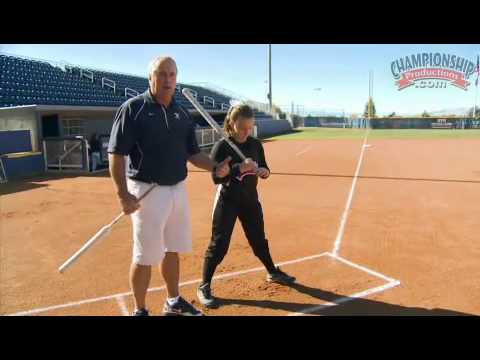
HItting a baseball or softball can be extremely difficult for children aged 8-12. They are still developing their motor skills and hand-eye coordination at this age. The pressure to perform can also be intense, making it even more difficult for them to perfect their swings.
Young hitters often have a hard time hitting the ball consistently. They might hit the ball perfectly one day and then struggle to hit the ball at all the next day. This inconsistency can be frustrating for the kids and for their coaches or parents.
“It’s not uncommon for young hitters to have issues with consistency, which can be a source of frustration for them and their coaches or parents.”
Moreover, a lot of kids don’t have the physical strength required to hit the ball far, which can make them feel disheartened, especially when they see their peers hitting the ball farther. Recognizing these difficulties is the initial step in assisting young athletes to get better.
The Importance of Power-Boosting Drills for Kids
Power-boosting drills are a crucial part of training for young hitters as they concentrate on enhancing swing techniques and extending the distance of the batted ball. These drills assist kids in building the power and coordination required to hit the ball more efficiently. For more insights, check out these youth power hitting strategies.
When young athletes include power-boosting drills in their practice routine, they can greatly improve their performance. These drills not only improve their physical skills, but also increase their confidence, making them more likely to enjoy the sport and stay with it. For more tips, check out our youth baseball pre-pitch routine.
Successful Coaching Methods for Young Players
Successful coaching is essential for aiding young players in improving their hitting abilities. Coaches must recognize the specific requirements of kids between the ages of 8 and 12 and adapt their coaching methods to meet these needs. This entails being patient, supportive, and offering straightforward directions. For more detailed guidance, check out this youth hitting timing and rhythm guide.
Getting to Know Your Players
Each young player has unique needs, and recognizing these is crucial for successful coaching. Some children may require extra assistance with their swing mechanics, while others might need to focus on their timing or coordination. By pinpointing these specific needs, coaches can offer focused instruction that aids each player in their improvement.
Watch your players during practice to see what they’re good at and what they need to work on.
Ask them if there’s anything they’re struggling with.
Give them personalized advice and help.
Making a Positive Space
It’s important to make a positive space for young players. When kids feel like they’re in a safe and supportive space, they’re more likely to try new things and push themselves to get better. A positive space also helps lower the stress and worry that can come with learning something new. For more tips on building a productive practice, check out this guide on productive practice for hitting.
Thus, it’s crucial for coaches and parents to cultivate a positive and supportive environment. This can be done by applauding small victories, giving constructive criticism, and promoting team spirit and friendship among players.
Boost their morale by celebrating small victories.
Offer feedback that helps them improve rather than just criticizing their mistakes.
Promote a sense of teamwork and friendship among the players.
Crucial Power-Boosting Drills
Now that we’ve discussed the importance of understanding your player’s needs and fostering a supportive environment, let’s move on to some crucial power-boosting drills. These drills aim to help young batters enhance their swing mechanics, timing, and overall power.
Drill 1: Tee Practice to Improve Swing Mechanics
Practicing on a tee is one of the best drills to enhance swing mechanics. When hitting off a tee, young players can concentrate on their technique without the stress of hitting a moving ball. This gives them the opportunity to tweak their swing and develop consistency.
Drill 2: Soft Toss with Timing Focus
Soft toss drills are an excellent tool for teaching young batters about timing. In this exercise, a coach or parent lightly throws the ball underhand from the side, giving the batter the opportunity to concentrate on hitting the ball at the perfect time.
Position yourself to the side of the batter and throw the ball underhand.
Urge the batter to keep their eye on the ball and swing at the right time.
Give them feedback on their timing and change the throw if necessary.
Drill 4: High Tee Drill for Uppercut Swing Training
The High Tee Drill is meant to help young batters practice an uppercut swing, which can be particularly helpful for hitting balls that are higher in the strike zone. By setting the tee at a higher level, players can concentrate on changing their swing to make solid contact with the ball. For more tips on improving your practice sessions, check out productive practice for hitting.
For this exercise, adjust the tee to a level slightly higher than the player’s waist. Remind the player to keep a solid stance and aim to hit the ball with an upward motion. This practice enhances bat speed and the skill to hit elevated pitches efficiently.
Drill 5: Front Toss with Different Speeds
Position yourself in front of the batter and toss the ball underhand.
Change the speed of your tosses to imitate different pitch speeds.
Encourage the batter to alter their timing and swing as needed.
This drill aids young batters in developing the ability to alter their timing based on the speed of the pitch. By changing the speed of the tosses, players learn to stay alert and make rapid adjustments to their swings.
This drill not only enhances timing but also boosts self-assurance as hitters grow more at ease with varying pitch speeds. It’s an excellent method for getting young athletes ready for actual game situations where pitch speeds can change dramatically.
Typical Errors and How to Fix Them
Despite the most effective drills, young hitters can still make typical errors that slow their improvement. One of the most common errors is incorrect stance and grip. A bad stance can disrupt balance and decrease power, while a wrong grip can result in feeble or imprecise swings. To address these issues, consider focusing on youth hitting timing and rhythm as part of their training.

Over-swinging is another common mistake. Most young athletes think that the harder they swing, the better they will hit. However, this often results in a loss of control and poor contact with the ball. Instead, focus on teaching a smooth, controlled swing that emphasizes technique over brute strength. For more tips, check out our guide on youth hitting timing and rhythm.
Moreover, junior batters may have trouble maintaining their gaze on the ball. Encourage them to follow the ball from the pitcher’s hand all the way to the point of contact. This aids in enhancing focus and precision. For more tips on improving their hitting skills, check out youth baseball hitting techniques.
Monitoring Advancement and Establishing Objectives
It’s crucial for young players to monitor their advancement to see how they’re improving and to stay driven. Keep track of how they perform during drills, making note of any areas where they’re improving or continuing to struggle. This can help to spot trends and customize future practice sessions to work on particular areas.
Tracking Progress
There are a number of ways to track progress, such as improved bat speed, more regular ball contact, or greater hit distances. Use tools like speed guns to measure bat speed or set up distance markers to track how far the ball goes when it’s hit. Make sure to regularly review these measurements to see how they’re improving. For additional tips on enhancing your child’s hitting skills, check out this hitting technique video analysis.
Establishing Attainable and Practical Objectives
Establishing attainable and practical objectives is vital for keeping inspiration and ensuring constant improvement. Assist your young players in setting precise, quantifiable objectives, like increasing bat velocity by a certain amount or regularly hitting the ball to a certain length. For more tips on improving youth hitting techniques, check out this hitting technique guide.
Take big objectives and divide them into smaller, achievable tasks. For instance, if the aim is to increase the speed of the bat, concentrate on drills that directly improve swing techniques and power. Recognize minor victories along the journey to keep players inspired and involved.
Nutrition and Physical Conditioning’s Impact
The performance of a young athlete is greatly influenced by their nutrition and physical conditioning. A balanced diet is crucial for providing the energy and nutrients required for growth and development. Additionally, strength and conditioning exercises are beneficial in developing the physical abilities needed for powerful swings.
The Role of a Nutritious Diet
A nutritious diet is one that is filled with a diverse range of foods from all the main food groups: fruits, vegetables, grains, protein, and dairy. It’s important to make sure that young athletes are eating enough to sustain their level of activity and growth. Hydration is also important, so make sure they drink a lot of water throughout the day.
Not only does it fuel the body, but good nutrition also aids in muscle recovery and promotes overall well-being. Teach young athletes about the value of consuming balanced meals and the dangers of overindulging in junk food and sweet beverages.
Power-Boosting Workouts
Power-boosting workouts are crucial for developing the muscles required for strong hits. Concentrate on workouts that engage the core, legs, and upper body. Squats, lunges, planks, and medicine ball throws are examples of these workouts.
Use these drills during regular practice to help young players build power and stamina. Make sure the drills are suitable for their age and they are doing them correctly to avoid injuries. For more tailored skills, check out this guide on training for kids by age group.
Making Training Enjoyable
To keep young athletes interested and motivated, it’s important to make training sessions fun and engaging. Add games and competitions to practice to make drills more fun. This not only helps improve skills, but also encourages a love of the sport.
Fun Drills to Keep Kids Excited About the Game
Fun drills are key to keeping kids excited about the game. Make sure the drills are hard enough to challenge them but not so hard that they can’t achieve them, and change things up to keep it interesting. For instance, you could set up obstacle courses with hitting stations, or create relay races where they have to hit targets.
Not only do these drills keep practice enjoyable, they also enhance different elements of hitting like precision, timing, and strength. In addition, they encourage cooperation and a sense of healthy rivalry among team members.
Using Games and Competitions for Training
Games and competitions are great ways to train because they simulate the real game and push players to perform under pressure. You can set up mini tournaments or friendly games during practice to get young hitters used to competing.
These drills are designed to not only instill confidence in young players, but also impart valuable lessons about good sportsmanship and the importance of working as a team. Plus, they allow athletes to put into practice the skills they’ve been learning, all while having a great time and enjoying the support of their peers. For more insights, check out our guide on youth hitting timing and rhythm.
Get Started with Proven Power-Boosting Techniques
Now that you have a comprehensive understanding of power-boosting drills and effective coaching techniques, it’s time to put this knowledge into practice. Start by incorporating these drills into your regular practice sessions and focusing on the unique needs of your young athletes. For additional guidance, check out this productive practice for hitting.
It’s important to establish a regular practice routine if you want to see improvement. Make sure to set aside time each week to work on these drills and monitor your progress. And don’t forget to keep the practice sessions enjoyable and interesting to keep up the motivation.
If you want more in-depth advice and materials, consider looking into further training programs that focus on the science of hitting. A highly recommended resource is “The Truth About Explosive Rotational Power,” which provides comprehensive training and tested methods to help young hitters perfect their swings.
Are you prepared to equip your little sports stars with the skills they need to excel? Learn how to build a productive practice now and see their game improve dramatically!
Using These Drills in Your Training
These power-boosting drills need to be included in your training routine to see improvements. Start with one or two drills and let your young athletes get used to them before adding more. Focus on quality over quantity, making sure each drill is done right and with the right form. For more detailed guidance, check out this training for kids tailored by age group.

Keep the practice sessions lively and fun by changing up the drills. You could start with Tee Work one week and then switch to Soft Toss the following week. Mixing it up helps to avoid monotony and keeps the players driven to get better.
Keep in mind, it’s crucial to give regular feedback and motivation. Applaud minor victories and give productive feedback to aid players in honing their skills. Don’t forget, the aim is to instill self-assurance and nurture a passion for the sport. For more tips, check out this guide on overcoming fear of failure in youth baseball and softball.
Creating a Regular Practice Routine
The key to enhancing batting abilities is consistency. Make a practice routine that includes power-boosting drills a minimum of 2-3 times per week. Each practice should last around 30-45 minutes and concentrate on various elements of batting.
Warm-up: Initiate with a gentle warm-up to prepare the muscles for activity. This could include jogging, dynamic stretches, and a few basic throwing drills.
Main Drills: Allocate the majority of the session to power-boosting drills. Alternate between Tee Work, Soft Toss, High Tee Drill, and Front Toss to address all facets of hitting.
Cool Down: Conclude with a cool-down session that comprises static stretching and light exercises to avoid muscle soreness and facilitate recovery.
By adhering to a regular training schedule, young athletes can progressively enhance their skills and develop the strength and coordination required for potent hits. For more tips on improving youth baseball and softball hitting, check out this hitting technique guide.
Additional Learning Materials
If you’re interested in more detailed advice and extra exercises, you might want to check out resources that delve into the art of hitting. One particularly recommended resource is “The Truth About Explosive Rotational Power,” which provides extensive training and tried-and-true methods to assist young hitters in perfecting their swings.
Our program offers step-by-step guides and video tutorials that are simple for both parents and coaches to use. Are you ready to equip your young athletes with the skills they need to excel? Begin today and see their performance skyrocket!
Common Questions
Many parents and coaches have queries on how to best assist their young athletes in enhancing their hitting abilities. Here are some common questions and their responses to give you a better understanding.
At what age should children begin to learn power-hitting techniques?
Children can begin to learn power-hitting techniques as early as 8 years old. At this age, they are developing the motor skills and coordination needed to understand and apply these techniques. However, it’s important to tailor the drills to their skill level and ensure they are having fun while learning.
How frequently should children do these exercises?
Children should do these exercises at least twice or three times a week. Regular practice is key to getting better, but it’s also necessary to strike a balance between training and rest and recovery to avoid overtraining and injuries.
What equipment will I need to complete these drills?
The essential equipment you’ll need for these drills are a batting tee, soft toss balls, a net for catching balls, and a range of bats (weighted bats are required for some drills). A radar gun for measuring bat speed is also useful for monitoring improvement.
When will I see progress?
The speed of improvement is different for every player and depends on their level of commitment and consistency in training. Generally, you can expect to see noticeable improvements in bat speed and hitting power within 2-3 months of consistent practice. Remember, progress may be slow and steady, and it’s important to celebrate small victories along the way.
Are these methods effective in preventing injuries?
Indeed, appropriate technique and form can help avoid injuries. Concentrating on the right mechanics and developing strength through conditioning drills, young players can lower the chances of usual injuries related to hitting. It’s also crucial to make sure that players are using equipment suitable for their age and not pushing themselves too hard.
How can parents support their young athletes?
Parents are critical in supporting their young athletes. They can cheer them on, help them set achievable goals, and make sure they have the gear and resources they need to practice. Parents can also help create a positive and supportive atmosphere that helps their child develop a passion for the sport. For more tips, check out this guide on overcoming fear of failure in youth baseball and softball.
Parents must also keep in touch with coaches to keep track of their child’s improvement and any areas that may require extra focus. By being actively involved, parents can help their young athletes stay motivated and dedicated to enhancing their skills.
How can I tell if my child is improving from these drills?
Progress tracking: Keep tabs on your child’s drill performance and note any increases in bat speed, consistency, and hitting distance.
Confidence observation: See if your child seems more confident and excited about hitting. More confidence usually means they’re getting better.
Feedback request: Ask the coaches what they think about your child’s progress and any areas that might need more work.
Enjoyment monitoring: Make sure your child is having fun during practice and not feeling too stressed or frustrated. Having fun is crucial for long-term success.
By tracking progress, observing confidence, requesting feedback, and monitoring enjoyment, you can see if your child is improving from these drills and make any needed changes to their training routine.
With the right coaching and drills, young players can really improve their batting skills and find a passion for the sport. The path to becoming a great hitter is a long one, so it’s important to stay patient and positive. But most importantly, make sure to have fun!

Leave a Reply