Welcome to the world of youth baseball, where batting is a key skill that can significantly improve a young player’s performance. Let’s explore some important tips and coaching strategies to help you lead your team to victory.
Summary of the Article
Having the correct grip and stance is vital for a successful swing.
Being consistent in your swing technique can improve your batting performance.
Hand-eye coordination is key to making contact with the ball.
Using a batting tee can help perfect your swing mechanics.
Understanding different types of pitches can improve your timing and anticipation.
Batting isn’t just about hitting a ball; it involves technique, timing, and confidence. The right batting skills can take a player’s game to the next level, boosting their confidence and overall performance on the field.
Why Youth Baseball Players Need to Learn Batting Techniques
Baseball is a sport that requires skill, strategy, and accuracy. For young players, learning the right way to bat is crucial. It doesn’t just help them hit the ball solidly, it also increases their confidence, which can lead to better results in games.

Why Batting Techniques Matter
Having the right batting techniques is the key to a player’s success. It’s how players can hit the ball reliably, which is how runs are scored. A good swing can mean the difference between striking out and hitting a home run.
Think about it: a player who has a solid stance and grip can create more force and precision in their swing. This results in better contact with the ball and raises the odds of reaching base. As a result, concentrating on these basic elements of batting is critical. For more guidance, check out these youth baseball hitting drills that can enhance a player’s stance and grip.
The Role of Confidence in Player Performance and Game Results
Confidence can make or break a game. When players have confidence in their batting skills, it is reflected in how they play. They approach each at-bat with a positive attitude, which often leads to improved outcomes. However, poor batting techniques can cause frustration and lower confidence levels.
Coaches who prioritize enhancing batting abilities can assist athletes in gaining self-assurance and boosting their performance on the field. This not only leads to the team’s victory but also promotes a supportive atmosphere for play.
Key Batting Tips for Young Baseball Players
We’re going to delve into some key tips that can assist young players in improving their batting abilities. These tips emphasize the basics of batting, which are critical for consistent performance.
Mastering the Grip and Stance
The grip and stance are the cornerstones of a good swing. A correct grip ensures that the bat is held securely, which leads to improved control and strength. Coaches should encourage players to grip the bat with their fingers, not their palms, to allow for maximum flexibility.
How a player stands is just as crucial. They should position their feet at a width equivalent to their shoulders, bend their knees a bit, and distribute their weight evenly. This balanced stance creates a stable foundation for the swing, allowing players to produce power and keep control. For more on improving your swing, explore these footwork drills and step-swing techniques.
Building a Reliable Swing
Reliability is crucial in batting. A reliable swing lets players touch the ball regularly, boosting their likelihood of reaching base. Inspire players to work on their swing often, centering on keeping the same movement each time.
The Significance of Hand-Eye Coordination
Hand-eye coordination is critical for hitting the ball. It’s all about timing the swing to coincide with the pitch, and it takes a lot of practice and concentration. Encourage your players to do exercises that will improve their hand-eye coordination, such as hitting off a tee or doing soft toss drills.
Practicing with a Batting Tee
Begin with the tee set at waist height to develop a level swing.
Concentrate on striking the ball squarely, aiming for the bat’s sweet spot.
Slowly change the tee’s height to mimic various pitch locations.
Include drills that concentrate on specific swing elements, such as follow-through and balance.
Using a batting tee is a great method to improve swing mechanics. It allows players to concentrate on their swing without the stress of hitting a moving ball. Players can build muscle memory and enhance their overall batting technique by practicing with a tee.
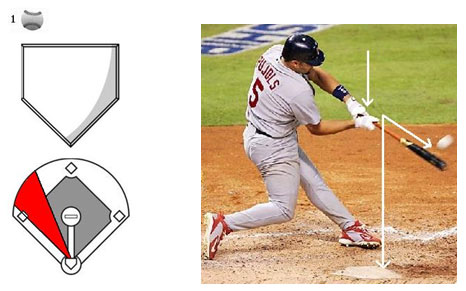
Recognizing Different Pitches and Adjusting Your Timing
It’s important for young players to understand that recognizing different pitches and adjusting their timing is key to their success at bat. Encourage them to study the pitcher and learn to anticipate what kind of pitch is coming based on the pitcher’s grip and release point. For additional training, consider exploring baseball vision training exercises to improve their focus and reaction time.
In baseball, timing is key. A perfectly timed swing can be the difference between making good contact with the ball or not. As such, players should practice timing their swings to match different pitch speeds and types. For more targeted practice, consider exploring youth baseball hitting drills that focus on improving timing and contact.
Customizing Practice Drills to Suit Each Player
All young players are different, each with their own set of strengths and weaknesses. It’s important to customize practice drills to suit each player’s needs to ensure they develop effectively. Begin by evaluating each player’s abilities and determining which specific areas need to be worked on. This approach makes sure that practice sessions are not only productive, but also enjoyable.
Observe players during practice to identify their strengths and weaknesses.
Create personalized drills that target specific skills, such as swing mechanics or hand-eye coordination.
Adjust the difficulty of drills based on the player’s skill level, gradually increasing the challenge as they improve.
Provide regular feedback and encouragement to keep players motivated and focused.
By customizing practice drills, coaches can address individual needs and help players make significant progress. This approach not only enhances skills but also boosts confidence, as players see their efforts translate into tangible improvements on the field.
Additionally, custom exercises can make practice more fun for players as they take ownership of their progress. This cultivates a positive outlook towards practice and encourages players to take the lead in their training.
Always keep in mind that the aim is to cultivate an atmosphere where the players feel both encouraged and pushed to their limits. By zooming in on the specific needs of each player, coaches can aid them in reaching their highest potential and in truly enjoying the game. For more insights on effective coaching, explore these coaching strategies for youth baseball.
Promoting Resilience and Concentration
Resilience is a critical element of triumph in baseball. It involves maintaining concentration, managing stress, and recovering from disappointments. As a mentor, it’s crucial to assist young athletes in honing these mental talents in addition to their physical capabilities. For those looking to improve these skills, consider exploring personalized baseball coaching programs that focus on enhancing concentration and resilience.
Begin by instructing your players to remain in the present. Remind them to concentrate on the play that is happening right now, instead of obsessing over past errors or fretting about what might happen next. This way of thinking helps players stay calm and make smarter choices while playing.
Resilience is another key part of mental toughness. Teach players to see mistakes as chances to learn instead of as failures. This positive mindset can increase confidence and motivate players to keep going, even when things get tough.
Lastly, it’s crucial to stress the significance of setting objectives. Whether it’s enhancing a particular skill or reaching a personal record, having well-defined objectives can inspire players and give them a sense of direction. Encourage players to set attainable objectives and celebrate their advancements as they progress.
Encourage players to practice mindfulness exercises to help them stay focused and calm.
Teach visualization techniques to boost confidence and performance.
Help players develop a pre-game routine that puts them in the right mindset.
Give players the chance to reflect on their performance and figure out what they need to improve.
Using Video Analysis to Improve Batting Techniques
Video analysis is a great way to improve batting techniques. Players can watch footage of their swings to learn more about their mechanics and figure out what they need to improve. This visual feedback is often more effective than just listening to instructions, because players can see exactly what they’re doing right and what they’re doing wrong.
First, you should film your players during their practices or games. Try to get footage from various angles like the front, side, and back so you can see their swing from all perspectives. After you’ve got the footage, sit down with each player and go over it with them. For more insights on enhancing player performance, check out these effective coaching strategies.
When you’re going over the footage, make sure to point out the parts of the swing that could use some work. You can use the slow-motion feature to really focus on the important parts like the load, stride, and follow-through. Make sure to get the players involved by encouraging them to ask questions and talk about what they see.
Compare the player’s swing to that of professional players to illustrate proper technique.
Set specific goals for improvement based on the analysis.
Use video analysis regularly to track progress and make adjustments as needed.
Combine video analysis with other forms of feedback, such as one-on-one coaching sessions.
By incorporating video analysis into training, coaches can provide players with clear, actionable feedback that can lead to significant improvements in their batting performance. This approach not only enhances skills but also empowers players to take control of their development. For more tips on improving concentration and skills, check out personalized baseball coaching.
Giving Positive Criticism and Encouragement
Positive criticism is a key component of player growth. It helps players recognize their strengths and weaknesses. When giving criticism, be detailed and concentrate on changeable behaviors. For instance, instead of saying “You need to improve your hitting,” highlight particular parts of the swing that require modification.
Staying motivated is also crucial. Cheer on the players by recognizing their hard work and growth, even if it’s minor. Celebrate victories and remind the players of their abilities. This positive reinforcement can increase self-esteem and encourage players to keep pushing for progress. For more insights on maintaining motivation, check out these effective coaching strategies.
Changing Batting Tactics During Matches
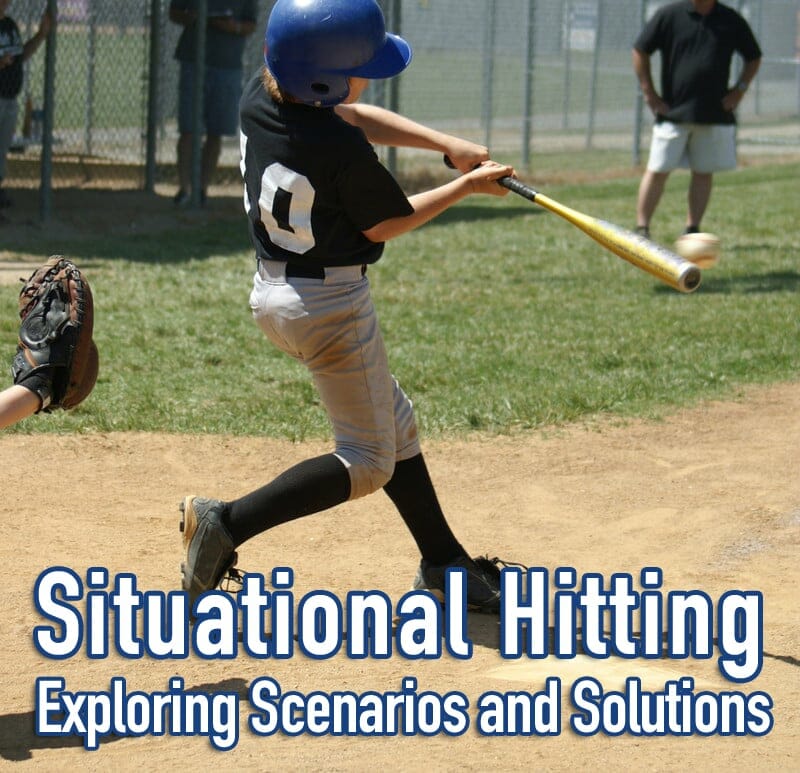
The dynamics of a match can shift quickly, meaning players must be able to change their batting tactics in real time. Training players to alter their strategy based on the situation is a crucial skill that can improve their performance and help the team win. For more insights, explore effective coaching strategies that can enhance your team’s gameplay.
Scouting the Other Team’s Pitcher
Knowing what to expect from the pitcher on the other team is key to a good batting strategy. Teach your players to watch the pitcher during warm-up and the first few innings to spot any patterns in their pitching. This can give them a good idea of what kind of pitch is coming and help them decide how to swing. For more tips on improving your game, check out how to improve your game as a youth baseball player.
Adjusting Swing for Two-Strike Scenarios
During two-strike scenarios, athletes should adopt a more defensive stance. Encourage them to reduce their swing and concentrate on hitting the ball instead of aiming for a home run. This tactic can improve the likelihood of deflecting difficult pitches and prolonging the at-bat.
Also, remind players to keep their cool and concentrate when they have two strikes against them. Encourage them to believe in their training and face each pitch with self-assuredness. This attitude can assist players in making wiser choices and avoiding needless strikeouts.
Understanding and Adjusting to Various Game Scenarios
Every game is different, and it’s important for young players to adjust their batting approach based on the situation. Coaches should teach their players to think about the current score, inning, and base runner positions before they step up to the plate. For instance, if it’s a tight game and there are runners on base, the batter should prioritize making contact and getting those runners home, rather than trying to hit a home run.
Creating a Comprehensive Training Program
For a training program to be effective, it needs to focus on the player’s overall development, which includes physical abilities, mental strength, and understanding of the game. Coaches who use a comprehensive approach can help players develop into versatile athletes who are ready to face the game’s challenges. For more guidance, explore online training programs designed for young players.
First, establish a well-organized practice routine that incorporates time for developing skills, conditioning, and mental training. This well-rounded strategy guarantees that players are honing all facets of their game and achieving steady improvement. For additional resources, consider exploring youth baseball skill development classes online.
Use a mix of drills and exercises that focus on different skills and keep players interested. This mix can stop burnout and make practice more fun for players. Also, urge players to set personal goals and monitor their progress over the season.
Equating Physical Practice with Mental Readiness
Physical practice is key, but mental readiness is just as vital. Inspire players to establish routines that assist them in getting into the proper mindset before games and practices. This could involve visualization exercises, relaxation methods, or establishing particular objectives for the session. For more personalized strategies, consider exploring personalized baseball coaching to improve concentration skills.
Players can enhance their overall performance and have a better time playing the game by combining physical and mental training. This all-encompassing method guarantees that players are ready for the game’s challenges and can perform at their peak when it’s most crucial.
Implementing Strength and Conditioning Workouts
Strength and conditioning play a vital role in enhancing a youth player’s performance on the diamond. These workouts help develop the physical base required for forceful swings and fast reactions. Begin with concentrating on core strength, which is critical for producing power in a swing. Workouts such as planks, sit-ups, and medicine ball twists can aid in fortifying the core muscles.
In addition to core training, incorporate exercises that boost overall physical fitness and agility. Speed and coordination can be improved through sprints, ladder drills, and plyometric exercises, making players more efficient both at bat and in the field. Keep in mind, the aim is to develop well-rounded athletes who can meet the physical demands of the game.
Establishing Attainable Objectives and Monitoring Athlete Improvement
Establishing attainable objectives is a vital aspect of athlete growth. Objectives give athletes a precise path and inspire them to enhance their abilities. Inspire athletes to establish both immediate and long-term objectives, like boosting their batting average or becoming proficient in a particular skill.
Work with players to set achievable and specific goals.
Track progress regularly and adjust goals as needed.
Celebrate achievements to keep players motivated.
Use a journal or app to record progress and reflect on areas for improvement.
Tracking progress is equally important. It allows players to see how far they’ve come and identify areas that need more focus. Regular feedback and reflection can help players stay on track and maintain their motivation throughout the season.
When players set achievable goals and monitor their progress, they can feel a sense of achievement and progress. This is essential for their development and enjoyment of the game. For additional guidance, consider exploring youth baseball skill development classes available online.
Conclusion: Enriching Youth Baseball Experience Through Batting Skills
Enhancing batting skills is a path that demands commitment, training, and appropriate advice. By concentrating on the basics, fostering mental resilience, and offering tailored feedback, coaches can assist young players in growing into self-assured and competent sportspeople.
Keep in mind, the objective is not only to enhance performance but also to instill a passion for the sport. By cultivating a positive and encouraging atmosphere, coaches can motivate players to achieve their maximum potential and relish every second on the field.
Common Questions
As you continue to mentor young players, you may come across some questions that come up frequently. Here are some answers to help you address them effectively.
What are some ways young players can better their batting skills?
Young players can better their batting skills by paying attention to the basics: how they hold the bat, their batting position, and their swing. Practicing often with a batting tee and using video analysis can give them helpful feedback and allow them to make the changes they need.
What is the significance of mental toughness in baseball?
Mental toughness is vital because baseball is a sport that demands resilience and the ability to overcome failure. Players must remain concentrated, cope with stress, and recover from difficulties. Cultivating mental toughness can assist players in maintaining self-assurance and performing consistently.
Stay in the moment and concentrate on the task at hand.
Imagine success to increase self-assurance.
Establish objectives to inspire and guide.
What is the recommended frequency for batting practice each week?
Players should strive to have batting practice a minimum of 3-4 times a week. Regular practice aids in strengthening muscle memory and enhancing technique. However, it’s crucial to strike a balance between practice and relaxation to avoid exhaustion and injuries.
What are some drills that can help improve hand-eye coordination?
Improving hand-eye coordination is critical for hitting the ball. Here are some drills that can help:
Underhand toss: A coach or teammate tosses the ball underhand to the player to hit.
Color and number drills: Use balls of different colors or targets with numbers to enhance focus and reaction speed.
Ball tracking: Practice following the ball from when it leaves the pitcher’s hand to when it hits the bat.
These exercises assist players in developing the concentration and timing required for effective batting. For more on improving focus and reaction speed, check out vision training tips.
By including these exercises in their training, players can improve their hand-eye coordination and become more reliable hitters.
What are some ways coaches can encourage young players who are having a hard time?
Encouraging young players who are having a hard time calls for patience and understanding. Begin by giving positive reinforcement and recognizing their hard work. Assist them in setting attainable goals and celebrate minor victories to boost self-esteem. For additional strategies, consider exploring youth baseball hitting drills that can help improve their skills and confidence.
Furthermore, provide beneficial critiques that concentrate on particular areas of development. Urge players to see difficulties as chances to learn and improve. By fostering a supportive atmosphere, coaches can assist players in staying driven and continuing to enhance their abilities.
Give them a pat on the back and cheer them on.
Set goals that are within reach and celebrate when they get there.
Give feedback that helps them improve and be there for them.
Help them believe they can get better and bounce back from failure.
Don’t forget, the most important thing is that they have fun playing the game and feel like you’ve got their back as they get better. For more ways to support their growth, explore youth baseball skill development classes online.
How does video analysis help with batting improvement?
Video analysis is a key tool for improving batting, as it provides a visual representation of a player’s mechanics. By watching videos of their swings, players can see where they need to make changes and then adjust accordingly.
With video analysis, players can see their strengths and weaknesses, which makes it easier to make changes. This tool can be used with traditional coaching to provide a complete approach to skill development.
Improving your batting performance in youth baseball requires a combination of practice, dedication, and effective coaching. By focusing on key techniques such as stance, grip, and swing mechanics, young players can significantly enhance their skills. Additionally, understanding the mental aspects of the game, such as maintaining focus and confidence, plays a crucial role. For more detailed guidance, check out these tips from the pros that can help young athletes improve their game.

Leave a Reply