Important Points
- Investing in quality youth baseball hitting aids can significantly improve a young player’s skills and confidence.
- Batting tees, hitting nets, and weighted baseballs are essential tools for practicing at home.
- Online training programs and local coaching camps offer valuable lessons and personalized feedback.
- Consistent practice and setting achievable goals are crucial for success in baseball training.
- Choosing the right size and type of equipment is important for safety and effective training.
Why Youth Baseball Equipment Matters
When it comes to youth baseball, the right equipment can make a world of difference. Not only does it enhance the player’s skills, but it also boosts their confidence. Imagine stepping up to the plate with a bat that feels just right in your hands. It’s not just about hitting the ball; it’s about hitting it with power and precision. That’s what good equipment does—it empowers players to perform their best.
Boosting Abilities and Self-assurance
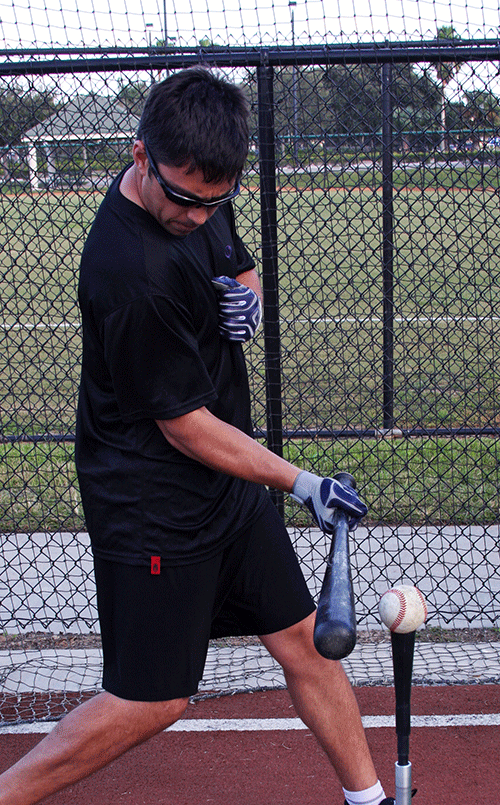
Youth baseball equipment is essential for a variety of reasons, one of which is that it aids in the development of abilities and self-assurance. A young player who uses the appropriate equipment for practice will notice improvements in their swing, timing, and overall performance. For instance, a batting tee allows players to concentrate on their swing techniques without the distraction of a moving ball, helping them develop muscle memory and confidence in their ability to make solid contact.
Crucially, when young players see how much they’re improving, it stokes their love of the game. They’re keener to practice and get better, especially when they know they’ve got the right equipment to help them do it.
Importance in Player Growth
Not only does the right equipment increase confidence, but it also plays a vital role in player growth. As players mature and grow, their needs evolve. Equipment that was once appropriate for a beginner may no longer be suitable for a more advanced player. So, it’s crucial to select equipment that aligns with the player’s present skill level and objectives. For more insights on how to help hitters reach their full potential, check out these youth baseball coaching tips.
For example, weighted baseballs can be a great tool for building strength and increasing swing speed. But, they should be used with caution and under supervision to avoid injury. With the right equipment, players can focus on areas of their game that need improvement, resulting in more balanced and well-rounded athletes.
Protection From Injury
While injuries are an unfortunate part of sports, having the right equipment can help reduce the risk. Safety gear such as helmets, batting gloves, and appropriate shoes are crucial to protect players. Furthermore, using equipment that fits the player’s size and weight can help avoid strains and overuse injuries.
For instance, if a bat is too heavy, it can cause bad swing habits and add unnecessary strain on a young player’s body. Purchasing well-fitting, high-quality equipment can help keep your young athlete healthy and enjoying the game for many years. For more tips on improving your young athlete’s performance, consider these swing plane tips.
Best Hitting Aids for Youth Baseball
Having established the importance of training equipment, we can now take a look at some of the best hitting aids for youth baseball on the market. These aids are specifically designed to help young players hone their skills and enhance their game performance.
Batting Tees: The Key to Perfecting Your Swing
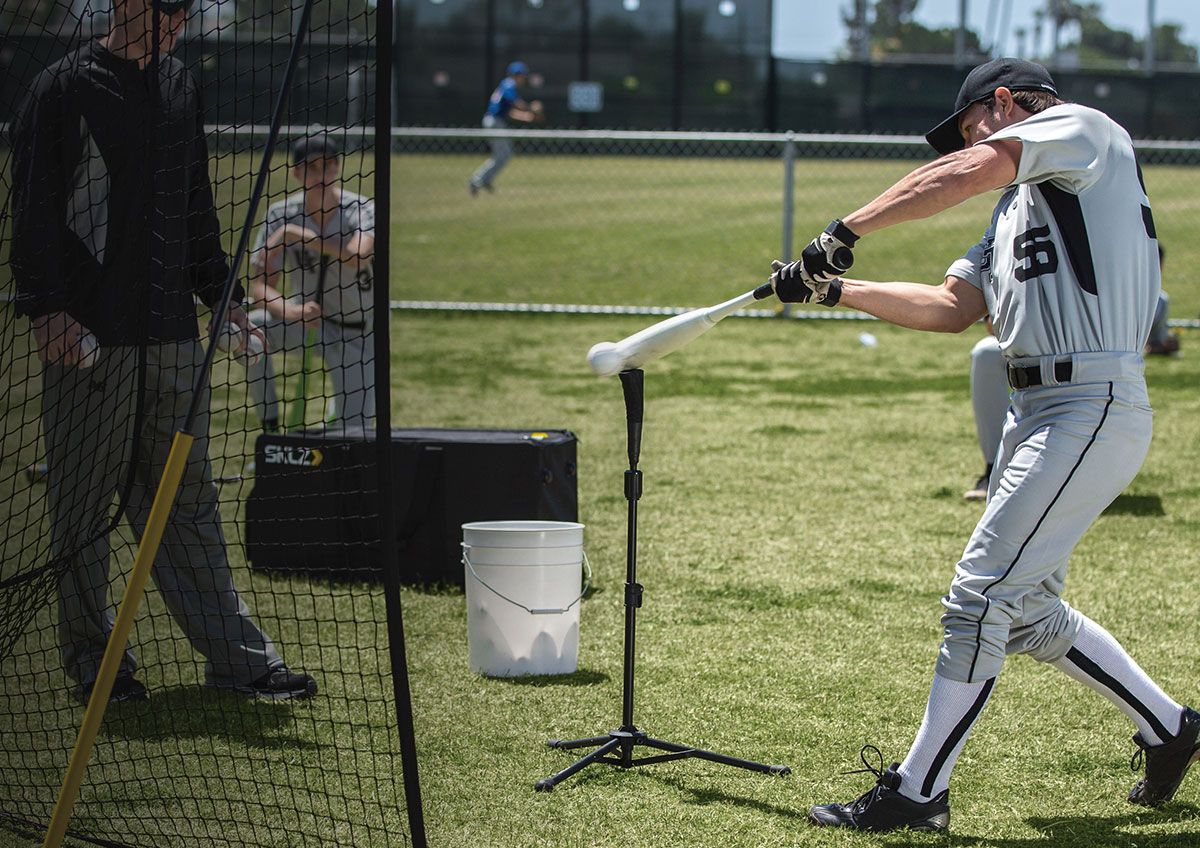
Every baseball player, no matter their age or skill level, can benefit from using a batting tee. It provides a still target, allowing players to practice their swing without the added difficulty of a moving ball. This means they can concentrate fully on their technique and make any necessary changes.
There’s a wide range of batting tees on the market, from simple designs to more sophisticated models with adjustable heights and angles. The best one for you will depend on the player’s age, skill level, and specific training requirements.
Hitting Nets: Convenient and Versatile
Another must-have for baseball training are hitting nets. These handy tools let players work on their swings and hits without requiring a massive field or specific practice space. Just pop the net up in your backyard or garage, and you’re good to go.
Hitting nets are typically portable and simple to set up, which is ideal for families on the go. Additionally, they offer a worry-free practice environment, eliminating concerns about property damage or lost balls. For more information on training aids, check out our guide on best training equipment.
Weighted Baseballs: Boost Your Swing Power
Weighted baseballs are an excellent way to build strength and increase your swing speed. Practicing with these heavier balls helps players to build the muscles they need for strong hits. But, it’s crucial to use them the right way and not overdo it to avoid injury. For more tips on improving your swing, check out these youth baseball training videos.
Usually, it’s best to use weighted baseballs as a part of a well-rounded training regimen that also involves regular baseballs and various drills. This helps players to continue to use the correct form and technique while they build their strength.
Training Bats: Swing Perfection
Training bats are engineered to assist players in honing their swing techniques. They are available in a variety of sizes and weights, enabling players to focus on various elements of their swing. For instance, a heavier bat can aid in muscle development, whereas a lighter bat can enhance swing velocity and precision.
When selecting a training bat, it’s important to consider the player’s current skill level and what they hope to achieve with their training. The bat should provide a challenge, but not be so difficult that the player feels overwhelmed. This balance will allow the player to get the most out of their training sessions and see consistent improvement.
Training Programs and Lessons That Work
Equipment is crucial, but it’s only part of the equation. The right training programs and lessons are key to helping players hone their skills and become the best they can be.

- Online Resources and Platforms: There are numerous online platforms that offer baseball training programs and lessons. These resources provide valuable instruction and feedback from experienced coaches, allowing players to learn and improve at their own pace.
- Local Coaching and Camps: In-person coaching and camps offer hands-on instruction and personalized feedback. These programs are a great way for players to receive guidance from experienced coaches and practice with other players.
- Benefits of Personalized Coaching: Personalized coaching allows players to receive tailored instruction based on their specific needs and goals. This can lead to faster improvement and a deeper understanding of the game.
- Interactive Video Analysis Tools: Video analysis tools allow players to review their swings and identify areas for improvement. These tools provide valuable feedback and can help players make adjustments to their technique.
With the right combination of equipment and training, young players can develop their skills and achieve success on the baseball field.
Internet Tools and Websites
With the rise of the internet, online tools and websites have become essential for training young baseball players. These platforms offer a plethora of knowledge and teaching that athletes can utilize at any time, from any location. Websites such as MLB’s Play Ball and Baseball Monkey offer comprehensive guides, exercises, and advice for athletes of all abilities. These tools are particularly beneficial for athletes who may not have access to nearby coaching or who wish to enhance their face-to-face training.
There are many platforms out there that provide video tutorials and interactive lessons, giving players the chance to learn at their own speed. This is a big plus, because it lets players go back to lessons and do practice drills as much as they want. On top of that, some platforms even give personalized feedback from professional coaches, which helps players perfect their techniques and get better. For instance, you can explore the best training equipment and aids to enhance your practice sessions.
Community Coaching and Camps
Despite the usefulness of online tools, they can’t replace the benefits of community coaching and camps. These programs give players the chance to work directly with seasoned coaches who can provide custom advice and direction. Most importantly, they create a supportive atmosphere where players can practice with their peers, encouraging teamwork and friendship. For more insights on effective coaching, check out these youth baseball practice drills and hitting programs.
Local camps usually concentrate on specific abilities, such as hitting, pitching, or fielding, enabling players to focus on areas where they need to improve. For example, a hitting camp might include drills that stress bat speed and swing mechanics, helping players build a stronger and more accurate swing.
Moreover, joining local coaching and camps can assist players in forming a network within the baseball community. This network can serve as a source of inspiration and motivation, encouraging players to keep striving and chasing their dreams. For additional tips on enhancing your game, consider exploring youth baseball coaching tips.
Example: “Johnny took part in a nearby hitting camp where he picked up new methods to enhance his swing. His coach’s assistance enabled him to boost his batting average by 20% in a single season.”
Thus, merging digital tools with in-person instruction offers a well-rounded training experience that covers both the technical skills and the psychological elements of baseball.
Why Personalized Coaching is Beneficial
Personalized coaching provides instruction that is specifically tailored to meet a player’s individual needs and objectives. This kind of focused attention can result in substantial enhancements in a player’s abilities and self-assurance. Coaches are able to pinpoint particular areas that need improvement and create a training plan specifically designed to address those areas.
Let’s say a player has a hard time hitting curveballs. In that case, a coach can concentrate on drills and techniques that enhance the player’s capacity to identify and hit off-speed pitches. This focused method allows players to progress more quickly and gain a more profound understanding of the game.
Video-Based Training Equipment
Video-based training equipment has changed how players and coaches train for baseball. This equipment lets players record their swings and break them down frame by frame. This way, they can find any problems with their technique and fix them.
For example, a player may realize that they’re not completing their swing correctly. By using video analysis, they can pinpoint the exact problem and collaborate with their coach to fix it. This visual feedback is priceless because it gives them solid proof of what needs to be adjusted.
Additionally, numerous video analysis tools provide side-by-side comparisons with professional players, which lets young athletes see how their technique compares to the best in the game. This can be extremely motivating and offer a clear path to improvement.
Advice for Effective Baseball Training
Good training isn’t just about using the correct equipment and going to lessons. It’s about setting specific goals, keeping your motivation high, and balancing practice with fun. Here are some tips to help young players make the most of their training.
Creating Attainable Goals
Creating attainable goals is essential for keeping up motivation and monitoring improvement. Players should establish both short-term and long-term goals that are precise, measurable, and achievable. For instance, a short-term goal could be to increase bat speed by 5 mph within the next month, while a long-term goal might be to make it onto the high school varsity team. For more resources on improving your game, check out these training equipment and tools.
When players divide big goals into smaller, doable tasks, they can rejoice in their victories along the journey and remain inspired to keep pushing themselves.
Keeping Up the Momentum and Drive
When training for baseball, consistency is crucial. Regular practice allows players to build muscle memory and improve their skills gradually. However, keeping up the motivation can be difficult, especially during long seasons or when progress seems to be slow.
Players should concentrate on the parts of the game they find most enjoyable and constantly remind themselves of their objectives in order to stay motivated. Furthermore, changing up training routines and including enjoyable drills can make practice sessions more engaging and prevent burnout.
Maintaining a Balance Between Practice and Play
Although practice is crucial for progress, it’s equally vital for players to have a good time and enjoy the game. Maintaining a balance between practice and play helps avoid burnout and keeps players enthusiastic about baseball.
Encouraging players to play pick-up games with friends or join rec leagues can provide a break from structured training and allow them to enjoy the sport in a more relaxed setting. This balance is crucial for maintaining a lifelong love of the game.
Concluding Suggestions and Opinions
Example: “Alex saw a noticeable improvement in his swing speed and power, leading to more home runs during the season after he added weighted baseballs to his training regimen.”
To sum up, buying good quality youth baseball gear and training aids can greatly improve a young player’s skills and self-confidence. When these tools are combined with effective training programs and personalized coaching, players can reach their full potential and experience success on the baseball field.
Ensure to select gear that aligns with the player’s abilities and objectives, and remember to include internet resources and local coaching into the training regimen. With commitment, regularity, and appropriate assistance, young players can fulfill their baseball aspirations.
Purchasing the Right Gear
One of the most effective ways to help a young player improve is by purchasing the right gear. Not only will this enhance their performance, but it also ensures their safety and that the equipment will last. When choosing gear, the most important factors to consider are durability, comfort, and whether it’s appropriate for the player’s age and skill level. For more insights on selecting the best equipment, you can explore these youth baseball coaching tips.
Getting the Family and Coaches Involved
The role of family and coaches in a young player’s baseball career is crucial. Getting them involved in the training process can offer extra support, motivation, and responsibility. Parents can assist in setting objectives, monitoring progress, and celebrating victories, while coaches can provide professional advice and feedback.
Creating a team-oriented atmosphere can help players feel encouraged and driven to keep striving for their objectives.
Regular Evaluation and Adaptation
Regular evaluation and adaptation are essential aspects of successful baseball training. Players need to consistently review their progress and adapt their training routines to target any weaknesses or areas that need improvement. This could mean switching up drills, introducing new equipment, or getting extra coaching.
Keep in mind that baseball is a sport that is constantly changing, and the needs of the players will also change as they grow. If players remain adaptable and open to new techniques, they can continue to improve and reach their goals. For those looking to enhance their skills, exploring youth baseball training equipment can be a valuable step in their development.
Common Questions
Here are some answers to frequently asked questions to assist you in understanding youth baseball training:
At what age should kids start using training aids?
Training aids can be introduced as early as age 6 or 7, depending on the child’s interest and coordination. At this age, basic tools like batting tees and lightweight bats are appropriate. As players grow older and develop more advanced skills, they can gradually incorporate more complex equipment, such as weighted baseballs and training bats.
How frequently should kids use hitting aids for practice?
While regular practice is crucial, it’s also essential to not overdo it. Kids should strive for 2-3 practice sessions each week, with each session lasting approximately 30-60 minutes. This allows for skill growth while also providing time for rest and recovery. For more insights, check out these youth baseball practice drills.
What safety measures should be taken when using weighted balls?
When utilizing weighted balls, it’s important to begin with lighter weights and progressively increase as the player gains strength. It’s crucial to always maintain good form and technique to avoid injuries. Furthermore, weighted balls should be used sparingly and as part of a well-rounded training regimen that includes normal baseballs and other exercises.
Is online coaching a suitable substitute for traditional lessons?
Online coaching can be a beneficial addition to traditional lessons, providing convenience and a wealth of resources. However, face-to-face coaching offers direct instruction and instant feedback, which can be vital for improving skills. Ideally, players should use a blend of both for a well-rounded training experience.
How to pick the correct size for a training bat?
Choosing the correct size training bat is based on the player’s age, height, and skill level. As a general guideline, choose a bat that is comfortable to swing and enables the player to maintain correct form. Many sports stores provide sizing charts and in-store help to find the perfect fit.
How do you know when it’s time for personalized coaching?
When a player is not improving even though they are practicing regularly, it might be time to consider personalized coaching. Other signs that it might be time for personalized coaching include struggling with specific skills, a lack of motivation, or wanting to take their game to the next level. Personalized coaching provides instruction and feedback that is tailored to the player’s specific needs.
What is the best way for players to monitor their progress?
Players can monitor their progress by setting goals that are specific and measurable and then regularly reviewing their achievements. Keeping a training journal or using a digital app to log practice sessions, drills, and improvements can provide valuable insights into their development. Regular check-ins with coaches or mentors can also help assess progress and adjust training plans as needed.
What are some common errors to avoid when using hitting aids?
Common errors include using equipment that is too advanced for the player’s skill level, overtraining, and neglecting other aspects of the game, such as fielding and conditioning. To avoid these pitfalls, players should choose appropriate equipment, maintain a balanced training routine, and seek guidance from experienced coaches.
In conclusion, when equipped with the right gear, proper training, and support, young baseball players can hone their skills and have a rewarding and successful time on the field. For more insights, check out these youth baseball coaching tips.
Baseball hitting aids are essential tools for young athletes looking to improve their skills. These aids can help players develop better swing mechanics, timing, and overall performance at the plate. By incorporating drills and exercises, players can enhance their abilities and gain confidence in their hitting. For those interested in learning more about effective training techniques, check out these youth baseball coaching tips that can help hitters reach their full potential.

Leave a Reply