Main Points
- Make each practice enjoyable by including fun activities.
- Plan practices with specific goals in mind to optimize efficiency and skill growth.
- Use quick-moving stations to keep all players involved and reduce downtime.
- Promote teamwork and communication to foster a strong team spirit.
- Modify practice methods to fit various age groups and skill levels.
How to Make Youth Baseball Practice Both Productive and Enjoyable
Coaching a youth baseball practice isn’t just about drills and exercises; it’s about creating a setting where young players can flourish, learn, and develop a passion for the sport. To do this, we must concentrate on making practices both productive and fun. This ensures that players are not only improving their skills, but also remaining motivated and engaged throughout the practice.

First off, keep in mind that kids love to have fun. If you can include games and challenges in your practices, you’ll likely see a big jump in excitement and involvement. This doesn’t mean you have to give up on skill development, though. Instead, it’s about combining learning with play. When players have fun, they’re more likely to push themselves and get better.
- Introduce competitive games like relay races or small-sided scrimmages.
- Incorporate mini-challenges where players can earn points or rewards.
- Use themed days, such as “Superhero Day,” where players dress up and engage in fun, themed drills.
Importance of Well-Structured Practice
A well-structured practice is crucial for maximizing the limited time you have with your team. It helps ensure that every minute is productive and that players are continually developing their skills. Planning your practice sessions in advance allows you to focus on specific skills and goals, making the most out of each practice.
Think about breaking your practice down into sections like warm-ups, skill drills, game situations, and cool-downs when you’re planning it. This gives you a clear outline to follow and guarantees you’re covering all the bases—literally and figuratively.
How to Keep Players Engaged and Motivated
Keeping the attention of young players and keeping them motivated can be a tough task, but it’s necessary for a successful practice. One way to do this is to mix up the activities and drills so they don’t get boring. Players are more likely to stay focused if they’re not doing the same thing over and over.
Another strategy is to engage players in decision-making. Let them pick some of the drills or activities. This gives them a sense of ownership and responsibility, which can boost their motivation and commitment.
Getting the Team and Resources Ready
Before you even set foot on the field, it’s essential to get your team and resources in order. This means picking the right coaches and volunteers, making sure you have all the equipment you need, and putting together a practice plan that lays out what you’ll be doing that day.

Choosing Your Coaches and Volunteers
It’s important to have a team of committed coaches and volunteers to make your practice successful. Look for people who know about baseball and are excited to teach and mentor young players. They should be good communicators and positive motivators.
Checking Essential Equipment Before Practice
It’s crucial to make sure you have all the necessary equipment before practice starts. This includes baseballs, bats, gloves, helmets, and any other equipment specific to your drills. Having everything ready and organized helps the practice run smoothly and minimizes downtime.
Creating a Successful Practice Plan
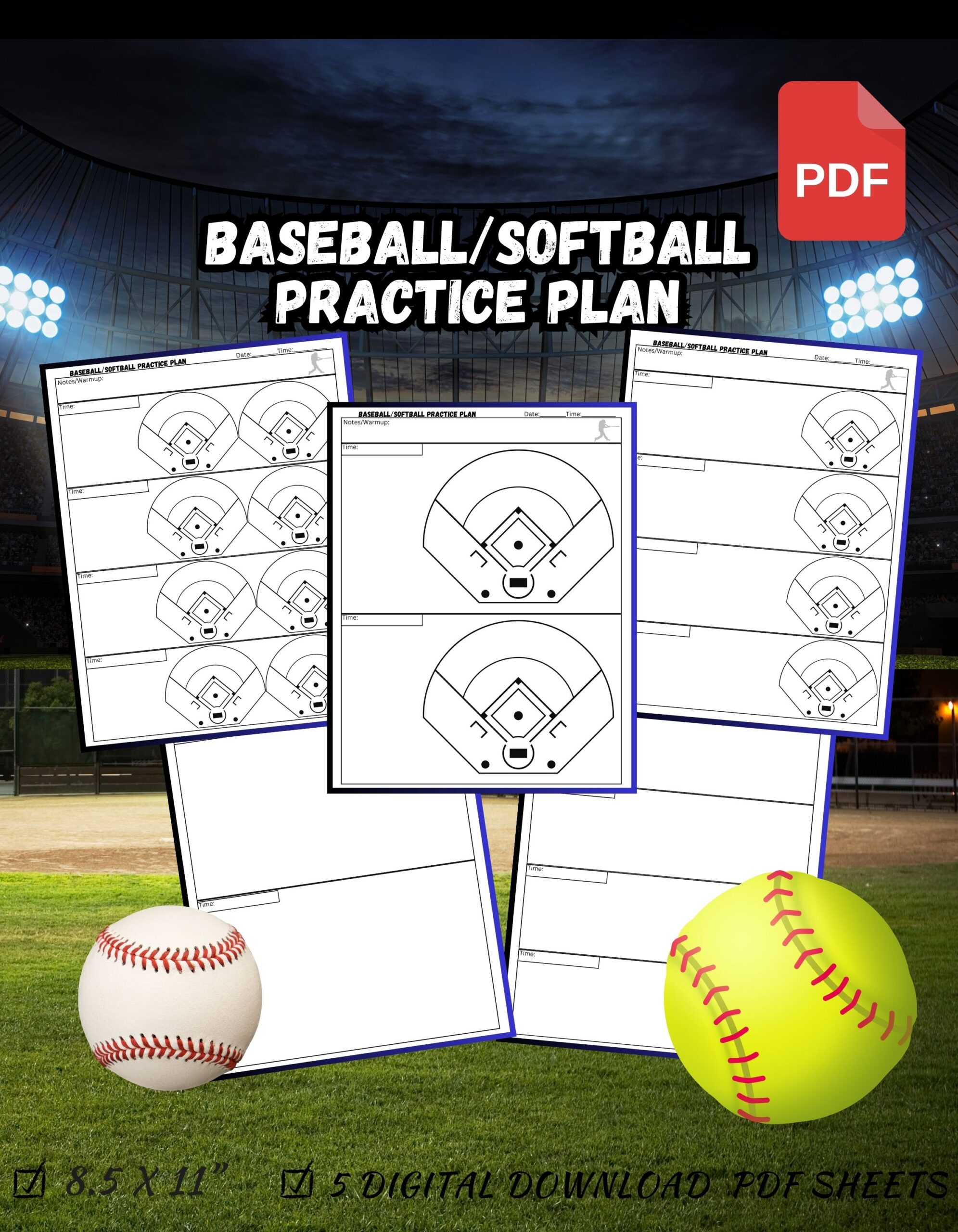
Having a clear and detailed practice plan is the first step to running a successful practice. This plan should include the objectives for each session, the drills you plan to use, and how you will transition from one activity to the next. A well-structured plan keeps the practice on track and ensures that players are always learning and developing their skills.
Take the following into account when creating your practice plan:
- Identify the key skills you want to focus on during the practice.
- Plan drills that target these skills effectively.
- Include a mix of individual and team activities to promote skill development and teamwork.
“A good practice plan is like a roadmap. It guides you through the session and ensures you reach your destination: a more skilled and confident team.”
Setting Goals for Each Practice
Setting clear, achievable goals for each practice session is crucial. These goals give the practice direction and purpose, allowing players to focus on specific skills and areas for improvement. Goals can vary from mastering a new technique to improving team communication.
Selecting Drills for Player Improvement
It’s crucial to select the correct drills for player improvement. Drills should be difficult but not impossible, encouraging players to better themselves while maintaining their enthusiasm. Think about including a range of drills that focus on different abilities, such as hitting, fielding, and throwing.
Finding the Right Mix of Drills and Games
“The perfect practice includes a mix of drills and games. Drills help develop skills; games help build confidence.”
Striking the right mix between drills and games is critical. Drills are essential for developing skills, but games give players the chance to put these skills into practice in a fun and competitive setting. This mix keeps practices interesting and helps to reinforce the skills being learned. For more tips on creating effective practices, check out 3 Tips to Run a Fun, Effective Practice.
One way to strike this balance is to devote the first half of practice to drills and the second half to small-sided games or scrimmages. This way, players get the chance to apply their skills in game-like scenarios, which can help them better understand and feel more confident about what they’re doing.
Keeping Players Active
One of the hardest parts of youth baseball practice is keeping downtime to a minimum. If players are left waiting for their turn for too long, they can easily lose interest. To make sure all players stay involved, it’s important to plan practices that reduce time spent not doing anything. Consider incorporating mini wiffle ball drills to keep the energy high and players engaged.
It’s very effective to use quick-paced stations. Split the practice field into various stations, each concentrating on a particular skill or drill. Players cycle through the stations in small groups, making sure everyone is participating and engaged.
Boosting Player Involvement and Knowledge
It’s crucial to keep players involved for a practice session to be successful. When players are actively participating, they learn more efficiently and find the practice session enjoyable. Player involvement can be increased by changing up the activities and adding elements of enjoyment and competition.
Keeping the players engaged can be accomplished by mixing drills and games. Drills provide the players with the necessary repetition they need to master their skills. Games, on the other hand, provide a fun and competitive environment for the players to apply those skills.
Here are some tips on how to run a youth baseball practice:
- Keep drills short and sweet to keep players on their toes.
- Play mini-games that mimic real game scenarios to help players apply what they’ve learned.
- Switch up player positions to keep things interesting.
Lastly, keeping things fresh and fun will help maintain player interest and enthusiasm. Players are more likely to stay engaged when they’re not doing the same drills over and over again.
Making Drills Fun
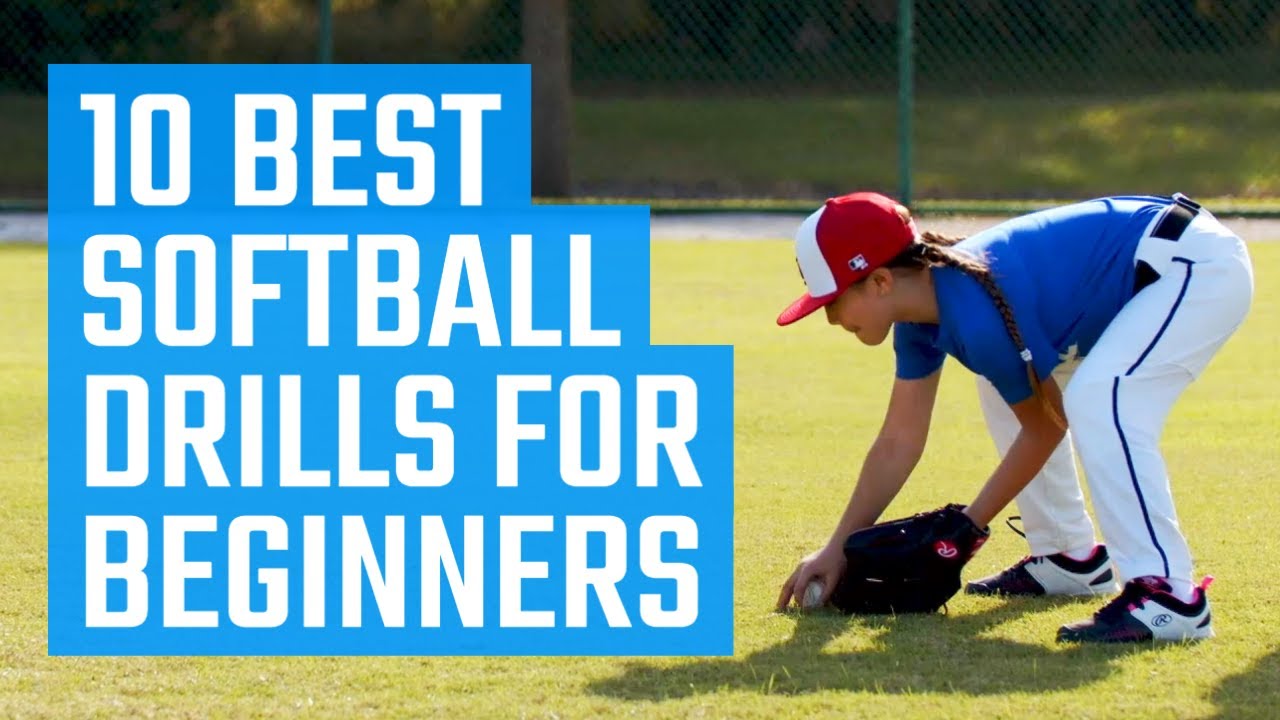
Turning drills into fun games can make practice enjoyable for young players. By adding fun to drills, you can keep the energy and excitement levels high throughout practice.
Use Games and Challenges to Increase Excitement
Adding games and challenges can increase excitement and keep players engaged. Healthy competition encourages players to work harder and aim for progress. For more ideas on how to keep your team motivated, check out these youth baseball practice drills.
Allowing Players to Select Drills
Letting players have a voice in the drills and activities can greatly enhance their involvement. When players get the chance to pick what they want to improve on, they feel more committed to the practice. For some great ideas, check out these youth baseball practice drills.
Think about allowing players to choose the drills or games they want to participate in. This not only gives them a sense of power but also makes them feel more involved in their own learning.
Fostering Team Spirit and Fair Play
Aside from honing skills, baseball practice is a chance to foster team spirit and fair play. These traits are key to creating a positive team atmosphere and nurturing a passion for the sport.
Building Strong Communication Skills
Whether on the field or in the dugout, good communication is vital in baseball. Encourage your players to communicate during drills and games, calling out plays, and cheering each other on. This not only helps their game but also builds team unity.
Building a Positive Team Environment
Encourage your players to create a positive team environment by teaching them the importance of respect and encouragement. When you see acts of good sportsmanship, like a player helping a teammate or congratulating an opponent on a good play, recognize and reward them. For more ways to improve your team’s dynamics, explore our youth baseball training videos.
Building a supportive and positive environment can create a strong team dynamic where players feel valued and motivated to give their all. For more insights on fostering such an atmosphere, check out these youth baseball coaching tips.
Modifying Practice Techniques to Suit Various Age Groups
Modifying your practice techniques to fit the age and skill level of your players is crucial. Younger players have different needs and attention spans than older, more experienced players.
With a personalized strategy, you can make sure every player, no matter their age or ability, gets the most out of their practice.
Tips for Coaching Younger Players (Ages 5-8)
When coaching younger players, it’s important to focus on basic skills and introduce the fundamentals of the game in a way that’s fun and engaging. Keep drills short and mix them up to keep their attention and enthusiasm high.
Coaching Tips for Intermediate Players (Ages 9-12)
At this age, players can handle more complex drills and game situations. The focus should be on developing specific skills and strategies, while still incorporating elements of fun and competition.
Examining and Tweaking Your Practice Techniques
It’s important to regularly examine and tweak your practice techniques in order to keep improving. By figuring out what’s successful and what’s not, you can make educated adjustments to make your practices more effective.
Getting Input from Players and Parents
Ask players and parents for their thoughts to gain a better understanding of the practice experience. Find out what they like and what they find difficult. You can use this input to make changes to your practice plans as needed.
Make sure to foster an environment where players are free to speak their minds and offer their ideas.
Think about utilizing surveys or casual conversations to gather feedback. This not only aids in the enhancement of your practices, but also demonstrates to players and parents that their views are respected.
- Always check how well your drills and activities are working.
- Don’t be afraid to try out new methods and strategies.
- Change your practice plans according to what you see and hear from your team.
By always checking and changing your practice plans, you can make sure your team is always getting better and moving forward.
Gauging Improvement Through Watching
When it comes to youth baseball, gauging improvement is as much about watching as it is about numbers. Pay attention to how the players respond in various scenarios, how they deal with wins and losses, and how their abilities develop over time. Make a mental note of advancements in method, speed, and comprehension of the game. These observations offer priceless information into each player’s growth.
Not only should you watch your players during practice, but also during games. Are they using the skills you taught them? Are they making better choices when they play? Use what you see to plan your next practices. You can work on the areas that need to be better and keep doing the things they are good at.
Wrapping Up on Efficient Practice
Planning, creativity, and a focus on skill development and fun are all necessary for a successful youth baseball practice. When players are engaged and enjoying themselves, they learn better and develop a deeper passion for the game. As a result, finding the right mix of drills, games, and team-building activities is critical.
The Effect of Regular, Exciting Practices on Player Development
Regular, exciting practices can greatly affect player development. They boost self-esteem, improve abilities, and create a feeling of friendship among team members. When players feel encouraged and tested, they tend to push their limits and achieve their best.
Fostering a Lifelong Passion for Baseball
At the end of the day, youth baseball practice should be about fostering a lifelong passion for the sport. By cultivating a positive and supportive atmosphere, you can help players develop a love for baseball that will stick with them for the rest of their lives. Encourage them to enjoy themselves, take chances, and learn from their errors. This mentality not only improves their abilities, but also ingrains a love for the sport that goes beyond the diamond.
- Always keep your practice plans up-to-date to keep them interesting and applicable.
- Promote open dialogue with both players and their parents.
- Recognize achievements and constructively tackle any issues that arise.
By concentrating on these principles, you can create a practice environment that motivates and enables young athletes. For more insights, check out these youth baseball coaching tips.
Common Questions
When you’re coaching youth baseball, you’re bound to have a lot of questions. Here are some of the most common ones, along with some answers to help you run more effective practices.
How can I create a successful youth baseball practice?
Begin with establishing distinct objectives for each practice. Design drills that emphasize these objectives and incorporate a variety of individual and group exercises. Maintain an orderly practice and make certain that all players are involved and active for the duration of the practice.
What are some enjoyable drills for youth baseball players?
Consider drills like “Around the Horn,” where players practice throwing accuracy in a fun relay format, or “Home Run Derby,” where players take turns hitting for distance. These drills are not only enjoyable but also help develop key skills.
What can I do to keep kids interested during practice?
Keep things fresh by changing up the activities and adding games and challenges. Let the kids pick some drills and urge them to set their own goals. Make sure practices are fun and engaging to keep their attention.
What is the recommended duration for a youth baseball practice?
Generally, a youth baseball practice should be around 60 to 90 minutes long. This time frame allows for warm-ups, drills, games, and cool-downs, all without tiring out the young athletes. For tips on effective practice drills, you might find these youth baseball training videos helpful.
What gear should I bring to a youth baseball practice?
Make sure to bring baseballs, bats, gloves, helmets, bases, and any other gear needed for your drills. Being prepared with all necessary gear before practice starts helps reduce wasted time and keeps the practice on track. For additional tips on youth baseball coaching, check out our guide to help hitters reach their full potential.
What is the best way to manage different skill levels within a team?
By implementing a combination of group and individualized drills, you can accommodate a variety of skill levels. Encourage peer learning by pairing more advanced players with those who are less experienced. Tailor the difficulty of drills to make sure all players are adequately challenged.
“Pairing experienced players with newcomers encourages peer learning and builds a stronger team dynamic.”
What is the best way to introduce competitive elements rigorously?
Incorporate small-sided games and challenges that simulate real-game situations. Encourage healthy competition by setting goals and rewarding achievements. Ensure that the focus remains on learning and improvement rather than just winning.
How can I foster a sense of team spirit and fair play among young players?
Stress the importance of treating each other with respect and communicating effectively both on and off the pitch. Point out instances of good sportsmanship and team spirit during training sessions. Give players the chance to collaborate and help each other towards shared objectives.

Leave a Reply