Baseball and softball are more than just games. They’re chances for young players to learn, develop, and excel. Whether your kid is a beginner or has been playing for some time, the appropriate hitting program can significantly improve their skills. Let’s explore how these programs can enhance your child’s abilities and self-assurance on the field.
Key Points
- Baseball hitting programs can enhance your child’s batting average and power.
- Programs emphasize mechanics, bat speed, and strength to improve performance.
- Selecting the appropriate program depends on age, skill level, and specific goals.
- Regular practice at home augments the advantages of structured programs.
- Parental support and coaching are essential for optimizing program benefits.
Advantages of Baseball Hitting Programs for Kids
Baseball hitting programs provide a structured approach to developing crucial skills. They’re created to instruct kids on how to consistently make contact with the ball and increase their power at the plate. These programs are not merely about swinging harder but swinging more intelligently. By concentrating on the basics, young athletes can enhance their batting averages and derive more enjoyment from the game.
- Enhances the coordination between the hand and the eye.
- Provides instructions on the correct stance and grip for batting.
- Promotes the development of strategic thinking about pitches.
In baseball, consistency is everything. When children learn to hit the ball consistently, they gain confidence. They become more relaxed at the plate, which leads to improved performance in games. This consistency is a result of mastering the fundamental mechanics of hitting, which is a major emphasis in most programs.
Learning to Hit the Ball Consistently
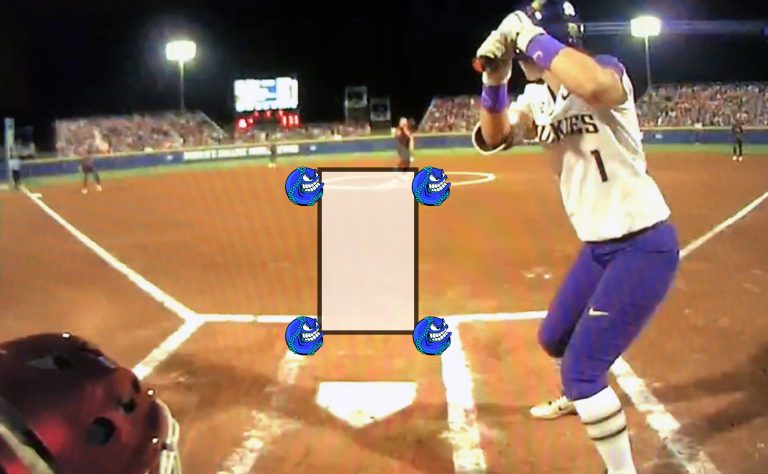
Learning to hit the ball consistently is a basic skill. This involves knowing how to stand, where to hold the hands, and when to swing. Children learn to predict where the ball will go, which lets them hit the ball more accurately more frequently. For more on developing these fundamental skills, check out teaching how to hit a baseball effectively.
Enhancing Strength Through Correct Methods
Strength isn’t solely about swinging forcefully. It’s about applying the correct methods to transfer energy from the body to the bat. Hitting programs instruct children on how to use their legs, hips, and core to produce strength. By learning to swing with their entire body, children can hit the ball further and with more force.
One of the most significant benefits of these methods is injury prevention. When kids use the right swing, they’re less likely to pull a muscle or overwork themselves. As such, hitting programs offer a safe way to boost power and ensure kids can play for many healthy years.
Instilling Self-Assurance in Young Athletes
Self-assurance in the game is as crucial as physical ability. When children are aware that they can connect and hit with force, they approach each at-bat with an optimistic attitude. This self-assurance frequently results in improved performance, as children are less likely to doubt themselves or experience anxiety during matches.
Furthermore, the support and advice from coaches in hitting programs can be priceless. Children not only learn how to get better, but they also learn how to deal with obstacles and disappointments. This ability to bounce back is a useful life skill that goes beyond the baseball field.
Essential Elements of Successful Hitting Programs
A successful hitting program integrates multiple essential elements to aid young athletes in their improvement. These elements consist of perfecting basic mechanics, boosting bat speed, and adding strength and conditioning workouts.
Essential Batting Techniques
It is important to grasp and practice the basic techniques of batting. This includes learning the correct stance, grip, and swing path. In batting programs, coaches emphasize these essentials, making sure kids have a solid base to grow from.
Exercises to Boost Bat Velocity
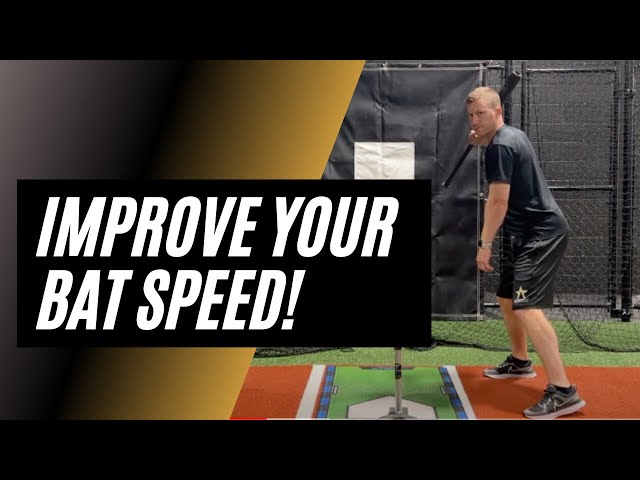
For successful hitting, bat speed is crucial. The quicker the bat travels, the more force is exerted on the ball. Hitting programs frequently contain special exercises to boost bat speed. These exercises assist children in developing quick hands and enhancing their reaction times, which are vital for making solid contact.
Workouts for Power and Endurance
Being physically strong is a key factor in a player’s hitting success. Hitting programs often include workouts to build power and endurance. These workouts target the core, legs, and upper body, which are all critical for generating force in a swing. For more insights on improving your swing, explore tools for hitting that can enhance your training.
When kids take part in these workouts, they not only get stronger, but their overall athleticism also gets better. This could result in improved performance in other parts of the game like fielding and base running.
Getting to Know the Various Program Styles
As you choose a hitting program for your young one, it’s crucial to be aware of the various styles on offer. Some programs are created with novices in mind, concentrating on rudimentary abilities and core mechanics. Meanwhile, others are tailored for more seasoned players, highlighting intricate methods and game plans.
There are also advanced programs that concentrate on individual aspects of hitting, such as enhancing bat speed or refining pitch recognition. These programs can be incredibly useful for players who have a strong grasp of the fundamentals and are ready to elevate their game.
Checking Out the Program’s Credentials and Success Rates
Before signing your child up for a hitting program, you should spend some time checking out the program’s credentials and success rates. You should look for programs that are run by experienced coaches who have a track record of helping young athletes get better. You should also look for testimonials from parents and players, as these can give you a good idea of how effective the program is.
Looking at the track record of past participants can give you a good idea of how successful a program is. Programs that consistently produce players who go on to do well at higher levels of play are usually a safe bet. Don’t be shy about asking program coordinators about their success stories and how they gauge improvement in their participants.
Choosing the Right Program for Your Child’s Age and Skill Level
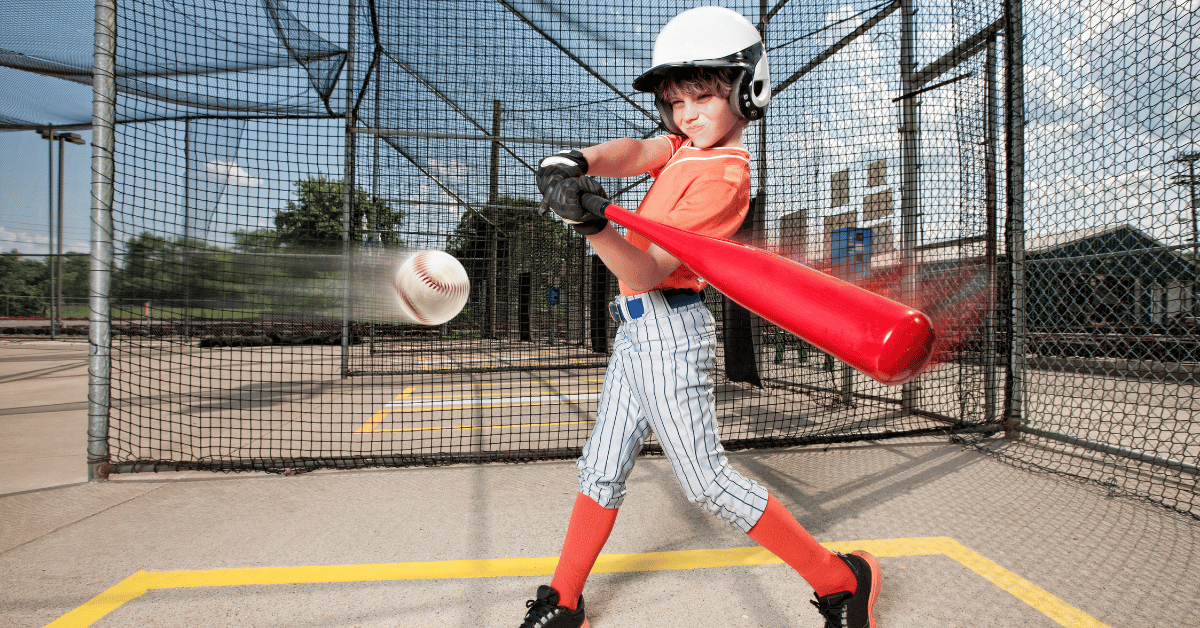
When choosing a program, it’s important to consider your child’s age and skill level. A program that focuses on basic skills and fostering a love for the game may be beneficial for younger players. On the other hand, older or more experienced players may need a program that pushes them with advanced techniques and competitive play.
Programs should also be flexible to accommodate different learning paces. Every child learns differently, so a program that can tailor its approach to individual needs is ideal. This ensures that each player can progress at a comfortable pace without feeling overwhelmed or bored.
Triumphs from Hitting Programs
There are numerous triumphs from kids who have been involved in hitting programs. A lot of young athletes have noticed huge enhancements in their batting averages and overall performance on the field. These stories emphasize the transformative effect a structured hitting program can have on a player’s growth.
Take Sarah, a young player, for instance. She used to have a hard time hitting the ball consistently. But after she started a hitting program, she learned how to change her stance and get her timing right. In just a few months, her batting average shot up, and she became one of the best hitters on her team.
Actual Increase in Batting Averages
It’s not uncommon for kids who participate in hitting programs to see actual increases in their batting averages. These programs give players the tools and self-assurance they need to up their game. It’s not unusual for a kid to increase their batting average by 50 points or more, and this can have a big impact on how they perform overall and how much they enjoy playing.
Feedback from Parents and Coaches
Parents and coaches have been effusive in their praise for the effectiveness of hitting programs. They’ve seen their children improve their hitting skills and grow in their confidence and passion for the game. Coaches have also found that these programs help players make more meaningful contributions to their teams.
A parent said, “My son has gained focus and determination since joining the hitting program. He’s now hitting better than he ever has, and his coach has also noticed the improvement. It’s been a real game-changer for him.”
Getting the Most Out of Hitting Programs
For a hitting program to be truly effective, it’s crucial to pair structured classes with at-home practice. Regular practice not only reinforces what children learn during their classes but also gives them the opportunity to try out new techniques in a familiar setting.
Carve out a few hours every week for your kid to work on their swings and drills. You can use a tee or soft toss to help them concentrate on hitting the ball consistently. Make sure they also work on their stance and grip, putting what they learned in their program into practice.
Moreover, maintaining a cheerful disposition and offering support can enhance your child’s drive and pleasure in the sport. Applaud their advancement and remind them that getting better requires time and hard work.
Making Practice a Part of Home Life
One of the best ways to get the most out of hitting programs is to make practice a part of your child’s daily life at home. You can create a safe practice area in your backyard or garage where your child can continue to hone their skills. Using tools like a batting tee, soft toss, or a net, your child can practice safely at home.
Push your child to practice often and set objectives for each session. They could, for instance, aim to hit the ball a certain number of times or concentrate on increasing their bat speed. By establishing objectives, they can monitor their progress and remain driven.
How Coaching and Parental Support Contribute
When it comes to hitting programs, the role of coaching and parental support is vital to a child’s success. Coaches guide players, giving feedback that helps them improve their techniques and increase their confidence. On the other hand, parents can provide the encouragement kids need and foster a supportive environment for practice at home.
As a parent, it’s important to stay engaged in your child’s development and maintain open lines of communication with their coaches. Show up to practices and games to cheer your child on and provide positive feedback. This involvement not only helps to improve your child’s skills, but it also strengthens your relationship through shared experiences in the sport.
Commonly Asked Questions
Parents and young athletes alike often have questions about hitting programs. Here are some of the most frequently asked questions and their answers to help you make the best decision possible.
At what age should a hitting program be started?
Most hitting programs can be started when a child is as young as 7 or 8 years old. This is because at this age, children have developed the basic motor skills that are needed to learn the fundamentals of hitting. Starting early helps to instill good habits and techniques that will benefit them as they grow and progress in the sport.
But, it’s never too late to get started. Older children can also reap the benefits of hitting programs, particularly if they’re looking to hone their skills or focus on particular areas of improvement.
How frequently should my child be practicing their swing?
Regular practice is essential. Ideally, children should be practicing their swing 3 to 4 times a week. Each session doesn’t have to be lengthy; even 20-30 minutes of concentrated practice can make a big difference over time.
Remind your little one to prioritize efficiency over excessiveness. Shorter, but more productive practice sessions are better than long, but unproductive ones. Consider using beginner drills and practice plans to make the most of their training time.
Can these programs be used for both softball and baseball?
Indeed, the majority of hitting programs are created to aid both baseball and softball players. Although there are some differences in the way pitches are thrown and the size of the bats in the two sports, the basic mechanics of hitting are identical.
Programs frequently modify drills and techniques to meet the unique needs of softball players, making sure they enjoy the same advantages as those who play baseball.
What gear do I need to practice at home?
To practice at home, you’ll need some basic gear:
- A batting tee: This helps kids practice their swing mechanics and make consistent contact.
- A bat: Ensure it’s the right size and weight for your child’s age and skill level.
- Baseballs or softballs: Use these for tee work or soft toss drills.
- A net or backstop: This catches balls during practice, making it easier to retrieve them.
Optional equipment includes a soft toss machine or a hitting net, which can provide additional practice options and help simulate game-like scenarios.
What is the typical timeframe for seeing progress?
The timeframe for progress can be different for each child and is also dependent on how often they practice. Some children may start to see progress in a matter of weeks, while others may take a few months. The important thing is that they are practicing regularly and applying what they learn from the program.
Do these programs help prevent injuries?
Yes, they do. Hitting programs teach correct mechanics and focus on conditioning, which can help decrease the chance of injuries. When kids learn the right way to swing, they are less likely to pull muscles or develop habits that could result in injuries.
Many programs incorporate strengthening exercises that help build the muscles necessary for a healthy swing, further reducing the risk of injury. For more information on effective training methods, check out these softball and baseball tools for hitting.
Do kids need a pro coach, or can parents handle it?
Pro coaches are great because they know a lot and can guide your kid, but parents can help their kids get better, too. There are lots of programs that give parents resources and tips to help their kids practice at home.
In the end, a blend of expert coaching and parental engagement can lead to a comprehensive method for enhancing a child’s batting abilities.
How can you tell if the program is working?
You’ll know the hitting program is working if you see higher batting averages, more self-assuredness when batting, and a better grasp of how to hit. Kids in these programs tend to show more concentration and drive during games.
Moreover, if coaches and teammates are noticing a difference, that’s a good sign that the program is working.
When you choose to invest in a baseball hitting program, you’re equipping your child with the tools they need to excel in the sport and enjoy it for many years. Keep in mind that the journey is just as important as the destination, and every swing they take is a step closer to achieving their goals.

Leave a Reply