Key Takeaways: Adapting Strategies for Pitch Velocity in Youth Sports
- Knowing the different pitch speed categories can help young athletes better anticipate and react to various pitches.
- Adjusting timing is crucial for maintaining consistent hitting against different pitch speeds.
- Increasing bat speed can greatly improve a player’s ability to adapt to fast pitches.
- Environmental elements, such as weather and field conditions, can influence pitch velocity and should be taken into account during practice.
- Using pitching machines and video reviews can be effective ways to improve pitch recognition and adaptation skills.
Recognizing Pitch Velocity Variations
In youth baseball and softball, being able to adapt to pitch velocity is an essential skill. It’s not just about hitting the ball; it’s about understanding the subtleties of each pitch and making the necessary adjustments. Recognizing variations in pitch velocity can mean the difference between striking out and hitting a home run.

How It Changes the Game
The speed of the pitch can significantly change the game’s dynamics. A fast pitch can scare hitters, while a slower pitch can mess up their timing. This variation keeps the game fun and challenging. For young athletes, it’s important to understand how the speed of the pitch affects the game for their growth.
Grasping the Different Types of Pitch Speeds
There are generally three types of pitch speeds: fast, moderate, and slow. Fast pitches in youth leagues usually go over 70 mph and require players to have quick reflexes and a good eye. Moderate pitches, which range from 50-70 mph, demand good timing and concentration. Slow pitches, which are typically under 50 mph, can be tricky and require patience.
Young players can better anticipate the type of pitch coming their way by familiarizing themselves with these categories. For example, if a pitcher is known for their speed, a batter might adjust their stance and grip to prepare for a faster pitch.
- Fast Pitches: These require quick reflexes and perfect timing.
- Moderate Pitches: These need a high level of focus and timing adjustments.
- Slow Pitches: These often call for patience and a strategic approach.
Environmental Factors That Impact Velocity
In addition to the pitcher’s skill, there are several environmental factors that can impact pitch velocity. Wind speed and direction, humidity, and even the type of baseball or softball used can impact how fast or slow a pitch travels. For example, a strong headwind might slow down a pitch, while a tailwind could speed it up.
Grasping these elements can provide a competitive advantage for young athletes. Coaches should instruct their players to be aware of the weather conditions during training and games, as these factors can greatly affect the pitch.
Difficulty in Adapting to Changes in Pitch Speed
Changes in pitch speed can be difficult to adapt to. Young players often have a hard time with timing and adjusting their swing. But with practice and the right strategies, these difficulties can be overcome.
The Significance of Adjusting Timing
In baseball and softball, timing is everything. A swing that is perfectly timed can transform a fast pitch into a powerful hit. However, keeping your timing consistent can be challenging when pitch speeds fluctuate. Players have to learn how to adjust their timing according to the speed of the pitch.

A good way to adjust to different pitch speeds is to practice with a metronome or rhythm exercises. This can help players develop a sense of timing that they can adjust to match the speed of different pitches. Another strategy is to pay close attention to the pitcher and look for cues that indicate what type of pitch is being thrown.
Typical Batting Errors Resulting from Altered Pitch Speeds
Youthful athletes dealing with different pitch velocities frequently make typical errors like swinging prematurely or belatedly. This can cause missed chances and annoyance. To tackle this, the emphasis should be on equilibrium and regulation during the swing.
Teaching players to keep their eyes on the ball at all times is also important. This enables them to judge the speed and direction of the pitch, which in turn improves their timing and contact. Regularly practicing with pitches at various speeds can help players modify their swings and enhance their overall batting performance.
Useful Tactics for Adapting to Changes in Pitch Speed
Having covered the basics, we can now explore some useful tactics that can assist young players in adapting to changes in pitch speed. These tactics are centered around enhancing fundamental skills that are vital for succeeding in baseball and softball, such as hitting balance and weight transfer.
Improving Bat Speed
Bat speed is crucial for successful hitting. The faster the bat speed, the better players can connect with the ball, especially when dealing with fast pitches. To improve bat speed, players need to concentrate on strengthening their wrists, arms, and core muscles.
Strength-building exercises like swinging a weighted bat or using resistance bands can be beneficial. Proper swing mechanics should also be practiced, as a well-executed swing can naturally increase bat speed. For more tips, check out this swing consistency improvement guide.
Training with a Range of Pitch Speeds
One of the best ways to prepare young players for a variety of pitch velocities is to train with a range of pitch speeds. This method gives players exposure to all the different speeds they might face during a game. By replicating different pitching situations, players can build a more adaptable hitting strategy.
By using pitching machines, coaches can change the speed and kind of pitches thrown in practice. This not only improves reaction time but also helps players develop their ability to identify and adapt to different pitches. Regular exposure to different speeds will boost a player’s confidence and preparedness for real-game situations.
The Importance of Coaches and Parents in Adapting
Coaches and parents are critical to a young player’s ability to adapt to changes in pitch speed. The support and guidance they provide can greatly impact a player’s skill development and self-assurance. For instance, understanding how to hit a baseball effectively can be a game-changer in building confidence and improving performance.
Coaches need to prioritize creating a well-rounded practice routine that includes exercises for enhancing timing, bat speed, and pitch recognition. It’s crucial to offer a combination of technical coaching and positive feedback to keep players inspired and involved.

“The most important thing for a player’s development is a supportive environment where they feel they can make mistakes without fear.”
Meanwhile, parents can help solidify these skills at home by encouraging their kids to practice and providing emotional support. Being there for games and practices, giving constructive criticism, and celebrating victories, no matter how small, can help increase a child’s confidence and love for the sport.
Offering Helpful Criticism
Helpful criticism is a useful method in aiding young athletes to better their abilities. It involves pointing out areas that need work while also recognizing what the player is already doing right. This even-handed method stops players from getting disheartened and helps them concentrate on particular abilities that require improvement.
When providing feedback, it’s crucial to be precise. Instead of saying, “You need to improve your hitting,” you might say, “Concentrate on watching the ball and modifying your swing timing.” This gives the player a clear idea of what they need to improve.
Building an Encouraging Practice Atmosphere
Coaches should work to create a practice atmosphere where players feel comfortable making mistakes and learning from them. This environment should be one where teamwork and encouragement are fostered, and players can support and celebrate each other’s successes.
Moreover, adding different and enjoyable drills can make practice sessions more interesting and fun. When players are excited about practice, they are more likely to work hard to enhance their skills.
Using Tech to Adapt
Technology can be a great tool to help players adapt to different pitch speeds. Things like pitching machines and video analysis can provide a more well-rounded training experience.
Getting the Most Out of Pitching Machines
Pitching machines are a fantastic way to mimic real game situations. They give coaches the ability to adjust the speed, angle, and type of pitch, which lets players practice against a variety of different situations. This consistent and controlled setting is great for helping players build muscle memory and work on their timing. For more tips on improving pitching accuracy and control, explore additional resources.
- Adjust the machine to change speeds randomly to simulate the unpredictability of a real game.
- Use it to practice specific pitches, like fastballs or curveballs.
- Urge players to concentrate on timing and making solid contact with the ball.
Consistent practice with pitching machines can greatly enhance a player’s ability to adapt and their confidence when up against live pitchers.
Using Video Reviews to Evaluate Performance
Video reviews are a great way to pinpoint areas that need improvement. When games and practices are recorded, players can watch their performance, see where they went wrong, and figure out what changes need to be made. Seeing themselves play allows players to get a better handle on their swing mechanics and timing.
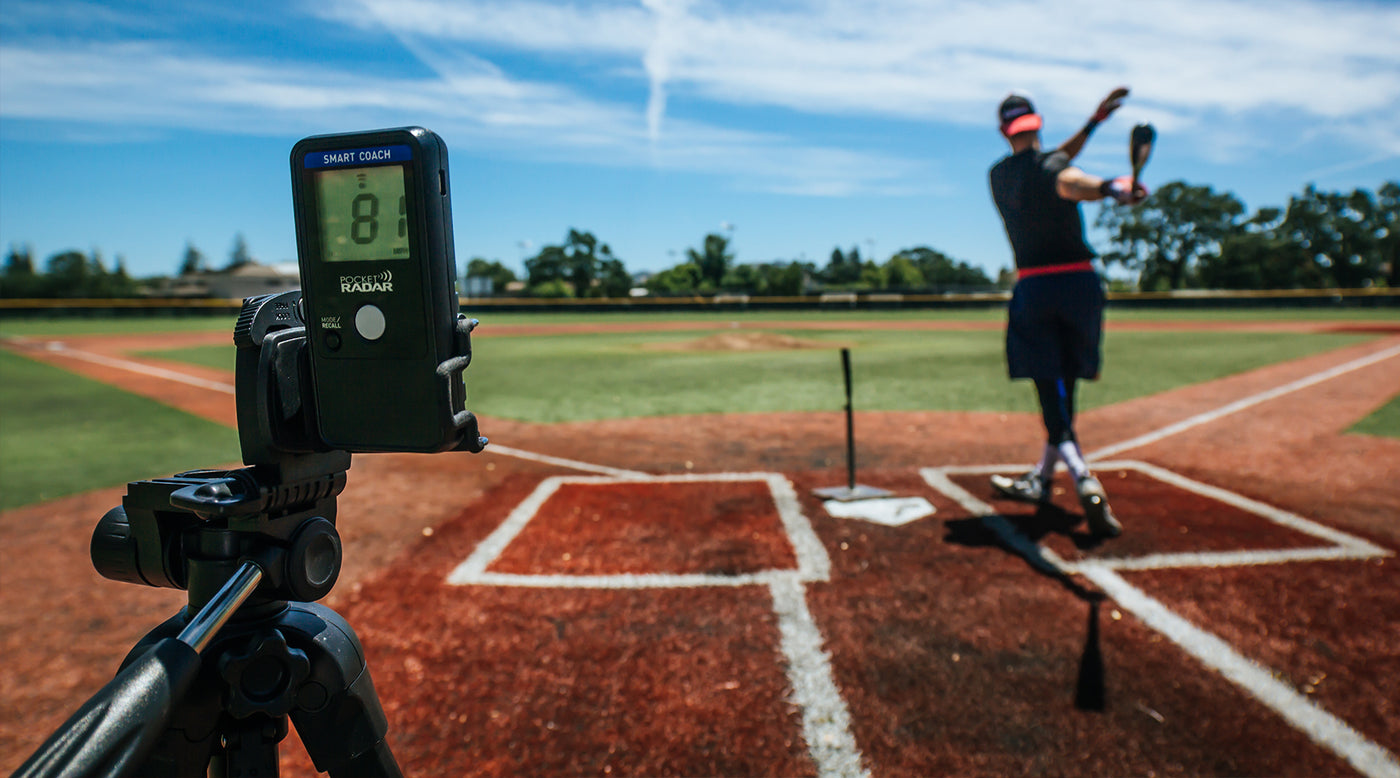
By utilizing video reviews, coaches can offer comprehensive feedback, highlighting the exact areas players need to work on. This form of visual feedback can often be more beneficial than simply verbal feedback as it gives players the opportunity to visually see what they need to adjust.
Building Mental Strength and Self-Assuredness
Adjusting to changes in pitch speed isn’t only a physical test; it’s also a mental one. Cultivating mental strength and fostering self-assuredness are vital for youth to excel in baseball and softball.
Imagery Techniques
Imagery is a method in which players mentally practice their performance before a game or practice. By imagining themselves successfully hitting different pitches, players can increase their confidence and decrease their anxiety. This mental practice prepares them for real-world situations and improves their focus and determination.
Developing Resistance to Stress
Stress is a natural part of sports, and learning to deal with it is a useful skill. Teaching young athletes to stay cool and collected under stress will help them perform better in high-pressure situations. Encouraging deep breathing exercises and positive self-talk can help players manage stress and maintain focus during games.
Building resilience also involves learning from failures and setbacks. By understanding that mistakes are part of the learning process, players can develop a growth mindset that empowers them to keep improving.
Next Level Skills: More Complex Techniques
For athletes who have already nailed down the basics, more complex techniques can help them better adjust to changes in pitch speed. These techniques focus on refining skills and adding more complex strategies to their training.
Integrating Biomechanics into Practice
Grasping the concept of biomechanics can significantly boost a young player’s skill in adjusting to pitch speed. Biomechanics is the study of body movement and its impact on performance. By concentrating on the right form and mechanics, athletes can enhance their swing effectiveness, resulting in improved timing and ball contact.
By breaking down a player’s swing into its individual components, such as grip, stance, and follow-through, coaches can use biomechanics to pinpoint areas that need work. This attention to detail can help players hone a swing that is both more powerful and more consistent.
Personalizing Training Programs for Young Players
Each player is different, and their training program should mirror this. Personalizing training routines based on individual requirements and strengths can assist players in adapting more efficiently to changes in pitch velocity. This individualized strategy guarantees that each player gets the attention and instruction they require to excel.
When creating training programs, it’s important for coaches to take into account the physical abilities, skill levels, and learning styles of their players. By customizing drills and exercises to fit each player, coaches can help them reach their full potential and make training more enjoyable and efficient. For more insights, you can explore how to find the best hitting course for your needs.
Common Questions
Adjusting to different pitch speeds can be challenging, and it’s not uncommon for players, coaches, and parents to have questions about the best ways to tackle it. Here are some frequently asked questions and answers to help you navigate this process, including tips on hitting a baseball effectively.
What impact does pitch speed have on a batter’s performance?
The speed of a pitch can greatly influence a batter’s performance by altering their timing and their capacity to hit the ball solidly. Faster pitches necessitate faster reactions and adjustments, while slower pitches require patience and accuracy. Grasping and adjusting to these changes is vital for consistent success at the plate.
What drills can help improve bat speed?
Players can improve their bat speed by doing drills that focus on strength and swing mechanics. This can include swinging a weighted bat, doing resistance band exercises, and practicing with lighter bats to build muscle strength and speed. It’s also important to work on proper swing mechanics to make sure that the increased speed can be used effectively in hitting.
Why is it important for young players to recognize pitches?
Recognizing pitches is important because it helps players anticipate the pitch’s type and speed, which allows them to adjust their swing. When players can recognize pitches early, they have a better chance of timing their swing and making solid contact, which can ultimately improve their overall hitting performance.
What can parents do to help their child adjust to different pitch speeds?
Parents can help their child adjust to different pitch speeds by encouraging them to practice, giving them positive reinforcement, and being present at their games and practices. Providing constructive criticism and celebrating their victories, no matter how small, can increase a child’s self-esteem and desire to get better. Additionally, parents can help by creating opportunities for practice at home, like playing catch or using a batting tee.
What technology can help improve pitch adaptation skills?
Technology, like pitching machines and video analysis, can significantly improve pitch adaptation skills. Pitching machines give players the opportunity to practice with different pitch speeds and types, while video analysis gives visual feedback on performance. These tools help players find areas they need to improve and create a more adaptable hitting strategy.
How does the environment affect the speed of a pitch?
Things like wind, humidity, and the condition of the field can affect the speed and direction of a pitch. For example, a strong wind coming from the front could slow a pitch down, while a wind from behind could make it go faster. Knowing how these factors work can help players change their strategy and play better in different conditions.
How can mental techniques help players cope with fast pitches?
Players can use mental techniques like visualization and positive self-talk to cope with fast pitches. Visualization is a mental rehearsal where players imagine themselves successfully hitting fast pitches, which helps build confidence and focus. Positive self-talk helps players stay calm and composed under pressure, which helps them keep their focus and perform at their best.
“When players adopt a growth mindset, they start seeing challenges as chances to learn and get better.”
To wrap it up, adjusting to changes in pitch velocity is a complex task that demands a blend of physical prowess, mental readiness, and backing from coaches and parents. By using efficient strategies and taking advantage of resources at their disposal, young players can improve their adaptability and increase their chances of success in baseball and softball.
As a youth baseball or softball coach, you’ll need to develop strategies to help your players adapt to changes in pitch velocity. This is a crucial skill for young athletes to learn, as it will improve their batting performance and help them become more versatile players.
One effective strategy is to use a pitching machine during practice. This allows players to get used to hitting pitches at different speeds. Start with slower pitches and gradually increase the speed. This will help players learn to adjust their swing and timing based on the speed of the pitch.
Another strategy is to have players practice hitting off a tee. This can help them develop a consistent swing, which will make it easier to adjust to different pitch speeds. Additionally, hitting off a tee can help players work on their hand-eye coordination, which is a key aspect of hitting a baseball or softball.
Lastly, encourage your players to watch the pitcher’s arm and the ball as it leaves their hand. This can give them a clue as to how fast the pitch will be. The more they practice this, the better they’ll get at predicting the speed of the pitch.
By implementing these strategies, you can help your players become more adaptable hitters. This will not only improve their performance on the field, but also their overall skill level and confidence in the game. For more insights, you can explore hitting a baseball techniques that can enhance their skills.

Leave a Reply