Summary
- Having stronger hands can result in better bat control, which is especially important for young baseball and softball players.
- Hand strength can be developed through specific exercises that focus on grip, forearm, and finger dexterity.
- Proper training with weighted bats and resistance bands can help improve both power and precision in swings.
- Regular practice, including tee work and soft toss drills, is crucial for mastering bat control.
- Preventing injuries through warm-ups and recovery is essential for maintaining athletic performance.
Better Bat Control: An Introduction
Baseball and fast pitch softball are not just about swinging the bat as hard as you can. They require precision, timing, and control. For young athletes, having stronger hands can significantly improve their performance. It’s about turning strength into accuracy, making each swing as effective as it can be.
The Importance of Hand Strength in Baseball and Softball
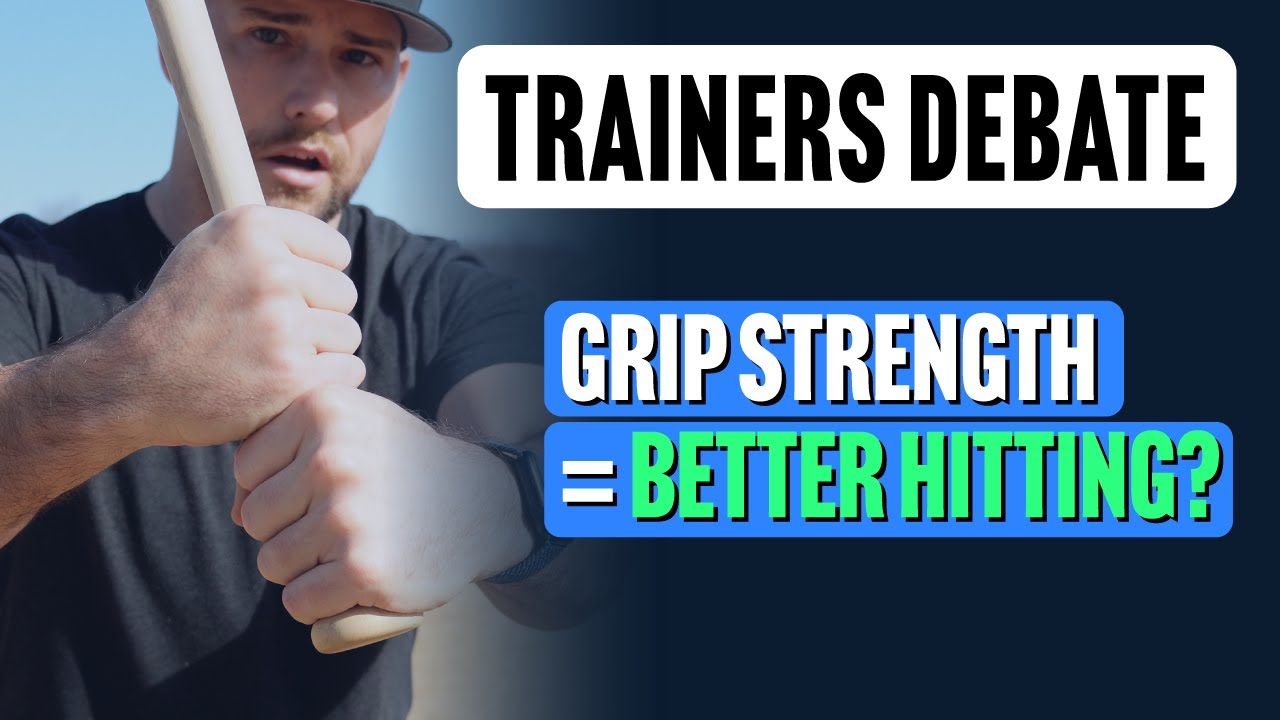
Hand strength is a crucial factor in baseball and softball. If your hands are strong, you will have better control over the bat. This means you can hit the ball more accurately and with more force. Imagine trying to hold a bat with weak hands; it would be difficult to maintain control, especially when faced with fast pitches. As a result, building hand strength should be a priority for any young athlete who wants to succeed in these sports.
Having stronger hands can also lead to a faster bat speed. As your strength increases, your bat will move through the hitting zone at a quicker pace, giving you a leg up on your competition. Additionally, it can lower the chance of injuries as stronger muscles are better equipped to handle the impact of the ball hitting the bat.
How Stronger Hands Improve Bat Control
What does it mean to have stronger hands and how does that relate to better bat control? It’s pretty straightforward: a firm grip on the bat means you have more control over where it goes. This gives you the ability to make small adjustments mid-swing, ensuring you hit the ball at the right time. Think of it like driving a car; the stronger your grip on the steering wheel, the better you can control the car’s movements. For more insights, check out this guide on hand positions and hitting.
Additionally, having stronger hands aids in keeping the bat on the correct path. It is essential to keep the bat on a consistent path to hit the ball squarely and send it in the direction you want. If your hands are weak, it becomes challenging to keep the bat on this path, resulting in missed hits and disappointment.
Workouts to Boost Hand Strength
Boosting hand strength isn’t a quick process. It takes commitment and the correct workouts. Here are some successful methods to strengthen those muscles:
Techniques to Strengthen Grip
Having a stronger grip is essential for better bat control. You can improve it by doing simple exercises such as squeezing a stress ball or using hand grippers. These are tools that are easy to get and can be used anywhere.
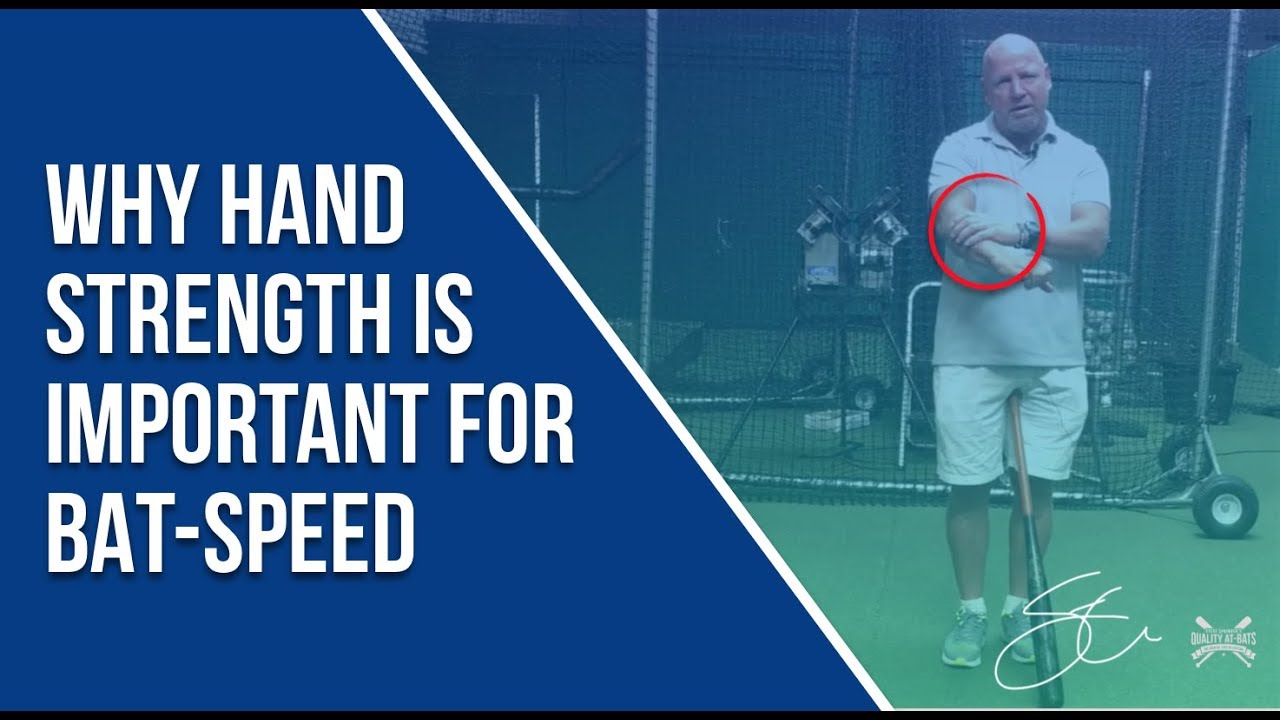
Another great method is the farmer’s walk. Carry a weight in both hands and walk a set distance. This not only makes your grip stronger but also enhances overall arm and shoulder strength. Make sure to keep a strong grip and your back straight while doing the exercise.
“Regular use of hand grippers can greatly enhance grip strength, which can lead to better performance on the field.”
Soft Toss Drills
Soft toss drills are an excellent method to enhance hand-eye coordination and improve bat control. In this drill, a coach or partner softly tosses the ball from the side, and the batter tries to make solid contact. This drill helps young athletes focus on their swing mechanics without the stress of a fast pitch.
When doing a soft toss drill, you should be in your batting stance while a partner stands a few feet from you. As the ball is thrown, make sure to keep your eyes on the ball and swing through the hitting zone. Keep your stance balanced and always follow through with each swing.
Practicing with Live Pitches
Practicing with live pitches is key to replicating the conditions of a real game. This type of practice allows youth athletes to take the skills they’ve learned in drills and apply them to a more fluid environment. During live pitch practice, work on your timing and adjust your swing to accommodate different pitch speeds and locations.
Urge young players to start with slower pitches and progressively increase speed as they grow more comfortable. This gradual progression aids in building confidence and reinforcing correct mechanics. Remember, the objective is to make consistent contact, not to hit a home run every time. For more tips on developing focus and confidence, check out this mindset training guide.
Training Tools and Equipment
Choosing the correct tools can greatly impact the success of your training. Whether it’s weighted bats or resistance bands, each tool is designed to help develop stronger hands and improve bat control.
Getting good gear doesn’t just make practice better, it also makes it safer. Here are some of the key pieces you should think about adding to your workout.
Heavier Bats
Heavier bats are made to build strength and power. When athletes swing a heavier bat during practice, they can develop the muscles necessary for a quicker swing. But it’s crucial to use them properly to prevent forming bad habits. For more tips, check out this guide on hitting techniques.
Begin with a bat that is a bit heavier than the one you normally use. Utilize it for particular drills like tee work or dry swings, where you can concentrate on keeping the correct form. You’ll start to see enhancements in both bat speed and control over time.
Strength Bands
Strength bands are versatile tools that can be used for a variety of exercises to strengthen the hands, wrists, and forearms. They’re particularly effective for building the smaller muscles that contribute to grip strength.
Resistance bands can be used in your warm-up routine to increase muscle endurance and flexibility. Simple exercises like wrist curls or finger extensions can be done with bands, which are key to better bat control.
Hand Grips and Grippers: A Tool for Strength
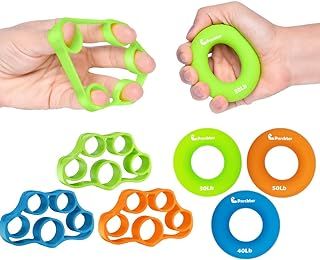
Hand grips and grippers are a great way to focus on grip strength. They offer different levels of resistance, which means athletes can gradually up the challenge as they get stronger.
Include these tools in your daily routine by doing sets of squeezes. Try to do three sets of 10-15 repetitions, slowly increasing the resistance as you get stronger. Regular use will result in a noticeable increase in grip strength.
“Using hand grippers on a regular basis not only makes your grip stronger but also assists in keeping the bat control constant during games.”
Keeping Hands Healthy and Preventing Injuries
Building strength is important, but so is keeping your hands healthy and preventing injuries. If you overuse your hands or use improper techniques, you can strain them or cause other problems. These issues can keep athletes out of the game and slow down their progress.
Why You Need to Warm Up
Before you start any physical activity, you need to warm up. This gets your muscles ready for the workout to come. It also helps increase blood flow, improve flexibility, and decrease the chance of injury. When it comes to keeping your hands and wrists healthy, you should include dynamic stretches and light exercises in your warm-up routine.
Easy exercises such as wrist rotations, finger extensions, and gentle resistance band training can adequately ready your hands for the rigors of practice or a match. Never overlook this vital phase, as it lays the groundwork for a productive workout.
Why Young Athletes Need Rest and Recovery
Recovery is a crucial part of any training regimen. After intense training sessions, it’s important to give your hands time to rest and recover. This not only helps prevent overuse injuries, but it also allows your muscles to rebuild and become stronger. For young athletes looking to enhance their skills, incorporating youth baseball hitting tips can complement their recovery process.
Make sure your little athletes take breaks during practice and get plenty of sleep every night. Eating right and staying hydrated is also key to recovery, giving the body what it needs to get stronger.
Spotting and Dealing with Hand Strain
Spotting the symptoms of hand strain early can stop more severe injuries from happening. Usual signs include pain, swelling, and limited movement. If a player shows any of these signs, it’s crucial to deal with them straight away.
Use ice to lessen inflammation and seek medical advice if the pain continues. Modifying the intensity of training and including days off can also aid in managing strain and maintaining health and performance in the long run.
Ultimately, having stronger hands results in better control of the bat. However, it’s important to balance strength training with strategies to prevent injuries. By focusing on both, young athletes can have a successful and healthy sports journey.
Final Thoughts: The Road to Improved Batting
Having stronger hands is not just a benefit in baseball and fast pitch softball; it is a requirement for young athletes who want to stand out. By improving their hand strength, players can gain better control of the bat, which leads to more reliable hits and a higher chance of success in the game. For more tips on enhancing your swing, check out these swing consistency tips.

With the right exercises, drills, and equipment, athletes can take their performance to the next level. But remember, consistency is key. The journey to better hitting is a marathon, not a sprint, and it’s a journey well worth taking. For a comprehensive guide, check out this batting skills progression for young players.
Incorporating Lessons into Regular Practice
For these enhancements to take root, it’s crucial to incorporate the lessons into your usual practice. Begin by allocating specific time every week for hand-strengthening workouts and bat control exercises. This organized approach aids in keeping concentration and monitoring improvement over time.
Additionally, get coaches and parents involved. Their support and feedback can provide valuable insights and encouragement, helping young athletes stay motivated and committed to their goals.
Continual Development of Skills
“The path to expertise is a long distance race, not a short dash. Persistent effort, paired with an eagerness to learn and adjust, results in lasting achievement.”
Accept the development of skills as a continual journey. Establish minor, attainable objectives and rejoice each achievement along the path. This method not only enhances confidence but also nurtures a passion for the sport and a dedication to ongoing improvement. For young players, incorporating baseball practice plans can be a great way to structure their development.
Remember that each athlete’s journey is distinct. Progress may differ, but persistence and commitment will always result in success.
Common Questions
Parents and young athletes frequently ask about the best ways to increase hand strength and improve bat control. Here are some typical questions and their answers.
When is the best time to start hand strengthening exercises?
Hand strengthening exercises can start as early as 8 or 9 years old, depending on the child’s physical development and interest in the sport. At this age, the focus should be on simple exercises that improve grip strength and coordination. For more tips on youth training, check out these footwork drills for young hitters.
Begin with a lower resistance and slowly increase the intensity as your child becomes stronger. This slow and steady approach ensures the exercises are safe and effective.
It’s also a good idea to talk to a coach or trainer to customize the exercises to your child’s specific needs and abilities.
How frequently should young athletes do these exercises?
To get the best results, young athletes should do hand strengthening and bat control exercises at least 2-3 times a week. Regular practice is important for developing muscle memory and improving their game.
Make sure that practice sessions are balanced, incorporating both skill development and rest to prevent overuse injuries.
Are these exercises beneficial for other sports?
Indeed, the exercises intended to strengthen hands and enhance bat control can also aid athletes in other sports. Sports such as tennis, golf, and even rock climbing necessitate strong hands and wrists. For young athletes, developing these skills can be part of a comprehensive batting skills progression plan.
These exercises help young athletes improve their grip strength and coordination, making them more versatile and athletic. This allows them to excel in various sports. For more information, check out these youth baseball hitting tips.
Are there potential dangers in using weighted bats?
Weighted bats can be useful training aids, but they need to be used properly to prevent possible hazards. Using a bat that is too heavy or practicing with incorrect technique can result in strain or injury. For those looking to improve their batting skills safely, consider exploring this batting skills progression guide for young players.
Always adhere to safety instructions and check with a coach to make sure that weighted bats are suitable for the athlete’s ability level and physical state.
How can you tell if you’ve injured yourself while training?
If you experience ongoing pain, swelling, or limited mobility in your hands or wrists, you might have injured yourself. Don’t ignore these symptoms – get them checked out to avoid making the injury worse.
“The sooner you act, the better. If the pain continues, seek medical advice and modify the intensity of your training to allow for adequate recovery.”
Adding days of rest and adequate warm-ups to the routine can help avoid injuries and keep your hands healthy. For more tips on maintaining a strong training regimen, check out these youth baseball hitting tips.
What can parents do to help with their child’s training?
Parents are vital in helping with their child’s training. They can offer motivation, assist in setting achievable targets, and make sure that training continues to be enjoyable and stimulating. For more insights, parents can explore mindset training for kids to help develop their child’s focus and confidence.
Moreover, parents can help with things like getting to and from practice and ensuring a balanced schedule that includes enough rest and recovery time.
Parents play a crucial role in creating a supportive and positive environment that helps their children succeed in sports.
Stronger Hands for Youth Baseball and Fast Pitch Softball Players Lead to Better Bat Control

Leave a Reply