Important Points
- Strong hips are essential for generating power in a baseball swing.
- Proper hip rotation can significantly improve a player’s hitting performance.
- Exercises like squats, lunges, and hip bridges build hip strength.
- Plyometric drills enhance explosive power and overall athleticism.
- Integrating hip training into practice routines can prevent injuries.
Importance of Strong Hips in Baseball
When it comes to baseball, strong hips are more than just an asset; they are a necessity. The power behind a great swing starts in the hips. For young athletes, developing this strength can make a significant difference in their performance on the field.
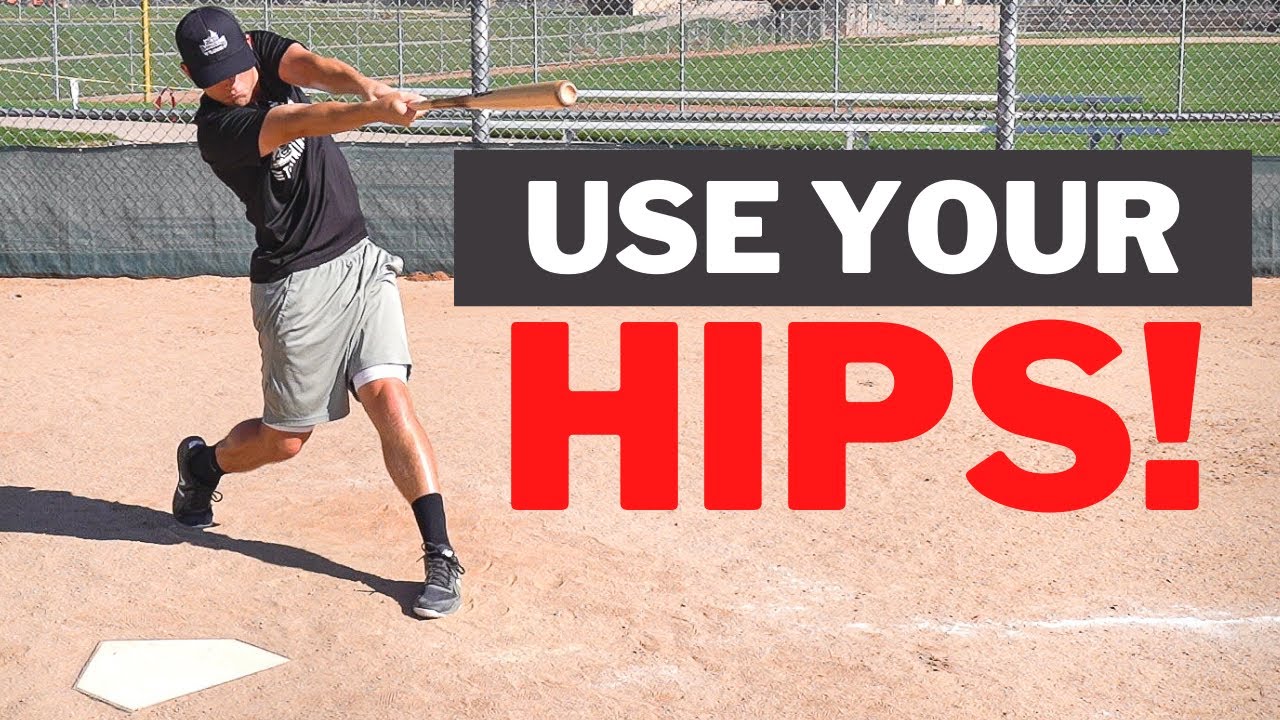
The Role of Hips in Baseball Hitting
When it comes to hitting in baseball, the strength of your hips plays a significant role. The swing starts from the hips, creating the initial force. This force then moves up the body, through the arms, and into the bat. If your hips are weak, the swing can lack power. This can make it difficult to hit the ball at the required speed and distance.
Think about it: when you see a pro baseball player, take note of how they twist their hips just before they hit the ball. That twist isn’t just for looks; it’s a key part of their hitting technique. There’s a lot that young players can learn from watching and copying this move. For more on enhancing skills, explore baseball practice plans for kids.
The Power of Hip Rotation
One of the key components to a powerful swing is hip rotation. This is the act of turning your hips towards the ball as your bat moves through the hitting zone. This rotation is crucial because it transfers energy from your lower body to your upper body, which increases the speed of your bat and ultimately the power of your hit. For more on enhancing your swing, check out these hitting mastery techniques.
Moreover, proper hip rotation can enhance a player’s balance and timing. By rotating correctly, players can sustain a stable stance, which enables them to swiftly respond to various pitches. This is key to achieving consistent contact with the ball.
The Role of Hips in Athletic Performance
Powerful hips are not just for hitting; they’re a key component of overall athletic performance. Whether it’s running bases, fielding ground balls, or throwing from the outfield, the hips are a part of nearly every move a baseball player makes. Learn more about how to use your legs in a swing to enhance your game.
Building up strength in your hips can lead to improved agility, speed, and stamina. It can also help to prevent injuries by providing better support for your lower back and legs. For young athletes, this means that they can play more intensely and for longer periods of time without putting their health at risk.
“If you want your son to have a chance at a future, you need to teach him a good rotational swing. The key to firing the hip is to create separation between the top and bottom half, creating torque.” – Coach Matt Lisle
Important Workouts for Strengthening Hips
It takes time and commitment to develop powerful hips, but with the correct workouts and a lot of dedication, young players can see a big improvement. These are some of the most effective workouts for building stronger hips and enhancing overall performance.
Squats: The Foundation for Power
Squats are the bread and butter of hip strength training. They work the quads, hamstrings, and glutes, which are all key players in strong hip action. To do a squat, stand with your feet shoulder-width apart, drop your body as if you’re sitting back into a chair, and then stand back up.
First and foremost, concentrate on keeping your form correct. Keep your back straight, your knees behind your toes, and your chest lifted. This will make sure the exercise is both effective and safe.
Adding Hip Workouts to Training
It’s important for young players who want to step up their game to include hip workouts in their regular training schedule. Concentrating on the strength of the hips can help them swing harder and become better athletes in general. Let’s talk about how to add these workouts to everyday training. For more on developing athletic skills, explore our batting skills progression guide.
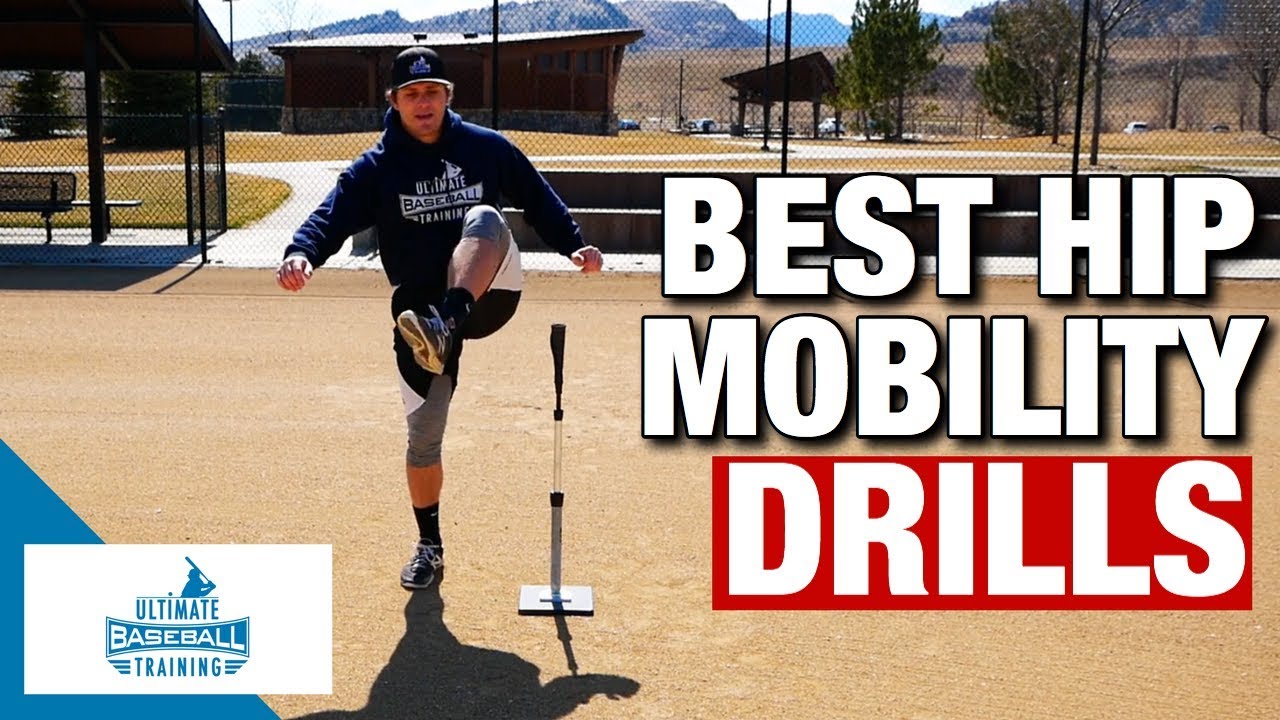
First and foremost, it’s important to note that hip training shouldn’t be something that’s just tacked on. It should be a central part of any baseball training regimen. By setting aside dedicated time for these exercises, players can see quicker improvements in their game.
Developing a Well-Rounded Exercise Regimen
For young players to build strength without straining specific muscles, a well-rounded exercise regimen is crucial. This regimen should incorporate strength-building exercises, flexibility workouts, and cardio activities. Here’s a basic blueprint to kick things off, and for more ideas, explore baseball practice plans for kids.
- Warm-up: Begin with 10 minutes of light jogging or dynamic stretching to get the muscles ready.
- Strength Training: Concentrate on squats, lunges, and hip bridges for 20 minutes.
- Flexibility: Allocate 10 minutes to stretching exercises, with a focus on the hips and legs.
- Cool Down: Conclude with 5 minutes of walking and deep breathing exercises.
Doing Drills at Home
Doing hip drills at home can give additional chances for improvement. Young players can use their time outside of team practice to perfect their skills and strengthen their bodies. Here are some drills that can be done at home:
Start with wall sits. This is a great exercise to build strength in the quads and hips. To do this exercise, pretend you’re sitting in a chair, but use a wall to support your back. Your back should be flat against the wall and your thighs should be parallel to the floor. Try to hold this position for as long as you can.
One more drill that works wonders is the single-leg balance. You just need to stand on one leg and try to keep your balance for 30 seconds. Then switch legs and do the same. This exercise is really good for improving balance and hip stability.
Keeping Track of Improvements and Modifying Workouts
Just like any workout routine, it’s crucial to keep an eye on your improvements and modify the difficulty of your workouts when necessary. Maintaining a workout diary can be a great way to observe your progress and figure out what areas need more attention. Here are a few tips on how to keep track of your progress:
- Keep track of how many reps and sets are done for each exercise.
- Make a note of any weight or resistance increases during the workout.
- Monitor changes in balance, flexibility, and overall field performance.
By consistently checking these notes, players and coaches can make educated choices about when to ramp up the intensity of exercises or add in new drills. This makes sure that the training continues to be challenging and beneficial.
Typical Errors and How to Prevent Them
Despite their best efforts, young players may sometimes make errors in their training that can slow their progress or cause injuries. Knowing what these frequent mistakes are and how to prevent them can help athletes stay on the right path. For more guidance, check out these batting skills progression tips.
Overtraining: How to Spot and Avoid Burnout
Overtraining happens when athletes overexert themselves without taking enough time to recover. This can result in fatigue, reduced performance, and even injuries. To avoid overtraining, it’s crucial to pay attention to your body and identify symptoms of fatigue, like continuous soreness or a lack of enthusiasm.
Don’t forget to incorporate days off into your workout routine and mix up the intensity of your exercises to allow your muscles to recuperate. Getting enough sleep and eating right are also essential for recovery and general wellbeing. For more on developing a balanced routine, check out these baseball practice plans for kids.
Don’t Forget to Stretch: The Significance of Flexibility
While flexibility is frequently disregarded, it is a crucial aspect of athletic achievement. Stretching aids in maintaining full joint mobility and can help prevent injuries. Include stretching exercises in your regimen, concentrating on the hips, legs, and back.
Before you start a workout, dynamic stretching can help improve your flexibility and get your body ready for physical activity. After you’re done, static stretching can help.
Why It’s Important to Have the Right Form
Incorrect form when exercising can cause injuries and make your workout less effective. It’s crucial to concentrate on having the right posture and alignment when doing any exercise. If you’re not sure about the right form, ask a coach or trainer for help.
Doing exercises in front of a mirror on a consistent basis can also assist players in self-correcting their technique and confirming that they are performing motions securely and efficiently.
Lessons from the Field: Success Stories
For a young athlete, nothing is more inspiring than seeing the results of hard work and proper training. Here are some examples of how hip strength has helped baseball players improve their performance.
Mookie Betts: Master of Hip Rotation
Mookie Betts, a big name in professional baseball, is known for his mighty swing and stellar gameplay. A key factor in his success is his robust hip rotation, a skill he honed through rigorous training and practice.
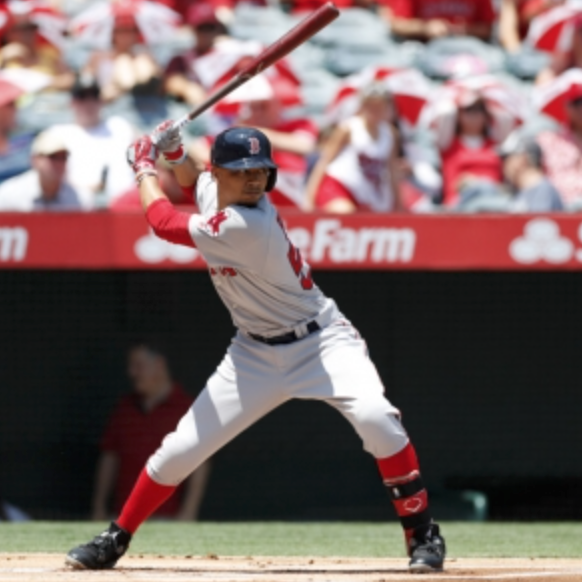
“Mookie Betts’ power comes from his hips, which is what makes him one of the most feared hitters in the league. His emphasis on hip strength and rotation is what sets him apart from his competitors.” – Coach Matt Lisle
Young athletes can learn a lot from studying Betts’ techniques and incorporating similar exercises into their training. It can help them improve their own performance and take their game to the next level.
Betts’ journey underscores the significance of hip strength in baseball, motivating players of all levels to concentrate on honing this vital part of their game.
Success Stories from Young Players
There are numerous instances of young players who have seen significant enhancements in their baseball skills by concentrating on hip strength and the correct training methods. A 12-year-old player named Jake, who had difficulty hitting the ball far, is a great example. Jake noticed a substantial improvement in his hitting power after adding hip exercises to his training regimen.
Through hard work and perseverance, Jake’s swing grew stronger, and he gained the courage to face more difficult pitches. His coach saw the change and commended Jake for his dedication and commitment to improving his game. This story shows how focused practice can lead to significant improvements on the field.
Wrapping Up: Take Your Game to the Next Level with Strong Hips
Building up hip strength can be a real difference-maker for youth baseball players who want to step up their game. Concentrating on exercises that target the hips can help players swing with more power, boost their all-around athleticism, and lower their chances of getting hurt. Whether it’s through squats, lunges, or plyometric drills, adding these exercises to regular training can lead to some pretty amazing improvements. For more insights, check out these tips on baseball hitting drills that focus on power.
- Emphasize building hip strength in your training regimen to increase power and performance.
- Include exercises such as squats and lunges to develop basic strength.
- Keep track of progress and modify the intensity of workouts as necessary.
- Avoid typical errors like overworking and incorrect form.
- Look to success stories for motivation and aim to enhance your abilities.
By committing to strengthening their hips, young athletes can take their game to the next level and reach their maximum potential in baseball. Remember, consistency and dedication are the keys to success.
Common Questions and Answers
As you start to work on improving your hip strength to better your baseball game, you might have a few questions. Here are some answers to the most common questions to help you out.
How frequently should young players work on their hip strength?
Young players should focus on strengthening their hips 2-3 times each week. This schedule gives them enough time to recover while still providing enough training to increase strength and power. It’s important to balance hip strength training with other parts of their athletic routine to ensure balanced development.
How can you tell if your hips are overworked?
Some key indicators that your hips might be overworked include constant soreness, a drop in performance, or a sudden lack of enthusiasm. If a player starts to notice these signs, it’s important to dial it back, make sure to schedule in some rest days, and maybe even lessen the intensity of the workouts. Paying attention to what your body is telling you is key to avoiding injury and keeping up progress.
Are there any exercises that can help improve hip flexibility?
Indeed, there are several exercises that are specifically designed to improve hip flexibility. Dynamic stretches like leg swings, hip circles, and walking lunges can help to increase your range of motion. Adding yoga or Pilates to your routine can also help to increase flexibility and strengthen your core.
Can hip exercises help prevent injuries in baseball?
Yes, they can. Strengthening the hips can provide better support for the lower back and legs, which can help reduce the risk of common baseball injuries like strains and sprains. By building a strong foundation of hip strength, athletes can improve their stability and balance, which are key in preventing injuries.
Should hip exercises be combined with core workouts?
It’s crucial to mix hip exercises with core workouts for optimal performance and overall athletic growth. The core and hips collaborate to generate power and keep balance during a swing. As a result, including exercises that focus on both areas can yield more successful outcomes.
How can I help my child keep the right form during exercises?
It’s important for your child to keep the right form while exercising to prevent injuries and to make sure the exercise is effective. You can have your child do exercises in front of a mirror so they can see and correct their form. You can also have them work with a coach or trainer who can give them advice and feedback on their form. Regularly going over and practicing the exercises can also help your child learn and remember the correct form.

Leave a Reply