Important Points
- It’s essential for young players to master the basics of grip and stance to develop strong batting skills.
- Developing skills early on can help build confidence and improve performance in youth baseball and softball.
- Fun drills like tee work and front toss can help improve batting consistency and coordination.
- Body mechanics, like hip and shoulder alignment, are key to generating batting power.
- Regular practice and setting achievable goals can keep young athletes motivated and on track.
Building a Solid Batting Foundation for Kids Ages 8-12
Teaching batting skills to young baseball and softball players is like building a house. You need a strong foundation to support everything else. For kids ages 8-12, it’s important to focus on the basics and make the learning process fun and engaging. This age is a great time to introduce key concepts and skills that will benefit them as they continue to grow and develop in the sport.

How Batting Skills Evolve
As children grow and learn, their batting skills should grow with them. They start by learning the basic elements of a swing and then move on to more advanced techniques like timing and pitch recognition. The aim is to develop a smooth and efficient swing that can adapt to a variety of pitches and situations.
Why Skill Development Should Start Early
- Practicing batting basics early on helps children develop muscle memory.
- It instills a sense of discipline and routine in young players.
- Children tend to enjoy the sport more when they see their skills improving.
- Starting early can prevent the formation of bad habits that are difficult to correct later on.
In addition to these benefits, starting early allows kids to try different things and learn from their mistakes in a supportive setting. This process of trial and error is crucial for building resilience and a growth mindset.
Fun Drills to Encourage Progress
Drills are the heart of any training program. They offer organized chances for practice and progress. The trick is to select drills that are suitable for the age and challenging but also doable. Here are some examples: batting performance tips for young players to enhance their skills effectively.
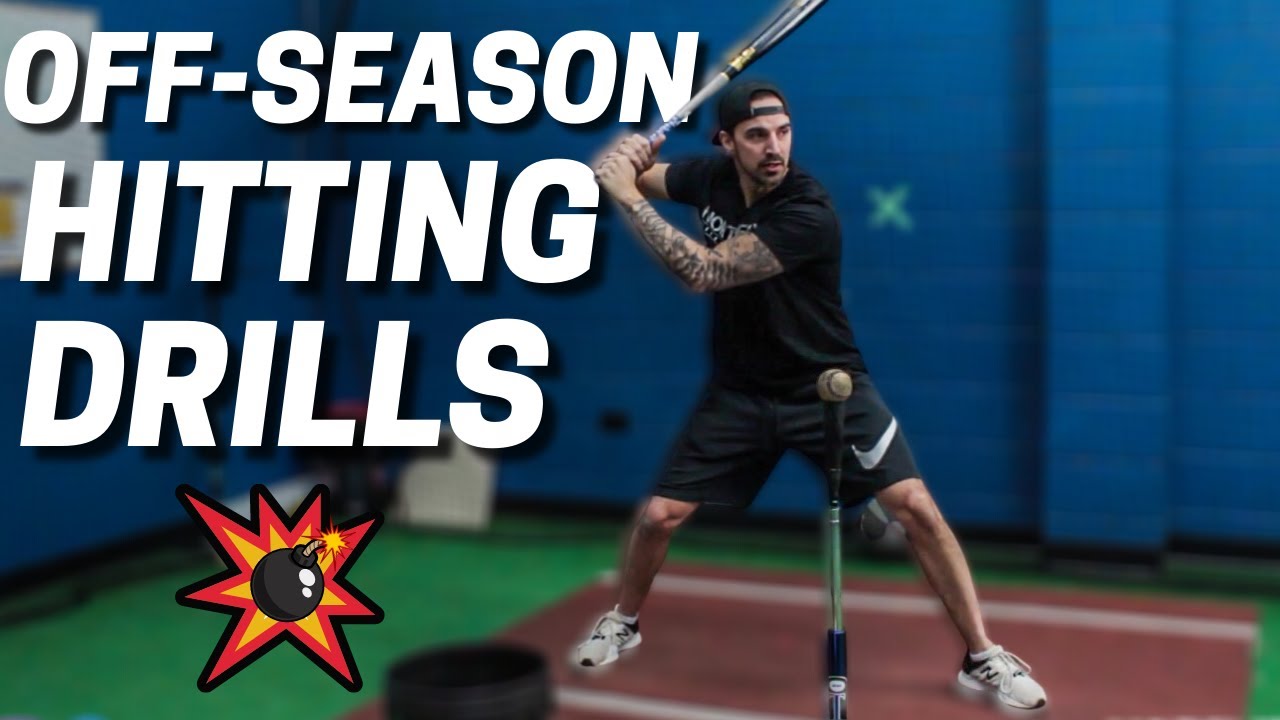
- Practicing with a Batting Tee: This allows players to concentrate on their swing technique without having to worry about hitting a moving ball.
- Front Toss Drill: This drill improves hand-eye coordination by having players hit balls tossed from a short distance away.
- Live Pitching Practice: This mimics real game situations and helps players develop their timing and adjust to different pitching speeds.
Each drill should be carried out with specific goals in mind and feedback should be provided to ensure that players understand what they are trying to achieve and how they can get better. For more insights, you can explore youth baseball skills development.
Getting Started: Grip and Stance
Before a young player can step up to the plate, they need to have a solid understanding of grip and stance. These two elements are the foundation of a good swing. Let’s take a closer look at each one. For more advanced techniques, explore youth baseball hitting mastery.
Learning the Correct Grip
The first step to a strong swing is a correct grip on the bat. Here’s how you can teach young players to grip the bat correctly:
- Make sure the hands are together on the bat, with the stronger hand on top.
- The “knuckles you’d knock on a door with” of both hands should line up.
- Hold the bat tightly but not too much, so the wrists can move easily.
This way of holding the bat gives control and lets the swing move smoothly. Remember, the way the bat is held should feel good and normal to the player.

Setting Up a Balanced Stance
After getting a handle on the grip, the next thing to focus on is the stance. A balanced stance provides stability and is the foundation for a powerful swing. Here’s what you should look out for:
- Make sure the feet are shoulder-width apart for stability.
- Keep knees slightly bent for quick movement.
- Distribute weight evenly between both feet.
- Keep the head level and eyes focused on the pitcher.
Keeping the stance relaxed but ready for action is key. Encourage players to find a stance that feels comfortable and allows them to react quickly to pitches. For more on improving batting skills, explore these youth baseball batting performance tips.
Typical Errors and How to Fix Them
Despite regular training, young athletes may still make a few typical errors. It’s crucial to spot and rectify these as soon as possible. For effective guidance, consider exploring batting performance tips and coaching strategies.
- Too tight a grip on the bat: This causes tension and a slower swing. Players should be encouraged to loosen their grip.
- Feet that are too close together: This causes a lack of balance. Players should be taught to stand with their feet further apart for better stability.
- Leaning too far forward or backward: This affects balance and the mechanics of the swing. Players should be reminded to keep their weight centered.
By addressing these mistakes early, we can help young athletes build a solid foundation for batting that will contribute to their continued growth and success in the game.
Correct Alignment of Hips and Shoulders
For a baseball or softball swing to have power, correct alignment of hips and shoulders is vital. When the hips and shoulders of young players are correctly aligned, energy can be transferred from the lower body to the bat in an efficient manner. The stance is where this alignment begins. The hips should be parallel to the plate, and the shoulders should be level, with the front shoulder being slightly lower than the back one.
When swinging, the hips and shoulders should move together. This movement is what creates the force needed for a strong swing. At first, players should practice this movement slowly, concentrating on keeping their hips and shoulders in line throughout the swing. Eventually, this will become a normal part of their batting technique.
Keeping Balanced While Swinging
Another key factor in achieving a good swing is balance. Even the strongest swing can be thrown off if the player is off-balance. Players should begin with a solid stance, as previously discussed. When they swing, their weight should transition smoothly from the back foot to the front foot.
Young players should be reminded not to lean too far forward or backward or overextend during the swing. This can throw them off balance and make their swing less effective. Balance drills, such as swinging with their eyes closed or using a balance board, can help them gain better control and stability. For more tips, check out these youth baseball batting performance tips.
Hand-Eye Coordination and Concentration
Hand-eye coordination and concentration are critical to making regular contact with the ball. Young players need to train their eyes to follow the ball from the pitcher’s hand to the bat. This requires focus and practice, but with the right techniques, it can be significantly improved.
- Underhand Soft Toss Drills: This drill involves tossing a ball underhand from a short distance, allowing players to focus on tracking the ball and making contact.
- Eye Training Exercises: Exercises like focusing on a small object or practicing with a reaction ball can enhance visual acuity and reaction time.
- Concentrate on the Ball’s Seams: Encourage players to try and see the seams on the ball as it approaches, which helps sharpen their focus.
By incorporating these exercises into their routine, young players can improve their eye coordination and become more effective at the plate.

How to Keep an Eye on the Ball
Keeping an eye on the ball isn’t just about seeing it. It’s about predicting where it’s going to go and how fast it’s going to get there. To help kids get better at this, tell them to pay close attention to when the pitcher lets go of the ball. This will give them a better sense of where the ball is going.
Another helpful method is to encourage players to follow the ball with their eyes while keeping their head stationary. This reduces unnecessary motion and helps keep the ball in focus. Eventually, this will become a habit, enabling players to respond faster and hit the ball more accurately.
Workouts to Boost Hand-Eye Coordination
Boosting hand-eye coordination is critical for batting achievement. Below are a few workouts that can assist:
- Juggling: This fun activity enhances coordination and timing.
- Wall Ball Drills: Throw a ball against a wall and catch it, focusing on tracking and reacting to the ball’s movement.
- Reaction Ball Drills: Use a reaction ball that bounces unpredictably to improve quick reflexes and coordination.
Concentration Techniques for Young Athletes
Concentration is key to success in any sport. For young athletes, developing concentration skills can significantly improve their performance at the plate. One effective technique is visualization. Before stepping up to bat, encourage players to visualize themselves making successful contact with the ball.
Another approach is to practice mindfulness exercises, such as deep breathing or focusing on a specific point. These exercises help to calm the mind and increase focus. By practicing concentration regularly, young players can improve their ability to stay focused and perform under pressure.
Recommended Drills for Improvement
Drills are a great way to improve batting skills. They provide a structured way to practice and help players develop muscle memory. Here are some drills that are recommended for young athletes:
Using a Tee to Improve Swing Consistency
Practicing with a tee is a basic drill that allows players to concentrate on the mechanics of their swing without worrying about hitting a moving ball. It gives them the opportunity to practice making consistent contact and make any necessary adjustments to their swing. You should encourage players to use the tee at different heights to simulate pitches at different locations.
Eye Coordination Training with Front Toss Drills
Front toss drills require the coach to toss the ball underhand from a short distance. The goal is for the player to track the ball and make contact with it. This drill is excellent for enhancing hand-eye coordination and getting the player accustomed to different pitch speeds and angles.
Real Game Scenario Replication Through Live Pitching Drills
Live pitching drills are designed to simulate the real game scenarios. This helps the players to develop their timing and adjust to different pitch speeds. Constructive feedback is a must during these drills and the focus should be on the areas where the player can improve. The replication of the game situations makes the players more confident and they feel more prepared for the real games.
Staying Consistent and Practicing Regularly: Your Path to Victory
When it comes to mastering any skill, consistency is your best friend. This is particularly true for batting. The more you practice, the more your muscles get used to the movements, and the better you perform. Here are a few suggestions on how to stay consistent with your practice:
- Create a regular training plan that involves a combination of exercises and live pitching.
- Set attainable objectives for each training session, emphasizing certain areas for enhancement.
- Include enjoyable aspects in training to keep young players interested and driven.
By adhering to these suggestions and keeping a steady training routine, young athletes can improve their batting abilities and establish a solid basis for achievement in baseball and softball.
Setting Up a Regular Training Schedule
For young athletes to effectively develop their batting skills, setting up a regular training schedule is crucial. It’s all about consistency, and having a fixed schedule allows players to develop muscle memory and get better over time. A good training schedule should have a combination of drills, live pitching, and rest days to make sure players are not overworked.
It’s best for young players to practice three to four times a week. Each practice should last between 60 to 90 minutes and focus on different parts of batting, like swing mechanics, timing, and coordination. Having a routine will help players see how they’re improving and what they need to work on.
Creating Realistic Goals for Young Athletes
Creating goals is a potent method to inspire young athletes and help them concentrate on their growth. Goals must be specific, measurable, achievable, relevant, and time-bound (SMART). For instance, a goal could be to enhance batting average by a specific percentage throughout the season or to regularly hit the ball to the opposite field.
Players should be included in the process of setting their own goals, and encouraged to feel responsible for their own improvement. Celebrate small successes along the way to keep them excited and involved. This approach not only builds confidence but also teaches responsibility and discipline.
Making Training Sessions Fun
Although discipline and focus are important, making training sessions fun can make practice more enjoyable for young athletes. When players have fun, they’re more likely to stay engaged and motivated.
Think about incorporating games and challenges into your practice sessions, like home run derbies or batting relays. These activities can help to break up the routine of drills and give players a chance to show off their skills in a fun, competitive setting.
- Play some tunes during practice to keep the energy up.
- Start some friendly contests with small prizes for the victors.
- Switch up the drills often to keep players on their toes and involved.
Keeping practice fun and fresh can help create a positive learning space that encourages kids to improve their skills and passion for the sport.
Common Questions
Parents and coaches alike often wonder how to best help their young athletes improve their batting skills. Here are some frequently asked questions and their answers to help you on your journey:
How frequently should children practice hitting?
Children should practice hitting three to four times weekly, with each session lasting 60 to 90 minutes. It’s crucial to strike a balance between practice and rest to avoid burnout and allow for recovery time.
What are some common batting errors in children?
Some of the most common errors include holding the bat too tightly, having an unstable stance, and not watching the ball. These can be fixed with the right instruction and consistent practice.
A common problem is swinging too soon or too late. Timing drills can teach players how to adapt their swing to the pitch.
What can parents do to enhance their child’s batting skills at home?
Parents can install a batting tee in the backyard for extra practice. They can also play catch to enhance hand-eye coordination and motivate their child to watch professional games to learn from expert players. For additional tips, check out these techniques to improve kids’ baseball skills.
When is the right time for a kid to begin learning batting skills?
Kids can start learning the basics of batting as early as five or six years old. During these initial stages, the emphasis should be on enjoyment and fostering a passion for the sport. More formal training can start around the age of eight, where they can benefit from batting performance tips.
What gear do young batters need?
Young batters need a bat that fits them well, batting gloves, a helmet, and a tee for practice. It’s crucial to make sure that the gear is the right size for the player to avoid injury and get the best performance.
What are some ways to keep kids engaged during practice?
It’s important to make practice sessions enjoyable and different to keep kids interested. Set goals that are within reach, acknowledge improvements, and let the kids have a say in the planning process so they feel more invested in their own growth.
Offering praise and support can also enhance self-assurance and drive.
Why are group drills better than practicing alone?
Group drills allow players to learn from each other, build teamwork skills, and have some friendly competition. They also make practice more fun and interactive.
Practicing alone gives players the chance to concentrate on their own skills and work at their own speed. A mix of both team and individual practice can lead to a comprehensive development.

Leave a Reply