Summary
- It’s never too early to start practicing swing consistency to lay a strong foundation in young athletes.
- Having a good grip and stance is a key factor in improving batting performance.
- Make drills fun and engaging to keep kids interested and to enhance their skills.
- Hand-eye coordination is crucial for consistent swings and can be improved with targeted exercises.
- Consistent practice and setting achievable goals are crucial for continuous improvement.
Setting a Solid Foundation for Young Batters
As young athletes step up to the plate in baseball or softball, setting a solid foundation is key. Swing consistency is not just about making contact with the ball; it’s about developing a skill set that can be built upon as they grow. This journey begins with understanding the importance of early skill development, recognizing the unique challenges faced by kids aged 8-12, and incorporating fun learning methods to keep them engaged.

The Value of Starting Young
Getting a head start in skill development in sports like baseball or softball is very beneficial for young athletes. Kids at this age are highly adaptable and are capable of quickly learning and retaining new techniques. Their motor skills are still in development at this age, making it the perfect time to instill good batting habits. Additionally, starting training early helps them build confidence and a love for the game.
Why is it important to start early? Because young players who start practicing their skills early are more likely to develop muscle memory that will help them grow in the sport. This muscle memory is very important when it comes to swinging a bat consistently. In addition, starting early gives more time to correct mistakes and refine techniques before they become ingrained habits.
- Starting training early can help build better muscle memory.
- Children can develop a sense of confidence and love for the game.
- There is a longer period of time to fix errors and fine-tune techniques.
Specific Challenges for Children Aged 8-12
Children aged 8-12 face their own set of challenges when it comes to maintaining a consistent swing. Their bodies are growing at a fast pace at this age, which can impact their balance and coordination. Additionally, their attention spans may not be as long, so practice sessions that are engaging and varied are needed to keep them interested.
One more hurdle is the disparity in physical development among friends. Some children may be taller or stronger, providing them with a natural advantage. However, this doesn’t imply that others can’t keep up. With the appropriate training and encouragement, every kid can enhance their swing consistency and overall performance. For guidance on improving batting skills, check out this batting skills progression guide for kids aged 8-12.
Keep Learning Fun and Interactive
Keeping kids interested is key to their progress. To do this, make sure to keep practice sessions fun and interactive. Drills can be turned into games to make learning more enjoyable. Kids can improve their skills without even knowing it. For example, a simple tee can be used for a fun competition to see who can hit the ball the furthest or with the most accuracy. For more ideas, check out these baseball practice plans for kids.
Moreover, adding group activities can foster a sense of teamwork and friendship, which can lift spirits and make practice sessions more fun. Keep in mind, the goal is to make learning enjoyable so that kids are excited about practice and continue to hone their skills with excitement.
Getting the Basics Right: Grip and Stance
Swing consistency starts with getting the basics right, and the basics here are the grip and stance. These are the building blocks of a good swing and can make a big difference in a young player’s performance. Let’s take a closer look at each of these and how to do them correctly.

Proper Ways to Hold the Bat
The first thing to learn in achieving a consistent swing is how to hold the bat correctly. This is important because it makes the bat feel like it’s just an extension of the player’s arms, giving them more control and power. Here’s how to teach young players the proper way to hold the bat:
- Use your fingers, not your palms, to grip the bat. This will help you stay flexible.
- Line up the knuckles you would use to knock on a door on both hands. This should create a straight line.
- Keep your grip loose to allow for quick wrist action when you swing.
The most important thing to remember is to tell young players not to grip the bat too tightly. This can limit their movement and slow down their swing. A loose grip will help them keep control and power during their swing.
Finding the Right Stance
One of the most crucial aspects of a consistent swing is having a stable and balanced stance. It’s the foundation that allows the player to generate power and maintain control. Here are some tips on how to help kids get into the right stance: consider incorporating batting skills progression drills to enhance their posture and balance.
First, get them to stand with their feet as wide apart as their shoulders. This will give them a firm base to keep their balance. Then, make sure their knees are a little bent and their weight is equally balanced on the balls of their feet. The shoulder closest to the pitcher should be a little lower than the other shoulder. This helps keep their balance and gets their body ready for the swing.
Teach them to focus their gaze on the pitcher, and keep their head steady and attentive. This stance will help them follow the ball’s trajectory and get ready for the swing. For more insights on improving their focus, check out our guide on developing focus and confidence in young players.
Typical Errors and How to Fix Them
Young athletes might make typical errors while learning the basics that can affect their swing consistency. It’s important to spot these mistakes early on and correct them to help them develop.
One more mistake is having an unsteady stance. If a player leans too much forward or backward, it can affect their balance and power. Make sure their weight is evenly distributed, and their stance is steady. For more tips on improving balance and power, check out these youth baseball hitting tips.
Also, remind them to keep their eyes on the ball. If they lose focus, they may miss swings and perform inconsistently. Practicing drills that emphasize tracking the ball can help improve this skill.
The Importance of Hip and Shoulder Alignment
It’s crucial for young athletes to understand the importance of proper hip and shoulder alignment in swing consistency. This alignment is key to ensuring the player’s body is in the correct position to generate power and maintain control throughout the swing. Here are a few things to focus on when teaching them:
- Make sure your hips are lined up with your shoulders for a smooth rotation.
- Try to twist your hips a little during the swing to help generate power.
- Keep your posture relaxed to allow for fluid movement.
If you concentrate on these important aspects, you can develop a consistent swing that will make you a better player on the field. For more tips, check out these youth baseball hitting tips to strengthen your swing.
Boosting Hand-Eye Coordination and Concentration
For junior hitters who want to better their swing consistency, hand-eye coordination is key. This is the skill of watching the ball with the eyes while simultaneously guiding the hands to hit it correctly. Cultivating this ability from a young age can greatly impact a child’s game performance. For more tips and progression guides, check out this youth baseball guide.

It’s just as important to keep your eye on the ball. It takes practice and patience to watch the ball from the moment it leaves the pitcher’s hand to the moment it hits the bat. Let’s look at how we can develop these skills effectively, such as through youth baseball batting skills progression.
Watch the Ball
It may seem obvious, but one of the most important skills in batting is watching the ball. It’s easier said than done and requires practice and concentration. Teach young players to watch the ball from the pitcher’s hand all the way to the bat. This helps them make good contact with the ball and get more hits. For more on developing focus, check out this guide on mindset training for young players.
In addition to soft toss, here are some additional exercises to improve hand-eye coordination:
Here are some exercises that can help:
- Juggling: You might not think it’s related, but juggling can really help with coordination and focus.
- Wall Ball: Throw a ball against a wall and catch it when it comes back. This can help with reaction time and focus.
- Ball Tracking Drills: Use balls of different colors and call out a color for the player to hit. This can help with focus and decision-making.
Doing these exercises regularly can lead to real improvements in hand-eye coordination, which is key to consistent swinging.
Methods for Enhancing Focus
- Imagery: Ask players to picture themselves making a perfect hit. This mental practice can help increase their self-assurance and concentration.
- Respiratory Techniques: Instruct them to take long breaths prior to each swing to help ease their nerves and improve their focus.
- Consistent Pre-Swing Ritual: Create a pre-swing ritual to help players concentrate and mentally prepare for each pitch.
By implementing these methods, young players can enhance their focus, which can lead to improved performance on the field.
Exercises to Boost Swing Consistency
Exercises are an excellent method for improving swing consistency in young athletes. They offer organized practice and aid in the development of muscle memory, making the swing feel more natural and automatic. Let’s look at some effective exercises that can have a significant impact. For more detailed practice plans, check out these baseball practice plans for kids.
Why Tee Drills Are Beneficial
Practicing with a batting tee is one of the easiest and most beneficial methods to develop a consistent swing. It lets players concentrate on the mechanics of their swing without the added challenge of a moving ball. The following are some of the advantages of tee drills:
- Kids can practice at a speed that suits them, concentrating on their form and technique.
- Tee exercises are useful in developing muscle memory, which leads to more consistent swings.
- They offer immediate feedback, enabling players to make corrections quickly.
Front Toss Drills for Timing
Front toss drills are a fantastic way to work on timing and hand-eye coordination. In this exercise, a coach or parent stands a few feet in front of the batter and tosses the ball underhand. The player’s goal is to time their swing with the toss.
This exercise allows young athletes to understand how to modify the timing of their swing depending on the pitch’s speed and path. It also helps them build self-assurance as they can see the effects of their modifications as they happen.
Practicing Game-Like Scenarios
Practicing game-like scenarios during training can help young players get ready for actual games. This includes creating situations where they have to think fast and make choices, just like in a real game. For instance, setting up a pretend game where players have to hit in different counts or with runners on base can be very helpful.
These games give players a better understanding of the game and allow them to use their skills in a real-life situation, which improves their overall game.
Setting Up a Consistent Practice Schedule
Consistency is the secret to enhancing swing performance. Setting up a consistent practice schedule allows young athletes to develop their abilities gradually. It’s crucial to strike a balance between practice and rest to avoid overworking and maintain the activity fun. For more guidance, check out these baseball practice plans for kids.
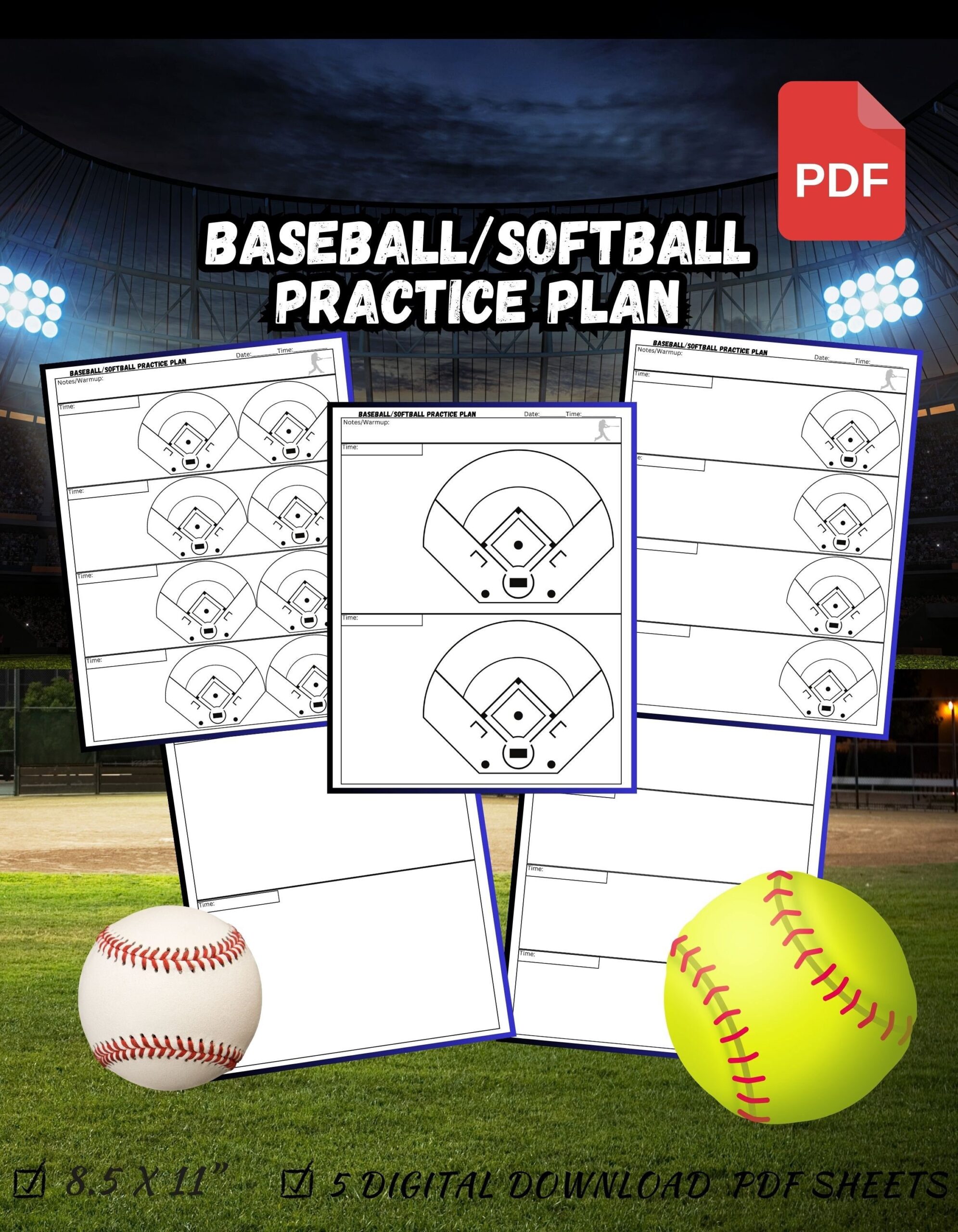
This is how you can develop a good practice routine:
- Designate specific days and times for practice to create a routine.
- Use a range of drills to make practice sessions fun and cover all areas of batting.
- Include rest days to allow for rest and avoid burnout.
Establishing Achievable Performance Goals
It’s important to set achievable performance goals to keep young athletes inspired and on track. Goals give them a sense of direction and a feeling of accomplishment when they are achieved. When setting goals, think about the player’s current abilities and what can be accomplished in a certain amount of time.
Begin with easy-to-reach goals and slowly raise the bar as the player gets better. Applaud accomplishments to build self-esteem and promote ongoing hard work. For more strategies on fostering confidence in young athletes, check out our guide on mindset training for kids.
These tips will help young players develop a practice routine that will allow them to improve and grow their swing performance.
Keeping Practice Fun
It’s crucial to keep practice enjoyable to maintain the motivation of young athletes. The more fun they have, the more they will anticipate practice and the better they will perform. Here are some tips to keep practice fun:
- Keep things fun and engaging by including games and friendly competitions.
- Boost effort and improvement by using positive reinforcement.
- Let players have a say in the drills and activities to keep them engaged.
Maintaining a positive and fun practice environment will help keep players dedicated and excited to improve their swing consistency.
Commonly Asked Questions
Parents and coaches frequently ask questions about how to best support young athletes in developing their swing consistency. For those interested in a more structured approach, check out this batting skills progression guide for ages 8-12. Here are some typical questions and answers to assist you:
How many times a week should children practice their swing?
Young athletes should strive to practice their swing a minimum of 2-3 times a week. This amount of practice will allow for consistent improvement without overwhelming them. Remember, quality is more important than quantity, so focus on productive and focused practice sessions.
What size bat should an 8-12 year old use?
The size of the bat is very important for young players. If the bat is too heavy or too light, it can mess up their swing. For kids between 8-12, the bat should usually be between 27-30 inches long and have a weight drop (the difference between the length and the weight) of -10 to -12. It’s always a good idea to let the child try out a few different bats to see which one feels right.
For example, if a kid is comfortable with a 28-inch bat, it should ideally weigh around 18 ounces for a -10 drop.
- Length: Between 27 and 30 inches
- Weight Drop: Between -10 and -12
What can parents do to help with their child’s practice routine?
Parents are crucial in helping with their child’s practice routine. Here’s how they can assist:
- Support them by encouraging them to practice regularly and giving them positive feedback.
- Help them establish a practice schedule that balances sports and other activities.
- Join them in their practice sessions whenever you can to show your support.
But most importantly, as parents, you should focus on their effort and improvement, not just the results. This will create a positive environment for them to grow.
What kind of safety equipment should be used during practice?
When practicing, safety should always be the first priority. A helmet with a face guard, batting gloves to prevent blisters, and shoes that provide good traction are all important pieces of safety equipment. A batting cage or net can also be used to keep others safe from balls that might go astray during practice.
How do I know if my child is improving?
There are many ways to tell if your child is improving. You might notice that their swing mechanics are getting better, meaning their swing is smoother and more controlled. You might also notice that they seem more confident and are enjoying the game more. These are signs that they are developing positively. You can also keep track of how they do in practice and games to get a sense of their progress.
Rejoice over little achievements and goals to keep them inspired and cognizant of their progress.
What should kids be working on during the off-season?
The off-season is a great time to work on skills without the pressure of games. Encourage kids to work on their swing, hand-eye coordination, and overall fitness. Cross-training can also be helpful in building athleticism.
What is the process for fixing a consistent swinging error?
Fixing a swinging error takes time and focused practice. Start by figuring out the exact error, like a wrong grip or a timing problem. After you know what the problem is, use drills and exercises that focus on fixing that specific issue. Video analysis can also be a useful tool for giving visual feedback to the player.
Help the player to create a plan that involves particular drills and exercises to correct the mistake. Regular practice and feedback will assist them in overcoming the problem and enhancing their swing consistency.
These tips and guidelines can help young athletes develop the consistent swing they need to excel on the field. With the right support and practice, they can lay a solid foundation for their future in baseball or softball.

Leave a Reply