Baseball and softball are more than just physical games for kids; they require mental toughness as well. The right mindset can make a big difference in a child’s performance in these sports. Building focus and confidence is especially important for young players, as it can improve their skills and make the game more fun for them.
Summary of the Article
- Mindset training is vital for building focus and confidence in young athletes.
- It helps players overcome psychological barriers and enhances their performance.
- Effective mindset training includes goal setting, visualization, and positive self-talk.
- Starting mindset training at an early age can lead to better sports performance.
- Parents and coaches play a vital role in creating a supportive training environment.
The Importance of Mindset Training in Youth Baseball and Softball
Mindset training is just as important as physical training in sports. It provides young athletes with the mental tools they need to succeed. When kids develop a strong mindset, they learn to stay focused, confident, and resilient, which are all critical attributes on the field.
Teaching Kids to Focus in Baseball and Softball
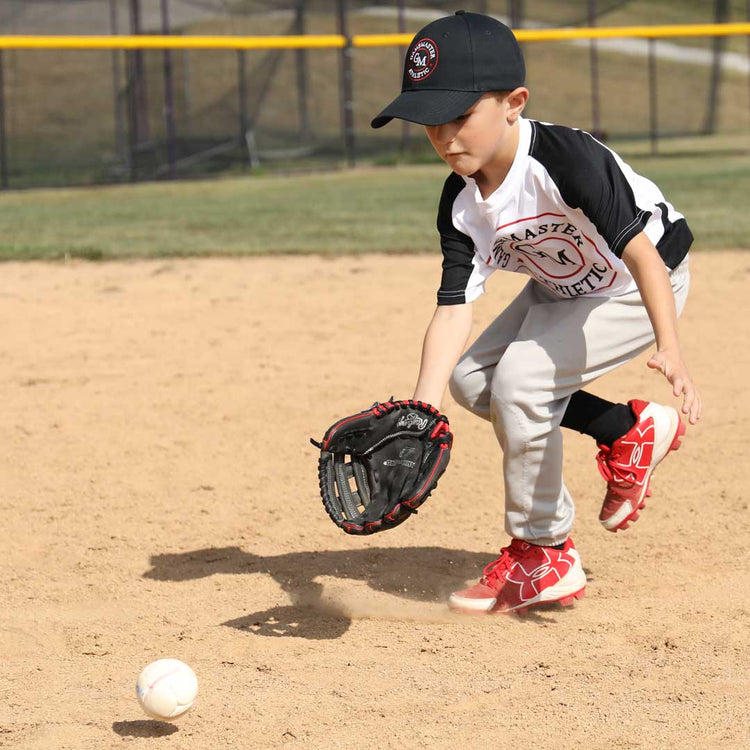
Focus is crucial in baseball and softball. Without it, players can easily get distracted and make errors. Teaching kids to focus helps them pay attention to what they’re doing, whether they’re hitting a pitch or catching a fly ball.
One of the best ways to develop focus is through regular practice. Repeating the same actions over and over again helps young athletes to get used to the movements and actions that are needed in the game. The more they practice, the better they will be at focusing on specific tasks.
Furthermore, establishing modest, attainable objectives during training sessions can dramatically improve a youngster’s concentration. These objectives provide children with something concrete to strive for, keeping them involved and alert.
Building Confidence in Young Athletes
Confidence is a key factor in how children perform in sports. When they have faith in their abilities, they’re more likely to take chances, learn from their errors, and perform well under stress. Building confidence isn’t just about telling children they’re fantastic; it’s about helping them recognize their growth and potential.
Children’s confidence can be greatly influenced by the encouragement they receive from their coaches and parents. Using positive reinforcement, recognizing progress, and cheering for accomplishments, no matter how minor, can inspire kids to continue to push themselves.
Conquering Typical Mental Hurdles
Kids who play sports frequently encounter mental hurdles like fear of failure, anxiety, and perfectionism. These hurdles can interfere with their performance and their love for the game. Mindset training can help kids conquer these obstacles by teaching them how to effectively handle their thoughts and emotions.
One way to help kids reduce anxiety is by teaching them to turn negative thoughts into positive ones. Instead of thinking, “I’ll never hit this ball,” they can learn to say, “I can hit this ball if I focus and try my best.” This small change in thinking can have a big impact on how they play the game.
What Makes Mindset Training Effective?
Mindset training isn’t a magic wand that works the same for everyone. It’s a combination of different factors that help kids build the mental skills they need to excel in sports. For example, incorporating positioning drills can enhance focus and strategic thinking, which are crucial components of effective mindset training.

Techniques for Setting Goals
When children set goals, it gives them a sense of purpose and direction in their training. Goals should be specific, measurable, achievable, relevant, and time-bound (SMART). This helps children to focus on what they want to achieve and how they will achieve it.
For example, a little leaguer might decide to better their batting average by practicing their swing for half an hour each day. Having tangible goals allows children to see their improvement and remain enthusiastic.
Imagery Exercises
Imagery is a method where athletes picture themselves doing well in their sport. This mental practice helps them get ready for real game scenarios. When children imagine themselves doing well, they develop self-assurance and lessen nervousness.
Urge children to take a few moments daily to imagine themselves hitting the ball out of the park or making an impressive play. This habit can help them foster a positive attitude and enhance their performance during games.
Encouraging Words and Positive Reinforcement
Using encouraging words and positive reinforcement can help boost confidence and performance. By teaching kids to replace negative thoughts with positive ones, they can handle stress and stay focused during games. For more strategies, explore mindset training techniques that can further enhance their mental game.
Parents and coaches can demonstrate positive self-talk by saying things like “You can do it” or “Keep trying, you’re getting better.” This fosters a supportive atmosphere in which kids feel motivated to try their hardest. For more on nurturing a positive mindset in young athletes, explore mindset training techniques and strategies.
Managing Pressure and Competitive Stress
Pressure is an inevitable part of competitive sports, and it’s vital for young athletes to learn how to manage it. Children often experience stress when they’re in high-pressure situations, such as a championship game or a critical play. Teaching them how to handle this stress can enhance their performance and their enjoyment of the game. For more strategies, check out these mindset training techniques for young athletes.
A great strategy to use is showing kids how to relax through deep breathing exercises. When children start to feel like things are too much, they can take a few deep breaths to help calm their nerves and get their minds back on track. This easy exercise can make a big impact on how they deal with stress.
Building Grit and Tenacity
- Set challenging yet attainable goals to encourage perseverance.
- Teach children to learn from their mistakes instead of dwelling on them.
- Promote a growth mindset by valuing effort over natural ability.
- Recognize small wins to maintain high levels of motivation.
Grit is the capacity to recover from setbacks, and tenacity is the will to continue despite adversity. These traits enable children to persist through obstacles in sports and in life. Fostering grit and tenacity in young athletes requires creating a setting where they are comfortable with failure and can learn from their errors.
Parents and coaches can support this by encouraging kids to view setbacks as opportunities for growth. When a player strikes out or misses a catch, it’s essential to focus on what they can learn from the experience. This approach helps kids develop a growth mindset, where they see effort and persistence as the path to improvement.
Additionally, applauding little achievements as they come can increase perseverance. Acknowledging improvement, regardless of how small, keeps children inspired and reminds them of their abilities. For more strategies on fostering a positive mindset in young athletes, check out this mental training guide.
Getting the Right Mindset Training Resources for Kids
There are plenty of resources out there to help kids build a powerful sports mindset. These resources can offer much-needed advice and assistance for athletes, as well as their coaches or parents.
- Internet-based classes and seminars that concentrate on the teaching of mental abilities.
- Literature and manuals that provide a glimpse into the world of sports psychology for youngsters.
- Sports psychologists and trainers in your area who are experts in mindset training.
These tools can assist children in learning methods to enhance concentration, self-assurance, and resilience. By utilising the appropriate resources, young sportsmen and women can acquire the mental abilities required to excel in sports.

Internet-Based Classes and Seminars
Internet-based classes and seminars offer a convenient way for young sports enthusiasts to learn. These platforms often feature engaging sessions, videos, and activities that aim to educate children about mental skills. Engaging in these classes allows sports enthusiasts to learn mindset methods in a systematic manner.
Sports Psychology Books and Guides
Books and guides on sports psychology provide a wealth of information about the psychological components of sports. They offer actionable tips and tactics that children can use to enhance their mindset. Reading these resources can help young athletes grasp the significance of mental training and how to use it in their sports experiences.
Community Sports Psychologists and Coaches
Community sports psychologists and coaches can offer customized assistance for youthful athletes. These experts can collaborate with kids to create individualized mindset training plans that tackle their unique needs and difficulties. Through working with professionals, athletes can acquire a more profound comprehension of their mental strengths and areas that need enhancement.
The Right Time to Begin Mindset Training for Young Athletes
Timing is everything when it comes to mindset training for young athletes. The earlier kids begin, the more they can develop mental skills along with their physical ones. This early start can pave the way for future success.
Best Ages to Start
There isn’t a set age to begin mindset training, but many professionals recommend starting around ages eight or nine. By this age, children are usually mature enough to comprehend and use basic mental skills methods. However, even younger children can benefit from simple exercises like visualization and positive self-talk to boost their self-assurance.
Integrating Training into Everyday Activities
It’s important to make mindset training a part of a child’s everyday sports activities. This means using mental skills during regular training sessions and games. Consistent practice of these skills will help them become second nature to young athletes.
Parents and coaches can guide children to devote a few minutes each day to mindset exercises like setting goals or visualizing. By incorporating these practices into their daily routine, children can cultivate robust mental habits that enhance their performance in sports.
Helpful Advice for Parents and Coaches
Parents and coaches are instrumental in fostering the mindset growth of young athletes. Here are some helpful pieces of advice to help cultivate a positive and supportive environment for kids:
- Build an environment where kids can take risks and express themselves without fear.
- Encourage the consistent practice of mental skills techniques such as visualization and positive self-talk.
- Track progress and adjust strategies to meet the unique needs of each player.
Parents and coaches can support young athletes in developing the focus and confidence they need to succeed in baseball and softball by following these suggestions.
Build a Nurturing Atmosphere
Constructing a nurturing atmosphere is key to assisting young sportspeople to flourish. This involves giving them reassurance, empathy, and a secure place for children to communicate their thoughts and feelings. When kids feel nurtured, they’re more inclined to take chances and experiment, which is vital for their growth in sports.
Support Daily Training
Consistent training is crucial for developing a strong mindset. Inspire children to dedicate time daily to enhance their mental skills, similar to their physical training. This regular training strengthens the methods they learn and makes them more successful during games. For more strategies, explore these mindset training techniques.
By incorporating mental training exercises like visualization and positive self-talk into their daily routines, parents and coaches can help children build mental resilience and confidence.
Track Improvement and Modify Approaches
Keeping an eye on a kid’s improvement in mindset training and modifying approaches as necessary is crucial. Each athlete is unique, and a technique that is effective for one kid may not be for another. Parents and coaches can customize their method to suit each athlete’s specific requirements by observing how kids react to various strategies.
Common Questions
Parents and coaches often have a lot of questions when it comes to mindset training for young athletes. Here are some frequently asked questions to help you out:
When should kids start mindset training?
Children can start mindset training as early as eight or nine years old. At this age, they are mature enough to understand and use basic mental skills. However, even younger kids can benefit from simple exercises like visualization and positive self-talk to boost their confidence.
Getting an early start helps children develop mental skills along with their physical abilities, setting them up for future success in sports.
How do I know if mindset training is effective?
One way to determine the effectiveness of mindset training is to watch for changes in a child’s behavior and performance. Increased focus, confidence, and resilience during practices and games are all signs that the training is working. Additionally, children may demonstrate an improved ability to cope with stress and overcome obstacles.
Also, question children about their experiences with mindset training. They might be able to express how the methods are making them feel more ready and assured on the field.
What are some good visualization methods?
Good visualization methods involve imagining detailed scenarios of successful performance. Encourage children to imagine themselves hitting a home run, making an excellent catch, or executing a perfect pitch. The key is to involve all the senses, imagining what they see, hear, and feel in those moments. For more insights, explore visualization techniques that enhance focus and confidence.
- Imagine the whole process from beginning to end.
- Concentrate on positive results and successful completion.
- Regularly practice visualization, even outside of training sessions.
These methods can assist children in developing confidence and reducing anxiety by mentally practicing successful results.
Is mindset training effective in combating fear of failure?
Absolutely, mindset training can aid children in overcoming their fear of failure by instructing them to see errors as growth opportunities. By redefining negative thoughts and concentrating on effort and progress, young sportspeople can alleviate stress and develop resilience.
How frequently should kids engage in mindset training?
Kids should engage in mindset training as often as possible, ideally every day, to help them master mental skills and make them instinctive. Regular practice can help children incorporate these techniques into their overall sports training, enhancing their performance and love for the game.
When young athletes include mindset exercises in their routine, they can build the focus and confidence they need to shine in baseball and softball.

Leave a Reply