Key Takeaways
Baseball and softball training should be adapted to different age groups to optimize skill development.
For ages 7-8, concentrate on making it fun and teaching fundamental skills like catching, throwing, and fielding.
Ages 9-10 should focus on enhancing throwing mechanics and mastering basic batting skills.
Training for ages 11-12 should incorporate advanced warm-up techniques and improving on-field speed.
Coaches should use science-based training methods to help young athletes reach their maximum potential.
Baseball & Softball Coaching: Tailored Training for Different Age Groups
Coaching young athletes in baseball and softball requires a specialized approach that caters to their developmental stages. Adapting coaching techniques to different age groups ensures that players not only improve their skills but also enjoy the game and stay motivated. Let’s dive into how to coach different age groups effectively.

Starting Off Right: Coaching 7-8 Year Olds
When it comes to 7-8 year olds, the most important thing is to make sure each player has a good time. This age group is all about fostering a love for the game while teaching them the basics. Kids this age are excited to learn and play, so it’s crucial to keep them interested.
Getting Started with Warm-Ups
Warm-up activities should be easy but efficient. Begin with gentle stretching and jogging activities to get the blood circulating. You can make warm-ups entertaining by turning them into games, such as relay races or tag, to keep the children engaged and active.
Getting Started with Catching
At this age, catching should be simple to teach. Use balls that are soft and light to help them get used to catching. Tell them to watch the ball and use both hands. Practice catching in various positions, such as standing still and moving.
Introduction to Defensive Positions and Placement
Teach the kids about the names and placements of defensive positions. Use diagrams or simple on-field demonstrations to show where each player stands. Make it interactive by having the kids take turns standing in different positions. For additional tips on young player development, check out this guide.
“Understanding the field is crucial. At this age, kids should know where to stand and what their role is in the game.” – Coach Joey Myers
Proper Throwing Mechanics
Proper throwing mechanics are essential. Teach them to step forward with the opposite foot of their throwing hand, keep their elbow up, and follow through with their throw. Practice these mechanics regularly to build muscle memory.
Getting Started with Fielding Positions
Fielding is more than just catching. You need to teach your team the correct stance: knees should be bent, glove should be close to the ground, and eyes should always be on the ball. Use drills to help them practice fielding ground balls and pop flies.
Start with simple catching drills.
Introduce basic defensive positions.
Teach proper throwing mechanics.
Practice fielding ground balls and pop flies.
Targeted Skill Development: Coaching Ages 9-10
As players grow older, their skills should be more refined. For ages 9-10, the focus shifts to improving throwing mechanics, fielding techniques, and batting skills. This is the stage where players start to understand the game’s strategies better, including developing agility and quickness.
Improving Throwing Techniques
By this stage, throwing techniques should be more refined. Prioritize precision and force. Implement drills that concentrate on various throw styles, including overhand, sidearm, and underhand. Promote consistent practice to develop power and accuracy.
It is crucial that they understand the significance of following through with their throws. This will assist them in improving their precision and avoiding injuries.
Fielding Techniques for Intermediate Players
Once players reach the ages of 9-10, it’s time to start introducing more advanced fielding techniques. This means teaching them how to properly position themselves to field ground balls and pop flies. They should also learn how to read the ball off the bat and move effectively to make plays.
At this point, footwork is key. Drills that emphasize swift, nimble movements will aid players in reacting more quickly and making more precise plays. Urge them to stay low and keep their mitt in front of them to field ground balls cleanly.
Perfecting the Basics of Batting
During this time, it’s also important to focus on improving batting skills. Teach the correct batting stance, grip, and swing. Show them how to load their swing and follow through for the most power and precision. Batting tees and soft toss drills are great for practicing these skills. For more detailed guidance, check out this article on consistent batting stance.
Players should be reminded to always keep their eyes on the ball and maintain a steady stance. With regular practice, they can develop a smooth and powerful swing.
Improving Skills and Consistency: Coaching Ages 11-12
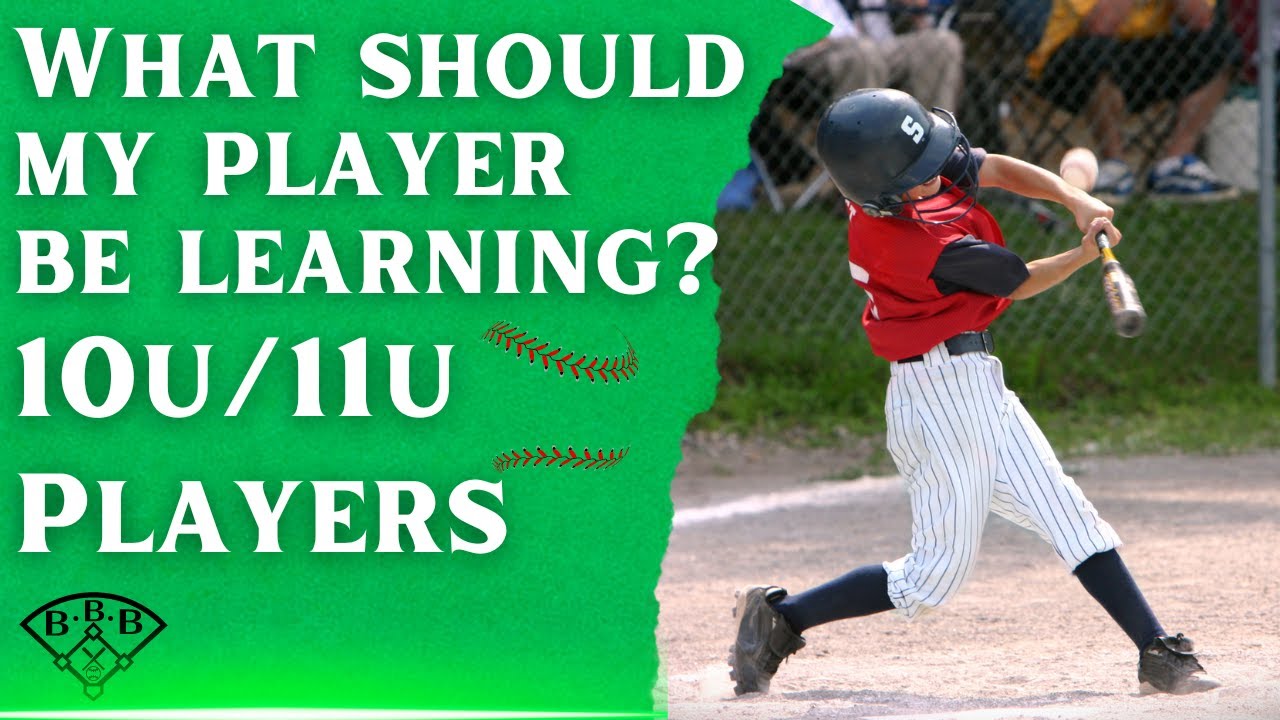
When players reach the ages of 11-12, it’s time to polish their skills and work on consistency. This stage is about perfecting the fundamentals and introducing more complex techniques to get them ready for higher levels of play.
Progressive Warm-Up Methods
Warm-ups should now be upgraded to include more dynamic exercises that simulate game movements. Include agility drills, plyometrics, and resistance training to boost strength and flexibility. These exercises will aid in injury prevention and overall performance enhancement.
Boosting Speed on the Field
In both baseball and softball, speed is key. Show your players how they can better their running techniques and up their speed while on the field. Drills that concentrate on sprinting, fast starts, and side-to-side movements can help improve their agility and speed.
Primarily, stress the significance of correct running form. Motivate them to use their arms efficiently and keep a forward lean to increase their speed. For more information, check out these strategies to develop agility and quickness.
Perfecting the Setup of the Upper and Lower Body
During this phase, players should concentrate on perfecting their upper and lower body setup for batting and fielding. Instruct them on how to utilize their legs and core to create power and stability. The correct body alignment will assist them in performing better and lowering the likelihood of injuries.
Implement exercises that focus on the coordination of the upper and lower body. For instance, conduct rotational drills to enhance their hitting strength and fielding precision.
Moving to a Larger Field: Training for 13-14 Year Olds
It can be tough for young players to move to a larger field. At ages 13-14, they need to get used to the bigger space and learn new tactics to be successful. This is a very important time for their athletic growth and development.
Adapting to Bigger Playing Fields
As the playing field gets larger, players need to be prepared for the longer distances they’ll need to cover, both in the outfield and between bases. This means they’ll need to be in better shape and have a good grasp on the game’s strategies. They should also work on improving the strength and accuracy of their throws to effectively play on the larger field. For younger players, it’s crucial to develop agility and quickness to adapt to these changes.
Developing Sophisticated Pitching Skills
At this point, pitching is no longer a simple task. Show your players more sophisticated pitching methods, including different ways to hold the ball and various types of pitches. Concentrate on control, speed, and movement to turn them into better pitchers.
Urge them to practice frequently and give them pointers to enhance their pitching techniques. Utilize video analysis to pinpoint where they need to improve and monitor their progress.
Improved Batting Skills
During these years, batting skills should also be improved. Teach players how to identify different pitches and modify their swing as needed. Use live pitching and mock game situations to practice these skills.
First and foremost, underscore the significance of psychological readiness. Urge athletes to maintain concentration and self-assurance while at bat. Mental practice and visualization can enhance their performance in real games.
Developing Team Tactics
As players reach this age, the importance of team tactics increases. They need to learn how to cooperate efficiently and comprehend their responsibilities within the team. By practicing situational plays and game scenarios, their tactical thinking will improve.
Promote open dialogue and cooperation. Athletes should be taught to back each other up and strive for shared objectives. This will assist them in forming solid team bonds and enhancing their overall play. For more tips on developing young players, check out these coaching tips for baseball and fast-pitch softball.
How Team Coaches Can Use Different Methods and Resources
When you’re coaching a baseball or softball team, you need to have the right methods and resources at your disposal. Private and group training sessions can go a long way in helping players to enhance their skills and boost their confidence. Batting cages are also a great resource to use to practice hitting techniques and improve accuracy.
It is important to find the right training programs to help players grow. Try to find programs that use training methods backed by science, data, and proven strategies. These programs can help players achieve their best and become top athletes.
The Complete Hitter Program for Team Coaches is a highly recommended program. It provides extensive training resources, such as video courses, drills, and workouts, to enhance hitting performance. It has helped thousands of players achieve impressive results in a short time.
Individual and Team Training
Personalized coaching sessions
Small team drills
Full team practice sessions
Individual and team training sessions are key to developing individual abilities and promoting team cohesion. In individual sessions, coaches can offer tailored feedback and concentrate on particular areas that require improvement. This personalized attention enables players to better comprehend their strengths and areas for improvement.
On the flip side, group drills foster a sense of camaraderie and allow players to learn from one another. These sessions typically involve activities that mimic game scenarios, which can enhance players’ ability to think strategically and work as a team.
It’s crucial to keep team practices well-organized and diverse to keep players interested. Mix in different drills and activities that focus on different parts of the game, like hitting, fielding, and running bases. This all-inclusive approach makes sure players develop a well-rounded set of skills.
Switching between private and group training on a regular basis can provide a well-rounded approach to skill development. This mix allows players to improve on an individual level, while also learning how to work effectively within a team.
Making Use of Batting Cages
Batting cages serve as an excellent tool to better hitting techniques. They offer a regulated environment where players can concentrate on their swing mechanics and timing, free from the interruptions of a live game. Consistent practice in a batting cage can greatly improve a player’s hitting performance.
Work on different pitch speeds
Improve swing mechanics
Enhance hand-eye coordination
Batting cages provide a controlled environment for players to work on different pitch speeds, which can help them adjust their timing and develop a consistent swing. Coaches can design targeted drills to address specific weaknesses, such as hitting inside pitches or hitting to the opposite field. For more information on coaching techniques, check out the Coaching Youth Baseball & Softball course.
For a player to hit well, they need good hand-eye coordination. Batting cages are a great place to work on this because a player can swing the bat many times in a row. This helps them get used to the movement and can make them better at hitting during a game.
Locating the Best Training Courses
Locating the best training courses is crucial for a player’s growth. Look for courses that provide thorough training resources, including video lessons, drills, and exercises. These resources should be crafted to enhance different elements of the game, like batting, throwing, and catching.
Training programs that are based on science and supported by data and proven techniques are often effective. They can help players reach their full potential and become star athletes. One highly recommended program is the Complete Hitter Program for Team Coaches. This program offers comprehensive training materials that have helped thousands of players achieve remarkable results in a short period.
Implement Training Techniques Backed by Science
Training techniques backed by science are crucial for optimizing player growth. These strategies are backed by data and research, guaranteeing that the methods used are both effective and safe. By incorporating training techniques backed by science into your coaching, you can help players enhance their performance in a predictable and consistent manner.
One way to use scientific methods in training is to employ video analysis to scrutinize and enhance players’ skills. By capturing their swings or pitches on video, you can pinpoint the areas they need to work on and give them precise feedback. This technique enables players to visualize their progress and comprehend the changes they need to make.
Wrapping Up: Why Tailored Training Matters
Customized training is vital for the growth of young baseball and softball players. By modifying coaching methods to fit various age groups, coaches can guarantee that players get the suitable amount of guidance and backing. This strategy assists players in establishing a robust base, honing their abilities, and achieving their maximum capacity.
Keep in mind, the secret to effective coaching is maintaining player engagement and motivation. Incorporate a range of drills and activities to hold their attention and make learning enjoyable. Promote open dialogue and give positive reinforcement to boost their self-esteem and cultivate a passion for the sport.
With specialized training and resources such as the Complete Hitter Program for Team Coaches, you can guide your players to impressive outcomes and cultivate a lifelong love for baseball and softball.
Common Questions
Training young athletes can be a tricky task, but with the right mindset and tools, you can lead them to victory. Here are some commonly asked questions to help you navigate your coaching career.
What are the most important skills to instill in young baseball and softball players?
When training young players, concentrate on the basics. The most important skills to teach are catching, throwing, fielding, and batting. These foundational skills will pave the way for more complex techniques as the players mature.
When teaching catching, stress the need to use both hands and never take your eyes off the ball. Correct throwing techniques include stepping forward with the foot opposite your throwing hand, keeping your elbow high, and following through after the throw.
When it comes to fielding skills, players should focus on the right stance, positioning, and where to place their glove. Batting skills should concentrate on the correct grip, stance, and swing mechanics.
Rewrite the following human content into human content:
Two-handed catching
Correct throwing techniques
Proper fielding stance and position
Right way to grip and stand when batting
What strategies can coaches use to make practices more fun for younger players?
It’s important to keep practices fun for younger players. Use a mix of drills and activities to keep them interested. Make warm-ups fun by turning them into games, like relay races or tag, to keep them engaged and active.
Include interactive aspects, like rotating through different defensive positions or using diagrams to illustrate strategies. Promote teamwork and communication to foster a strong team dynamic.
How does coaching differ for different age groups?
Coaching should be adapted to the developmental stages of different age groups. For 7-8 year olds, the emphasis should be on enjoying the game and learning basic skills. 9-10 year olds should focus on improving their throwing mechanics and mastering basic batting skills.
When coaching 11-12 year olds, the focus should be on advanced warm-up techniques and improving speed on the field. For 13-14 year olds, the training should focus on adjusting to a larger playing field, advanced pitching strategies, and improved hitting techniques.
Why should we pay attention to the emotional side of the game?
It’s vital to concentrate on the emotional side of the game for young players. By building their self-assurance and nurturing a passion for the sport, they remain enthusiastic and involved. To raise their self-worth, give them positive reinforcement and support. For more tips, check out these youth baseball coaching tips.
Make sure to foster an atmosphere of open dialogue and support, where your players feel they can speak their mind and voice any worries. This will help to build their mental toughness and resilience.
What can I use to help my players get better?
There’s a whole bunch of stuff out there to help your players improve, like online video courses, books, and training programs. One program that comes highly recommended is the Complete Hitter Program for Team Coaches. This program provides a complete set of training materials that have helped thousands of players achieve amazing results. Additionally, you can check out these best coaching strategies for young hitters to further enhance your coaching methods.
Why are science-backed training methods beneficial for player performance?
Science-backed training methods enhance player performance by using research and data to create safe and efficient techniques. These approaches guarantee that players are training in a way that optimizes their abilities while reducing the risk of injury.
By using video analysis, coaches can offer detailed feedback and monitor how their players are doing. This method lets players know what they’re good at and what they need to work on, and it helps them make the changes they need to get better. For instance, understanding the best coaching strategies for young hitters can significantly improve their performance.
For a successful baseball or softball coaching, it is crucial to understand that different age groups require different training strategies. The coach’s role is to adapt the training to the players’ age and skill level. This will ensure that the players develop their skills and enjoy the game at the same time.
For example, children aged 4-6 are at the beginning of their baseball or softball journey. They need to learn the basics of the game, such as how to hold the bat, how to throw the ball, and how to run the bases. The training should be fun and engaging to keep the children interested and motivated.
On the other hand, players aged 7-9 are more advanced. They should start learning more complex skills, such as fielding, pitching, and hitting. The coach should also start introducing game strategies and team play.
Finally, players aged 10-12 are ready for more advanced training. They should be learning advanced techniques and strategies, and the coach should be preparing them for competitive play.
In conclusion, a successful baseball or softball coach understands that different age groups require different training strategies. The coach should adapt the training to the players’ age and skill level to ensure their development and enjoyment of the game.

Leave a Reply