Important Points
A consistent batting stance can improve stability, balance, and power in young players.
Successful batting stances require proper foot positioning, grip, and body posture.
Performance can be hindered by common mistakes such as stepping out of the box or holding the bat too tightly.
Drills such as visualization techniques, mirror drills, and tee drills can help improve a batting stance.
Building confidence through regular practice, positive reinforcement, and goal setting is important for young batters.
Why a Consistent Batting Stance is Important
For young players in youth baseball, it is critical to master a consistent batting stance. A proper stance can improve performance and build confidence at the plate. Without a consistent stance, players may have trouble with balance, power, and accuracy.
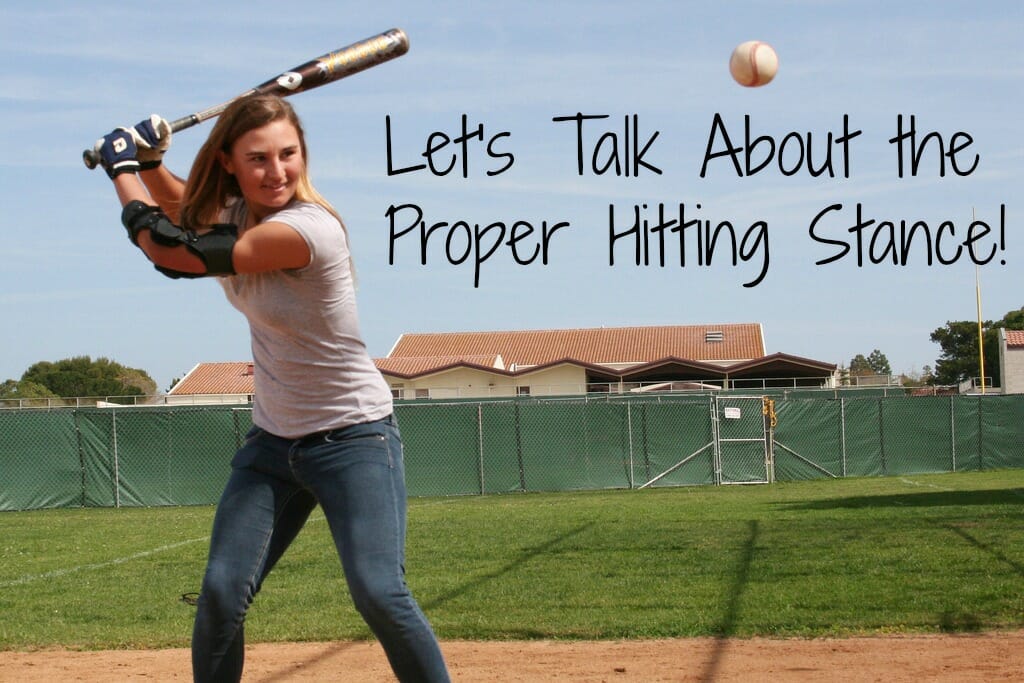
Building a Solid Foundation
Having a solid foundation is key to a good batting stance. When a player stands strong with their feet shoulder-width apart, they can maintain control and react quickly to pitches. This solid foundation allows them to generate power and make solid contact with the ball.
Laying the Groundwork for Strength and Precision
Not only does a consistent batting stance provide stability, but it also lays the groundwork for developing strength and precision. When young players align their bodies correctly, they can transfer their weight efficiently and use their hips to generate power. This alignment also ensures that they can aim accurately and hit the ball where they want it to go.
Early Prevention of Common Errors
By setting up a consistent batting stance early, you can help your child avoid common mistakes that can be hard to correct later. Problems such as stepping out of the box or gripping the bat too tightly can throw off a player’s balance and swing. By concentrating on a consistent stance, players can avoid these issues and start developing good habits right away. For more tips, check out these batting practice repetition tips.
What Makes a Batting Stance Successful?
A successful batting stance is made up of several key components. Each of these components plays a crucial role in ensuring that the player is ready to hit the ball with power and precision. Let’s take a closer look at these components:
Position of the Feet
Correct positioning of the feet is the first step towards a good batting stance. Players should stand with their feet shoulder-width apart, with their toes slightly pointing outwards. This stance offers a strong base and promotes better balance and stability.
Furthermore, the player’s weight should be balanced between both feet. They should be prepared to transfer their weight from the back foot to the front foot as they swing. This weight shift is essential for producing power and making solid contact with the ball.
How to Hold the Bat
The way a young player holds the bat can greatly affect their swing. It’s important to grip the bat with the fingers and not the palms. This type of grip gives the player more control and flexibility when swinging.
Players should also make sure their hands are positioned correctly. The “knocking knuckles” should be lined up straight, which allows for a more natural and stronger swing.
Standing Correctly
It’s important to stand correctly in order to have a good batting stance. Young players should stand with their knees a little bit bent and their back straight. This helps them balance better and be more flexible when they swing.
In addition, players need to keep their shoulders relaxed and their elbows slightly bent. This relaxed stance allows them to react quickly to pitches and generate more power in their swing. For more tips on improving batting skills, check out these youth batting drills.
Positioning the Head and Eyes
It’s important for young players to position their head and eyes correctly to track the ball and make good contact. They should keep their head still and their eyes on the pitcher. This focus helps them follow the ball from the pitcher’s hand all the way to the plate. For more tips on improving batting skills, check out these youth baseball training tips.
First and foremost, players should keep their head still while swinging. This helps them keep their eye on the ball and hit it accurately. For more tips, check out these youth baseball coaching techniques.
Helpful Exercises to Enhance Batting Stance & Approach
By doing the correct exercises, young players can enhance their batting stance and approach. These exercises are designed to strengthen the essential elements of a good stance and to establish muscle memory. Below are some helpful exercises:
For more detailed tips on muscle memory development, you can refer to this article on youth baseball hitting muscle memory development.
Imagery: Young players can use imagery to picture themselves in an ideal batting stance. This mental exercise helps reinforce the correct stance and build confidence.
Mirror Exercises: Standing in front of a mirror allows players to see their stance and make adjustments. This visual feedback helps them understand what a proper stance looks like and how to achieve it.
Tee Exercises: Hitting off a tee allows players to focus on their stance and swing without worrying about timing. They can practice their feet positioning, grip, and body posture while making solid contact with the ball.
Live Pitch Training: Practicing against live pitches helps players apply their stance and approach in a game-like situation. This practice is crucial for developing timing and reacting to different pitches.
Methods for Proper Weight Transfer
Weight transfer is a crucial aspect of a powerful and consistent swing. Proper weight transfer allows players to generate momentum and power, leading to more solid contact with the ball. Here are some methods to master weight transfer:
Begin with your weight on your back foot.
As you swing, move your weight to your front foot.
Make sure the transfer is smooth and controlled to keep your balance.
Regular practice of these techniques can help players develop a stronger and more efficient swing. For more tips on enhancing batting skills, check out youth baseball tips.

Practicing the back-to-front foot technique can be done effectively using a tee drill. To do this, set up a tee at the right height and position. Start with your weight on your back foot and concentrate on shifting it smoothly to your front foot as you swing. This drill is beneficial in reinforcing the correct weight transfer and building muscle memory.
A great exercise to try is the stride drill. You start in your batting stance and then take a small step forward with your front foot as you swing. This step helps start the weight transfer and makes sure that your body moves together with your swing.
Powering the Swing with Your Hips
Aside from weight transfer, effectively using your hips is vital for adding power to your swing. The hips are crucial for the rotation and power of the swing. Here’s how to power your swing with your hips:
Begin by activating your abdominal muscles and twisting your hips when you swing. This twist assists in creating torque and adding force to your swing. Utilize a mirror drill to practice this motion and ensure that your hips are twisting correctly and in time with your swing. For more tips on improving your swing, check out hitting strategies for young batters.
One more drill that can be beneficial is the medicine ball throw. You can do this by holding a medicine ball at your chest and rotating your hips as you throw the ball against a wall. This drill is great for developing the hip rotation and power that is necessary for a powerful swing.
Keeping Your Balance While You Swing
Keeping your balance while you swing is important if you want to consistently hit the ball solidly. A balanced stance lets players control their movements and respond quickly to pitches. Here are some tips on how to keep your balance:
Begin with a steady and level stance, with your weight equally divided between both feet. As you take a swing, concentrate on keeping your head stationary and your eyes on the ball. This concentration aids in maintaining balance and guarantees that you can accurately follow the ball. For more tips on perfect timing and balance, check out this guide on youth baseball hitting stride.
Balance drills, like standing on one leg or using a balance board, are great for improving your stability and control during the swing. These drills are designed to help you build the muscle strength and coordination you need for a balanced, powerful swing.
What Not to Do When Setting Up a Batting Stance
Getting a batting stance down pat is key, but it’s just as vital to steer clear of typical errors that can negatively impact how you play. Here are some errors to be aware of:
Leaving the Box
A frequent error is leaving the batter’s box while swinging. This action can throw off your equilibrium and make hitting the ball squarely more challenging. To prevent this error, concentrate on keeping your feet in place and your body steady while swinging.
Overly Tight Bat Grip
When you grip the bat too tightly, you can limit your movement and decrease your bat speed. Holding the bat too tightly can also cause tension in your arms and shoulders, which can make it more difficult to swing the bat smoothly. Instead, you should hold the bat with a relaxed grip, using your fingers rather than your palms. For more tips on improving your swing, check out these level swing techniques.
Relax your grip on the bat.
Hold the bat with your fingers, not your palm.
Don’t grip the bat too tightly.
By keeping your grip relaxed, you can increase your bat speed and control, which can result in more consistent and powerful hits.
Overlooking Eye Coordination
Eye coordination is vital for following the ball and making precise contact. Overlooking this aspect can result in missed swings and subpar performance. To enhance eye coordination, practice following the ball from the pitcher’s hand to the plate. Concentrate on keeping your head steady and your eyes on the ball throughout the swing.
Skipping Practice
Consistency is the secret to a great batting stance and approach. Skipping practice can slow down progress and make it hard to build good habits. Set a regular practice schedule and follow it. Consistent practice helps to reinforce the right stance and build muscle memory.
Keep your practice routine fresh and productive by adding a mix of drills. Consistent practice and commitment are key to improving your batting stance and overall performance.
Boosting Self-Esteem in Youth Batters
Boosting self-esteem is vital for youth batters to do well at the plate. Self-esteem lets players approach each at-bat with an optimistic attitude and give their best performance. Here are some tactics for boosting self-esteem:
Regular Practice Times
Setting regular practice times can assist young players in honing their skills and boosting their self-esteem. Regular practice gives them the opportunity to perfect their stance, swing, and overall approach. Make sure to set aside specific practice times each week and adhere to them.
In addition to this, inspire players to practice on their own time apart from team practices. The more they practice, the more self-assured they will become in their abilities.
Building Confidence
Boosting confidence is key to developing young players. Always remember to acknowledge their hard work and celebrate their victories. While it’s important to provide feedback to help them grow, it’s equally important to highlight their improvements and potential.
When young players receive positive reinforcement, they feel appreciated and driven to work harder. It builds their self-esteem and inspires them to keep seeking progress. For more on how to develop their skills, check out these hitting muscle memory development tips.
Creating Objectives and Benchmarks
Creating objectives and benchmarks can assist young players in staying motivated and concentrated. Encourage them to establish particular, attainable objectives for their batting stance and overall performance. These objectives can be short-term, such as improving their grip or stance, or long-term, like hitting a certain number of home runs.
Take time to acknowledge their progress and accomplishments. This will boost their confidence and emphasize the value of effort and commitment. For more on youth baseball training, check out these essential batting practice repetition tips.
For young batters to excel at the plate, it’s crucial that they have confidence. Confidence allows players to approach each at-bat with a positive mindset and perform at their best. Here are some strategies for building confidence:
Regular Training Routines
Setting up a regular training routine allows young players to improve their abilities and gain confidence. Consistent training gives them the opportunity to perfect their stance, swing, and overall strategy. Make sure to allocate specific training time each week and adhere to it. For more tips on effective training, check out these essential batting practice repetition tips.
Additionally, motivate players to rehearse individually beyond team rehearsals. The more they rehearse, the more self-assured they will become in their abilities.
Building Confidence
Building confidence in young players is key to their success. Applaud their efforts and cheer them on when they succeed. Offer tips and suggestions to help them get better, but always remember to highlight how far they’ve come and their future potential. For additional guidance, consider these youth baseball tips.
Encouraging words and compliments can make young players feel important and inspire them to keep practicing. This can increase their self-esteem and push them to keep getting better.
Establishing Objectives and Achievements
Young players can maintain their motivation and concentration by establishing objectives and achievements. Inspire them to set particular, attainable objectives for their batting stance and general performance. These objectives can be short-term, such as enhancing their hold or stance, or long-term, such as hitting a certain number of home runs.
Applaud their small victories and accomplishments along the way. This will boost their confidence and remind them of the value of hard work and commitment.
Wrapping Up
Final Words on the Importance of Consistent Batting Stance
For young players who want to get better and gain confidence at the plate, having a consistent batting stance is key. By practicing the important parts of a good stance regularly, players can learn to hit the ball hard and accurately. For additional techniques, check out these youth batting drills to enhance their skills.
Continue to Practice
Just keep in mind, practice makes perfect. It’s important to keep encouraging the young players to continue working on their batting stance and approach, even when they’re faced with challenges. With enough dedication and persistence, they’ll be able to achieve their goals and become successful hitters.
Commonly Asked Questions
Why should young players have a consistent batting stance?
Having a consistent batting stance is crucial for young players because it provides them with the stability, balance, and control they need when swinging. This stability and control can help them generate more power and hit the ball more accurately, improving their overall performance when at bat.
How can I tell if my kid is standing correctly?
Look for essential elements like the right foot placement, a loose hold on the bat, the correct body position, and stable head and eye placement. If your child can keep these components consistently, they’re probably standing correctly.
How can I tell if my child needs to change their batting stance?
If your child is regularly missing the ball, struggling to hit the ball solidly, or saying that they feel uncomfortable or off-balance when they swing, they may need to change their stance. Watching for these signs can help you spot what needs to be fixed.
How frequently should young players work on their stance and swing?
Young players should work on their stance and swing on a regular basis, ideally a few times a week. Regular practice helps to develop muscle memory and reinforce the proper techniques required for a successful batting stance.
What exercises can make my kid’s batting stance better?
Visualization techniques, mirror drills, tee drills, and live pitch practice are all good exercises for bettering a batting stance. These exercises work on the important parts of a good stance and help build muscle memory.
What can I do to boost my kid’s confidence in hitting?
Boosting your kid’s confidence in hitting can be achieved by setting a regular practice schedule, giving positive feedback, and creating attainable goals and milestones. Recognizing and celebrating their progress can increase their confidence and drive.
To wrap up, young players should focus on mastering a consistent batting stance to enhance their performance and confidence at the plate. By concentrating on the key components, practicing regularly, and building confidence, young batters can meet their goals and become successful hitters. To further improve their skills and increase power without sacrificing the quality of their swing, consider looking into specialized courses like the Catapult Loading System. This course offers a step-by-step guide to help hitters dramatically increase their power and consistently succeed at the plate. Additionally, incorporating essential batting practice repetition tips can further enhance their skills.

Leave a Reply