Important Points
- Having the right grip and hand placement is essential for accurate and controlled pitching.
- The mechanics of the body, including posture and balance, have a significant effect on the accuracy of a pitch.
- Regular practice with specific drills can improve a young pitcher’s accuracy.
- Mental toughness and concentration are as important as physical abilities in pitching.
- Coaches’ feedback and video analysis can help improve pitching techniques.
What is Pitching Accuracy and Control?
In youth baseball and softball, pitching accuracy and control are basic skills that can make players stand out. It’s not just about throwing the ball hard; it’s about getting it exactly where it needs to be. This requires a mix of physical ability, mental concentration, and consistent practice.
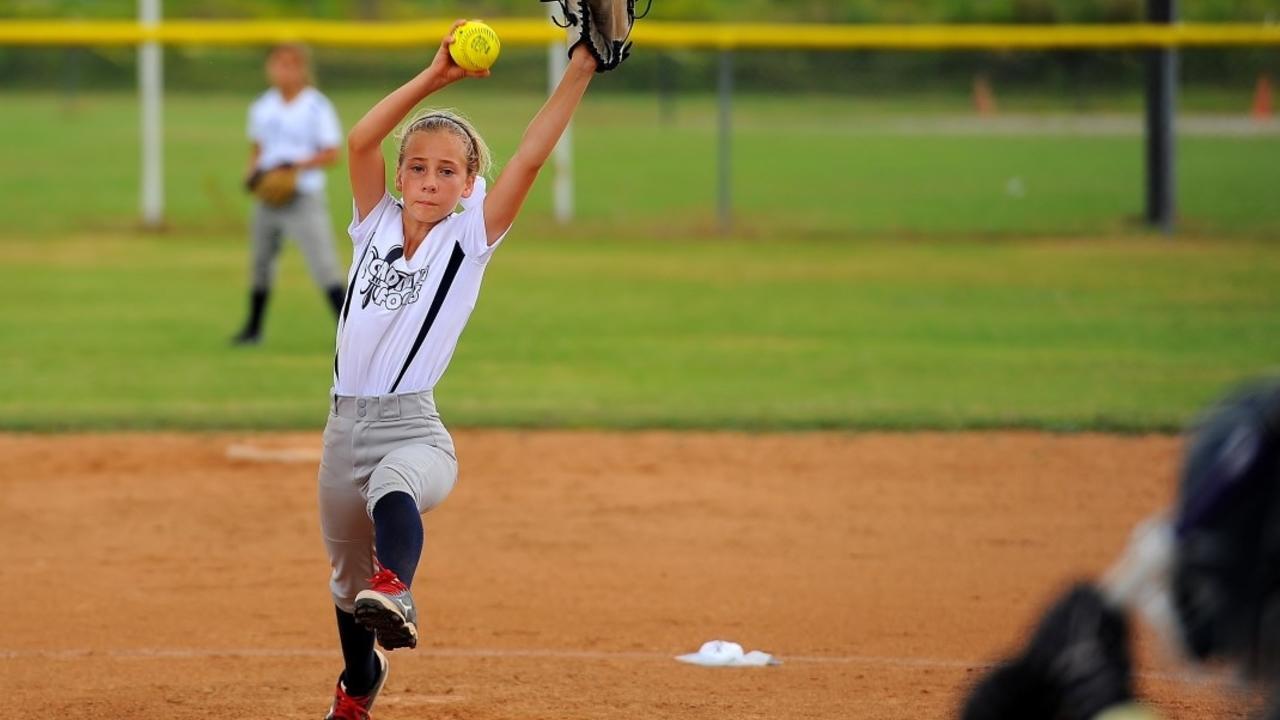
Why is Pitching Accuracy Important?
Why should we care about pitching accuracy? Simply put, an accurate pitch can stop batters from getting a good hit on the ball, which translates into fewer hits and runs for the other team. For young pitchers, honing this skill early on can lead to better performance on the field and increase their self-confidence in their skills.
Think about it: a pitcher who consistently throws strikes forces the batter to swing at less-than-ideal pitches, which can lead to easy outs. As a coach once said, “Control the strike zone, and you control the game.” This control begins with mastering the mechanics of pitching.
Obstacles for Youth Pitchers
Young pitchers frequently encounter a variety of obstacles as they strive to enhance their accuracy and control. One frequent problem is the ability to keep consistent mechanics throughout a game. When fatigue sets in, it’s easy to lose focus on technique, which can result in wild pitches or a lack of control. For more on maintaining focus, check out these baseball practice plans for kids.
The mental side of pitching is another hurdle to overcome. It can be tough for young athletes to stay focused and keep their cool, especially when the pressure is on. The mental game is every bit as important as the physical game, and learning to manage stress and stay focused is crucial to success.
Key Skills for Accurate Pitching
Young athletes looking to enhance their pitching accuracy should concentrate on several key skills. These consist of the correct grip and hand positioning, consistent body movements, and efficient follow-through. All of these elements are crucial in throwing an accurate pitch. For those interested in improving their skills further, consider exploring baseball practice plans for kids to develop a comprehensive approach.
Moreover, mental abilities like imagining the pitch and focusing on the target can improve a young pitcher’s performance. Regular practice of these abilities will give them the self-assurance and steadiness they need to do well.
Mastering the Art of Pitching
The mechanics of pitching are the backbone of any successful pitcher. Without proper mechanics, even the most gifted players will have a hard time achieving precision and control. Let’s take a closer look at the crucial elements of pitching mechanics.
Proper Stance and Equilibrium
Having the right stance and equilibrium is key to having control over the ball. Being well-balanced allows the player to use their legs to create power and transfer it smoothly through their bodies. This not only improves speed but also improves precision.

Pitchers must stand tall, feet shoulder-width apart, knees slightly bent for the proper posture. This stance gives a solid base for throwing the ball. The balance must be maintained from the wind-up to the release.
Advice for Reliable Arm Movement
Arm motion is another key part of pitching mechanics. Regularity in arm movement makes sure that pitches are thrown with the same speed and path every time. This predictability is vital for controlling where the ball goes.
Young pitchers should concentrate on maintaining a smooth and flowing arm motion. Avoiding hurried or jerky movements can help prevent loss of control. Practicing a consistent release point can help improve accuracy.
Details on Grip and Hand Placement
The way a pitcher holds the ball can significantly influence the result of the pitch. Different holds are used for different types of pitches, such as fastballs, curveballs, and change-ups. Each hold requires accurate hand placement to achieve the desired movement and speed.
When it comes to a standard fastball, the ball should be held using the index and middle fingers across the seams, with the thumb underneath for support. This grip provides the highest control and speed. Trying out different grips and finding what feels right is crucial for each pitcher.
Drills to Improve Pitching Accuracy
Practicing is key to improving your pitching accuracy. By adding specific drills to their practice routine, young pitchers can gain better control and consistency over their pitches. Here are some drills that can help improve accuracy.
Training with a Bullseye
It’s as simple as it sounds, but one of the best ways to improve accuracy is to practice hitting a target. Whether it’s a strike zone net or a designated spot on a wall, have the pitcher aim for the target over and over again. This drill is great for fine-tuning aim and control. For additional tips on developing focus and confidence in young athletes, check out this article on mindset training.
For a more challenging workout, change up the distance and angle the pitcher is throwing from. This will mimic different game scenarios and increase adaptability. With consistent practice, you’ll see a noticeable improvement in accuracy.
The Advantages of Bullpen Sessions
Bullpen sessions are a critical component of a pitcher’s training regimen. They offer a controlled setting where pitchers can concentrate exclusively on their mechanics and hone their abilities without the stress of a game scenario. This devoted practice opportunity allows for experimentation with various grips and pitches, assisting in determining what is most effective for each person.
When pitchers are in the bullpen, they can focus on being consistent by repeating their delivery over and over. This repetition is key to creating muscle memory, which will result in a more dependable performance during games. Coaches often take advantage of this time to give instant feedback, which lets pitchers make corrections right away. For more tips, check out these game-changing tips for improving pitching accuracy.
Another great advantage of bullpen sessions is the chance to mimic game situations. Pitchers can practice throwing to pretend batters, honing their strategy and pitch selection. This not only improves their physical abilities but also hones their mental game, readying them for actual competition.
First and foremost, routine bullpen practice assists pitchers in developing endurance and stamina. Pitchers can train their arms to endure a full game’s demands by gradually increasing the number of pitches thrown.
- Work on maintaining a consistent delivery and release point.
- Try out different grips and techniques for pitching.
- Practice game-like situations to enhance your mental game.
- Boost your endurance by slowly increasing the number of pitches you throw.
How to Set Up Drills Effectively
Drills are the cornerstone of any good pitching practice. They let you focus on specific parts of your pitching mechanics, so you can work on one skill at a time. The key to getting the most out of your practice and making progress is setting up your drills effectively.
A commonly used exercise is the “spot pitching” exercise, where targets are positioned in various areas around the strike zone. Pitchers strive to hit these targets, enhancing their capacity to consistently hit different spots. This exercise boosts control and aids pitchers in rapidly adjusting their aim.
Developing Mental Strength
Mental strength is just as important as physical ability in pitching. Being able to stay calm and focused under pressure can mean the difference between winning and losing a game. Building mental toughness is a continuous process that requires practice and commitment. For more insights, explore mindset training techniques to develop focus and confidence.
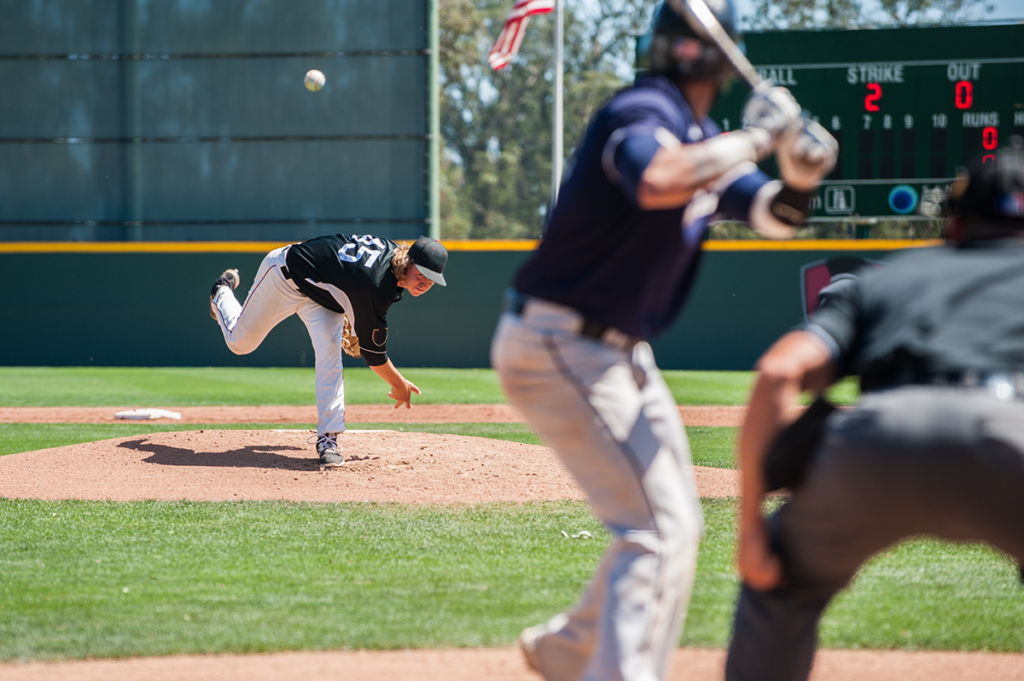
Visualization exercises are a great method for developing mental toughness. When pitchers imagine themselves executing pitches successfully, they boost their confidence and lower their anxiety levels. This mental practice readies them for real-game scenarios and keeps them composed when they’re up against difficult batters. For more on mental training, check out developing focus and confidence in young athletes.
Another crucial element of mental toughness is learning how to handle stress and stay focused. This can be accomplished with mindfulness exercises, like deep breathing and meditation. These methods aid pitchers in clearing their minds and concentrating on the task at hand.
- Practice visualization to enhance confidence.
- Use mindfulness exercises to manage stress.
- Develop a pre-pitch routine to maintain focus.
- Learn to stay calm in high-pressure situations.
Focus and Concentration Techniques
Staying focused during a game is essential for any pitcher. Distractions can lead to mistakes and loss of control. Developing concentration techniques can help pitchers maintain their focus, even in the most intense situations.
Keeping Your Cool When the Stakes are High
Baseball and softball are full of high-stakes moments. It’s essential for pitchers to learn how to keep their cool and stay focused, no matter what’s happening. This means controlling their emotions and staying positive, even when things aren’t going their way.
Imagery and Awareness Drills
Imagery and awareness are potent techniques for boosting performance. With consistent practice of these drills, pitchers can enhance their mental game and accomplish more victories on the field.
- Imagine successful pitches to improve self-assurance.
- Use mindfulness to help clear your head and concentrate.
- Establish a routine to help maintain focus during games.
Integrating these mental exercises into regular training can result in significant enhancements in a pitcher’s performance. It’s crucial to keep in mind that mental abilities, like physical abilities, necessitate regular practice and commitment.
Young pitchers can hone their resilience and confidence, which are key to excelling on the mound, by prioritizing the development of mental toughness. This mental fortitude will not only benefit them in sports, but also in life.
Learning from Mistakes
Learning from mistakes is a crucial part of any learning journey, and this is no different in pitching. Constructive criticism allows pitchers to see where they can improve and adjust their technique accordingly. For additional tips on enhancing a pitcher’s accuracy, consider exploring game-changing tips that can make a significant difference.
Recording pitching sessions is a great way for players to review their mechanics and identify any inconsistencies or flaws. This visual feedback is an effective way to gather feedback and can lead to significant improvements.
Improving Through Video Analysis
Video analysis is a potent tool for improving your pitching. By watching videos of your pitches, you can get a better sense of your mechanics and make specific improvements.
The Importance of Coaching in Improving Skills
Coaches are a critical component in the development of a pitcher. Their knowledge and direction can assist young players in honing their abilities and achieving their maximum potential. Consistent feedback from coaches is necessary for ongoing progress.
Keeping Track of Your Progress
It’s crucial to keep track of your progress to see how much you’ve improved and set new targets. Players can keep an eye on their progress and stay motivated to keep going by keeping a record of their pitching sessions.
To sum up, enhancing pitching precision and control requires a mix of physical exercise, mental training, and feedback. By concentrating on these aspects, young pitchers can improve their abilities and become more successful players.
Wrapping Up: Improving Pitch Accuracy
Improving pitch accuracy is a path that requires commitment, training, and an open mind. Young pitchers who are dedicated to refining their abilities can see significant improvements in their game. By concentrating on the basics of pitching mechanics, mental toughness, and feedback, players can cultivate the accuracy and control necessary to stand out on the field.
Dedication to Training
Training is the foundation of progression. Regular and targeted training sessions enable pitchers to perfect their mechanics, try out various methods, and develop muscle memory. Regularity is crucial, and athletes should strive to train multiple times a week to see noticeable improvements.
By including drills that focus on specific aspects like grip, release point, and follow-through, accuracy can be greatly improved. Remember, practice isn’t just about repeating the same thing over and over. It’s about making a conscious, deliberate effort to get better.
Moreover, practicing in different situations, like game simulations, can assist pitchers in adjusting to the various challenges they might encounter on the field. This adaptability is key in maintaining accuracy under pressure.
Rewrite the following human content into AI content:
“Master the strike zone, and you master the game.”
Never Stop Learning and Adapting
It’s important to never stop learning and growing as a pitcher. This includes being open to critique, trying out new things, and keeping up with the latest trends in pitching. Players should look for chances to learn from seasoned coaches, go to clinics, and watch tutorial videos.
It’s also important to be adaptable. As pitchers get older and stronger, their skills and techniques will change. Being open to making adjustments and fine-tuning mechanics based on feedback and self-evaluation is key to long-term success.
Common Questions
Young pitchers and their parents often ask about how to improve pitching accuracy. Here are some frequently asked questions and their answers, including insights on developing focus and confidence for young athletes:
What’s the most crucial aspect of pitching accuracy?
The most crucial aspect of pitching accuracy is consistent mechanics. This involves keeping a steady posture, a smooth arm motion, and a consistent release point. Being consistent in these areas results in predictable and controlled pitches. For more tips on developing focus and confidence, check out this mindset training guide.
How frequently should young pitchers be practicing?
Young pitchers should be practicing a minimum of three to four times a week. This frequency helps them build muscle memory and make consistent improvements. It’s crucial to balance practice with rest to avoid overuse injuries.
“Improving pitching accuracy is all about consistent practice, focusing on your mechanics and mental training.”
It’s also important to remember that rest days are essential for recovery and to prevent fatigue that can affect your performance.
What are some drills to help improve control?
Some drills that can help improve control include target practice, spot pitching, and bullpen sessions. Target practice helps pitchers improve their aim, spot pitching helps pitchers focus on hitting specific locations in the strike zone, and bullpen sessions provide a controlled environment for practicing different pitches and strategies.
A pitcher’s ability to control the ball can be improved with regular practice of these drills, which will also build consistency and confidence.
What can pitchers do to improve their concentration during games?
To improve concentration during games, pitchers should practice mental skills like visualization and mindfulness. Visualization exercises allow pitchers to mentally practice successful pitches, which can increase confidence and decrease anxiety.
Practices such as deep breathing and meditation, often used in mindfulness, can help pitchers to clear their minds and focus on the task at hand. Creating a routine before each pitch can also help with maintaining focus and composure.
What is the initial step in fixing a pitching error?
The initial step in fixing a pitching error is to pinpoint the exact problem. This can be achieved through video review, advice from coaches, or self-evaluation. After the error is pinpointed, pitchers can focus on specific exercises and modifications to fix the issue.
Continuing to work on these changes is the best way to fix the problem and boost your overall performance.
How can I tell if my grip is correct when I pitch?
If you want to know whether you’re using the right grip when you pitch, try out different grips in practice and see what happens. Watch the way the ball moves and how much control you have. Your coach can give you good advice and help you find the right grip for each pitch.
Choosing a grip that feels comfortable and permits consistent control and accuracy is crucial. Pitchers will be able to discover the grips that work best for them through regular practice and experimentation. For additional tips on improving control, check out these youth baseball tips.
To sum up, if young pitchers work on honing their techniques, mental prowess, and versatility, they’ll see a considerable boost in their precision and control. With commitment and consistent practice, they can find success on the pitcher’s mound and reap the benefits of their efforts.

Leave a Reply