Primary Points
- The size of a softball glove changes based on the age and position of the player, with younger players needing smaller gloves to help them develop their skills.
- Correctly sizing a glove improves performance and helps prevent bad habits from forming in young players.
- Measuring from the tip of the index finger to the heel of the glove will give the correct size.
- Infielders often need smaller gloves with shallow pockets, while outfielders can benefit from larger gloves.
- Before buying, always try on gloves to make sure they fit snugly without being too tight.
Grasping the Fundamentals of Softball Glove Sizing
It can feel daunting to choose the right size for a softball glove, particularly when there are so many options to pick from. However, if you grasp the fundamentals, it becomes much easier. The most important thing to remember is that glove size is usually measured in inches, from the top of the index finger down to the middle of the heel. This measurement is vital because it helps players find a glove that fits them well and supports their performance on the field.

When you walk into a store, you might see gloves ranging from 9 inches to 14 inches. These sizes aren’t just random numbers; they correspond to different positions and age groups. For instance, a glove size of 9 to 11.5 inches is often recommended for young players under the age of eight. As players grow older, typically between ages 10 to 14, they should look for gloves in the range of 10 to 12 inches. For those over 15, a glove size between 11 and 13 inches is usually suitable.
The Importance of Proper Sizing
Think about how difficult it would be to catch a ball with a glove that is either too large or too small. It would be quite frustrating, wouldn’t it? That’s why it’s so crucial to have a glove that fits correctly. A glove that fits well allows players to have better control and makes catching and holding onto the ball easier. This is particularly important for young players who are just beginning to learn the sport. If their glove doesn’t fit properly, they may develop poor habits or become disheartened.
Additionally, the correct sizing can help avoid injuries. A glove that is too large may fall off during a game, while a glove that is too small can limit movement and cause discomfort. By selecting the correct size, players can have more fun with the game and enhance their abilities more quickly. For more tips on improving your game, check out these youth baseball defensive drills.
Typical Errors in Selecting Glove Size
A frequent error in selecting a glove size is the belief that larger is always superior. Some parents believe that purchasing a larger glove will allow their child to “grow into it.” This, however, can prevent a child from catching effectively and learning the correct techniques.
Another common error is failing to take into account the player’s position. Different positions on the field necessitate different glove sizes and types. Infielders, for example, require gloves with shallow pockets for quick ball retrieval, while outfielders benefit from larger gloves that assist in catching fly balls. Overlooking these specific requirements can have an impact on a player’s performance.
Finally, not trying on the glove before buying it is a huge mistake. Each player’s hand is unique, and the feel of a glove can differ depending on the brand and model. So, it’s important to make sure the glove fits comfortably and securely before deciding.
What Determines The Size Of The Glove You Choose?
There are many things to consider when choosing a glove size, and knowing what they are can help you or your child make the best choice.
Guidelines Based on Age
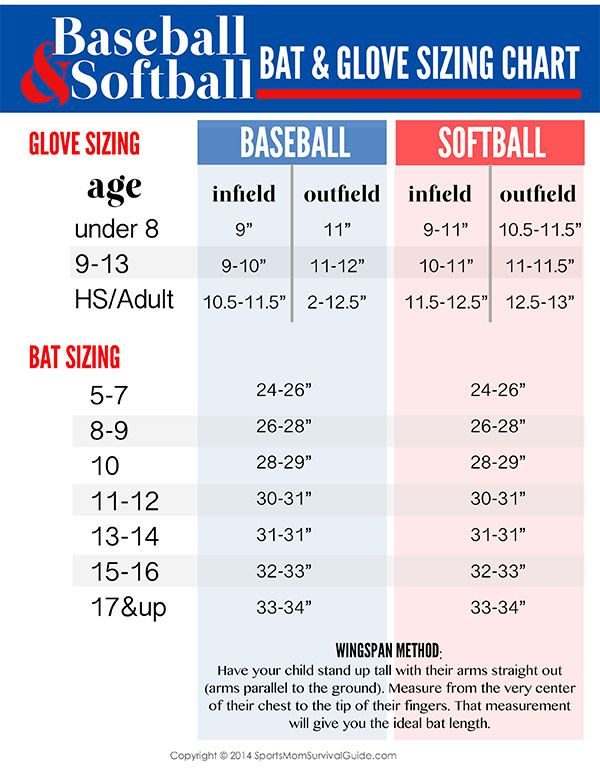
Age plays a major role in determining the size of a glove. Younger players have smaller hands and need gloves that fit well to help them develop their skills. Here’s a basic guide to follow:
- Children under 8 years old: 9 to 11.5 inches
- Children between 10 to 14 years old: 10 to 12 inches
- Teenagers and adults over 15 years old: 11 to 13 inches
These are general recommendations and a good starting point, but keep in mind that individual needs can vary.
How Your Position Affects Your Glove Size
Age isn’t the only factor that determines the size of your glove. The position you play in the field also has a big impact. Infielders typically choose smaller gloves with shallow pockets. This makes it easier for them to quickly transfer the ball from their glove to their throwing hand. It’s a critical skill for reacting to ground balls and making fast throws.
Meanwhile, outfielders are more advantaged by larger gloves with deeper pockets. These gloves aid them in catching fly balls more effortlessly, providing them with an edge when pursuing balls hit high in the air.
How Play Style Affects Glove Size
Finally, how a player plays the game can also determine what size glove they choose. Players who are more aggressive and often dive for balls may want a glove that gives them more protection and fits snugly. On the other hand, players who depend on their speed and quickness may want a glove that is lighter and does not restrict their movement.
How to Measure Your Hand Size
Measuring your hand size correctly is crucial for finding the right glove. Use a flexible measuring tape or a string to measure your hand. Start at the tip of your index finger and measure down to the middle of your palm, where the heel of the glove would be. This measurement in inches will help you figure out what glove size you need. Remember to measure both hands because they can sometimes be different sizes.
Think about the width of your hand in addition to the length. Some mitts are made for hands that are thinner or wider, so understanding the width of your hand can assist you in finding a glove that fits better. When taking measurements, wrap the tape around the broadest part of your hand, typically around the knuckles, and don’t include the thumb. For more tips on improving your softball skills, check out these tips and drills for girls.
Deciphering Glove Measurement Labels
If you’re new to the world of softball, glove labels might seem a bit perplexing. You’ll typically find a size label on the thumb or pinky of most gloves, which displays the length of the glove in inches. So, if you see a label that says “11.5,” this tells you the glove is 11.5 inches long. This simple number can help you quickly determine whether the glove falls within the size range you’re looking for.
Some gloves also have extra labels that show the position they are meant for, like “infield” or “outfield.” Keep an eye on these labels, as they can help you choose a glove that’s made for your position. Keep in mind, a glove that fits an infielder well may not fit an outfielder well, and the other way around.
Test Before You Invest
After you’ve figured out the right size, it’s time to try on a few different gloves. Go to a sports store and try on a few different types to find the one that feels the best. When you’re trying on a glove, make sure it fits snugly, but isn’t too tight. You should be able to move your fingers freely without feeling like you’re being held back. For more information on getting the right fit, check out this Softball Glove Sizing Guide.
Take note of the way the glove feels when you open and close it. The glove should be able to easily close around a ball, giving a firm grip. If you find it hard to close the glove or if it feels uncomfortable, it may not be the right fit. Above all, trust your gut feeling. If a glove feels good, it most likely is.
Specific Glove Size Requirements for Each Position
Each position on the softball field requires a specific glove size and style to perform at its best. Understanding what your position requires can help you select the best glove.
Players who play in the infield usually require gloves that are smaller and have shallow pockets. This is because these gloves allow for the ball to be transferred quickly, which is essential for making plays quickly. The size of an infield glove is typically between 10.5 and 12 inches, but this can vary depending on the age and preference of the player.

Comparing Infield and Outfield Gloves
Outfielders typically need bigger gloves that have deeper pockets. This type of glove is designed to help them catch fly balls more effectively because it gives them a larger surface area to secure the ball. Outfield gloves usually range from 12 to 14 inches, which provides the reach and depth that they need to make successful catches.

Position-Specific Gloves: Catcher and First Baseman
The catcher’s mitt is unlike any other glove. It has extra padding to handle fast pitches and a closed web to provide a secure catch. These gloves are measured differently, typically from 31 to 34 inches. If you’re a catcher, you’ll need one of these. For those looking to enhance their skills, check out some baseball training apps to sharpen your game.
First base mitts have a unique design. They look like a combination of a fielder’s glove and a catcher’s mitt, providing a broad, flat surface for catching and scooping balls. These gloves usually measure between 12 and 13 inches and are essential for players receiving throws from infielders.
Tips for Parents and Coaches
As a parent or coach, it’s crucial to assist young players in finding the correct glove size. Begin by knowing the player’s position and age, then guide them in accurately measuring their hand. Encourage them to try on various gloves to find the most comfortable fit. For more guidance, explore our youth baseball practice plans to enhance their skills on the field.
During this process, it’s important to be patient and supportive. The right glove can make a huge difference in a player’s enjoyment and success in the game. By taking the time to find a glove that fits well, you’re setting them up for a great experience on the field.
Indications of a Properly Fitted Glove
What should you look for to determine if a glove fits properly? Here are some indications:
Rewrite the following human content into human content:
- The mitt is snug yet comfy, without any pinching or tightness.
- The player can effortlessly open and close the mitt.
- The mitt remains securely on the hand throughout the game.
- The player is confident and at ease using the mitt.
“A well-fitting mitt is like an extension of the player’s hand, offering comfort and control on the field.”
If a mitt exhibits these signs, it’s probably a good fit for the player. However, remember that mitts may need a break-in period to achieve the best comfort and performance.
Keeping an Eye on Growth and Changes in Fit
Young players are constantly growing, and this means their glove size requirements can change. It’s important to keep checking that their glove still fits properly. If a glove starts to feel too tight or causes discomfort, it might be time to think about moving up to the next size.
Urge players to express any discomfort or problems they have with their glove. By being proactive, you can make sure they always have the right equipment to support their growth and development in the sport, such as using swing aids and trainers to enhance their skills.
Common Questions
Choosing the right softball glove can lead to many questions. Let’s tackle some of the most frequently asked questions to help you make the best choice.
What is the process for sizing my hand for a softball mitt?
If you want to size your hand for a softball mitt, start at the top of your pointer finger and measure down to the middle of your palm, where the base of the glove will sit. This measurement in inches will help you determine the right glove size. It’s a good idea to measure both hands, as they can sometimes be different sizes. For more tips on youth softball gear, check out youth softball sunglasses and durable eyewear.
What’s the ideal glove size for a 10-year-old?
Typically, a glove size between 10 and 12 inches is suggested for a 10-year-old. This size range strikes a good balance between control and reach, helping young players to hone their skills effectively. But remember to also take into account the player’s position and personal preference when deciding on the size. For additional tips on improving fielding skills, check out these youth baseball defensive drills.
Why is the material of the glove important?
The material from which a glove is made is of the utmost importance because it impacts how long the glove lasts, how comfortable it is to wear, and how well it performs. Leather gloves are a favorite among many due to their long-lasting nature and flexibility, making them perfect for those who play often. Synthetic gloves are typically lighter and less expensive, which makes them a great option for those who are new to the game.
Does glove size influence how a player performs?
Indeed, glove size can have a substantial effect on a player’s performance. A glove that fits well provides better control, which makes catching and holding the ball easier. On the other hand, a glove that is too big or too small can interfere with a player’s ability to perform, causing frustration and possibly leading to the development of poor habits.
How can I tell if a glove is too big or too small?
A glove that is too big might fall off the hand or feel awkward to use during play. Conversely, a glove that is too small might feel constricting and make it hard to open and close. Try to find a glove that fits snugly but comfortably on the hand, allowing for easy movement and control.
How should a new glove fit?
A new glove should fit snugly but not be too tight. It should give you some room to move and be flexible while also fitting securely. As the glove breaks in and forms to the player’s hand, it will become more comfortable and perform better.
When should a player reassess their glove size?
Players should reassess their glove size at the beginning of every season, especially for younger players who are still growing. Regularly checking the fit makes sure the glove still fits the player’s needs and helps them improve in the sport.
How are softball gloves different from baseball gloves?
Although they may look alike, softball and baseball gloves have distinct differences. Softball gloves typically have larger pockets to fit the larger ball used in the game. Conversely, baseball gloves are usually smaller and more compact. It’s crucial to select a glove that’s specifically made for the sport you play.
To wrap up, choosing the correct softball glove is vital for improving a player’s abilities and enjoyment of the game. Factors such as age, position, and personal preference should be taken into account to find a glove that fits well and aids in skill development. Keep in mind, the right glove can make all the difference on the field. For more guidance, check out this Softball Glove Sizing Guide.

Leave a Reply