Main Points
A pre-pitch routine aids in keeping players alert and prepared for the following play.
Crucial components encompass mental readiness, physical preparedness, and positioning.
Infield drills like ground ball fielding and double play turns improve abilities.
Outfield drills such as fly ball catching and play backing up are vital for successful gameplay.
Effective practice plans and positive reinforcement are crucial for growth.
Youth Baseball Pre-Pitch Routine: Infield & Outfield Drills
The Importance of a Pre-Pitch Routine
In youth baseball, a reliable pre-pitch routine can greatly affect a player’s performance. This routine assists players in staying alert, predicting plays, and reacting swiftly. It’s not only about physical preparedness, but mental readiness as well.
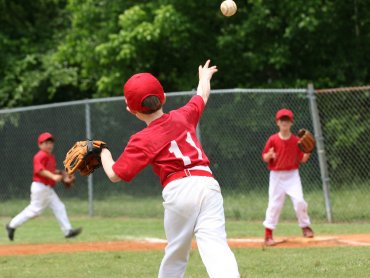
Consider this: when athletes have a regular routine, they know precisely what to do prior to every pitch. This regularity minimizes mistakes and boosts self-assurance.
Essential Elements of a Youth Baseball Pre-Pitch Routine
There are several important elements in a successful pre-pitch routine. Here’s a closer look at them:
Mindset: Players should imagine the play and predict where the ball might end up.
Physical Stance: This includes assuming an athletic stance and being prepared to move in any direction.
Placement: Players should make sure they are in the right position based on the batter and game situation.
Infield Drills to Improve Pre-Pitch Routine
Practicing specific infield drills can assist players in developing a solid pre-pitch routine. These drills concentrate on various aspects of fielding and positioning.
Handling Grounders
For infielders, one of the most basic skills is handling grounders. Here’s how to work on it:
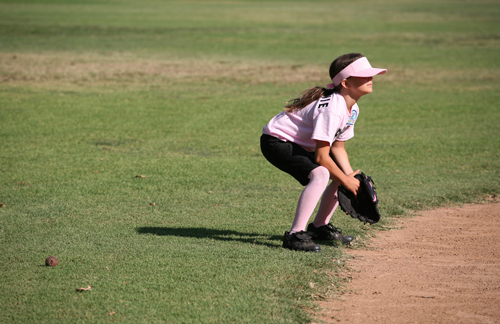
Start with a Ready Position: Players should begin in an athletic stance, ready to move.
Read the Ball: As the ball approaches, players need to judge its speed and direction.
Field the Ball: Players should use both hands to secure the ball and bring it to their chest.
“Encourage all your players to take a direct path to ground balls and fly balls.” – USA Baseball
Backhands and Forehands
Fielding balls hit to the left or right requires different techniques. Here’s how to practice backhands and forehands:
Backhand Exercises: Athletes should practice shifting to the side of their glove and using a backhand to field the ball.
Forehand Exercises: Athletes should practice shifting to the side of their throwing hand and using a forehand to field the ball.
Double Play Rotations
Turning double plays is an essential skill for infielders. These exercises assist athletes in performing double plays seamlessly:
Footwork: Players should work on the footwork that is necessary to transition from fielding the ball to throwing it to second base.
Quick Release: Players should concentrate on releasing the ball from their glove quickly and accurately.
Footwork and Positioning
Good footwork and positioning are key for all infielders. Here are some drills to help improve these skills:
Footwork Drills: Young players should practice moving their feet in a shuffling motion to maintain balance and stay ready for action.
Placement Drills: Young players should practice how to position themselves appropriately based on the batter and the current game situation.
Catching Line Drives
Catching line drives can be difficult because of their speed and trajectory. Here are some tips on how to practice effectively:
Fast Reaction Drills: Athletes should practice their response time to line drives by using short, swift throws from a coach or machine.
Eye-Hand Coordination: Athletes should practice following the ball with their eyes and making rapid, accurate movements with their glove.
These exercises help athletes develop the reflexes necessary to catch line drives and make quick decisions on the field. For more on tailored skills, check out baseball training for kids.
Getting the Ball to the Bases
It’s critical for infielders to make precise throws. Here’s a way to work on infield drill progression to get the ball to the bases:
Aim and Throw: Arrange targets at every base and encourage players to practice throwing at them from different positions on the field.
Steps and Stances: Stress the importance of correct footwork when throwing to guarantee precision and strength.
Supporting the Play
Supporting the play is an essential part of infield defense. Here’s how to drill this skill:
Drills for Positioning: It’s crucial for players to rehearse how to properly position themselves to support throws to bases.
Drills for Communication: Highlight the necessity of players communicating with one another to make sure everyone is aware of their part in supporting plays.
These drills are a great way to teach players the significance of being where they’re supposed to be when they’re supposed to be there and communicating well with their fellow players.
How to Successfully Conduct Drills
For your players to truly benefit from these drills, they must be conducted correctly. Here are some suggestions to ensure you’re making the most of your practice time:
Designing Productive Practice Schedules
It’s crucial to have a well-organized practice schedule to get the most out of your drills. Here’s how to put one together:
Define Your Goals Clearly: Decide on what you want to accomplish in each training session, and make sure to let your players know about these goals.
Introduce a Range of Drills: Include a variety of drills to keep your players interested and to work on different skills.
Give Time for Rest: Make sure your players have time to rest and recover in between drills to avoid fatigue and keep their focus.
“If you want your players to improve, they should be fielding more than 10-15 balls at practice.” – Brian Smith, Youth Baseball Coach
Promoting Player Communication
Having good communication is crucial for a successful team. Here’s how to encourage it:
For more tips on building a strong team, check out these confidence-building techniques for Little League players.
Team Discussions: Conduct regular team discussions to talk about game plans and make sure everyone understands their role.
Interaction Drills: Include drills that demand players to interact with one another, like signaling for fly balls or organizing double plays.
By promoting open interaction, players will learn to cooperate more efficiently and make smarter choices on the field.
Maximizing the Use of Equipment
Proper use of equipment can significantly improve your drills. Here are some tips on how to do it:
Quality Equipment is Key: Make sure players have quality gloves, bats, and protective gear at their disposal.
Use Training Tools: Use training tools like pitching machines, agility cones, and resistance bands to improve drills.
With the correct equipment, players can practice more efficiently and improve their skills at a faster pace.
More Advice for Parents and Coaches
Parents and coaches are instrumental in the growth of young athletes. Here are some more pieces of advice to help you support your players: consider these swing techniques and consistency tips for coaching kids.
Creating a Positive Atmosphere
Applaud Effort: Recognize players for their determination and perseverance, not just their results.
Give Constructive Criticism: Provide detailed, implementable feedback to assist players in enhancing their skills.
Boost Team Morale: Motivate players to back each other up and function as a cohesive unit.

Leave a Reply