Key Points
Proper throwing mechanics are crucial for accuracy and injury prevention.
A solid grip is the bedrock of a powerful and accurate throw.
Correct foot positioning and body alignment are key to generating power.
Hip and shoulder rotation significantly boost throwing speed.
Regular practice and specific drills can enhance throwing mechanics over time.
Essentials of Throwing Mechanics for Young Baseball & Softball Pitchers
Throwing a baseball or softball may seem straightforward, but mastering the mechanics is vital for young athletes. Proper mechanics not only enhance performance but also help avoid injuries. Let’s delve into the essentials to help young pitchers hone their skills.
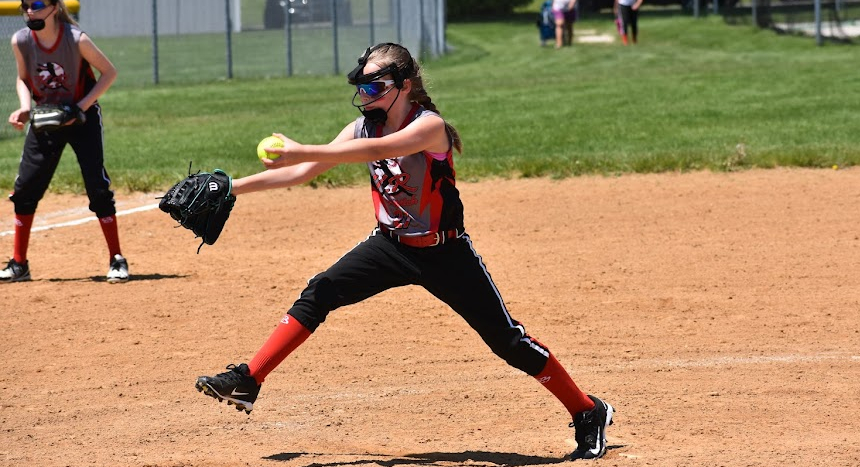
Why Throwing Mechanics Matter
Throwing mechanics lay the foundation for a strong pitch. When executed right, they enable the pitcher to throw with precision and force. But most importantly, good mechanics minimize the chance of injuries, particularly to the shoulder and elbow. This makes it vital for young players to learn and master these mechanics early in their careers.
Breaking Down the Essential Elements of a Throw
Several crucial elements come together to make a throw. These are the grip, where you put your feet, how your body is aligned, the path your arm takes, and how your hips and shoulders rotate. Each of these elements is crucial to the way a throw is made. Let’s look at each of these parts in more detail to understand why they’re so important.
How to Hold the Ball: The First Step in a Successful Pitch
The way you hold the ball is the starting point for a good throw in both baseball and softball. Holding the ball correctly means it’s secure in your hand and will be released in the right way. For the most common pitch, the four-seam fastball, the pitcher should have the ball in their hand with their index and middle fingers over the seams. The thumb should be underneath the ball to support it. For more tips on improving your technique, check out improving youth pitching mechanics.
It’s crucial to hold the ball with a light grip. If the grip is too tight, it can cause tension in the arm, which can negatively affect the accuracy and speed of the throw. Young pitchers should be encouraged to practice their grip often because a good grip is the basis of a good throw.
Setting Up and Standing
Before a pitcher can throw, they need to get into the right stance. This means standing with feet shoulder-width apart and knees slightly bent. The body should be loose but ready to spring into action. The setup is the foundation for a strong and precise throw. For more detailed insights, check out these youth pitching mechanics.
Correct Positioning of the Feet
Positioning the feet correctly is vital for power generation and balance maintenance. The pitcher should begin with their feet parallel to the target. When they get ready to throw, the back foot should pivot, and the front foot should take a step in the direction of the target. This action aids in transferring energy from the lower body to the upper body, leading to a more powerful throw. For additional tips on improving your child’s pitching, check out these power-boosting drills.
Positioning Your Body
Having the right body position is key to a pitcher’s ability to throw with the greatest power and precision. The shoulders should be pointing at the target, and the head should be kept still. As the pitcher goes through the throwing action, the body should turn smoothly, with the chest pointing at the target when the ball is released.
It takes time and focus to keep your body aligned properly. Coaches and parents can assist by giving feedback and correcting any alignment issues.
Typical Throwing Errors and How to Fix Them
Despite their best efforts, young pitchers can fall into poor habits that impact their throwing mechanics. Identifying and rectifying these errors early in their training is crucial for their progression. Here are some typical errors and suggestions for correcting them.
Wrong Way to Hold the Ball
Having a wrong grip on the ball can result in bad control and less power when throwing. One typical error is holding the ball too firmly, which can lead to stress in the arm. Another problem is wrongly positioning the fingers on the seams.
To fix this, make sure the pitcher holds the ball lightly, using their fingertips instead of their palm. The index and middle fingers should go across the seams for a four-seam fastball, with the thumb underneath for support. Practicing this grip regularly will help make it a habit.
Bad Body Positioning
Bad body positioning can result in throws that are off target and can put more stress on the arm. This is usually caused by the pitcher not lining up their shoulders with the target or not keeping their head stable.
To improve body alignment, pay attention to the pitcher’s standing position and movement. The shoulders should be lined up with the target, and the head should be stable during the entire throw. Coaches can use drills that stress the importance of correct alignment, such as throwing at a stationary target, to help young pitchers master this skill.
Off-Target Release Point
For precision and consistency, the release point is key. An off-target release point can cause the ball to veer off course and lessen the impact of the pitch. Typical problems include letting go of the ball too soon or too late.
Fix this by telling the pitcher to pay attention to their follow-through. Their arm should be fully extended and their wrist should snap when the ball is released. Either practicing with a buddy or using a net can help pitchers find and keep the right release point.
Establishing Correct Pitching Techniques at a Young Age
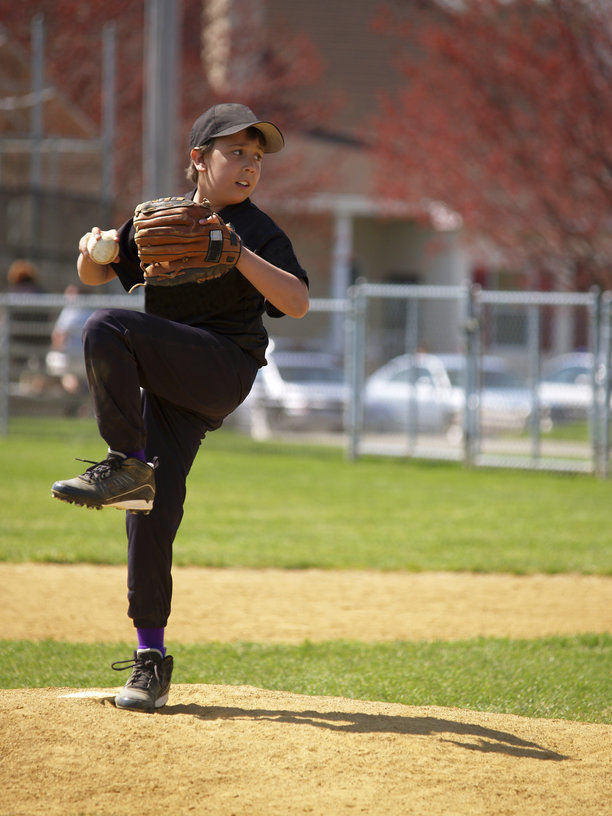
Instilling the right throwing techniques at a young age paves the way for a successful career in pitching. It’s simpler to form good habits at the start than to fix bad ones later on. As a result, it’s crucial to start young players off on the right foot.
Why it’s Important to Learn Skills Early
There are several reasons why it’s important to learn the right mechanics early on. Firstly, it can help improve performance. With the right mechanics, pitchers can throw more accurately and with more power. Secondly, it can help reduce the risk of injury. The right mechanics can help reduce the strain on the arm and shoulder, which can help prevent injuries.
In addition to that, acquiring these abilities at an early age fosters self-assurance. Young pitchers who are aware of their excellent mechanics are more likely to excel and find joy in the game. This positive experience can help them stay interested and driven to keep getting better.
Long-lasting Effects on Performance and Health
Having the right mechanics can have a long-lasting effect on a pitcher’s performance and health. Pitchers who use the right mechanics are less likely to get injured, which can cut their careers short. They also tend to perform better, as they can throw more accurately and faster.
Foremost, solid mechanics contribute to comprehensive athletic growth. They aid young athletes in developing strength, coordination, and body awareness, all of which are beneficial skills in any sport.
Workouts and Practice Routines to Improve Throwing Techniques
Consistent training and specific practice routines are crucial to bettering throwing techniques. Here are some workouts and practice routines that can assist young pitchers in honing their abilities.
Exercises to Strengthen Grip
Having a strong grip is essential for keeping control of the ball. Basic exercises such as squeezing a stress ball or utilizing grip strengtheners can be beneficial. The “finger flick” is another beneficial drill. The pitcher holds the ball with only their fingertips and practices flicking it forward.
Drills for Footwork
Correct footwork is crucial for creating power and keeping balance. One drill that works well is the “step and throw.” In this drill, the pitcher practices stepping towards the target and throwing the ball. Another good drill is the “pivot and throw.” This drill focuses on pivoting the back foot and shifting weight to the front foot.
Exercises for Arm Trajectory and Movement
The trajectory and movement of the arm are essential for a fluid and strong throw. A useful exercise is the “shadow throw,” in which the pitcher rehearses the throwing movement without a ball. This allows them to concentrate on the motion of their arm and body. Another exercise is the “mirror throw,” in which the pitcher throws in front of a mirror to watch and adjust their technique.
Young pitchers can improve their throwing mechanics by consistently practicing these drills. Remember, the key to developing good habits is consistency and repetition. For additional tips, check out these power-boosting drills.
Exercises for Arm Trajectory and Movement
Having the right arm trajectory and movement is crucial for a seamless and forceful throw. A useful exercise is the “shadow throw,” where the pitcher practices the throwing movement without a ball. This helps them concentrate on their arm and body’s motion. Another exercise is the “mirror throw,” where the pitcher throws in front of a mirror to watch and rectify their stance.
A great exercise is the “wall drill.” In this drill, the pitcher stands near a wall and goes through the throwing motion without actually letting go of the ball. This exercise helps to make sure the arm stays on the right track and stops “casting” (when the arm gets too far away from the body).
Wrapping Up and Looking Ahead
Becoming proficient in the basics of throwing mechanics doesn’t happen overnight. It takes commitment and repetition. By zeroing in on the essential elements like how to hold the ball, where to place your feet, how to position your body, and how to rotate, budding pitchers can greatly enhance their skills and lessen the chance of getting hurt.
Practice the correct grip regularly to establish a solid foundation.
Focus on the right foot placement and body alignment to generate power.
Include drills that focus on hip and shoulder rotation.
Address common mistakes early to foster good habits.
Promote a positive mindset and regular practice.
With these steps, young pitchers can cultivate the skills they need to excel on the field. Remember, the key to building and maintaining the right mechanics is consistency and repetition. For more tips on improving pitching techniques, check out this article on improving youth pitching mechanics.
Keep Training and Revising
Regular training is key to mastering throwing mechanics. Inspire young pitchers to keep training, focusing on one mechanic at a time. Evaluating their performance and making necessary changes will help them keep getting better.
Promoting a Positive Mindset
In addition to technical abilities, it’s critical to nurture a positive mindset in young players. Inspire them to remain driven, take pleasure in the sport, and see errors as chances to learn. Maintaining a positive attitude will assist them in staying dedicated to their practice and cultivating a lasting passion for the game.
Common Questions
What’s the Best Grip for Young Pitchers?
Young pitchers are recommended to use a four-seam grip for a fastball. This means the index and middle fingers are placed across the seams of the ball, and the thumb is placed underneath for support. The grip should be firm, but not too tight, to avoid tension in the arm.
What are some ways to enhance footwork in young pitchers?
Enhancing footwork can be achieved by practicing drills such as “step and throw” and “pivot and throw.” These drills allow pitchers to concentrate on stepping towards the target and shifting weight from the back foot to the front foot, creating power and keeping balance.
What Exercises Improve Arm Movement?
Exercises such as the “shadow throw,” “mirror throw,” and “wall drill” are beneficial for enhancing arm movement. These exercises assist pitchers in concentrating on the proper arm path and motion, resulting in a fluid and forceful throw. Additionally, incorporating pre-pitch routines can further improve overall pitching mechanics.
How Can Coaches Fix Bad Throwing Techniques?
Coaches can fix bad throwing techniques by giving consistent feedback, showing the correct methods, and implementing specific drills. It’s crucial to fix problems such as wrong grip, bad body positioning, and incorrect release points early to form good habits. For more information on this topic, check out this article on mechanics of throwing.
Why Does Shoulder Rotation Matter in Throwing?
Shoulder rotation is key to producing force and maintaining a fluid throwing motion. Correct rotation aids in moving energy from the lower body to the upper body, leading to a more powerful and precise throw. Drills that focus on hip and shoulder rotation can help enhance this element of throwing mechanics.
How Does Early Skill Development Affect Young Pitchers?
Early skill development is crucial to a successful pitching career. It helps young athletes establish good habits, improve their performance, and decrease the chance of injuries. Starting early also builds confidence and promotes a positive attitude towards the sport, encouraging long-term participation and enjoyment. For more insights on improving performance, check out mechanics of throwing.

Leave a Reply