Main Points
Mentoring in youth baseball can help to develop character and improve skills.
Effective mentors will show leadership, patience, and good communication skills.
Baseball role models can inspire young players through their actions and achievements.
Important skills for young players to learn include teamwork, resilience, and sportsmanship.
Effective communication and feedback are key to building trust and development.
Youth Baseball Mentors, Role Models & Development Tips
The Importance of Mentoring in Youth Baseball
Youth baseball is more than just a game; it’s a chance for young athletes to learn important life lessons. Mentoring is a key part of this development. When older players take the time to guide younger ones, it creates a positive environment where growth and learning can take place. Most importantly, it helps young players to build their confidence and develop important skills that they can use both on and off the field.

Guidance, support, and encouragement are some of the benefits mentors can provide. This relationship helps younger players navigate challenges and improves their overall experience in the sport. In addition to that, mentorship fosters a sense of community and belonging, making the team stronger and more cohesive.
Why Mentors Matter in Youth Baseball
Mentors play a crucial role in youth baseball as they act as a conduit between learning and doing. They equip young players with the skills they need to excel. By imparting their wisdom and experiences, mentors can have a profound effect on the growth of budding athletes.
What Makes a Great Mentor?
A great mentor in youth baseball is someone who is not only skilled in the sport but also has strong leadership abilities. They should be patient, understanding, and able to effectively communicate with young players. Here are some key traits of a great mentor:
Leadership: Setting an example and motivating others.
Patience: Recognizing that learning takes time and dedication.
Communication: Conveying instructions and feedback effectively.
Empathy: Understanding the challenges faced by younger players.
Supportive: Pushing and inspiring players to give their best.
Skills and Techniques Imparted by Mentors
Mentors are crucial in imparting key skills and techniques to young players. These include:
Hitting: The right way to stand, hold the bat, and swing.
Defense: How to use your feet and glove, and where to stand.
Pitching: How to move your arm, where to let go of the ball, and how to finish the pitch.
Strategy: How to understand what’s happening in the game and make good choices.
When mentors work on these things with young players, it can make them better overall and help them understand the game more.
Successful Mentorship Tales in Youth Baseball
There are many tales of successful mentorship in youth baseball. Take, for instance, the story of Coach Mike and his student, Jake. Coach Mike saw Jake’s potential early on and decided to mentor him. He devoted additional time to helping Jake improve his batting technique and fielding drills. As a result, Jake’s abilities improved significantly, and he became one of the team’s top players.
“I wouldn’t be where I am today without Coach Mike’s mentorship. He believed in me when I didn’t believe in myself,” Jake admitted.
These stories underscore the profound influence that mentorship can have on young athletes. It’s not just about honing skills; it’s about building confidence and fostering a love for the game.
For more insights on coaching, check out these youth baseball coaching tips.
The Impact of Role Models in Youth Baseball
Role models are incredibly influential in inspiring young players. They lead by example, their actions and accomplishments encouraging others to aim for greatness. In youth baseball, role models can be older players, coaches, or even professional athletes.
Finding Good Role Models in the Game
Young players need to find and admire good role models. These people show qualities like commitment, effort, and fair play. They illustrate what it takes to be a real athlete on and off the field. For more insights on fostering these qualities, check out these top tips to prevent youth baseball burnout.
Young players can learn how to identify positive role models through their parents and coaches. They can do this by observing exemplary behavior and discussing the qualities that make these individuals worth emulating.
Inspiring Young Athletes Through Role Models
By setting high standards and demonstrating that success can be achieved through hard work and determination, role models inspire young players. Seeing their role models excel motivates young athletes to push their limits and aspire to greatness. For more insights on how mentors can guide and inspire younger athletes, check out this article on mentorship in youth baseball.
For instance, a young athlete might look up to a professional player’s commitment to practice and their knack for performing well under pressure. This admiration can turn into a strong work ethic and a desire to better their own abilities.
Fostering Self-Assuredness and Tenacity
It’s important to foster self-assuredness and tenacity in young players for their growth. Self-assuredness stems from honing abilities and attaining minor victories on the field. Role models can assist by establishing attainable objectives and acknowledging advancement. This fosters a feeling of achievement and motivates players to continue stretching their boundaries.
On the flip side, resilience is nurtured by facing obstacles and learning from mistakes. Coaches should instill in young athletes the understanding that errors are a natural part of the learning journey. By offering helpful criticism and promoting a positive attitude, coaches can aid athletes in recovering from setbacks more robustly. For more insights on character development, check out why sports coaches need character development training.
Collaboration and Guidance in Junior Baseball
Collaboration and guidance are vital skills in junior baseball. Being a member of a team instructs young athletes on how to collaborate to achieve a shared objective. Role models can nurture collaboration by highlighting the significance of dialogue, teamwork, and mutual assistance.
Being a leader means taking charge and being a good role model for others. Mentors can inspire young athletes to become leaders by letting them lead practices, make choices, and inspire their teammates. This strengthens their leadership abilities and gets them ready for future positions both on and off the diamond.
Finding the Right Mix of Training and Fun
It’s crucial for young athletes to work hard and refine their abilities, but it’s just as crucial to make sure they’re having a good time. Striking the right balance between training and fun keeps them excited and wards off exhaustion. Coaches can make training sessions enjoyable and engaging by including games and friendly contests.
Furthermore, mentors should motivate players to explore other hobbies and activities beyond baseball. This aids in the development of a well-rounded character and maintains their passion for the game.
Establishing Trust and Communication
Trust and communication are the building blocks of a successful mentor-mentee relationship. When young players trust their mentors, they are more likely to listen to their advice and apply it effectively. Building trust requires consistency, honesty, and respect.
Effective communication doesn’t just mean providing clear instructions, but also actively listening to the players’ concerns and feedback. This two-way communication helps create a supportive environment where players feel valued and understood. For more tips on fostering a positive environment, check out these top tips to prevent youth baseball burnout.
Make sure you’re easy to talk to and available for questions.
Offer helpful advice and steer clear of negative comments.
Promote open conversations and share your own experiences.
Building a Welcoming Atmosphere
Building a welcoming atmosphere where athletes feel at ease expressing their feelings is crucial for their development. Coaches should encourage a sense of openness by being easy to talk to and inspiring athletes to voice their thoughts and suggestions.
This inclusive atmosphere fosters trust and encourages players to share their experiences and learn from each other. It also helps to create a sense of unity and makes the team more unified.
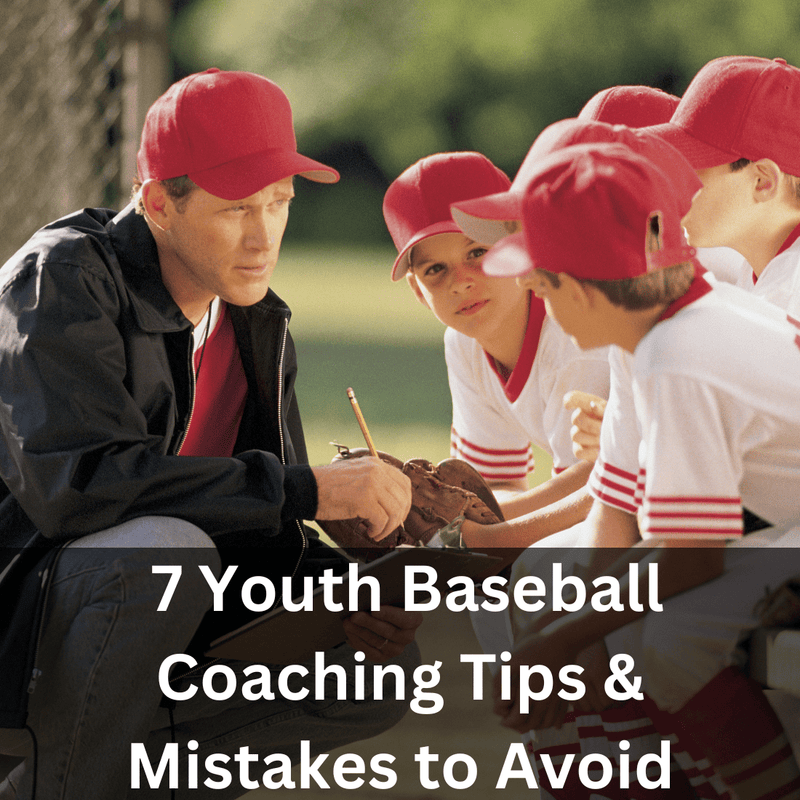
How to Give Feedback Effectively
It’s really important to give feedback that helps young players grow and develop. The feedback you give should be specific, helpful, and focused on how they can get better. Here are some ways to give feedback that really works, including the importance of practice:
Use the “sandwich” method: Start with positive feedback, followed by areas for improvement, and end with encouragement.
Be specific: Point out what the player did well and what needs improvement.
Focus on effort: Highlight the player’s hard work and dedication.
Encouraging Questions and Curiosity
Encouraging questions and curiosity helps young players become more engaged and proactive in their learning. Mentors should create an environment where players feel comfortable asking questions and exploring new ideas.
This method, which is driven by inquisitiveness, allows players to understand the game at a deeper level and to develop their critical thinking skills. It also encourages them to take responsibility for their learning and to become more self-reliant.
Leading by Example
Young players look up to their mentors and role models. By leading by example, these individuals can motivate and steer players towards cultivating good habits and principles in and out of the game. For additional insights, check out this guide on the learning styles of young players.
Display positive sportsmanship.
Respect coaches and officials.
Keep a strong work ethic.
Impact behavior both on and off the field.
Displaying Positive Sportsmanship
Positive sportsmanship is about showing respect and fairness to opponents, teammates, and officials. Mentors should model positive sportsmanship by treating everyone with respect, regardless of the outcome of the game. For more insights, check out these youth baseball training tips.
By showing good sportsmanship, mentors can teach young players the importance of integrity and respect in sports. This helps create a positive and respectful team culture.
Valuing Coaches and Referees
It is important to value coaches and referees to maintain a positive and disciplined environment. Mentors should stress the importance of following coaches’ directions and respecting referees’ rulings.
By doing this, a strong team culture is created, and players learn the importance of adhering to rules and guidelines.
Keeping Up a Good Work Ethic
Success in any sport requires a good work ethic. Mentors need to set an example of a good work ethic by always giving their best effort and dedication in their own roles. They should also motivate young players to work hard and stay focused on their goals.
Mentors who keep up a good work ethic can encourage young players to work hard and aim for the best in all they do. For more insights, read about mentorship in youth baseball.
Shaping Behavior Inside and Outside the Diamond
Coaches and role models play a crucial role in shaping the behavior of young athletes, not only during the game but also in their everyday life. By being a positive role model, they can inspire players to adopt good habits and values that will be beneficial to them in all areas of their life. For more insights on this, check out why sports coaches need character development training.
Coaches should stress the importance of being respectful, responsible, and disciplined in all aspects of life. This helps young athletes become well-rounded individuals who are not only skilled in their sport but also good citizens.
Keeping Up a Solid Work Ethic
Having a solid work ethic is critical for success in any sport. Role models should demonstrate a solid work ethic by constantly putting in effort and commitment in their own roles. They should also inspire young athletes to work diligently and stay dedicated to their objectives.
When mentors set the example of having a strong work ethic, they can motivate young players to always give their best effort and aim for the highest standards in all their activities.
Shaping Behavior Inside and Outside the Game
Young players’ behavior is greatly shaped by their mentors and role models, both during the game and outside of it. By being a positive example, these figures can guide players towards forming good habits and values that they can apply to all parts of their lives.
It’s crucial for mentors to stress the importance of respect, responsibility, and discipline in all aspects of life. This approach helps mold young players into not only talented athletes, but also upstanding members of society. For more insights on mentorship, read about mentorship in youth baseball.
Conclusion
Guidance and role models are vital in youth baseball. They assist in molding young players into talented athletes and accountable persons. Mentors can have a profound effect on the lives of their mentees by offering advice, assistance, and motivation.
Long-Term Effects of Mentorship and Role Models
Mentorship and role models have an effect that goes beyond the baseball diamond. The lessons that young players learn from these relationships can affect their personal and professional lives. They learn the value of hard work, bouncing back from adversity, and working as a team, which are useful skills in any situation.
Additionally, the beneficial impact of mentors and role models can inspire young players to become mentors themselves in the future, fostering a cycle of growth and development.
Getting Older Players to Take the Lead
Older players can have a profound impact on their younger teammates. When they take on the roles of mentors and role models, they offer invaluable advice and assistance. This not only benefits the younger players, but it also gives the older players a chance to hone their leadership and communication abilities.
Urging more seasoned players to become mentors can foster a team environment where everyone collaboratively strives for shared objectives.
The Future of Youth Baseball Through Mentorship
The future of youth baseball is promising with the continued focus on mentorship and role models. By nurturing a supportive and encouraging environment, we can help our young players develop their skills and mature into confident, competent individuals.
Guidance in youth baseball isn’t just about enhancing performance on the field; it’s about molding the next generation of athletes and leaders. With the appropriate mentorship and support, young players can reach their full potential and make a positive difference in their communities.
Common Questions
These are some frequently asked questions about mentorship and role models in youth baseball:
What makes a good youth baseball coach?
A good youth baseball coach should be a strong leader, patient, an effective communicator, empathetic, and supportive. They should be able to guide young players through challenges and help them develop their skills and confidence.
How can young baseball players identify appropriate role models?
Young baseball players can identify appropriate role models by watching the actions and accomplishments of older players, coaches, and pro athletes. Parents and coaches can also assist by highlighting good examples and talking about the characteristics that make these people worthy of imitation.
What should older players teach their mentees?
Older players should teach essential skills like how to bat, fielding drills, pitching mechanics, and game strategy. They should also stress the importance of teamwork, leadership, and good sportsmanship.
What are the benefits of mentorship for personal growth outside of baseball?
By teaching young players important life skills like resilience, confidence, and teamwork, mentorship promotes personal growth. These skills are useful in many areas of life, including school, relationships, and future jobs.
How can we effectively balance practice and play for young players?
We can effectively balance practice and play by including games and friendly competitions in practice sessions, encouraging players to have other interests outside of baseball, and creating a fun and engaging environment that keeps their enthusiasm for the game alive. For instance, integrating consistent arm action drills can make practices more enjoyable and beneficial.

Leave a Reply