Things to Remember
- Coaches are more than instructors; they are role models who influence young athletes’ lives.
- Understanding and teaching the fundamental rules of baseball is crucial for youth coaches.
- Effective communication with both athletes and parents is key to a successful coaching experience.
- Structured practice sessions that include varied drills keep young players engaged and motivated.
- Continual learning and adaptation are essential for a coach’s growth and success.
The Role of a Coach Beyond the Field
Being a coach is not just about teaching the mechanics of a sport. It’s about shaping young minds and serving as a positive influence. Coaches have the power to inspire, motivate, and instill values that go beyond the game. A good coach understands that their role extends beyond the field and into the lives of their players.
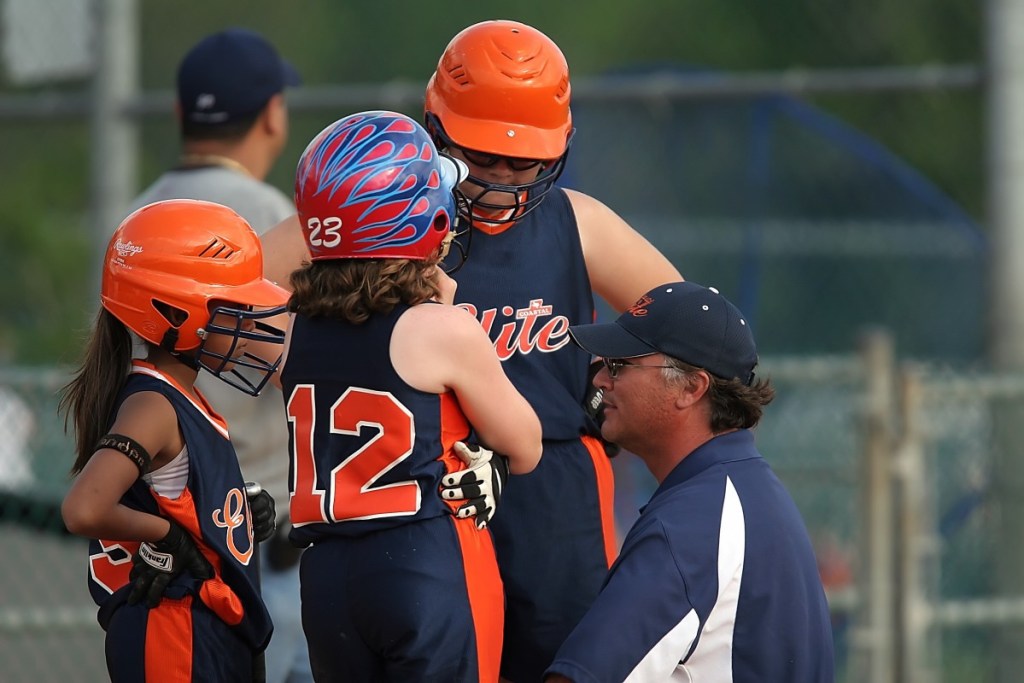
Being a Good Example
As a coach, you’re not just teaching skills; you’re also setting an example. Young athletes often look up to their coaches and follow their lead, so it’s important to demonstrate qualities like honesty, respect, and fairness. This helps to foster a positive atmosphere that promotes growth and learning.
“A coach is someone who can give correction without causing resentment.” – John Wooden
Being a positive role model means you have to show your team how to act. Be on time, respect everyone, and handle losses with grace. Actions speak louder than words, and using effective mindset training techniques can further enhance your influence as a coach.
How to Communicate Effectively with Young Athletes
As a coach, communication is key. It’s not just about telling your players what to do. It’s about listening to them and understanding them as individuals. Each player is different, and understanding those differences can make you a much better coach. For instance, when working on specific skills, you might consider using batting skills progression tailored to each athlete’s needs.
“The most important thing in communication is hearing what isn’t said.” – Peter Drucker
It’s crucial to establish a trusting relationship with your players by maintaining open communication. Encourage them to share their thoughts and worries. This will not only strengthen the team’s bond but also help you identify any areas where players may require extra support or instruction.
Essential Baseball Basics Every Coach Needs to Understand
As a coach, you need to have a good understanding of baseball fundamentals to effectively teach young athletes. This includes understanding the basic rules, essential skills, and effective teaching techniques. By mastering these elements, you can provide a comprehensive learning experience for your players.

Understanding the Basics
Before you can effectively coach, you need to understand the sport. This means learning the basic rules and regulations of baseball, understanding the layout of the field, knowing what each position does, and understanding the goals of the game.
For example, understanding what a strike and a ball are, or when a player is safe or out, is essential. By knowing these rules, you can better coach your players and help them develop a deeper love for the game. To enhance your coaching techniques, consider exploring front toss vs. soft toss techniques for improved training sessions.
Key Abilities for Young Baseball Athletes
Baseball demands a wide range of abilities, such as batting, pitching, fielding, and running the bases. As a coach, it’s your job to assist athletes in honing these abilities through drills and repetition. Concentrate on instructing the proper methods to guarantee that athletes establish a solid base. For effective fielding techniques, you can explore positioning drills that can enhance your training sessions.
Keep in mind that each player will progress at their own rate. Be patient and give helpful advice to aid them in getting better. Inspire them to practice regularly, both during team practices and in their spare time.
Keeping the Energy and Concentration Levels High
It can be difficult to keep young athletes excited and attentive during practice, but it’s necessary for their development and love of the sport. As a coach, you need to create a fun and stimulating environment that keeps players eager to participate.
One useful approach is to mix up the exercises and activities. By changing the routine, you can keep the players engaged and avoid boredom. Include fun games that focus on improving skills while also letting the players have a good time.
Also, applaud minor accomplishments and advancements. Recognizing progress lifts spirits and motivates players to keep trying. Remember, enthusiasm is infectious. If you’re enthusiastic and passionate about the game, your players will likely reflect that energy.
Establishing Solid Connections with Parents of Team Members
When you’re a youth coach, you’ll frequently come into contact with parents who care deeply about their child’s involvement. It’s extremely important to establish a solid connection with them in order to foster a team environment that is both supportive and harmonious. The most effective way to accomplish this is through open and effective communication.
Begin with setting up open channels for communication. Frequent updates about the practice schedules, game times, and team events help keep everyone informed and engaged. You may want to consider creating a group chat or email list for easy communication.
- At the start of the season, have a parent meeting to go over your coaching philosophy and what you expect.
- Invite parents to ask questions and give their thoughts.
- Deal with any issues quickly and in a professional manner.
In addition to this, you should establish limits. While it’s good for parents to be involved, you need to make sure you keep your authority as the coach. Make it clear what your role is and make sure parents know the difference between supporting their child and interfering with your coaching decisions. For more insights, check out these youth baseball coaching tips.
Encouraging Open Dialogue
Having open dialogue with parents creates a positive environment for the team. Ask parents to let you know about any needs or challenges their child may have. This helps you to adjust your coaching style to better support each athlete.
Be accessible and clear. When parents feel at ease expressing their concerns with you, it can prevent confusion and establish trust. Consistently update them on their child’s progress and areas for improvement, maintaining the focus on growth rather than competition. For more insights on fostering development, explore these tips and techniques to improve kids’ baseball skills.
Creating and Enforcing Rules and Guidelines
Setting the ground rules at the beginning of the season is crucial. Be sure to explain your objectives for the team, how you want practices to be run, and how you expect everyone to behave during games. This will give parents a clear idea of what you expect from them and their kids. For more insights, you might find these team guidelines helpful.
It’s also important to set boundaries. Parental support is great, but you need to make sure you’re still the coach. Make it clear where parents can help and where they might get in the way. This will help avoid any problems and keep the team working well together. For more insights on managing team dynamics, check out these mindset training techniques for young players.
From Rookie to Pro: A Coach’s Journey

But with a little hard work and a lot of learning, you can become one. This journey involves constant learning, adapting, and connecting with other coaches. Each step of this journey is a chance to grow personally and professionally.
Start by looking for resources and training opportunities. Go to coaching clinics, read books on coaching strategies, and watch instructional videos. These resources can provide valuable insights and new techniques to enhance your coaching skills.
Never Stop Learning and Adapting
Coaching is always changing, and it’s important to keep up with the latest trends and techniques. Always be ready to learn something new. Ask for feedback from players, parents, and other coaches to find areas where you can improve.
Being adaptable is crucial to success. Stay open to experimenting with new methods and modifying your strategies to meet your team’s needs. Flexibility enables you to deal with difficulties effectively and fine-tune your coaching techniques.
Building Connections with Other Coaches
Creating a community of other coaches can offer priceless help and wisdom. Go to coaching events in your area, become a member of online groups, and take part in workshops in your community. Trading stories and gaining knowledge from others can improve your coaching skills and widen your point of view.
Networking can also lead to mentorship opportunities. By making connections with seasoned coaches, you can receive guidance and advice to help you along your coaching journey. Keep in mind, the benefits of collaboration and knowledge sharing extend beyond you to your athletes as well.
Overcoming Obstacles and Achieving Victory
Coaching is no walk in the park, but with the correct game plan, you can tackle any problem that comes your way and guarantee a win for you and your team. Whether it’s handling defeat or reviewing your coaching journey, it’s crucial to stay strong and concentrate on constant growth.
One typical issue is controlling group elements. Squabbles may come up among players or among players and guardians. Handle these issues speedily and thoughtfully to keep a positive group climate. Straightforward correspondence and a reasonable methodology are crucial in settling clashes.
Handling Difficulties and Disagreements
Challenges are a normal part of any coaching experience. Whether you’re dealing with a string of losses or a problematic player, it’s crucial to tackle these issues with an optimistic mindset. See these difficulties as chances to learn and inspire your team to adopt this perspective as well.
If there are disagreements, tackle them directly. Hear out everyone involved and find a solution that is just and respectful. Being able to resolve conflicts is a vital part of coaching, as it allows you to keep the team environment united and encouraging.
Assessing and Reflecting on Your Coaching Journey
It’s crucial to regularly assess your coaching journey to pinpoint areas where you can grow. Reflect on what has been successful and what could be better. Request feedback from your players and their parents to get various viewpoints on your coaching tactics.
Looking back at your past experiences can greatly help you grow as a person. When you do this, you can make decisions based on what you learned from your past experiences, which can help you improve as a coach. Keep in mind that your main goal is not just to teach the sport, but to inspire and motivate young athletes to be the best they can be.
Keeping Your Coaching Methods Up-to-Date
Being a coach means that you need to keep your methods up-to-date. This means being open to new ideas and techniques that can help improve your coaching. Don’t be afraid of change and be ready to change your strategies based on the needs of your team and the latest trends in the sport.
Always seek feedback from your team and other coaches to keep your coaching methods fresh. Regularly ask what is working and what needs improvement. This feedback can provide valuable insights and help you refine your coaching methods.
Also, develop a routine of thinking back on your coaching moments. Take a moment to examine what has worked and what hasn’t. Use this introspection as a foundation for setting objectives and planning for future enhancements. Remember, the path of a coach is one of constant development and education.
Commonly Asked Questions
There are numerous questions that budding youth coaches often have about how to be successful in their role. In this section, we will answer some of the most frequently asked questions to provide some clarity and help guide you, including tips and techniques for improving kids’ baseball skills.
By getting to grips with these crucial elements, you can improve your coaching abilities and offer a more fulfilling experience for your young sportspeople.
What steps can I take to be a successful youth baseball coach?
Being a successful youth baseball coach means having a solid understanding of the game. You need to know the rules, strategies, and techniques that will help your young athletes improve. You also need to be able to communicate well with your players and build strong relationships with them. Remember to be patient, supportive, and encouraging, and always set a good example.
What are the basics of baseball for kids?
The basics of baseball for kids include understanding the basic rules of the game, such as how to score runs and how outs are made. Important skills include hitting, throwing, catching, and base running. Emphasize proper technique and consistency in practice to help young players develop these skills effectively.
Another key element is teamwork. Inspire the players to collaborate and back each other up, building a feeling of friendship and fair play.
What is the best way to organize a youth baseball practice?
When organizing a youth baseball practice, it’s essential to have a well-rounded plan that includes warm-ups, targeted skill drills, and scrimmage games. Begin with a dynamic warm-up to prepare the players physically, then move on to specific drills that focus on skills such as batting or fielding. Finish with a scrimmage to give the players a chance to use what they’ve learned in a game-like situation.
What abilities are needed to be a successful baseball coach?
A successful baseball coach must have a thorough knowledge of the sport, excellent communication abilities, and the capacity to motivate and inspire young athletes. Organizational abilities are also critical for scheduling practices and handling team logistics. Furthermore, patience and flexibility are vital for meeting the diverse needs and skills of players.
What’s the best way to handle challenging parents?
The key to managing challenging parents is to maintain open lines of communication and act professionally. Establish boundaries from the start and be clear about your coaching philosophy and what you expect. If there are conflicts, handle them calmly and take the time to hear what the parent has to say. The goal should always be to find a solution that keeps the team’s environment positive.
What are the most effective ways to teach children basic skills?
When instructing children on basic skills, it’s best to use straightforward, step-by-step directions and to clearly demonstrate each skill. Break down complex movements into smaller, more manageable parts. Provide many opportunities for practice and offer positive, constructive feedback to assist players in improving. For additional tips and techniques, explore this guide on improving kids’ baseball skills.
By incorporating games and enjoyable activities, learning can become a more fun and engaging experience for young athletes.
What can I do to keep my young athletes interested and motivated?
Keeping young athletes interested and motivated can be done by creating a practice environment that is fun and positive. Goals that can be achieved should be set and progress should be celebrated, no matter how little. To keep practices interesting and dynamic, include a variety of drills and activities.
What can I do to help my players concentrate?
There are a few things you can do to help your players concentrate. First, try to eliminate as many distractions as possible and create an environment that is conducive to focus. Make sure you set clear expectations for behavior and encourage your players to stay on task by mixing up activities and keeping practices short and to the point. You can also use positive reinforcement to acknowledge and reward those who are paying attention.
Moreover, by getting to know each player’s unique needs and concentration levels, you can customize your methods to keep them engaged and on track.
- Support your athletes in setting individual goals and monitoring their improvement.
- Make use of visual aids or demonstrations to make instructions clearer.
- Include breaks to avoid exhaustion and keep concentration.
These strategies will aid in the development of focus skills in young athletes that will be beneficial both on and off the field.

Leave a Reply