Main Points
Warm-ups and stretches can greatly decrease the chances of muscle strains and injuries.
It’s important to teach the right techniques for catching, throwing, and batting to avoid injuries.
Properly fitted and age-appropriate equipment can keep young players safe.
Keeping track of pitch counts and making sure players get enough rest can prevent overuse injuries.
It’s crucial to foster a culture where players, coaches, and parents are aware of injuries and communicate openly about them.
Summary
While youth baseball is a fun and fulfilling sport, it can also lead to injuries. By prioritizing injury prevention, we can make sure young players stay healthy and play the game safely. This article offers a thorough list of tips and strategies for coaches, parents, and players to reduce the risk of injuries in youth baseball.
The Importance of Injury Prevention in Youth Baseball
Preventing injuries is crucial in youth baseball because the players are still growing and maturing. Injuries during this time can have a lasting impact on their health and future sports performance. Through the use of correct safety precautions, we can help these young athletes establish a strong base for a lifetime of good health and physical activity.
What Causes Youth Baseball Injuries?
Injuries in youth baseball can happen for a number of reasons, such as overuse, incorrect form, and poor equipment. Here are some of the most common injuries:
Pulled or torn muscles
Broken bones
Injuries from overuse, like Little League elbow
Injuries from impact, like running into another player or getting hit by the ball
Knowing these common causes can help us be proactive in preventing them.
Putting Warm-Up and Stretching Routines into Practice
One of the most practical ways to avoid injuries is to include appropriate warm-up and stretching routines before any baseball activity. These routines get the body ready for physical exertion and help lower the chance of muscle strains and injuries. For additional tips on enhancing youth baseball performance, check out these youth baseball training techniques.
Getting the Blood Pumping: Baseball Warm-Up Exercises
Dynamic warm-ups are all about getting your heart rate up and the blood flowing to your muscles. Here are some great dynamic warm-ups for baseball:
Running in place or a light jog
Swinging your arms and doing arm circles
Swinging your legs and doing lunges
Doing high knees and butt kicks
These exercises are great for loosening your muscles and joints, making them more flexible and ready for the game. For more tips on improving your game, check out our guide on muscle memory development.
The Significance of Flexibility and Stretching Key Muscle Areas
Stretching key muscle areas is crucial for keeping flexibility and avoiding injuries. Concentrate on stretching the following areas: muscle memory development tips.
Players can improve their range of motion and reduce the risk of strains and sprains by regularly stretching the following muscle groups:
Shoulders and arms
Back and core
Legs and hips
Stretching Exercises that Really Work
Here are a few examples of stretching exercises that really work for young baseball players:
Stretching the shoulder: Cross arm stretch, triceps stretch
Stretching the back: Cat-cow stretch, child’s pose
Stretching the legs: Hamstring stretch, quadriceps stretch
Players should be encouraged to hold each stretch for a duration of 15-30 seconds and repeat the stretches 2-3 times. This routine will help keep their muscles flexible and ready for play.
Instructing Correct Methods to Avoid Injuries
Along with warm-ups and stretches, instructing correct methods is key in avoiding injuries. Making sure that players use the right form when catching, throwing, and batting can greatly lower the chance of injuries.
How to Catch
It’s crucial to catch the ball correctly to prevent injuries to the hands, wrists, and fingers. Here are some tips for teaching how to catch effectively:
Always try to use two hands when catching the ball.
Hold your glove in front of you, fingers pointed up when catching high balls and down when catching low balls.
Keep your eye on the ball all the way into your glove to make sure you catch it securely.
When players practice these techniques, they can get better at catching and also lessen the chance of hurting their hands or wrists.
How to Throw
Young baseball players often injure their shoulders or elbows while throwing. To help them avoid these injuries, instruct them in the following correct throwing techniques:
Engage the legs, hips, and core in a full-body motion.
When throwing, keep the elbow at shoulder height or slightly higher.
After releasing the ball, follow through with the arm and body.
To help distribute the stress and reduce the risk of shoulder and elbow injuries, encourage players to use their entire body when throwing.
Hitting the Ball
Teaching the correct way to hit the ball is vital for avoiding injuries to the hands, wrists, and back. Here are some strategies for instructing proper hitting technique:
Keep your feet shoulder-width apart to maintain a balanced stance.
Hold the bat firmly, but don’t grip it too tightly.
Watch the ball and follow through with your swing.
Using these techniques will help players improve their batting and prevent injuries. For more tips, check out this guide on enhancing batting skills with tee training.
Using Equipment Suitable for the Player’s Age
It’s essential to use the correct equipment to protect young athletes from injuries. Equipment that’s suitable for the player’s age and fits well can greatly help keep players safe on the field.
Must-Have Protective Gear
Make sure that players have the following protective gear:
Here are some essential pieces of equipment that can help prevent injuries:
A batting helmet that includes a face guard
A chest protector, shin guards, and a catcher’s mask for those playing the catcher position
A protective cup for male players
These items can help shield players from injuries caused by impact and should be used during both practices and games.
The Necessity of Properly Fitted Gear
Equipment that doesn’t fit correctly can cause more problems than it solves. Ensure all equipment fits as it should: coaching tips and techniques can help guide you.
Make sure helmets fit snugly but aren’t too tight.
Ensure gloves are the appropriate size for the player’s hand.
Protective gear should cover the necessary body parts but not restrict movement.
Regularly check the fit of the equipment and adjust as needed for optimal protection.

Checking Equipment Regularly
Make sure to check equipment often for any signs of damage. If any gear is worn out or damaged, replace it right away. This will make sure that the gear is protecting the player like it should and will help to prevent injuries.
Must-Have Safety Equipment
It’s vital to make sure that youth baseball players are equipped with the proper safety gear. They should have a batting helmet with a face guard, a chest protector, shin guards, and if they’re playing catcher, a catcher’s mask. Boys should also wear a protective cup. This equipment will protect them from fast-moving balls and any collisions that may occur on the field.
The Significance of Properly Fitted Gear
It’s crucial to have gear that fits properly if you want it to protect you effectively. Helmets should fit snugly but not too tightly, gloves should be the right size for the player’s hand, and protective gear should cover the right areas without limiting mobility. If gear doesn’t fit right, it can be uncomfortable and might not provide the protection it’s supposed to, which could increase the chance of getting hurt.
Checking Equipment Regularly
Regularly checking equipment for signs of wear and tear is crucial. Look for cracks in helmets, fraying in gloves, and any damage to protective gear. Replace any damaged or worn-out equipment immediately to ensure that players are always adequately protected. This proactive approach can prevent injuries caused by faulty or ineffective gear.
Keeping an Eye on Pitch Counts and Promoting Rest
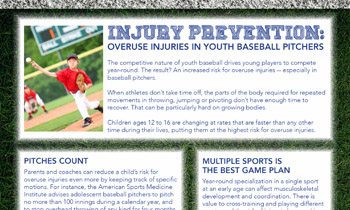
Overuse, especially among pitchers, is one of the leading causes of injuries in youth baseball. By keeping track of pitch counts and making sure players get enough rest, the likelihood of overuse injuries can be significantly lowered.
Getting to Know Pitch Count Rules
Pitch count rules are meant to restrict the amount of pitches a player throws during a game and throughout a week. Little League Baseball, for instance, has established pitch count restrictions for different age groups. Coaches and parents need to learn these rules and follow them closely to prevent overuse of young arms.
Recognizing Overuse Injuries
It’s important to be able to identify the symptoms of overuse injuries in order to intervene early. These symptoms can include ongoing pain in the shoulder or elbow, a drop in performance, and difficulty bouncing back after games. If a player shows any of these symptoms, it’s critical to decrease their playing time and get a proper evaluation and treatment from a medical professional.
In addition to physical symptoms, players may also exhibit signs of tiredness or unwillingness to play, which could signal overuse. Watching for these behavioral signs can help identify overuse injuries early.
Why Rest Days and Recovery Time Matter
Rest days and recovery time play a crucial role in preventing overuse injuries. Make sure that players have a minimum of one or two rest days each week and try not to schedule back-to-back games or practices. This gives the body time to recover and lowers the chances of injuries.
Another key point is to remind your players to take breaks and listen to what their bodies are telling them. Overworking these young athletes can lead to burnout and long-term health issues. It’s important to stress that rest and recovery is just as important as their training.
Implementing Conditioning and Strength Training
Conditioning and strength training are key to preventing injuries. By developing strong muscles and enhancing overall fitness, young athletes can better handle the physical demands of baseball and decrease their chances of getting injured. For more detailed guidelines, you can refer to this article on injury prevention and safety guidelines for youth baseball.
Conditioning and strength training programs should be age-appropriate and suited to the developmental stage of the players. Basic exercises that improve overall fitness should be the focus for younger athletes, while more advanced strength training routines can be incorporated for older players.
Below is a straightforward table that outlines exercises suitable for different ages:
|
Age Group |
Suggested Exercises |
|---|---|
|
6-8 years |
Simple bodyweight exercises such as squats, push-ups, and running |
|
9-12 years |
Start resistance training with light weights and resistance bands |
|
13-15 years |
More organized strength training with supervision, including weight lifting |
Age-Suitable Exercises
For younger players, concentrate on exercises that improve overall fitness and coordination. Activities such as running, jumping, and bodyweight exercises are perfect. As players get older, they can slowly add more resistance training to build strength and stamina.
It’s crucial to make sure that workouts are done right to prevent injuries. During practice, coaches should give appropriate guidance and oversight.
Why Supervised Training Matters
It’s important for young athletes to have supervised training to make sure they’re doing exercises right and safely. Coaches and trainers should be there during conditioning and strength training sessions to give guidance and correct any wrong techniques. This can help avoid injuries and make training more effective.
Developing Strength in the Core and Upper Body
For baseball players, it is crucial to have strong muscles in the core and upper body. Core strength can be improved with exercises like planks, sit-ups, and medicine ball throws. Upper body strength can be enhanced with exercises like push-ups, pull-ups, and dumbbell workouts. These exercises help to increase overall stability and power, which can help to lower the risk of injuries.
Encouraging Healthy Eating and Drinking Habits
It’s important for young athletes to stay hydrated and eat well to stay healthy and avoid injuries. If they don’t drink enough water or eat the right foods, they can get tired, not play as well, and be more likely to get hurt. For more tips on keeping young athletes safe, check out these injury prevention strategies.
Keeping Young Athletes Hydrated
It’s crucial to keep players hydrated. Here are some tips on how to do that:
Players should be encouraged to drink water before, during, and after games and practices.
Drinks that are high in sugar and caffeine should be avoided as they can cause dehydration.
Checking the color of urine is an easy way to check hydration levels; pale yellow indicates that a player is properly hydrated.
Proper hydration helps to maintain energy levels and lowers the risk of heat-related illnesses.
How Eating Right Can Help Avoid Injuries
“Eating a well-rounded diet is crucial for young athletes. Good nutrition helps muscles grow, recover, and stay healthy, which can help prevent injuries.”
A well-rounded diet includes a variety of foods from all food groups. Make sure players eat enough protein to repair muscles, carbohydrates for energy, and healthy fats for general health. Vitamins and minerals from fruits and vegetables are also important for keeping bones and muscles strong.
Young athletes can perform at their peak and avoid injuries by maintaining a healthy diet.
What to Eat Before and After Games
What players eat before and after games can make a big difference in how they perform and how quickly they recover. Here are some guidelines:
Before the game: Have a meal full of carbs and protein roughly 3-4 hours before the game. Also, have a small snack, such as a banana or granola bar, 30-60 minutes before playing.
After the game: Eat a meal or snack that has protein and carbs within 30 minutes after the game to help with muscle recovery. Some ideas are a turkey sandwich, yogurt with fruit, or a protein shake.
By following these nutrition tips, players can keep their energy levels up and recover faster after games.
Establishing a Culture of Injury Awareness and Communication
Establishing a culture of injury awareness and communication is crucial for maintaining the safety of young baseball players. By cultivating an environment where players feel at ease discussing injuries and concerns, we can tackle issues early and prevent more severe problems. For additional insights on how to create a safe training environment, check out these youth baseball training tips.
It is important for coaches, parents, and players to promote awareness of injuries. Everyone involved should be educated on common injuries and the importance of reporting any discomfort or pain.
These are some tips to establish a culture of injury consciousness and communication:
Teach players about the typical injuries that occur in baseball and what symptoms to look out for.
Foster open lines of communication between players, coaches, and parents.
Put a procedure in place for reporting and dealing with injuries.
Create a supportive atmosphere where players feel comfortable voicing their concerns.
Teaching Players About Common Injuries
One of the best ways to prevent injuries is through education. By teaching players about the typical injuries that can occur in baseball and what symptoms to look out for, we can help them identify problems early and get the treatment they need. For more information on effective coaching techniques, check out these power-boosting baseball drills.
In baseball, it’s common for players to experience sprains, strains, fractures, and overuse injuries such as Little League elbow. By teaching players about these types of injuries, they can better understand why it’s so important to use the right techniques, get enough rest, and allow time for recovery.
Here are some strategies to teach players about common injuries:
Conduct frequent team meetings to talk about how to prevent injuries and make everyone aware of the risks.
Give out information resources like pamphlets or videos about the most common injuries.
Ask healthcare professionals to come and talk to the team about how to avoid injuries and what to do if they get injured.
Getting Players to Tell You When They’re Hurt
Getting players to tell you when they’re hurt is key to stopping injuries from getting worse. Players should feel like they can talk about any pain or discomfort they feel during practices or games.
Here are some strategies to promote open dialogue:
Foster a supportive and non-judgmental environment.
Regularly check in with players about their physical well-being.
Reassure players that reporting discomfort is a sign of strength, not weakness.
Emphasize the importance of early intervention in preventing more serious injuries.
Proper Response to Injury Reports
Responding appropriately to injury reports is essential for ensuring players receive the care they need. Coaches and parents should take all injury reports seriously and seek medical evaluation if necessary.
These are the steps you should take when a player tells you they’ve been injured:
Be attentive to the player’s concerns and inquire about their symptoms in detail.
Evaluate the injury and decide if immediate medical attention is necessary.
Advocate for rest and administer appropriate first aid if required.
Check in with the player and their parents to make sure recovery and treatment are going well.
Conclusion: Making Safety and Health a Priority on the Field
It’s critical to make safety and health a priority on the field to prevent injuries and ensure that young baseball players can play the game safely. By putting into practice the tips and strategies mentioned in this article, we can create a safer environment for our athletes.
Let’s not forget that preventing injuries is a group effort. Coaches, parents, and players need to work together to prioritize safety and address any concerns as soon as they arise. By creating an environment where injury awareness and communication are valued, we can help our young athletes stay healthy and perform at their peak.
Overview of Important Tips and Strategies
These are the most important tips and strategies to prevent injuries in youth baseball:
Establish efficient warm-up and stretching routines.
Teach correct techniques for catching, throwing, and batting.
Provide equipment that is both age-appropriate and fits well.
Keep track of pitch counts and provide enough rest days.
Include conditioning and strength training.
Encourage proper hydration and nutrition.
Establish a culture of injury awareness and communication.
Encouraging Coaches, Parents, and Players to Collaborate
Encouraging coaches, parents, and players to collaborate is key to effective injury prevention. By creating a cooperative atmosphere, we can make sure that everyone is on the same page and working towards the shared goal of keeping young athletes safe. For more insights, check out this article on injury prevention and safety guidelines for youth baseball.
Keeping the lines of communication open, educating players and parents, and providing support are all important parts of this team effort. By putting safety and health first, we can help our young baseball players have fun playing the game while reducing the chance of getting hurt.
Common Questions
What injuries are most common in youth baseball?
The most common injuries in youth baseball are sprains, strains, fractures, and overuse injuries like Little League elbow. These injuries are usually caused by poor form, not warming up properly, or overuse.
When it comes to sprains and strains, it’s the muscles and ligaments that are affected, while fractures are all about broken bones. Overuse injuries are a result of repetitive motions, especially in pitchers. Catching these injuries early on can prevent them from becoming more serious.
Sprains and strains: These are usually the result of sudden movements or pushing oneself too hard.
Fractures: These occur due to impact or falling down.
Overuse injuries: These happen when certain actions, like pitching, are repeated too often.
How often should players take rest days?
Players should take at least one or two days off each week to give their bodies a chance to recover. Rest days are key to preventing overuse injuries and keeping players in top shape.
What’s the best way to warm up before a game?
The most effective way to warm up before a game is with a dynamic warm-up. This type of warm-up uses active movements to get your heart pumping and your blood flowing to your muscles. Some examples of dynamic warm-up exercises are light jogging, arm circles, leg swings, and lunges. These exercises get your body ready for physical activity and help prevent injuries.
What steps can we take to guarantee the safety and correct fit of equipment?
To guarantee the safety and correct fit of equipment, routinely check all gear for indications of wear and tear. Immediately replace any equipment that is damaged or worn out. Ensure that helmets fit tightly, gloves are the right size for the player’s hand, and protective gear covers the required body parts without limiting movement.
Equipment that fits well not only provides the protection players need but also helps prevent injuries on the field. It’s important for coaches and parents to collaborate in making sure all gear is in good shape and fits properly.

Leave a Reply