Summary
- Good footwork is vital for enhancing hitting mechanics in young baseball and softball players.
- Footwork drills help players improve balance, timing, and power in their swings.
- Common footwork errors can negatively impact a player’s performance and should be addressed early.
- Basic drills like the athletic stance and pivot step are fundamental for developing advanced skills.
- Regular practice and parental involvement can improve skill development in young hitters.
The Importance of Footwork for Young Hitters
Footwork is a critical aspect of hitting in baseball and softball, particularly for young players aged 8-12. It forms the basis for a successful swing by providing balance, timing, and power. Without proper footwork, even the most skilled hitters may have difficulty making solid contact with the ball.

Why Footwork Matters in Batting
Footwork in batting is about more than just stepping and swinging. It’s about setting up a stable base that helps the body generate power efficiently. When young hitters learn to position their feet correctly, they can smoothly shift their weight from their back foot to their front foot during a swing. This weight shift is crucial for generating power and improving batting performance.
“Consider footwork to be the base of a building. Without a sturdy foundation, the structure cannot stand tall and firm.”
Good footwork also helps keep balance throughout the swing. Hitters who are balanced are less likely to miss pitches and can adapt more quickly to different types of pitches, such as fastballs and curveballs.
Why Proper Footwork Matters for Young Athletes
When young hitters put their attention on footwork, they get a few key benefits. For one, they build better balance, which keeps them stable during their swing. This steadiness helps them hit the ball consistently, resulting in more successful hits. For more insights, check out this batting skills progression guide for young athletes.
Furthermore, quality footwork improves timing. As players get the hang of stepping and swinging together, they’re able to hit the ball more accurately. This timing is key when dealing with various pitch types, as it enables players to modify their swing as needed.
“Perfecting your footwork is like getting the hang of a dance; it needs rhythm, timing, and lots of practice.”
Finally, the right footwork can give a swing more power. By shifting weight from the back foot to the front foot, hitters can put more power into the ball, making it hit harder and go further.
Typical Footwork Errors to Steer Clear Of
When young hitters are first getting the hang of footwork, they tend to fall into a few common traps. One is stepping either too soon or too late, which throws off their timing and balance. Another pitfall is failing to shift weight correctly, resulting in less powerful swings. For more guidance, explore these baseball hitting drills for youth.
Moreover, the stance of some players might be too narrow or too wide, which could affect their stability. Finding the right stance that provides a comfortable and balanced position is crucial.
It’s important for coaches and parents to assist young players in identifying and rectifying these errors early in their development to prevent any potential hindrances.
Starting with the Basics: Simple Footwork Drills
Young hitters looking to improve their footwork should begin with basic drills. These exercises are designed to enhance balance, stability, and correct weight transfer. They also lay the groundwork for more complex techniques.
Starting with the Athletic Stance
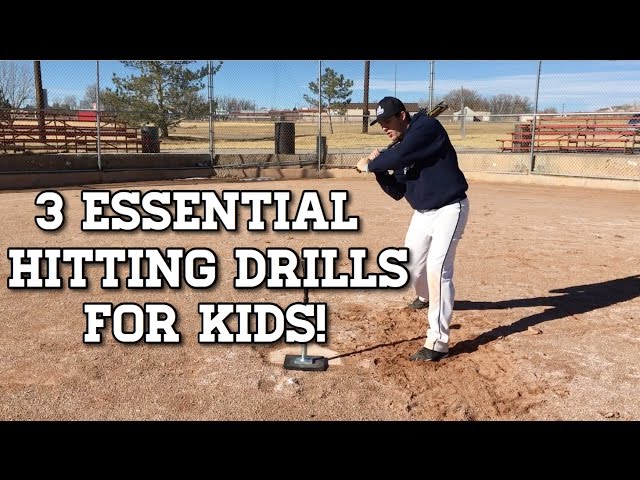
Every good swing begins with the athletic stance. Players should stand with their feet shoulder-width apart, knees slightly bent, and weight evenly distributed. This stance provides a solid base and prepares the body for movement.
Working on the Pivot Step
One of the most important parts of a swing is the pivot step, as it allows for weight transfer. During this drill, the players will be focusing on moving their weight from their back foot to their front foot while spinning on the ball of their back foot. This movement is important for generating power and keeping balance.
For practice, instruct the players to stand in their athletic stance and take a small step forward with their front foot while pivoting on their back foot. Stress the importance of smooth, controlled movements.
Exercises for Equilibrium and Steadiness
Equilibrium is vital for efficient footwork. Exercises that concentrate on balance assist players in remaining stable during their swing. A basic exercise is to have players stand on one foot for a few seconds, then switch to the other foot. This activity fortifies the muscles that help maintain balance.
One other drill requires standing on a balance board or cushion while swinging a bat. This introduces a level of instability, requiring players to use their core muscles to keep their balance.
Moving Your Weight and Keeping Your Balance
Moving your weight is a basic part of hitting that directly affects a player’s strength and balance. When a hitter moves their weight from the back foot to the front foot, they use the body’s momentum to hit the ball. This movement should be smooth and controlled to keep balance throughout the swing.
Weight transfer practice involves drills that focus on weight shifting in a coordinated fashion. For example, players can practice stepping forward with their lead foot while keeping their upper body in alignment. This helps ensure that the weight is transferred effectively, leading to a more powerful swing.
Drills for the Two-Step Approach
The drill for the two-step approach is aimed at aiding young hitters in synchronizing their footwork with their swing. In this drill, players make two intentional steps before they swing. This copies the natural movement of stepping into a pitch. This drill is perfect for teaching timing and rhythm.
The two-step approach is carried out by players starting in their athletic stance. When the pitch is on its way, they take a small step with their back foot, then a step with their front foot, and finally swing. The main thing is to keep balanced and make sure the steps are in time with the swing.
Improving Accuracy and Timing
Accuracy and timing are key to a good hit. By honing these skills, young players can increase their chances of hitting the ball solidly. There are several drills that can effectively help players build these skills.

Step Fast Drills for Improving Reflexes
Step fast drills are meant to improve a player’s reflexes. These drills mimic real-game situations where hitters need to adapt quickly to various pitches. By practicing step fast, players are taught to respond immediately and get themselves in the right place.
In the fast footwork drill, kids start off in their athletic position. On a signal from a coach or parent, they take a quick step forward and then swing. By altering the timing of the signal, this drill can be adapted to help young players improve their adaptability.
Boosting Timing Through Tee Work
Tee work is a fundamental part of training in baseball and softball. It gives players the chance to work on their swing mechanics without the stress of a moving ball. With a tee, young hitters can zero in on timing and contact.
- Begin with the tee positioned at the level of the waist.
- Urge athletes to perform several practice swings to establish their rhythm.
- Ask them to strike the ball off the tee, concentrating on timing their swing to connect at the correct time.
By modifying the height of the tee or the ball’s location, tee work can be adapted, enabling athletes to practice hitting pitches in various places.
Practice Game-like Scenarios
Practicing game-like scenarios is a great way to get young hitters ready for what they will face in real games. These drills mimic the conditions they will face in a game, including different types of pitches and different speeds. By practicing in these scenarios, players learn how to use their footwork and hitting skills effectively.
Coaches can either pitch to players or use a pitching machine to create a mock game. The players should concentrate on keeping their footwork and timing consistent as they face a variety of pitches. This practice will help boost their confidence and prepare them for real games.
Adapting Footwork for Various Hitting Situations
Young hitters need to learn how to adjust their footwork based on the pitch and the current game situation. This is an essential skill for becoming a flexible hitter. For more insights, you can explore baseball hitting drills for youth to enhance their skills.

Changing Footwork for Fastballs and Curves
Fastballs and curveballs necessitate various footwork modifications. For fastballs, hitters must react rapidly and keep a compact posture to produce power. Curveballs, on the other hand, require patience and a somewhat open stance to follow the ball’s path. To improve these techniques, consider exploring swing consistency tips for young players.
By practicing against both types of pitches, players will learn how to adjust their footwork and timing. Coaches can create these situations by alternating the types of pitches during practice.
Bunting Footwork Techniques
Bunting is a tactical skill that needs exact footwork. When bunting, players have to position their feet to keep their balance while gently making contact with the ball. This involves a slight shift of weight and a controlled posture. For more on developing skills, check out these baseball practice plans for kids.
For bunting footwork drills, players should begin in their athletic stance, then make a slight pivot as they prepare to bunt. The focus should be on light, fast foot movements to make the bunt successful.
Adjusting to Different Pitch Heights
Every pitch can come in at a different height, and it’s crucial that young hitters learn to adapt their footwork accordingly. For higher pitches, this might mean slightly lifting up onto their toes, while lower pitches could require them to bend their knees a bit more.
Training with pitches at different levels helps players adapt their stance and footwork to keep balance and contact. This adaptability is key to dealing with various pitchers and game scenarios.
Advice for Coaching and Inspiring Youth Players
It’s crucial to keep young players interested and driven during training for their growth. Coaches and parents can make practice enjoyable and interactive, aiding players in finding joy in learning and enhancing their footwork abilities.
Engaging Games to Enhance Footwork Abilities
Games are an excellent method for making footwork training enjoyable and interesting for young athletes. A well-liked game is “Footwork Freeze.” In this game, athletes move around in their athletic stance while music is playing. When the music ceases, they must remain still, keeping their balance. This game promotes fast responses and assists athletes in concentrating on maintaining a strong stance.
One fun drill is the “Footwork Relay Races.” Split the players into teams and have them compete to finish a series of footwork drills, like stepping through cones or doing pivot steps. This not only helps to reinforce footwork techniques but also encourages teamwork and healthy competition.
Why Parents Should Be Involved in Practice
Parents are an important part of their child’s sports journey. Having parents involved in practice can help a young player improve faster. Parents can help by creating simple footwork drills at home or giving feedback during practice.
For example, parents can hold a ball or use a bat to mimic pitches, giving their child the chance to practice stepping and swinging. This engagement not only helps improve footwork abilities, but it also fosters a supportive bond between parent and child. For more tips on improving swings, check out these swing consistency tips for kids.
Improving with Video Analysis
Video analysis is a great way to improve footwork and hitting skills. Players can record their practice sessions and watch them to see how well they did and what they need to work on. Coaches and parents can also use video analysis to show players the right way to do things and to correct any mistakes they might be making.
For instance, after filming a training session, go through the video with the athlete, highlighting moments where the footwork was spot on or where changes could be made. This visual feedback aids athletes in comprehending their movements more effectively and making the necessary changes. For more strategies, check out these tips to increase knowledge for youth coaches.
Questions You Might Have
It’s normal to have questions about footwork drills for young hitters. Here are some common questions that players, parents, and coaches often ask:
What is the key to footwork for young hitters?
The key to footwork for young hitters is balance. Staying balanced allows players to generate more power and adapt to various pitches. Concentrating on balance can lead to a more stable and controlled swing.
How frequently should young batters train on footwork drills?
Young batters should strive to train on footwork drills a minimum of three times every week. Regular training aids in strengthening the right techniques and develops muscle memory. Short, concentrated sessions are typically more productive than rare, extended practices.
By adding footwork drills to their regular practice, players can make sure they keep improving their skills.
What gear will you need to do these drills?
These footwork drills don’t require much gear. You can set up most drills with just a few cones, a tee, and a balance board. And of course, you’ll need a bat and a ball to practice hitting.
What can parents do to assist their children in practicing footwork at home?
Parents can help their children by arranging straightforward footwork drills in the backyard or a neighborhood park. Creating obstacle courses with cones or practicing stepping and swinging with a tee are excellent methods for strengthening skills.
“Parents’ support and positive reinforcement can increase a child’s self-esteem and drive to practice.”
Furthermore, parents can get involved in drills by playing the role of the pitcher or giving feedback on form, making practice more engaging and fun. For more strategies, check out these tips for youth coaches to enhance your child’s baseball experience.
What signs indicate good footwork when hitting?
- Stance is balanced and movements are controlled.
- Weight is consistently transferred from the back foot to the front foot.
- Player can adjust to different types and speeds of pitches.
- Hitting timing and precision have improved.
- Hits have more power and distance.
If you see these signs during practice, it means the player’s footwork and hitting skills are getting better. For more on improving swing consistency, check out these swing consistency tips for kids.
What are some ways coaches can make drills more exciting for young players?
Coaches can make drills more exciting for young players by adding elements of fun and challenge to practice. This can be done through games, competitions, and rewards to make drills more engaging and fun.
Moreover, giving positive feedback and acknowledging minor victories can boost self-esteem and inspire players to keep trying. Coaches should also strive to foster a welcoming and inclusive atmosphere where players feel appreciated and driven to get better.

Leave a Reply