Welcome to the definitive guide to youth baseball training equipment. Whether you’re a parent, coach, or a young athlete, it’s vital to have the right tools to develop skills and ensure safety on the field. In this guide, we’ll cover the basics of youth baseball training equipment and give you practical tips to improve your game.
Summary
- Purchasing quality equipment can greatly enhance a young player’s performance and safety.
- Selecting the appropriate equipment depends on the player’s age, skill level, and specific training objectives.
- Regular upkeep and correct storage of equipment prolong its lifespan and efficiency.
- Easton, Rawlings, and Wilson are among the top brands for youth baseball equipment.
- Implementing a balanced practice schedule aids in skill acquisition and confidence growth.
The Importance of Youth Baseball Training Equipment
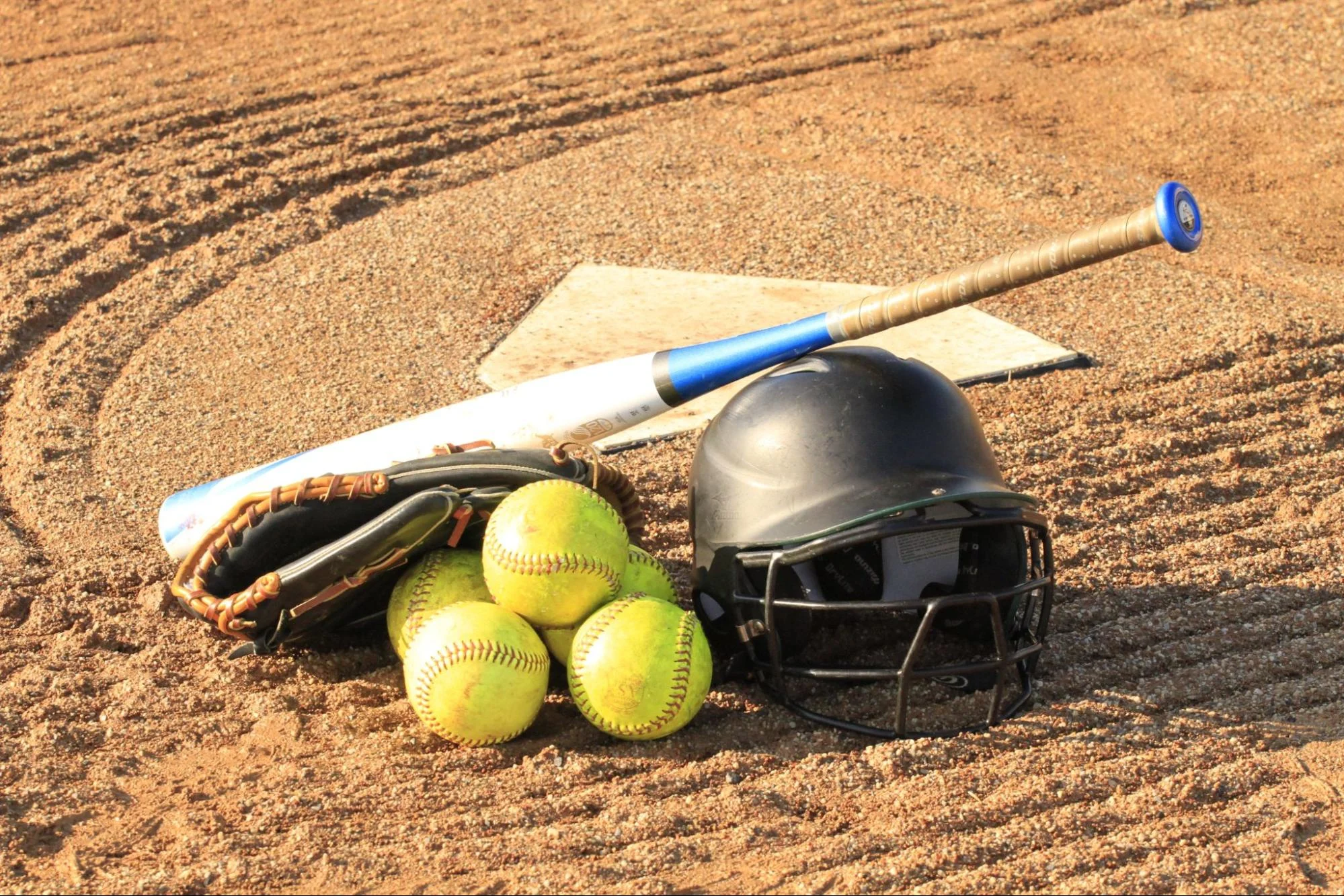
Youth baseball training equipment is more than just gear; it’s the backbone of a young athlete’s journey in the sport. Using the right equipment can make a huge difference in how effectively a player learns and performs on the field.
Improving Skills and Performance
Having the correct training equipment can greatly improve a young player’s skills and performance. For example, using a batting tee can help develop a proper swing technique by allowing players to concentrate on their form without the stress of a moving ball. Likewise, weighted balls can help increase pitching speed and accuracy. The aim is to give players tools that meet their specific needs and help them improve gradually.
Boosting Self-Esteem and Minimizing Harm
Self-assurance is crucial in all sports, and baseball is no exception. When athletes have the correct gear, they feel safer and more self-assured in their capabilities. This self-assurance often results in improved performance on the field. In addition, appropriate gear, such as helmets and protective equipment, is crucial in minimizing the likelihood of injuries. Safety should always come first, and purchasing top-quality protective gear is a step in the right direction.
Essential Training Equipment for Youth Players
Young players need a variety of equipment to improve their baseball skills. Each piece of equipment helps develop a different skill, from batting to fielding.
Must-Have Batting Gear
Having the proper batting equipment can be a game-changer. Here’s what you need to keep in mind:
- Bats: Make sure to pick a bat that fits the player’s size and weight. Easton and Louisville Slugger are two brands that make great bats for young players.
- Batting Gloves: These gloves not only offer a better grip on the bat, but they also make holding the bat more comfortable and help prevent blisters.
- Batting Tees: These are essential for beginners who are still learning the mechanics of swinging a bat.
Tools for Pitching Development
Pitching takes a lot of precision and a lot of practice. Here are some tools that can help develop those skills:
- Weighted Balls: These are great for increasing arm strength and improving the speed of throws.
- Pitching Targets: These are perfect for practicing precision and consistency.
- Pitching Machines: These are excellent for mimicking real game situations and enhancing response time.
Investing in high-quality pitching equipment can lay the groundwork for a young player’s success on the mound.

Thinking about the Player’s Age and Ability
It’s important to think about the age and skill level of the player when choosing baseball equipment for kids. Younger players usually need lighter equipment that’s easier to manage. For example, a 7-year-old might do better with a bat that’s shorter and lighter than one a 12-year-old would use. This way, they can swing easily and without any strain. For more insights on improving young players’ skills, consider exploring youth baseball hitting drills.
It’s also important to consider the player’s skill level. Beginners might need to start with basic equipment like batting tees and lightweight gloves, while more advanced players might need specialized gear like weighted balls and advanced training aids. Knowing the player’s skill level will help you make the best equipment choices.
Why Quality and Durability Matter
There are many reasons why it’s important to invest in quality, durable equipment. For one, quality gear tends to have a longer lifespan, so you won’t need to replace it as often. This can save you money over time. But more importantly, durable equipment can handle the wear and tear of regular practice, which allows players to concentrate on improving their skills instead of worrying about their gear breaking.
Choose equipment that is made from strong materials, like bats made from top-quality aluminum or gloves made from real leather. These materials not only last longer, but they also improve performance, giving better grip, control, and comfort.
Matching Equipment to Training Goals
Each player has their own training goals, and the equipment they use should match these goals. For example, if a player wants to get better at batting, it might be a good idea to invest in a good batting tee and weighted bats. But if a player wants to get faster and more agile, they might want to focus on agility ladders and resistance bands.
Keeping Your Gear in Top Shape
It’s crucial to keep your baseball equipment in good shape to make sure it lasts and performs well over time. If you don’t take care of your gear, it can wear out more quickly and affect both safety and performance. For more insights on maintaining your gear, consider exploring defensive play techniques that emphasize equipment care.
Keeping your gear clean and storing it properly is the key to maintaining your equipment. This will not only make your gear last longer, but it will also make sure it works as well as it can during practices and games.
- Keep your bats and gloves in a cool, dry area to avoid any harm from dampness.
- Consistently check your equipment for any indications of wear, like frayed stitching or cracks.
- When not in use, cover your bats and helmets with protective covers.
By doing these things, you can help keep your equipment in good shape and working well, giving players dependable equipment all season long.
How to Clean and Store Your Gear
It’s important to keep your equipment clean. Wipe your gloves with a damp cloth to remove dirt and debris after each use. To keep the leather soft and prevent it from cracking, condition it regularly with glove oil or conditioner.

Knowing When to Update Your Equipment
Understanding when to update your gear is as crucial as keeping it in good shape. If you see any signs of damage, like a cracked bat or a glove that’s seen better days, it’s time to think about getting a new one. This will guarantee that you’re safe and performing at your best.
Always make sure to inspect your equipment for any signs of damage. Bats with dents or gloves with loose stitching should be replaced right away to avoid any mishaps during the game. For more information on essential gear, check out this guide on kids baseball training equipment.
Leading Brands and Their Best Products
Deciding on the right brand can significantly affect the quality and efficiency of the gear. Here are a few of the best brands and their standout products in youth baseball equipment.
Top Brands for Youth Baseball Bats
Easton and Louisville Slugger are the go-to brands for youth baseball bats. They provide a variety of bats suitable for various age groups and abilities, guaranteeing that every young player has the right equipment to succeed.
Young players often favor the Easton ADV 360 and Louisville Slugger Solo series for their light weight and superb balance, which are perfect for honing swing techniques.
- Easton ADV 360: This bat is popular for its advanced technology and lightness.
- Louisville Slugger Solo: This bat is great for providing young hitters with excellent control and balance.
These bats are made to give young players the confidence and ability they need to excel at the plate.

Top Brands for Protective Gear
Brands like Rawlings and Wilson are the go-to for protective gear. They provide quality helmets, chest protectors, and gloves that are made just for young players.
Rawlings helmets are known for their superior protection and comfort, while Wilson’s gloves are praised for their durability and fit. Choosing reliable protective gear is crucial for player safety.
Dependable Pitching Machines for Kids
Pitching machines are a great tool for kids who want to get better at hitting. Jugs and Heater Sports are two brands that have some of the best options for kids.
- Jugs Junior: This machine is renowned for its precision and consistent pitching speed.
- Heater Sports Power Alley: This is a budget-friendly option that is simple to assemble, making it ideal for backyard practice.
These machines allow players to practice against consistent pitches, which helps them fine-tune their timing and technique.
Making Your Training Sessions Count
You can’t just wing it when it comes to training sessions. It’s not about how much time you spend on the field, but how you spend that time. No matter if you’re working on hitting, pitching, or fielding, every practice should have a clear purpose and structure.
First, determine the specific skills that need to be improved and design your training sessions to focus on these areas. Utilize the correct equipment to recreate game-like situations, which aids in the transition of skills from practice to real games.
It’s also important to strike a balance between skill drills and physical conditioning to ensure that players are not only technically proficient but also physically ready for the rigors of the game.
Designing a Well-Rounded Practice Schedule
Developing a well-rounded practice schedule is crucial for overall skill enhancement. A balanced schedule should incorporate warm-ups, skill drills, game situations, and cool-downs. This format guarantees that players are focused and constantly getting better.
For instance, begin with dynamic warm-ups to get the body ready for physical activity. Then, follow this with targeted drills that focus on specific skills like batting or pitching. Add in agility and conditioning exercises to boost overall athleticism.
“A well-rounded regimen not only enhances abilities but also lowers the chances of injuries, keeping athletes at their peak all season long.”
Each workout should conclude with a period of cooling down, incorporating stretches and light activities, to assist in recovery and avoid muscle tightness. For more information on the essential equipment needed, check out this guide for young athletes.
Adding Game Situations
Adding game situations to practice is a great way to get players ready for real game situations. It gives them a chance to use their skills under pressure and make decisions.

Arrange practices or exercises that imitate game scenarios, like bases loaded or two outs. This not only makes practice more interesting but also assists players in learning how to adapt and respond rapidly during real games.
Keeping Score and Aiming High
It’s important to keep track of how your players are doing and to set goals for them. You should be evaluating their performance on a regular basis to see what they’re good at and where they could use some work. Then, you can use this information to set goals that are both realistic and achievable.
For example, if a player is having difficulty with batting, aim to increase their batting average by a set percentage throughout the season. Monitor their progress through statistics and feedback, making changes to the training plan as required.
Commonly Asked Questions
These are some typical questions about youth baseball training gear and methods.
When should you replace your child’s baseball equipment?
It’s important to replace your child’s baseball equipment as soon as it shows signs of significant wear and tear that could affect its performance or safety. Make sure to check items like bats, gloves, and helmets regularly for any damage. As a general rule, items that are used a lot like bats may need to be replaced every 1-2 years, while gloves can last longer if they’re well cared for.
At what age should kids start using pitching machines?
Kids can start using pitching machines around the age of 7 or 8, depending on their skill level and comfort with pitched balls. Pitching machines help young players get used to consistent pitch speeds and improve their timing and swing mechanics.
How can I tell if the equipment is suitable for my child’s age?
When trying to figure out if equipment is suitable for your child’s age, you should take into account their size, strength, and skill level. Often, manufacturers will provide age and size recommendations for things like bats, gloves, and protective gear. You can also ask coaches or experienced players for their advice.
- Look at the manufacturer’s suggested age range.
- Make sure the player can use the equipment with ease.
- Ask for suggestions from coaches or seasoned players.
Picking the right size and weight is important for the player to be able to play effectively and safely.
Can you use everyday items for practice?
Though it’s best to use specialized gear, you can also use some items around your house. For instance, you can use a chair or stool to practice pitching, or a towel for resistance in your swing. But remember, safety first. Make sure these items are safe to use.
How do you clean a baseball glove properly?
To clean a baseball glove, simply wipe it down with a damp cloth to remove any dirt or debris. It’s important not to submerge the glove in water, as this can harm the leather. To keep the glove flexible and prevent it from cracking, apply a leather conditioner every so often.
Keep gloves in a location that is cool and dry, and don’t expose them to severe temperatures. Taking good care of your glove will help it last longer and perform better.
- After using it, clean it with a damp cloth.
- Regularly use leather conditioner.
- Keep it in a cool, dry location.
By doing these things, you’ll keep your glove in great shape and ready for every game and practice.

Leave a Reply