For young athletes who want to excel in youth baseball and softball, it’s crucial to understand and master defensive play. One way to enhance defensive skills is through visualization. Visualization is a mental exercise that can help improve a player’s performance on the field. This article explores the visualization techniques and methods that can help young athletes improve their defensive play.
Important Points
- Visualization can enhance focus and concentration in young athletes during games.
- Visualization practice can boost confidence and lessen anxiety and stress on the field.
- Visualization techniques can improve reaction times, making players more alert to plays.
- Mental run-through and scenario mapping are effective visualization methods for bettering defensive skills.
- Incorporating visualization into regular training can result in improved performance and success during games.
Grasping Visualization in Baseball and Softball
Visualization is not just about seeing yourself playing a game in your mind; it’s about forming a detailed mental picture of a particular action or situation. This mental exercise can involve imagining the perfect fielding play, the sound of the ball hitting the glove, or even the sensation of a successful catch. By frequently practicing visualization, players can mentally practice their movements, leading to better physical performance.

What does Visualization mean?
Visualization, in essence, is the act of creating strong mental images to mimic or practice a movement. In the case of baseball and softball players, this means mentally rehearsing their defensive maneuvers. It’s about picturing the game scenario, the placement of the players, and the path of the ball. Visualization assists athletes in preparing for actual scenarios by mentally undergoing them before they occur.
How Visualization Contributes to Sports Performance
Visualization is a powerful tool that can boost sports performance by mentally preparing athletes for the physical challenges of the game. When athletes picture themselves making a play, their brains transmit signals to the relevant muscles in a way that mirrors actual physical practice. This mental practice can enhance muscle memory, coordination, and timing, which are all crucial for successful defensive play.
Advantages for Young Athletes
Young athletes can gain a lot from visualization methods. These techniques give them a more profound comprehension of the sport and improve their capacity to foresee plays. Visualization also supports the development of mental toughness, enabling youth players to manage stress and keep their concentration during crucial times. Above all, it gives them the confidence to execute, secure in the knowledge that they have mentally rehearsed for different game situations.
The Advantages of Visualization Techniques for Defensive Play
Incorporating visualization techniques into defensive training has many advantages. It enhances concentration, boosts self-assurance, and speeds up reaction times, all of which are critical for successful defensive play. Let’s look at these advantages more closely.
Boosting Concentration and Focus
Visualization techniques can help athletes focus on the game by reducing distractions and increasing their concentration. When players visualize specific defensive situations, they train their minds to stay sharp and focused during the game. This mental preparation allows them to react swiftly and make accurate decisions, resulting in improved defensive performance.
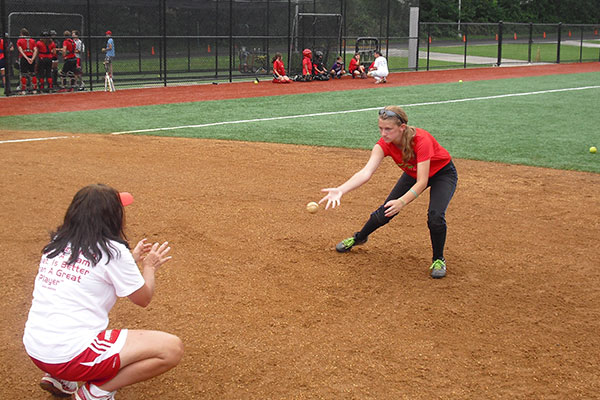
Moreover, visualization can aid players in honing their perception, enabling them to predict plays and place themselves tactically. Athletes can sharpen their focus and concentration, which are critical for effective defensive play, by mentally practicing various game scenarios.
Defining Specific and Attainable Objectives
Defining specific and attainable objectives is a critical element of any effective visualization routine. Objectives give direction and purpose, assisting players in concentrating their mental training on particular skills and situations. When defining objectives, it’s crucial to make sure they are specific, measurable, attainable, relevant, and time-bound (SMART). For further guidance on enhancing focus and confidence, consider exploring mindset training techniques.
Small, achievable goals can help young athletes build confidence and motivation. For example, a goal might be to successfully visualize a perfect catch in five different scenarios during a week of practice. As they achieve these smaller goals, they can gradually increase the complexity of their visualization exercises.
Furthermore, getting coaches and parents involved in setting goals can provide important support and feedback. They can help make sure the goals are tough but achievable, and they can provide motivation and direction as the young athlete works to reach them.
- Pinpoint particular abilities or situations to envision.
- Establish a schedule for accomplishing these visualization objectives.
- Monitor advancement and modify objectives as necessary.
- Recognize accomplishments to enhance self-assurance.
By establishing precise and attainable objectives, young sportspeople can optimize the advantages of their visualization practice and observe noticeable enhancements in their defensive play.
How to Implement Visualization in Training
- Begin and end training sessions with visualization exercises.
- Use visualization to mentally prepare players for specific drills.
- Encourage players to visualize successfully completing a play before they physically execute it.
Implementing visualization in training can greatly improve a player’s ability to turn mental practice into physical performance. Regularly using visualization in their routine can help players reinforce their skills and gain a better understanding of the game.
Starting each practice with a quick visualization exercise can be very beneficial. This could be visualizing a great defensive play or mentally walking through a specific drill. This can help the athletes mentally prepare for the physical demands of the practice and start off their performance on a positive note.
Moreover, wrapping up each training session with visualization can strengthen the abilities learned during the workout. Players can mentally go over their performance, pinpoint areas that need improvement, and picture themselves carrying out plays with accuracy and self-assuredness. This reflective exercise can result in ongoing progress and advancement.
Pre-Practice Visualization Techniques
Setting up a pre-practice visualization technique can help athletes move from their everyday tasks to the focused mindset required for productive training. This technique could include a few minutes of deep breathing followed by visualizing key defensive plays or strategies. By mentally practicing these scenarios, players can start practice with a clear sense of purpose and readiness. For more on developing focus, check out this guide on mindset training.
Using Visualization in Practice
Visualization is a great tool to use during practice to help with skill development. Coaches can have their players visualize the perfect execution of a play before they actually try it. This mental practice can help the players understand the necessary movements and strategies, which can lead to better performance during practice. For more on enhancing mental focus, consider exploring mindset training for youth baseball and softball.
Using Visualization to Reflect on Post-Game Performance
Once the game has ended, athletes can use visualization to reflect on their performance and identify areas where they excelled and where they need to improve. They can mentally replay key moments of the game, paying special attention to the plays that went well and the ones that didn’t. By visualizing different strategies or techniques, they can learn from their mistakes and come up with a plan to do better in future games.
Using Visualization Techniques in Games
Visualization isn’t only for practice; it can also be used during games to improve performance and decision-making. By visualizing defensive situations and maintaining concentration under pressure, athletes can make smarter and more successful plays. For more on developing focus, check out our guide on mindset training.

Imagining Defensive Plays
Prior to each pitch, players should take a moment to imagine potential defensive plays. This mental preparation can help them predict plays and position themselves strategically on the field. By imagining different outcomes, athletes can mentally practice their responses, leading to quicker and more confident decision-making during the game. For more insights, explore creating a strong defense with infield play techniques.
For instance, a shortstop might imagine a ground ball being hit to their left and mentally go over the steps and throw required to make the play. This mental exercise can improve their preparedness and ability to successfully carry out the play. For more on enhancing focus and confidence, check out this mindset training guide.
Keeping Your Cool When the Stakes are High
Games can get heated, and the pressure can impact how an athlete plays. Visualization techniques can assist players in staying focused and calm during high-pressure moments. By mentally practicing successful plays and positive results, athletes can boost their confidence and lessen their anxiety, enabling them to play their best when it counts the most.
Applying Visualization to Make Tactical Decisions
Visualization can also be used to help make tactical decisions during games. By mentally playing out different scenarios, athletes can weigh different strategies and choose the best one. This mental practice can improve their ability to think on their feet and adjust to changing game situations.
For example, an outfielder could visualize different ways to approach a fly ball, taking into account factors such as the direction of the wind and the positioning of other players. By mentally rehearsing these scenarios, they can make smarter and more strategic decisions on the field.
Creating a Visualization Routine for a Successful Season
Developing a regular visualization routine can result in success throughout the season. Athletes can constantly enhance their abilities and reach their objectives by forming habits and modifying techniques based on their performance. For more insights, explore mindset training for focus and confidence.
To get the most out of visualization, you need to make it a regular part of your routine. Athletes can use it to strengthen their skills and build a solid foundation for success. You can practice visualization before practice, during drills, or after games. The more often you do it, the more you’ll improve.
Building Regular Routines
For a visualization routine to be successful, athletes need to focus on building regular routines. This means making time for visualization practice and incorporating it into their daily schedule. By making visualization a regular part of their routine, players can build a strong mental foundation and improve their overall performance. For more tips on creating strong routines, check out creating a strong defense.
Moreover, it’s important for young athletes to aim for their visualization training to be as lifelike and thorough as they can make it. This includes adding in all sensory aspects into their mental pictures, like the noise of the ball smacking into the mitt or the sensation of the grass beneath their feet. By crafting bright and engaging visualizations, players can boost their mental practice and enhance their abilities.
- Set a specific time each day for visualization practice.
- Use all senses to create vivid mental images.
- Focus on both individual skills and team strategies.
- Review and adjust visualization techniques regularly.
Adjusting Techniques Based on Performance
As athletes progress and develop their skills, it’s important to adjust visualization techniques based on performance. This involves regularly evaluating their visualization practice and making necessary changes to address areas for improvement. For more on enhancing your skills, check out these must-do softball drills.
For instance, if a player has difficulty with a certain defensive move, they can concentrate their visualization training on that specific skill. By mentally practicing the correct method and envisioning successful results, they can gain confidence and enhance their performance.
- Pinpoint certain skills or situations that need to be bettered.
- Alter visualization methods to focus on these aspects.
- Ask for input from coaches and teammates to improve practice.
By perpetually tweaking their visualization methods, athletes can remain driven and involved in their practice, resulting in continuous improvement and progression throughout the season.
Getting Coaches and Trainers Involved
It’s essential to get coaches and trainers involved in the visualization process to reap its full benefits. They can offer useful tips, guidance, and feedback to help athletes fine-tune their visualization methods and make sure they match their training objectives.
Coaches can also include visualization in team practices, encouraging players to mentally practice plays and strategies before physically executing them. This integration can lead to a more cohesive and effective training approach, improving both individual and team performance.
Moreover, coaches and trainers can act as guides, assisting athletes in setting achievable goals and monitoring their progress. By creating an encouraging atmosphere, they can inspire players to remain dedicated to their visualization exercises and reach their maximum potential on the field.
Wrapping Up: How Visualization Affects Defensive Play
Visualization is a powerful tool that can greatly enhance defensive play in youth baseball and softball. By mentally practicing plays, players can increase their concentration, boost their self-assurance, and speed up their response times, which leads to improved performance on the field.
Young players can look forward to a noticeable enhancement in their defensive skills as they continue to hone their visualization abilities. By making visualization a regular part of their training and incorporating their coaches and trainers, they can fully realize their potential and excel in their sport.
Looking Back on Progress and Successes
It is important for athletes to take time to look back on their progress and successes as part of the visualization process. They should regularly check in on how they are doing, celebrate their wins, and figure out what they need to work on. This can help them stay excited and dedicated to their practice, which can lead to ongoing growth and progress. For those focusing on improving their game, understanding swing consistency tips can be a valuable part of their development.
Keep Improving Visualization Skills
Visualization is a skill that needs to be consistently practiced and improved. Athletes can boost their mental rehearsal and enhance their performance on the field by continuously developing their visualization techniques. With hard work and dedication, they can reach their goals and become successful in their sport. For more tips, check out these pitching accuracy control tips.
Common Questions
Young athletes and their parents often have questions about how visualization techniques can be used in sports. Here are some frequently asked questions and answers to help you understand the benefits and how to use visualization in youth baseball and softball.
What is the right age to begin visualization techniques in sports?
Young athletes can start learning visualization techniques as young as 8 or 9 years old. Around this age, children’s cognitive skills are developing and they can start to grasp and perform simple visualization exercises. However, the complexity of the visualization techniques should be adapted to the athlete’s age and level of development. For more on developing focus and confidence, check out our mindset training guide.
- Start with simple visualization exercises for younger athletes.
- Gradually introduce more complex scenarios as they develop.
- Ensure that the visualization practice is age-appropriate and engaging.
How often should young athletes practice visualization?
Young athletes should aim to practice visualization regularly, ideally incorporating it into their daily routine. Short, focused visualization sessions of 5-10 minutes can be effective, especially when combined with physical training. Consistency is key to reaping the benefits of visualization practice.
Are visualization techniques a substitute for physical practice?
Visualization techniques are a useful addition to physical practice, but they should not take its place. Although visualization can enhance mental rehearsal and boost performance, physical practice is crucial for building the skills and conditioning required for sports success. A balanced approach that includes both mental and physical practice is the most beneficial. For more on developing focus and confidence, check out this guide on mindset training.
What are the usual difficulties in learning visualization?
Visualization techniques can be a bit hard to learn, especially for young players who are just starting. The usual difficulties include having trouble staying focused, creating clear mental pictures, and keeping the motivation to practice regularly.
- Urge players to begin with basic visualization drills.
- Employ scripted or recorded guided visualization to help with training.
- Offer encouragement and backing to keep enthusiasm high.
Given enough practice and backing, players can overcome these obstacles and develop efficient visualization abilities.
How can I tell if visualization techniques are helping?
There are several ways to gauge whether visualization techniques are making a difference. Athletes can keep a journal of their visualization exercises and take note of any changes in concentration, self-assurance, and overall performance. Coaches and trainers can also offer insights on the athlete’s skill level and game-time performance.
Where can I find more information about sports visualization?
There is a wealth of information available about sports visualization. You can find books, online courses, and workshops that provide valuable insights and techniques for athletes and coaches. You might also consider working with a sports psychologist or mental skills coach for personalized guidance and support.
A few suggested resources are:
- “The Inner Game of Tennis” by W. Timothy Gallwey
- “Mind Gym: An Athlete’s Guide to Inner Excellence” by Gary Mack
- Online platforms such as Coursera and Udemy offer courses on sports psychology and visualization techniques.
Are visualization techniques beneficial for all positions in baseball and softball?
Yes, visualization techniques can be beneficial for all positions in baseball and softball. Whether a player is an infielder, outfielder, pitcher, or catcher, visualization can enhance their mental preparation and performance on the field. By tailoring visualization exercises to the specific demands of their position, athletes can improve their skills and excel in their role.
For instance, pitchers can utilize visualization to mentally practice their pitching mechanics and strategies. Similarly, outfielders can visualize various fielding scenarios to enhance their reaction times. By incorporating visualization into their training routine, players in all positions can improve their defensive play and succeed in their sport.

Leave a Reply