Important Points
Effective communication is key to managing difficult sports parents. Regular meetings and updates help set clear expectations.
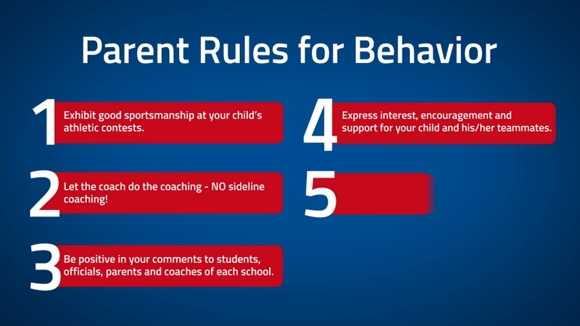
Establishing a parent code of conduct can prevent disruptive behavior and maintain a positive sports environment.
Identify and understand different types of difficult parent behaviors to address them appropriately.
Building trust with parents and players fosters a supportive community and minimizes conflicts.
Provide coaches with training in conflict resolution to better handle challenging situations with parents.
Engaging Parents in Baseball and Softball Coaching
When coaching youth sports, engaging parents effectively is crucial. They are an integral part of the team’s ecosystem, and when managed well, they can become your biggest supporters. The key is to establish a positive relationship from the beginning, setting the stage for successful interactions throughout the season.
Laying the Groundwork for Effective Communication
Transparent and regular communication is the cornerstone of any fruitful relationship. As a coach, it’s vital to communicate your coaching philosophy, team objectives, and expectations at the outset. This assists in avoiding misinterpretations and sets a positive atmosphere for the season. Most importantly, it ensures everyone is on the same wavelength.
Here are some tips to help you build a strong communication network:
Host a pre-season meeting to introduce yourself, outline your coaching style, and discuss team goals.
Provide a season calendar with practice schedules, game days, and other important events.
Set up a communication channel, like a group chat or email list, for regular updates and announcements.
Building Trust with Parents and Players
Trust is the cornerstone of any relationship, and this holds true in sports coaching. When parents trust you, they are more likely to support your decisions and encourage their children to follow your guidance. Building trust requires transparency, honesty, and consistency in your actions and words. For tailored coaching strategies, explore our guide on coaching different age groups.
Building trust is important, and one way to do this is by being approachable. Let parents know that they can voice their concerns or feedback without fear of retribution. When they do speak up, listen to them carefully and address their concerns as soon as possible. This will show them that you appreciate their input and are dedicated to giving their children the best experience possible. For more insights on coaching, consider exploring tailored training for different age groups.
Setting Clear Expectations for Roles Between Coaches and Parents
It’s important to define roles and responsibilities to avoid conflicts. As a coach, you should clearly define what you expect from parents and what they should expect from you. This mutual understanding helps to maintain a harmonious environment.
For instance, parents should be encouraged to cheer on and support their kids, but coaching decisions should be left up to you. Make sure to clearly establish these boundaries during your first meetings. Keep reinforcing them through regular communication and by being consistent in your approach. For more insights, you can explore how to deal with difficult parents in youth sports.
Typical Problems with Problematic Parents
Despite your best efforts to communicate and build trust, you might still face problems with difficult parents. Recognizing these problems is the first step in dealing with them effectively.

Spotting Challenging Parental Conduct
Challenging parental conduct can take many forms. Some parents may consistently question your choices, while others may attempt to undermine your authority by coaching their child from the sidelines. Recognizing these behaviors early on is crucial to prevent them from becoming bigger issues. For more insights, check out this article on dealing with difficult parents in youth sports.
These are the usual types of challenging parent behaviors:
The Over-Involved Parent: They want to be part of every decision and often try to coach their child during games.
The Critic: This parent frequently questions your strategies and decisions, often in front of the team.
The Absentee: They rarely attend games or practices and may not support their child’s participation actively.
Impact of Negative Parental Involvement on the Team
Negative parental involvement can have a significant impact on the team’s dynamics. It can create an environment of tension and conflict, affecting players’ morale and performance. When parents openly challenge your authority, it can undermine your ability to lead and coach effectively.
Moreover, it can also influence the players’ relationships with their team members. Kids might feel stressed or humiliated by their parents’ actions, which can result in tense interactions with friends. Hence, it’s essential to tackle negative parental involvement quickly to keep a positive team environment. For additional insights on maintaining a supportive atmosphere, consider exploring best coaching strategies for young players.
Setting Expectations Through Regular Team Meetings
Regular team meetings are a great way to set expectations and keep everyone in the loop. These meetings give you a chance to talk about team goals, bring up any concerns, and remind everyone of the roles and responsibilities of the coaches, players, and parents. By having these meetings on a regular basis, you create an environment where everyone knows what’s expected of them.
At these meetings, it’s important to discuss key issues like when practices will be, what strategies you’ll use during games, and what rules the team will follow. Let parents ask questions or share any worries they have. Doing this not only makes sure everyone knows what to expect, but it also helps parents and players feel like they’re part of a team.
Establishing Communication Lines for Parents
It’s essential to have open lines of communication with parents. These lines allow parents to constructively voice their ideas, worries, and recommendations. By giving parents various ways to communicate their thoughts, you show that you value their input and are dedicated to enhancing the team’s experience.
Think about creating a confidential feedback form where parents can voice their worries without the threat of a face-to-face argument. Or, set aside a specific time each week for parents to meet with you to talk about any problems they’re having. This forward-thinking strategy helps to tackle issues before they escalate into larger problems, promoting a more pleasant atmosphere for everyone involved.
Establishing Limits and Upholding the Coach’s Power
Establishing distinct limits is key to upholding power as a coach. If parents go beyond their roles, it can weaken your power and upset the team’s dynamics. Therefore, setting limits from the beginning and consistently reinforcing them throughout the season is critical. For further insights, you can read about dealing with difficult parents in youth sports.
Start by clearly outlining your role as the coach and the roles of the parents. Discuss these boundaries during your first meetings and provide a written summary of expectations. This documentation can be used as a reference if problems occur later. For further guidance, explore tailored training strategies for different age groups.
First and foremost, ensure you maintain these boundaries. If a parent questions your authority, handle the situation calmly and professionally. Stress the importance of respecting each other’s roles for the good of the team. For additional insights, consider exploring coaching tailored training for different age groups.
Creating and Implementing a Parent Code of Conduct
A parent code of conduct is a useful resource for establishing clear guidelines and promoting a positive atmosphere in sports. This document details what behaviors are acceptable and what the repercussions are for breaking these rules, offering a structure for dealing with disruptive conduct.
In creating a code of conduct, incorporate distinct rules regarding the way parents should communicate with coaches, officials, and other parents. Stress the significance of sportsmanship and courteous communication. After finalizing, disseminate the code of conduct to all parents and mandate them to sign it, acknowledging their comprehension and acceptance.
Implementing the code of conduct is as important as creating it. If a parent breaks the rules, handle the situation quickly and refer back to the code of conduct. This constant reinforcement emphasizes the importance of keeping a respectful atmosphere for all participants.
How to Deal with Ongoing Problematic Behavior
Even with your best intentions, some parents might persist in their disruptive behavior. It’s important to have strategies ready to effectively manage these situations. By being proactive, you can lessen the effect on the team and keep the environment positive. For more insights, check out these secrets to dealing with difficult parents in youth sports.
Here’s an example: A coach noticed that a parent was often interrupting games to give instructions to their child. The coach decided to set up a private meeting with the parent, where they explained how this behavior was undermining the coaching staff and was a distraction for the team. The coach then referred to the parent code of conduct and emphasized how important it was to support the team’s goals. After this meeting, the parent agreed to stop coaching from the sidelines.
Here are some ways to tackle consistent disruptive behavior:
Set up a one-on-one meeting with the parent to talk about their behavior and how it’s affecting the team.
Point to the parent code of conduct and remind the parent of the rules they agreed to follow.
Propose solutions or compromises to deal with the parent’s issues while keeping the team’s integrity intact.
If needed, bring in league officials or administrators to help resolve the issue.
By dealing with disruptive behavior quickly and in a professional manner, you can keep the team’s environment safe and ensure a good experience for all players.
Working Together with Parents
Parents can be your biggest obstacles or your greatest assets. By engaging them in the team process, you can build a supportive community that benefits everyone involved.

Getting Parents Actively Involved in Team Activities
Parents can be a great resource when they are actively involved in team activities. Encourage them to take on roles that match their interests and skills. This involvement not only helps the team but also creates a sense of ownership and pride among parents.
Think about setting up volunteer positions like organizing team activities, taking care of equipment, or assisting with raising funds. Giving parents important roles allows them to make a positive impact on the team’s achievements.
Creating a Strong Parental Support Network for the Team
Arrange social gatherings for parents to network and form bonds outside of the game and practice setting.
Urge parents to create a support group to share resources, organize carpooling, and handle other team-related logistics.
Recognize positive parent contributions in team communications to reinforce the sense of community.
Creating a strong parental support network fosters a more unified team environment. When parents feel connected and appreciated, they are more likely to back the team’s objectives and work effectively with coaches.
By putting these cooperative strategies into action, you can turn parents into valuable allies on the team’s path to success.
Getting Extra Help From Online Resources
As we live in a world that is increasingly connected by the internet, online resources can be a godsend for coaches who need a little extra help. These resources can offer everything from strategies for dealing with conflicts to forums where coaches can exchange stories and advice.
Think about becoming a member of internet coaching communities where you can engage with other coaches who are dealing with the same issues. These communities often hold webinars, workshops, and discussions on a variety of subjects, including how to deal with difficult parents. By participating in these resources, you can learn new viewpoints and methods to improve your coaching style.
Final Thoughts on Dealing with Difficult Sports Parents
Dealing with difficult sports parents is a common challenge that requires patience, communication, and a proactive approach. By setting clear expectations, establishing boundaries, and fostering a collaborative environment, coaches can transform potential conflicts into opportunities for growth and team cohesion.
Don’t forget, the secret to achievement is to forge robust bonds with both parents and athletes. By cultivating a climate of faith and esteem, you can inspire all participants to cooperate in the pursuit of a shared objective. This not only aids the squad, but it also enriches the whole youth sports adventure.
Arming Coaches to Create a Positive Atmosphere
Empowerment is born from wisdom and readiness. As a coach, arm yourself with the necessary tools and strategies to handle challenging circumstances effectively. This includes ongoing education, seeking advice from colleagues, and being open to input from parents and players.
Creating a positive environment allows players to excel, parents to feel engaged, and you to confidently take the reins. See the challenges that come with coaching as chances to develop and fortify your team.
Commonly Asked Questions
Answering frequently asked questions and addressing concerns can provide direction and clarity for coaches dealing with sports parents. Here are some common questions and their answers:
What should you do when parents are always criticizing the coach?
When faced with criticism, keep the lines of communication open. Ask the parent to talk about their concerns in private and hear them out. Explain why you made certain coaching decisions and stress the importance of trust and respect. If needed, remind them about the parent code of conduct and the importance of presenting a united front for the team’s sake.
How can I best communicate decisions about playing time?
Transparency is key when it comes to determining playing time. Factors such as attendance, effort, skill level, and team strategy should be considered. Make sure to communicate these criteria to both parents and players at the start of the season. If any issues arise, provide specific feedback to the player and offer suggestions for improvement to increase their playing time.
What is the best way for coaches to involve parents in a positive manner?
Get parents involved by giving them significant roles that match their interests. Encourage them to take part in team activities, volunteer work, and social events. By giving parents a feeling of ownership and participation, you create a supportive and engaged community.
What is the significance of a Code of Conduct for parents?
A Code of Conduct lays out clear standards for behavior and communication. It helps avoid miscommunications and disputes by defining acceptable behaviors and the repercussions for breaking them. By implementing a code, you are providing a structure for dealing with problems in a consistent and equitable manner. For more insights on maintaining structure, check out these coaching strategies.
What should coaches do when situations with parents get out of hand?
If things get heated, it’s important for coaches to stay cool and professional. Try to set up a private meeting with the parent to talk about the problem and figure out a solution. If you need to, get league officials or administrators involved. Always bring up the parent code of conduct and stress how crucial it is to keep a respectful atmosphere for the team.
What tools can coaches use to deal with difficult parents?
Coaches have several tools at their disposal, such as online coaching communities, workshops, and conflict resolution training. Many sports organizations provide support materials and guidelines for managing parent interactions. By using these tools, coaches can improve their skills and handle difficult situations with confidence. For instance, understanding the importance of pitch recognition strategies can be beneficial in improving communication and coaching techniques.
To sum it up, handling tough sports parents involves a mix of communication, setting limits, and working together. By putting into action the tactics we’ve discussed in this article, coaches can foster a positive, supportive atmosphere for their players, their parents, and themselves.
Dealing with difficult parents in youth sports can be a challenging aspect for any coach. It is important to establish clear communication and set expectations from the beginning. For additional insights, you can explore how to master dealing with difficult parents in youth sports to ensure a positive experience for everyone involved.

Leave a Reply